How Do I Clean Grease off Kitchen Cabinets: Pro Tips
Executive Chef & Lead Commercial Kitchen Specialist at Daily Kitchup Test Lab
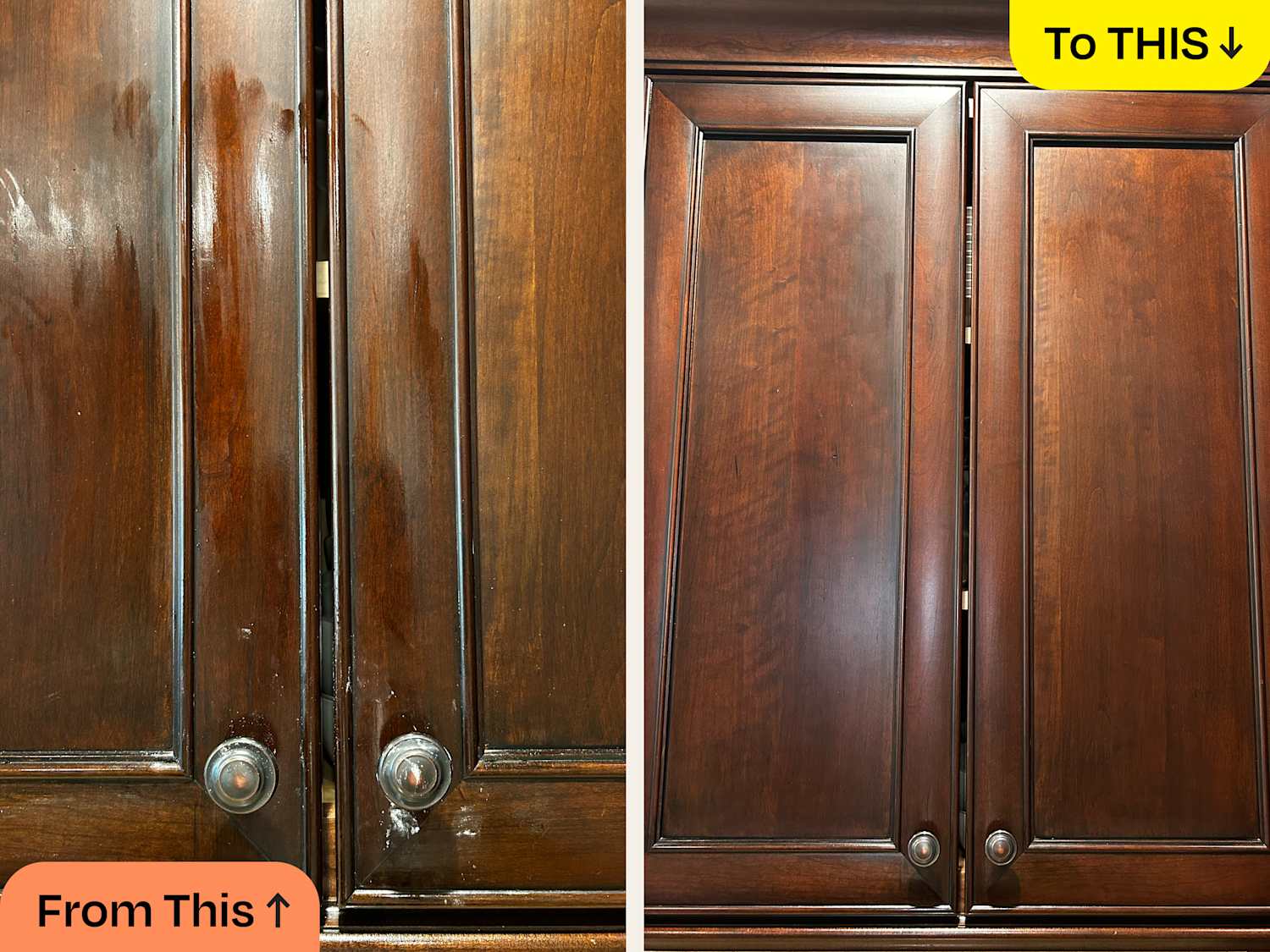
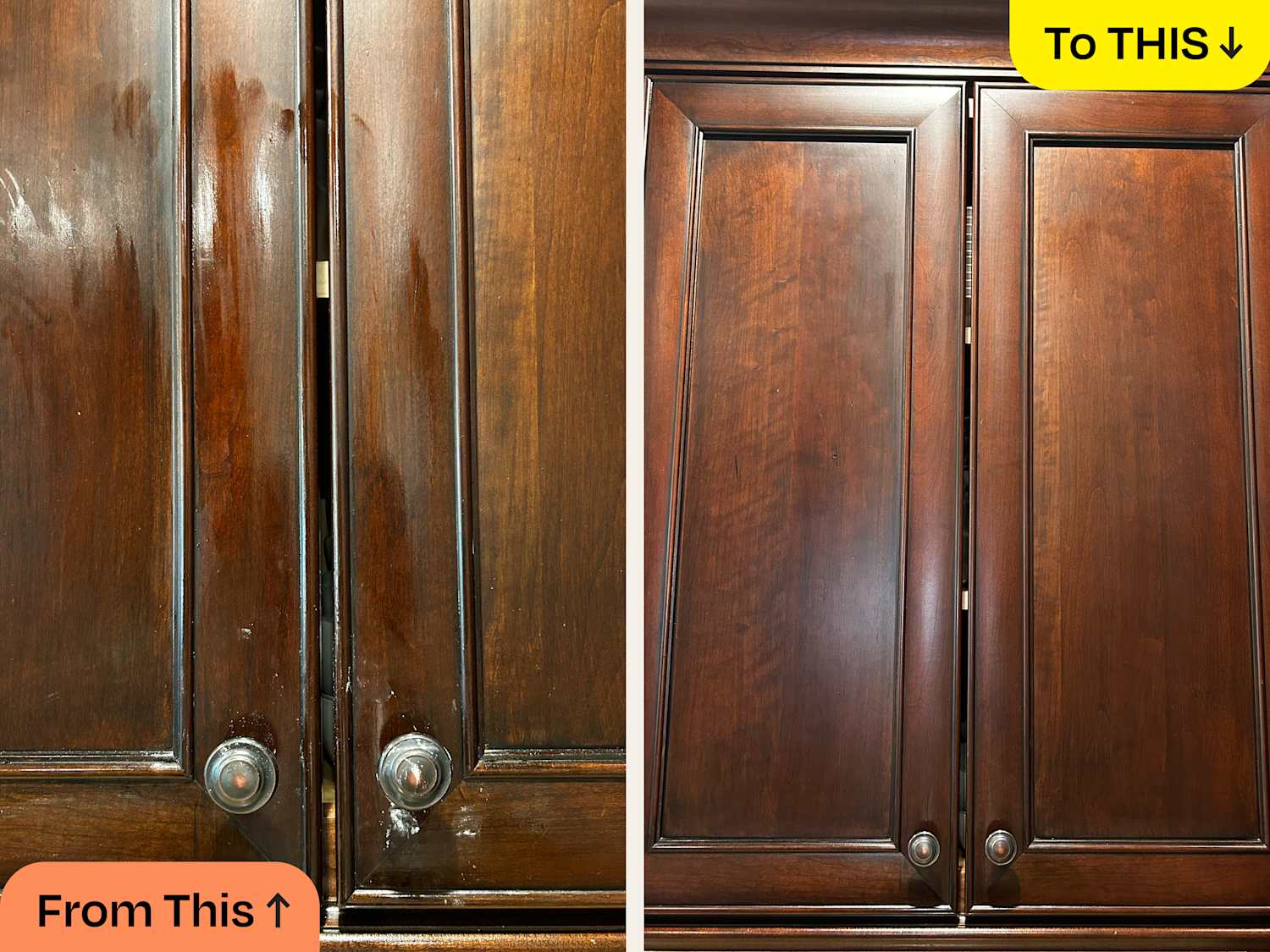
You know that feeling when you glance at your kitchen cabinets and notice those stubborn grease stains staring back at you? It can be frustrating, right?
They seem to appear out of nowhere, turning your once spotless kitchen into a less-than-pristine space. But don’t worry, you’re not alone, and there’s a solution that can bring back the sparkle to your kitchen. Imagine the satisfaction of seeing your cabinets gleam once more, free from those greasy marks.
You’ll discover simple, effective techniques to clean grease off your kitchen cabinets. Get ready to restore that fresh, clean look to your kitchen, making it a place you love even more. Curious about how easy it can be? Keep reading to find out!
Types Of Grease Stains
Different types of grease stains may include cooking oil, butter, or animal fat. Each requires specific cleaning methods. Gentle cleaners like vinegar or baking soda can help remove grease from kitchen cabinets effectively.
Cleaning grease off kitchen cabinets can be a daunting task. Grease stains vary, making them tricky to handle. Understanding the types of grease stains can help you choose the right cleaning approach. Some stains are recent, while others have been there for ages. Each type requires a different method to remove effectively.Fresh Grease Stains
Fresh grease stains are newly formed. They often come from cooking splashes. These stains are usually easy to remove. A simple wipe with a damp cloth can do the trick. Quick action prevents them from becoming stubborn.Old Grease Stains
Old grease stains are tough. They have been sitting on cabinets for weeks or months. These stains are sticky and hard to clean. You need more effort and stronger cleaning agents. Scrubbing may be necessary to remove them completely.Caked-on Grease Stains
Caked-on grease stains are the hardest. They have built up layers over time. These stains are often found near stoves. Removing them requires patience and strong cleaners. Sometimes, you need to soak the area first. Then, scrub vigorously for best results.Sticky Grease Residue
Sticky grease residue feels tacky to touch. It’s a mix of dust and grease. Often found on cabinet tops. This residue is tricky because it attracts more dirt. Cleaning involves wiping and scrubbing with a degreaser. Regular cleaning can prevent buildup. Identifying these types helps in choosing the right cleaning method. Effective cleaning keeps your kitchen fresh and welcoming.Credit: www.facebook.com
Essential Cleaning Supplies
Grease stains on kitchen cabinets can be stubborn. Use a mixture of vinegar and water for effective cleaning. Apply gently with a cloth to remove the grease without damaging the cabinet surface.
When tackling the task of cleaning grease off kitchen cabinets, having the right supplies is crucial. These tools and products ensure efficiency and effectiveness in removing stubborn grease stains. Equipped with these essentials, your cleaning process becomes smoother and more manageable.Degreasing Cleaner
A degreasing cleaner is your best friend for greasy cabinets. It cuts through grease easily. Choose a product designed specifically for kitchen use.Microfiber Cloths
Microfiber cloths gently scrub surfaces without scratching. They are perfect for wiping down cabinets. They also absorb grease effectively.Warm Water
Warm water aids in loosening grease. Combine it with your cleaner for better results. It also helps rinse away residue.White Vinegar
White vinegar is a natural cleaning agent. It’s effective in cutting through grease. Mix it with water for a gentle solution.Baking Soda
Baking soda acts as a mild abrasive. It helps scrub away tough grease spots. It’s gentle on surfaces while being effective.Spray Bottle
A spray bottle makes applying cleaners easier. It helps distribute the solution evenly. Use it for both vinegar and degreasing cleaner.Soft Scrubbing Brush
A soft scrubbing brush tackles stubborn grease. It’s useful for corners and edges. Ensure the bristles are gentle to avoid damage.Rubber Gloves
Rubber gloves protect your hands. They keep your skin safe from harsh cleaners. Always wear gloves during cleaning tasks.Bucket
A bucket is handy for mixing solutions. It helps in carrying warm water. It also keeps your cleaning area organized.Natural Cleaning Solutions
Cleaning grease off kitchen cabinets can often feel like a daunting task, especially when the grime has built up over time. But fear not, natural cleaning solutions are here to save the day. Not only are they effective, but they’re also gentle on your cabinets and the environment. No need for harsh chemicals when you can get your cabinets looking spotless with ingredients you probably already have at home.
Vinegar And Water Mixture
Vinegar is a powerhouse when it comes to tackling grease. Mix equal parts of vinegar and warm water in a spray bottle. Spray the solution generously onto the greasy surfaces and let it sit for a few minutes. This allows the vinegar to break down the grease. Then, wipe it away with a soft cloth. You’ll be surprised at how effortlessly the grease lifts off.
Baking Soda Paste
Baking soda is another kitchen staple that works wonders on grease. Create a paste by mixing baking soda with a small amount of water. Apply this paste to the greasy areas using a sponge or cloth. Gently scrub in circular motions. The abrasive nature of baking soda helps in removing stubborn grease without scratching the cabinets.
Lemon Juice And Salt
Lemon juice is not just for lemonade; it’s also a fantastic cleaner. Combine lemon juice with salt to form a scrub. Apply this mixture directly onto the greasy spots. The acidity of the lemon juice breaks down grease while the salt acts as a mild abrasive. Plus, it leaves a fresh, citrusy scent that can refresh the entire kitchen.
Have you tried these natural methods before? They are not only effective but also budget-friendly. Plus, you won’t have to worry about harsh chemical residues lingering on your cabinets. If you have a favorite cleaning tip, share it with others and see how it can make a difference!
Credit: www.facebook.com
Chemical Cleaners
Chemical cleaners are effective in removing stubborn grease from kitchen cabinets. These products break down grease quickly, leaving surfaces clean. Apply a small amount on a cloth and wipe the cabinets gently for best results.
Chemical cleaners are your trusty allies in the battle against stubborn grease on kitchen cabinets. These products are designed to cut through the grime, making your cleaning task easier and more efficient. But which chemical cleaner should you choose for your kitchen cabinets?Degreasing Detergents
Degreasing detergents are an excellent starting point. These specially formulated products are designed to break down grease molecules, making them easier to wipe away. Choose a detergent with a reputation for effectiveness and safety. When I first tackled my greasy cabinets, I reached for a popular degreasing detergent. The results were impressive. The grease seemed to vanish with minimal effort. Could this be your experience too?Commercial Grease Removers
Commercial grease removers are another powerful option. These products are crafted specifically for heavy-duty grease removal. They often contain stronger chemicals than everyday detergents, providing an intense clean. A friend once shared her success story using a commercial grease remover. Her cabinets, which had been neglected for years, were restored to their original shine. She swears by the product now, but do you need something that strong? Consider the severity of your grease problem and the potential impact on cabinet materials. Will a stronger formula be necessary, or will a gentler approach suffice?Step-by-step Cleaning Process
Start by mixing warm water with dish soap to create a gentle cleaning solution. Dip a soft cloth into the mixture and wipe away the grease. Rinse the cloth and repeat until the cabinets are clean. Dry with a clean towel to prevent water stains.
Cleaning grease off kitchen cabinets can seem like a daunting task, but breaking it down into manageable steps can make it much easier. With the right approach, you can restore your cabinets to their original shine without much hassle. Let’s dive into an effective step-by-step cleaning process that will leave your kitchen looking fresh and inviting.Preparation And Safety Measures
Before you start cleaning, gather all necessary supplies. You’ll need a gentle dish soap, white vinegar, baking soda, a sponge, microfiber cloths, and a bucket of warm water. Wearing gloves can protect your hands from harsh cleaning agents and prevent skin irritation. Make sure your kitchen is well-ventilated. Open windows or turn on a fan to avoid inhaling fumes from cleaning solutions. If you have sensitive skin or allergies, consider wearing a mask to protect yourself from dust and cleaning particles.Application Techniques
Mix a solution of one part dish soap and two parts water. Dip a sponge into the mixture and gently scrub the greasy areas in circular motions. This helps to lift the grease without damaging the cabinet surface. For stubborn spots, sprinkle a bit of baking soda onto the greasy area before scrubbing. The mild abrasiveness of baking soda can break down tough grease stains. Ensure you use a soft sponge to avoid scratching the cabinet finish.Rinsing And Drying
Once the grease is removed, rinse the cabinets with a clean cloth dipped in warm water. This helps to eliminate any soap residue that might attract more grease in the future. Dry the surfaces thoroughly using a microfiber cloth. This prevents water spots and maintains the cabinet’s finish. Remember, moisture can damage wood over time, so ensure there’s no dampness left. Cleaning your kitchen cabinets doesn’t have to be a chore. With these simple steps, you can keep your cabinets looking their best and extend their lifespan. What techniques have worked for you in keeping your kitchen grease-free?Credit: www.facebook.com
Preventing Future Grease Buildup
Regular cleaning prevents grease buildup on kitchen cabinets. Use warm water and mild detergent weekly to wipe surfaces. Pay special attention to handles and edges where grease collects most.
Preventing Future Grease Buildup Grease on kitchen cabinets can be frustrating. It seems to appear out of nowhere. Preventing future buildup is key to maintaining clean cabinets. With a few simple strategies, you can keep grease at bay.Regular Maintenance Tips
Regular cleaning helps. Wipe cabinets weekly with a damp cloth. Use mild soap and warm water. This prevents grease from settling. Pay attention to handles and edges. These areas attract grease. Dry surfaces thoroughly to avoid moisture damage.Using Protective Coatings
Consider protective coatings. They create a barrier against grease. Look for products designed for kitchen cabinets. Apply them according to instructions. These coatings repel grease and dirt. Reapply every few months for best results.Troubleshooting Common Issues
Removing grease from kitchen cabinets involves using mild soap and warm water. Scrub gently with a soft cloth to avoid scratches. For stubborn stains, mix vinegar and water for extra cleaning power.
Cleaning grease off kitchen cabinets can be tricky. Some stains refuse to budge, while others threaten the finish. Knowing how to handle these issues ensures your cabinets stay clean and beautiful. In this section, we explore common challenges and offer solutions to tackle stubborn stains and prevent damage.Dealing With Stubborn Stains
Some grease stains just won’t quit. A mixture of baking soda and water can help. Use it to create a paste. Apply the paste to the stain. Let it sit for a few minutes. Scrub gently with a soft cloth. Rinse with warm water. For tougher stains, try vinegar. Mix equal parts vinegar and water. Spray the solution on the stain. Allow it to sit for a few minutes. Wipe clean with a damp cloth. Repeat if necessary.Avoiding Damage To Cabinets
Harsh chemicals can damage cabinet surfaces. Avoid using strong cleaners. Opt for gentle solutions instead. Test any cleaner in a hidden area first. This ensures no harm to the finish. Use soft cloths or sponges. Abrasive pads can scratch surfaces. Wipe cabinets in the direction of the grain. This prevents streaks and keeps the finish intact. Avoid soaking cabinets with water. Excess moisture can warp wood. Dry surfaces thoroughly after cleaning. This maintains the cabinet’s integrity and appearance.Expert Tips For Efficiency
Expert Tips for Efficiency: Clean grease off kitchen cabinets using a mix of warm water and dish soap. Gently scrub with a soft cloth, then rinse and dry to keep cabinets sparkling. Regular cleaning prevents buildup and maintains a fresh kitchen look.
Cleaning grease off kitchen cabinets can seem overwhelming. But with expert tips, it becomes manageable and efficient. Implementing the right techniques saves time and effort. Let’s explore some efficient strategies to tackle this sticky problem.Time-saving Techniques
Start by gathering all necessary supplies. A simple mix of dish soap and warm water works wonders. This solution cuts through grease fast. Apply it using a soft cloth or sponge. Focus on one cabinet at a time. This ensures thorough cleaning without missing spots. Consider using vinegar. It’s a natural degreaser. Mix equal parts vinegar and water in a spray bottle. Spray the solution onto the cabinets. Let it sit for a few minutes. Then wipe it off with a clean cloth. This method is quick and effective.Using Tools Effectively
The right tools make a difference. Use a toothbrush for hard-to-reach areas. It cleans corners and crevices effortlessly. For larger surfaces, a microfiber cloth is ideal. It absorbs grease without scratching. A baking soda paste can help with stubborn spots. Mix baking soda with a little water. Apply the paste to the greasy area. Let it sit for a few minutes. Then scrub gently with a brush or cloth. This technique targets tough stains without damaging surfaces. Remember, regular maintenance prevents buildup. Wipe cabinets with a damp cloth weekly. This keeps them clean and grease-free.Frequently Asked Questions
What Is The Best Degreaser For Kitchen Cabinets?
Dawn dish soap mixed with warm water effectively cleans kitchen cabinets. For tough grease, use a baking soda paste. Apply, scrub gently, and rinse. Always test on a small area first.
Does Murphy’s Oil Soap Remove Grease From Kitchen Cabinets?
Yes, Murphy’s Oil Soap effectively removes grease from kitchen cabinets. It cleans without damaging the wood finish. Use a diluted solution for best results. Apply with a soft cloth and wipe gently. Always test on a small area first to ensure compatibility with your cabinet’s finish.
Does Magic Eraser Work On Greasy Cabinets?
Magic erasers effectively clean greasy cabinets by gently scrubbing away grime. They work well on various surfaces, leaving cabinets spotless. Use them with water for best results. Avoid excessive pressure to prevent damage. Their micro-abrasive texture helps remove stubborn grease stains without harsh chemicals, making them a convenient cleaning solution.
What’s The Best Thing To Get Grease Off Wood?
Use a mixture of warm water and mild dish soap to remove grease from wood. Gently scrub with a soft cloth or sponge. Dry the area with a clean towel to prevent moisture damage. Avoid using harsh chemicals that might harm the wood finish.
Conclusion
Grease on kitchen cabinets can be tough. Regular cleaning keeps it away. Use simple solutions like vinegar or baking soda. These are safe and effective. Gently scrub with a soft cloth or sponge. Avoid harsh chemicals; they can damage surfaces.
Consistent cleaning helps cabinets stay fresh. It also prolongs their lifespan. A clean kitchen feels welcoming and organized. Remember, patience is key. Don’t rush the process. Enjoy your clean and beautiful kitchen space! With these steps, tackling grease becomes easy and satisfying.

Similar Posts