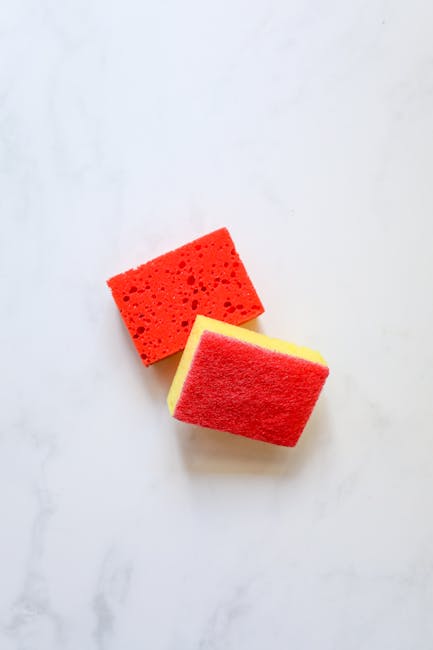
Imagine this: you’re diligently scrubbing away at your dishes, confident in your efforts to maintain a spotless kitchen. But lurking in your hands is one of the most notorious breeding grounds for germs—the kitchen sponge.
Shocking, right? That little cleaning tool can actually harbor more bacteria than your toilet seat. Now, don’t panic! Keeping your kitchen sponge clean is simpler than you might think, and we’re here to guide you step by step. Discover how to maintain a hygienic kitchen environment with just a few easy tweaks to your routine.
Stick around, because the secrets to a healthier home start right here, with your sponge.
Importance Of A Clean Kitchen Sponge
Keeping your kitchen sponge clean is crucial for maintaining a hygienic cooking environment. You might think that your sponge, which helps you wash your dishes, is always clean. But the reality is far from it. A sponge can easily become a breeding ground for bacteria if not properly cared for.
Why A Clean Sponge Matters
Imagine using a sponge that’s teeming with germs. It not only defeats the purpose of cleaning but can also spread bacteria to your dishes, countertops, and hands. A clean sponge ensures that you’re truly sanitizing your kitchen spaces.
Health Risks Of A Dirty Sponge
Dirty sponges can harbor harmful bacteria like E.coli and Salmonella, which may lead to food poisoning. It’s not just about avoiding nasty odors; it’s about protecting your health. A clean sponge can drastically reduce these risks.
Longevity Of The Sponge
Regular cleaning extends the life of your sponge. When you care for it properly, it won’t degrade as quickly. You save money and reduce waste by not having to replace it constantly. Isn’t it satisfying to know you’re getting the most out of your purchases?
Simple Cleaning Methods
There are easy ways to keep your sponge fresh. Microwaving it for a minute can kill germs effectively. You can also soak it in a vinegar solution overnight. These simple steps take just minutes but make a huge difference.
Environmental Impact
By keeping your sponge clean, you’re also helping the environment. Fewer replacements mean less waste. Every small action counts when it comes to sustainability. Do you want to contribute positively to the planet?
Personal Experience
I once neglected my kitchen sponge, thinking it was clean. The dishes started smelling funny, and it dawned on me that the sponge was the culprit. Since then, I’ve made it a habit to clean it regularly. It’s a simple step, but it makes all the difference.
So, next time you’re in the kitchen, take a moment to think about your sponge. Is it clean enough to trust with your dishes?
Common Germs Found On Sponges
Keeping the kitchen sponge clean helps prevent germs like E. coli and salmonella. Regularly disinfect and dry thoroughly after use. Avoid moisture buildup to minimize bacterial growth.
Keeping your kitchen sponge clean is crucial for hygiene. These humble cleaning tools can harbor a surprising number of germs. Many people overlook this fact, thinking their sponge is just a cleaning aid. But it can become a breeding ground for bacteria. Sponges often host a variety of germs. These germs can cause health issues if not managed.Salmonella
Salmonella is a common bacteria found on sponges. It often originates from raw meat or eggs. It can lead to food poisoning. Symptoms include stomach cramps and diarrhea.E. Coli
E. coli can spread through contaminated surfaces. It’s often found in kitchens and on sponges. This bacteria can cause severe digestive problems. Keeping your sponge clean can minimize risks.Staphylococcus
Staphylococcus can thrive in moist environments. Sponges provide the perfect habitat. This bacteria can cause skin infections. It may also lead to serious health complications.Fungi
Fungi can grow in damp sponges. Mold and yeast are common types. They can trigger allergic reactions. A clean sponge reduces these risks.Pseudomonas
Pseudomonas is a bacteria found in water. It often inhabits kitchen sponges. It can cause infections, especially in the eyes and ears. Regular cleaning of sponges helps prevent this.Viruses
Certain viruses can linger on sponges. These might include cold and flu viruses. They can spread quickly. It’s vital to disinfect your sponge regularly. Regular cleaning of your sponge is essential. It helps keep these germs at bay. Use simple methods to maintain hygiene. A clean kitchen sponge protects your health.Choosing The Right Sponge
Regular cleaning extends sponge life and prevents bacteria. Rinse thoroughly after each use and air dry. Microwave or soak in vinegar weekly for deep cleaning.
Choosing the right sponge can impact cleanliness in your kitchen. Sponges come in various materials and sizes, each suited for different tasks. Selecting the correct sponge ensures efficiency and hygiene. Let’s explore the factors to consider.Material Matters
Sponges are made from synthetic or natural materials. Synthetic sponges are durable and resist bacteria. Natural sponges are eco-friendly but need frequent cleaning. Consider your priorities before choosing.Size And Shape
Different tasks require different sponge sizes. Small sponges are great for tight spaces. Larger sponges cover more surface area quickly. Some sponges have ergonomic shapes for better grip. Choose what feels comfortable.Antimicrobial Options
Some sponges have antimicrobial properties. They resist bacterial growth, keeping your kitchen cleaner. These sponges often last longer than regular ones. They are a wise investment for hygiene-conscious users.Scrubbing Power
Sponges vary in scrubbing strength. Soft sponges are gentle on delicate surfaces. Rough sponges tackle stubborn grime easily. Consider the surfaces you clean regularly. Choose a sponge with suitable scrubbing power.Absorption Ability
Absorbency is a key feature. Sponges should soak up spills efficiently. High absorbency sponges prevent messes from spreading. They make cleaning quicker and easier. Check product descriptions for absorption details.Ease Of Cleaning
Sponges need regular cleaning to stay hygienic. Some sponges can be cleaned in the dishwasher. Others require manual washing. Choose a sponge that suits your cleaning routine. Ensure it’s easy to maintain for long-term use.Proper Sponge Storage
Store sponges in a dry, airy location to prevent bacteria growth. Rinsing thoroughly after use helps maintain cleanliness. Replace regularly to ensure hygiene in the kitchen.
Proper storage of your kitchen sponge can significantly extend its life and ensure it stays hygienic. You might not realize it, but where and how you store your sponge plays a crucial role in its cleanliness. By taking a few simple steps, you can prevent your sponge from becoming a breeding ground for bacteria.Keeping Sponges Dry
Moisture is the enemy of a clean sponge. After each use, make sure to wring out as much water as possible. A damp sponge left on the counter is an invitation for bacteria. Consider using a sponge holder with drainage holes. These holders allow water to escape, helping your sponge dry faster. Placing your sponge in a well-ventilated area also promotes quicker drying. Is your sponge taking too long to dry? You might need to evaluate its storage location. Ensure it’s not near the sink or other wet areas where it could accidentally soak up more moisture.Avoiding Bacterial Growth
Bacteria thrive in dark, moist environments. By storing your sponge properly, you can minimize these conditions. Make it a habit to sanitize your sponge regularly, either by microwaving it for a minute or running it through the dishwasher. Have you ever considered having a rotation system? Keep a couple of sponges on hand and alternate them. This gives each sponge ample time to dry completely between uses. Finally, be mindful of your sponge’s lifespan. Even with proper storage and care, it’s best to replace your sponge every two weeks. A fresh sponge ensures you’re not transferring bacteria around your kitchen. By adopting these practical tips, you’ll keep your kitchen sponge clean and your home environment healthier. How will you adjust your sponge storage habits today?Regular Sponge Cleaning Methods
Keeping your kitchen sponge clean is crucial for maintaining a healthy kitchen environment. Regular cleaning methods can extend the life of your sponge and prevent it from becoming a breeding ground for bacteria. Let’s explore some effective techniques to ensure your sponge stays hygienic.
Microwave Sterilization
Did you know your microwave can be a powerful ally in cleaning your kitchen sponge? Simply soak your sponge in water and place it in the microwave for about two minutes. The heat kills germs and deodorizes your sponge. Just be careful not to burn yourself when removing it!
Boiling Water Technique
Boiling water is a straightforward method to disinfect your sponge. Immerse your sponge in a pot of boiling water for about five minutes. This method effectively eliminates bacteria and leaves your sponge feeling refreshed. Remember, a clean sponge makes for a cleaner kitchen.
Dishwasher Cleaning
Your dishwasher isn’t just for dishes—it can clean your sponge too. Add your sponge to the top rack during a regular dishwashing cycle. The high heat and detergent work together to sanitize your sponge. It’s a hands-off approach that keeps your sponge squeaky clean.
Natural Cleaning Solutions
Regular cleaning keeps your kitchen sponge fresh. Rinse thoroughly after each use to remove food particles. Soak in vinegar or lemon juice weekly to kill bacteria and eliminate odors.
Natural cleaning solutions offer a safe way to keep your kitchen sponge fresh. These methods use ingredients you might already have in your home. They are effective, eco-friendly, and gentle on the environment. Plus, they help prevent harmful chemicals from entering your kitchen. Let’s explore some easy solutions to maintain a clean sponge.Vinegar And Baking Soda
Vinegar is a powerful cleaning agent. Soak the sponge in a mixture of vinegar and water. This removes odors and kills bacteria. After soaking, sprinkle baking soda on the sponge. Scrub it gently to enhance the cleaning effect. This combination is known for its antibacterial properties.Lemon Juice And Salt
Lemon juice is a natural disinfectant. Squeeze fresh lemon juice over the sponge. Add a pinch of salt for extra scrubbing power. The citric acid in lemon juice breaks down grime and bacteria. Salt helps remove stubborn particles. This method leaves your sponge smelling fresh and clean.Signs It’s Time To Replace Your Sponge
Old sponges might smell bad or crumble easily. They can spread bacteria, making cleaning less effective. Regularly replacing them helps maintain a cleaner kitchen.
Recognizing the signs that your kitchen sponge needs replacing is crucial for maintaining a clean and hygienic kitchen. Sponges can harbor bacteria and lose their effectiveness over time. Knowing when to discard your sponge not only helps keep your kitchen clean but also protects your health. Let’s dive into the key indicators that it’s time to say goodbye to your old sponge and welcome a new one.Unpleasant Odors
One of the most obvious signs that your sponge has overstayed its welcome is a lingering bad smell. If your sponge emits a foul odor even after a thorough rinse, it’s time to replace it. An unpleasant smell often indicates bacterial growth, which can transfer onto your dishes and countertops. Consider the last time you used your sponge. Did it leave an odd scent on your hands? If so, it’s already begging for retirement. Trust your nose; it’s an excellent gauge for detecting when something’s off.Visible Wear And Tear
Take a close look at your sponge’s appearance. Are there frayed edges, holes, or thinning areas? These are clear signs that your sponge is past its prime. A worn-out sponge won’t clean effectively, leaving residues behind and possibly scratching surfaces. Think about the cleaning power you need. A sponge with visible wear can’t scrub away stubborn grime or grease. If your sponge looks like it’s been through a rough patch, it’s time to replace it and ensure your kitchen stays spotless. Now, consider your routine. How often do you inspect your sponge for these signs? By being proactive, you can prevent the spread of germs and maintain a cleaner kitchen environment.
Credit: www.tiktok.com
Eco-friendly Sponge Alternatives
Keeping your kitchen sponge clean is easy with eco-friendly alternatives. Choose natural materials like loofah or cellulose. Regularly sanitize by boiling or microwaving to prevent bacteria buildup.
Switching to eco-friendly sponge alternatives can make a significant impact on the environment and improve the cleanliness of your kitchen. Traditional kitchen sponges are often made from synthetic materials that contribute to landfill waste. Opting for sustainable options not only helps reduce your carbon footprint but also brings a fresh vibe to your dishwashing routine.Biodegradable Sponges
Biodegradable sponges are a fantastic choice for the eco-conscious homeowner. Made from natural materials like cellulose or coconut fibers, these sponges break down easily after their useful life. Imagine a sponge that cleans up after itself! You can find these sponges at most grocery stores or online retailers. Look for options free from harsh chemicals and dyes. They’re not only gentle on the planet but also on your hands.Reusable Dishcloths
Reusable dishcloths offer a practical and sustainable alternative to disposable sponges. They are usually made from materials like cotton or bamboo and can be washed and reused multiple times. How satisfying would it be to know you’re reducing waste every time you clean a plate? These cloths are versatile and can be used for various kitchen tasks. From wiping counters to scrubbing pots, they do it all. Plus, they come in a variety of colors and patterns, adding a touch of style to your kitchen. So, why not make the switch? Reducing single-use sponges in your home can be a simple yet impactful step toward a greener lifestyle.Maintaining Kitchen Hygiene
Maintaining kitchen hygiene is vital for a healthy home. A clean kitchen prevents germs from spreading. The kitchen sponge, often overlooked, needs regular care. This simple tool can harbor bacteria if not cleaned properly. Let’s explore effective ways to maintain its cleanliness.
Regular Cleaning Routine
Rinse the sponge under hot water daily. This removes food particles. After rinsing, squeeze out excess water completely. Moisture leads to bacterial growth. Use a microwave to sanitize. Soak the sponge in water, then heat for one minute. This kills most bacteria. Replace your sponge every two weeks. A fresh sponge ensures better hygiene.
Cross-contamination Prevention
Use separate sponges for different tasks. One for dishes, another for surfaces. This prevents germs from spreading. Avoid using a dirty sponge on food-prep areas. Clean surfaces with a disinfectant instead. Store the sponge in a dry place. Avoid damp environments. Let the sponge air dry after use. This helps in reducing bacteria buildup.

Credit: bluespringcleaning.com

Credit: sqwishful.com
Frequently Asked Questions
How Do You Keep Kitchen Sponges Sanitary?
Clean kitchen sponges regularly by soaking in vinegar or microwaving for 2 minutes. Replace sponges monthly to prevent bacteria growth. Rinse thoroughly after each use and let them dry completely. Avoid using the same sponge for raw meat and other foods.
Store sponges in a dry, ventilated area.
How To Keep A Kitchen Sponge Smelling Fresh?
Keep your kitchen sponge fresh by rinsing it thoroughly after each use. Allow it to dry completely. Disinfect weekly by microwaving a damp sponge for one minute or soaking it in vinegar. Replace sponges regularly to prevent odors and bacteria buildup.
How To Extend The Life Of A Sponge?
Rinse the sponge thoroughly after each use to remove residue. Store it in a dry, well-ventilated area. Regularly disinfect by microwaving it damp for 1-2 minutes or soaking it in vinegar. Avoid using it on raw meat surfaces to prevent bacterial growth.
Replace the sponge every few weeks for optimal hygiene.
How Often Should You Throw Away A Kitchen Sponge?
Replace your kitchen sponge every one to two weeks. This prevents bacteria buildup and ensures hygiene. Regularly disinfect sponges by microwaving or boiling. Consider using alternatives like silicone scrubbers for longer-lasting options. Prioritize cleanliness to maintain a healthy kitchen environment.
Conclusion
Keeping your kitchen sponge clean is simple. Regular cleaning prevents germs. Rinse sponges after each use. Dry them completely to avoid mold. Use vinegar or bleach for deep cleaning. Microwave sponges to kill bacteria. Replace old sponges often. Clean sponges improve kitchen hygiene.
Protect your health with clean sponges. Your kitchen stays safe and fresh. A clean sponge means a cleaner kitchen. Simple steps make a big difference. Keep your kitchen sponge clean. Enjoy a healthier cooking space. Prioritize cleaning for a happy kitchen.
Follow these tips for best results. Clean sponges lead to peace of mind.