How to Remodel a Kitchen: Step-by-Step Guide
Are you dreaming of a kitchen that inspires culinary creativity and boosts the heart of your home’s aesthetic appeal? Remodeling your kitchen can transform this key space into a functional and stylish hub that reflects your personal taste and enhances your daily life.
But where do you start? The thought of a kitchen remodel might seem overwhelming, yet with the right guidance, it can be a rewarding and enjoyable process. Imagine walking into a kitchen that not only meets your needs but also sparks joy every time you step inside.
In this guide, we’ll walk you through practical steps and insider tips on how to remodel a kitchen, making the process smooth and stress-free. Ready to turn your kitchen dreams into reality? Let’s dive in and explore how you can create the kitchen you’ve always wanted.
Planning Your Kitchen Remodel
Transform your kitchen with careful planning and smart choices. Set a budget that suits your needs and explore design options. Choose materials and appliances that balance style and functionality.
Planning a kitchen remodel can be exciting. It’s a chance to transform a vital space in your home. The kitchen is often the heart of your home. Start by thinking about what you want your new kitchen to look and feel like. Consider your lifestyle, cooking habits, and your family’s needs. This planning phase is crucial for a successful remodel.Setting A Budget
Determine how much you can spend on your kitchen remodel. Costs can vary greatly, so it’s important to have a clear budget. A well-planned budget helps manage expenses and avoid surprises. Think about the cost of materials, labor, and appliances. Keep some funds aside for unexpected expenses. Knowing your limits will guide your decisions.Design Inspiration
Gather ideas for your dream kitchen. Browse magazines, websites, and home improvement shows for inspiration. Create a mood board with colors, textures, and styles you love. This will help you visualize your new kitchen and communicate your ideas to professionals. Consider timeless designs that will stay appealing for years.Functionality And Layout
Plan how you want the kitchen to function. Think about the workflow and how you use the space. Consider the placement of appliances, cabinets, and countertops. Ensure the layout is efficient and meets your needs. A well-designed kitchen can make cooking more enjoyable. Focus on maximizing space and comfort.
Credit: www.youtube.com
Hiring Professionals
Hiring professionals can make kitchen remodeling easier and more efficient. They bring expertise and ensure quality results. Skilled teams handle design, permits, and construction, saving time and reducing stress.
Hiring professionals for your kitchen remodel can be a game-changer. They bring expertise and a fresh perspective to the table, ensuring your vision comes to life smoothly. But how do you choose the right professionals for the job?Choosing A Contractor
Selecting the right contractor is crucial. You want someone who understands your vision and can execute it efficiently. Start by asking for recommendations from friends and family who have recently completed remodels. Check online reviews and ratings. Websites like Angie’s List or Houzz can be valuable resources. Once you’ve narrowed down your list, schedule interviews with potential contractors to discuss your project. Don’t shy away from asking for references. A reputable contractor will gladly provide them. Follow up on these references to learn about their experiences.Working With Designers
A skilled designer can transform your kitchen into a masterpiece. They have an eye for detail and a knack for creating functional spaces. But the right designer should also align with your style preferences. Schedule a few consultations to gauge their creativity and compatibility with your ideas. During these meetings, share your vision and see how they respond. Discuss your budget upfront. A good designer will respect your financial boundaries while suggesting innovative solutions.Understanding Permits And Regulations
Permits and regulations can be daunting, but they’re essential. Remodeling without the necessary permits can lead to hefty fines or even having to undo your hard work. Research what permits are required in your area. Your contractor should also be knowledgeable about local regulations and help you navigate this process. Stay informed and ask questions. Understanding the legal requirements will save you time and stress down the road. Hiring professionals might seem like an added expense, but their expertise can save you money and headaches in the long run. Are you ready to bring your dream kitchen to life with the help of skilled experts?Selecting Materials And Appliances
Choose durable materials to ensure a long-lasting kitchen. Energy-efficient appliances can save money and reduce environmental impact. Prioritize functionality to create a practical and stylish space.
Selecting the right materials and appliances is crucial for a successful kitchen remodel. This process sets the tone and functionality of your kitchen. Every choice impacts the aesthetic and utility of the space. Consider durability, style, and budget for each element. This guide will help you make informed decisions.Cabinetry Options
Cabinets are the backbone of kitchen storage. Choose from solid wood, laminate, or metal finishes. Solid wood offers a classic look. Laminate is cost-effective and easy to clean. Metal finishes suit modern designs. Consider the cabinet’s color and style. Ensure it complements the overall theme.Countertop Choices
Countertops are both functional and decorative. Granite offers durability and elegance. Quartz is non-porous and low-maintenance. Marble provides a luxurious feel but needs care. Consider the kitchen’s traffic and use. Select a material that withstands daily activities.Picking Appliances
Appliances define the kitchen’s efficiency. Choose energy-efficient models to save on bills. Stainless steel appliances offer a sleek look. Ensure the size fits your space. Consider smart technology for convenience. Match appliances with the kitchen’s style for a cohesive look.Flooring And Backsplash
Flooring impacts comfort and style. Tiles are durable and easy to clean. Wood adds warmth but needs protection. Consider slip resistance for safety. Backsplash adds visual interest. It protects walls from splashes. Glass tiles are modern, while ceramic offers variety. Balance colors with other elements for harmony.
Credit: www.housebeautiful.com
Demolition Process
Begin by clearing out old cabinets, countertops, and appliances to make room for new installations. Carefully remove fixtures, ensuring no damage to the walls or plumbing.
The demolition process is a thrilling part of remodeling your kitchen. It involves tearing down old structures to make way for new ideas. Before swinging that sledgehammer, careful planning is crucial. Here’s how to approach this exciting phase.Preparing Your Space
Start by clearing out all kitchen items. Empty cabinets and drawers completely. Move appliances to a safe area. Cover floors with protective sheets to prevent damage. Disconnect utilities like water and electricity. This ensures a smooth demolition without interruptions.Safety Precautions
Safety is key during demolition. Wear protective gear like gloves and goggles. Ensure proper ventilation to avoid dust inhalation. Use sturdy ladders for reaching high places. Keep a first-aid kit nearby for minor injuries. Remove any sharp objects from the work area. Always work in pairs for better safety. Secure loose wires and piping before starting. Be mindful of structural beams to prevent accidents.Plumbing And Electrical Work
Updating plumbing and electrical work is vital in kitchen remodeling. Proper installation ensures functionality and safety. Hiring skilled professionals can help achieve efficient layout and design.
Plumbing and Electrical WorkRemodeling a kitchen isn’t just about aesthetics. It’s about ensuring functionality and safety. Plumbing and electrical work are critical in this process. They form the backbone of your kitchen’s operations. Whether you’re an avid home chef or someone who enjoys a morning coffee, these elements play a crucial role.Updating Plumbing Systems
Updating your plumbing system might sound daunting, but it’s essential. Old pipes can lead to leaks and water damage. Consider upgrading to modern plumbing that offers better water flow and efficiency. Think about adding a dishwasher or a water filtration system. They not only add convenience but also improve the value of your kitchen. Have you ever wished for more water pressure? New plumbing can address that. Engage a professional plumber to assess your current system. They’ll help you identify potential issues and provide solutions. Remember, a small investment now can save you from costly repairs in the future.Electrical Upgrades
Modern kitchens demand modern electrical systems. Does your kitchen have enough outlets for all your gadgets? If not, it’s time for an upgrade. Consider energy-efficient lighting and smart appliances. They not only reduce your electricity bill but also add a touch of modernity. Imagine controlling your kitchen lights with just your voice. Safety is paramount. Ensure your electrical system can handle your kitchen’s load. Engage a certified electrician to inspect and upgrade your wiring. This ensures your kitchen is safe and functional. Incorporate these electrical upgrades to enhance your kitchen’s efficiency and safety. What changes can you make today to transform your kitchen into a modern masterpiece?Installing Cabinets And Countertops
Remodeling a kitchen can breathe new life into your home. Installing cabinets and countertops is a crucial part of this transformation. It requires careful planning and precise execution. This guide will walk you through essential tips for installing cabinets and fitting countertops.
Cabinet Installation Tips
Start by measuring your kitchen space accurately. Accurate measurements ensure a perfect fit. Choose cabinets that match your kitchen’s style and color. Before installation, assemble all necessary tools. A drill, level, and screws are essential. Begin by marking the wall where the cabinets will hang. Use a level to ensure straight lines. Install the upper cabinets first. It gives you more room to work below. Secure each cabinet to the wall studs. This guarantees stability. Check each cabinet for alignment using your level. Adjust as needed for perfection.
Countertop Fitting
Begin countertop fitting by measuring the base cabinets. Precision ensures a snug fit. Choose a countertop material that suits your style and budget. Cut the countertop to match your kitchen’s layout. Ensure all cuts are smooth and even. Place the countertop onto the base cabinets. Check for any gaps or uneven spots. Use shims to adjust the level if necessary. Secure the countertop with screws from underneath. Apply a bead of caulk along the edges for a clean finish.
Flooring Installation
Flooring installation is a pivotal aspect of kitchen remodeling that can transform the look and feel of your space. The right choice can enhance aesthetic appeal and improve functionality. As you embark on this journey, consider the impact that different flooring options can have on your daily life and the longevity of your kitchen’s design.
Choosing The Right Flooring
Your kitchen floor should be durable and easy to maintain, but it also needs to fit your style preferences. Start by considering materials like tile, hardwood, laminate, or vinyl. Each has its pros and cons, so think about your lifestyle.
- Tile:Offers a variety of designs and is water-resistant, but can be cold underfoot.
- Hardwood:Brings warmth and elegance but requires regular maintenance.
- Laminate:Mimics hardwood at a lower cost, yet is less durable.
- Vinyl:Affordable and water-resistant, perfect for busy households.
What do you value more: aesthetics or practicality? Your answer will guide you to the best choice for your kitchen.
Installation Process
Once you’ve chosen your flooring, it’s time for installation. This process can be DIY-friendly, but hiring professionals ensures precision. Here’s a simple breakdown of what to expect:
- Preparation:Clear your kitchen and make sure the subfloor is clean and level.
- Layout:Plan your layout, especially if using tiles or patterns, to avoid mismatches.
- Installation:Follow specific instructions for the material, whether it’s nailing, gluing, or clicking pieces together.
- Finishing:Add trim and sealant where necessary, paying attention to details that enhance the final look.
Are you ready to tackle the installation yourself, or would you prefer the peace of mind that comes with professional expertise? Consider your confidence and skill level before deciding.
Painting And Finishing Touches
Painting and finishing touches bring life to a remodeled kitchen. Choose colors that complement your design. Add sleek finishes for a polished look.
Painting and finishing touches are the heart of a kitchen remodel, bringing life and personality to your space. This stage is where your kitchen’s transformation truly becomes apparent. It’s your chance to add color, style, and those unique features that reflect your personality.Selecting Paint Colors
Choosing the right paint color can be daunting but rewarding. Consider how you want your kitchen to feel. Warm colors like reds and yellows can create a cozy atmosphere, while cool colors like blues and greens offer a calming effect. Think about the lighting in your kitchen. Natural light can make colors appear different at various times of the day. Test paint samples on your walls and observe them in different lighting conditions. Don’t forget about the ceiling and cabinets. Coordinating these elements with your wall color can create a cohesive look. Consider contrasting colors for a bold statement or complementary shades for a seamless transition.Adding Decorative Elements
Decorative elements are the finishing touches that make your kitchen uniquely yours. Consider open shelves to display your favorite dishes or cookbooks. This not only adds character but also functionality. Think about incorporating artwork or a statement piece. A vibrant painting or a unique clock can serve as a focal point and conversation starter. Personalize your kitchen with small details like colorful knobs or handles on your cabinets. These seemingly minor touches can tie your whole design together, creating a sense of completeness. Isn’t it exciting to think about how these little changes can make a big impact? What’s one small change you could make that would transform your kitchen?Final Inspection And Adjustments
Final inspection ensures every detail in your kitchen remodel meets quality standards. Adjustments refine the design, enhancing functionality and aesthetics.
The final inspection and adjustments are crucial in a kitchen remodel. This phase ensures everything functions perfectly and meets your expectations. It’s the last step before you start enjoying your new kitchen. This process involves checking every detail and making any necessary corrections. Let’s explore the steps involved in this important phase.Conducting A Walkthrough
Begin with a thorough walkthrough of your remodeled kitchen. Look at the new cabinets and countertops carefully. Check for any scratches or imperfections. Open and close every drawer and door. Ensure they operate smoothly without any issues. Look at your new appliances. Test them to confirm they work as they should. Also, examine the floors, walls, and ceilings. Make sure the finishes are even and clean.Making Necessary Adjustments
During your walkthrough, note any problems you find. Small issues might need quick fixes. For example, a misaligned cabinet door. Adjust it for a perfect fit. If the appliances do not function well, contact the installer. Ensure everything aligns with the plans and specifications. Make sure all electrical outlets and plumbing fixtures are working properly. Adjust lighting if needed for proper brightness and coverage. By addressing these details, your new kitchen will be ready for use.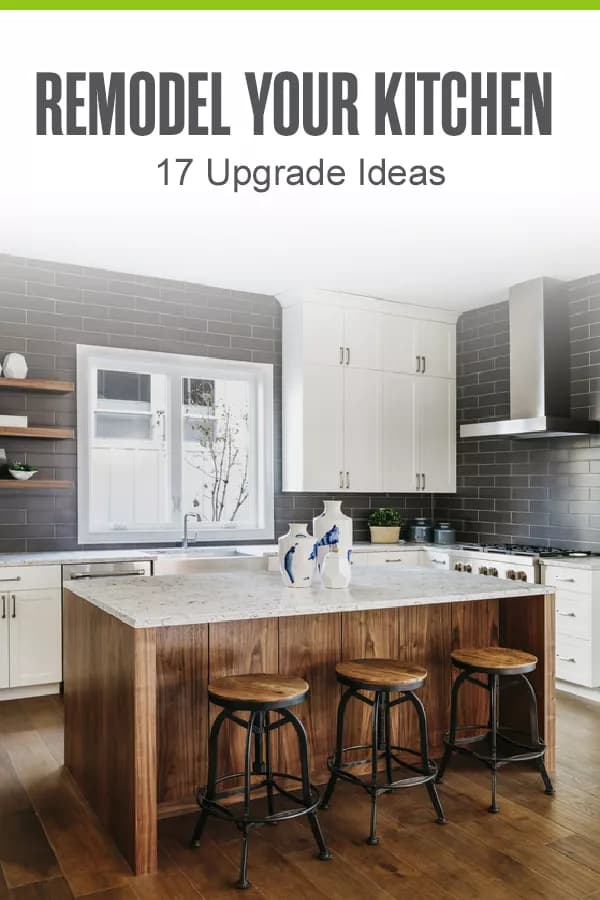
Credit: www.extraspace.com
Frequently Asked Questions
In What Order Should You Remodel A Kitchen?
Start by planning the layout and setting a budget. Demolish old structures, then update plumbing and electrical systems. Install cabinets and countertops next. Add flooring, then complete the process by painting and installing appliances.
What Is The 3×4 Kitchen Rule?
The 3×4 kitchen rule ensures an efficient kitchen layout. It suggests that the kitchen’s three main work areas—cooking, cleaning, and storage—should be within a four-foot distance of each other. This layout enhances workflow and maximizes space, promoting a functional and user-friendly kitchen environment.
Can I Remodel A Kitchen Myself?
Yes, you can remodel a kitchen yourself. Ensure you have the necessary skills, tools, and time. Plan thoroughly, prioritize safety, and consult tutorials or professionals when needed. DIY remodeling can save money but may require more effort and patience.
Can You Redo A Kitchen For $5000?
Yes, redoing a kitchen for $5,000 is possible with budget-friendly options. Focus on repainting cabinets, updating hardware, and choosing affordable appliances. Prioritize DIY tasks and shop for sales or discounts. Consider second-hand items for additional savings. Plan carefully to manage costs effectively.
Conclusion
Remodeling a kitchen can feel like a big task. But with careful planning, it becomes manageable. Start with a clear vision. Set a budget that fits your needs. Research materials that suit your style and durability. Consult professionals if needed, to ensure quality work.
Stay patient through the process. Every step brings you closer to your dream kitchen. Remember, each choice adds to the final look. Enjoy the journey and the result. A beautiful, functional kitchen is worth the effort. Your hard work will be rewarding.
A new kitchen awaits you!