How to Remove Insects from Kitchen: Proven Strategies
Executive Chef & Lead Commercial Kitchen Specialist at Daily Kitchup Test Lab
Is your kitchen feeling more like a bug hotel than a place to cook and enjoy meals? You’re not alone.
Many people find themselves battling tiny invaders, from ants marching across countertops to fruit flies swarming around the sink. These unwanted guests not only create an unsanitary environment but can also leave you feeling frustrated and overwhelmed. But don’t worry! You’ve clicked on the right article.
In the following sections, you’ll discover simple, effective steps to reclaim your kitchen from these pesky intruders, transforming it back into the clean, inviting space it should be. Imagine the peace of mind you’ll feel knowing your kitchen is free of insects, allowing you to focus on what really matters—creating delicious meals for your family and friends. Let’s dive into how you can make this a reality!
Credit: ca.style.yahoo.com
Identify Common Kitchen Insects
Identifying kitchen insects helps in targeting them effectively. Common culprits include ants, cockroaches, and fruit flies. Regular cleaning and sealing food containers keep these pests at bay.
Identifying common kitchen insects is the first step in keeping your kitchen clean. Different insects can invade your kitchen, each with their own habits. Knowing them helps in choosing the right method to remove them. Here are some common kitchen insects and how to identify them.Ants
Ants are small and often found in lines. They are usually looking for food. You might see them near sugar, crumbs, or other food residues. They come in different colors, like black or brown. Finding the ant trail can lead you to their nest.Cockroaches
Cockroaches are larger than ants and have a flat body. They love dark, damp places and come out at night. These insects can be brown or black. Look for them in cabinets or under the sink. They leave droppings that look like coffee grounds or pepper.Flies
Flies are easy to recognize with their buzzing sound. They are attracted to food, waste, and sweet smells. You might see them near fruit, garbage, or on windows. Flies can spread germs, so it’s important to keep them away.Pantry Pests
Pantry pests are often found in stored food. They include beetles, moths, and weevils. You may notice them in flour, cereal, or nuts. Look for webbing, holes, or larvae in food packaging. Sealing food in airtight containers can prevent these pests.Prevention Techniques
Keep the kitchen clean and dry to deter insects. Store food in sealed containers. Use natural repellents like vinegar or lemon.
Preventing insects from taking over your kitchen requires a proactive approach. By implementing a few simple yet effective prevention techniques, you can keep those pesky intruders at bay. Imagine enjoying a meal without the worry of unwanted guests buzzing around your food.Seal Food Containers
Ensuring your food is stored in airtight containers is crucial. Insects are experts at sniffing out open packages and can easily invade if given the chance. Opt for containers with tight-fitting lids and consider using glass or heavy-duty plastic for added protection. You’ll be amazed at the difference this small change can make.Maintain Clean Surfaces
A clean kitchen is a hostile environment for insects. Regularly wipe down countertops, tables, and other surfaces to remove crumbs and spills. Consider using a mild cleaning solution with a pleasant scent, which can also deter insects. Have you ever noticed how a clean kitchen just feels more inviting?Regularly Dispose Of Garbage
Garbage is a magnet for insects, so disposing of it regularly is essential. Use a trash can with a tight-fitting lid to keep odors contained. Empty it daily or whenever it’s full to prevent buildup. Your kitchen will not only be less attractive to insects but will also smell fresher.Natural Remedies
Natural remedies can help keep kitchen insects at bay. Use vinegar to clean surfaces and repel bugs. Place bay leaves in pantry corners to deter pests naturally.
Natural remedies have gained popularity as effective and eco-friendly ways to keep your kitchen free from pesky insects. Imagine walking into your kitchen, greeted not by unwelcome intruders, but by the soothing scent of essential oils or aromatic herbs. Embracing natural solutions not only helps maintain a chemical-free environment but also introduces a pleasant ambiance. Let’s delve into some simple yet powerful remedies that can transform your kitchen into a bug-free haven.Essential Oils
Essential oils are a remarkable tool for repelling insects. Their potent aromas act as a natural deterrent. Lavender, peppermint, and eucalyptus oils are particularly effective. Mix a few drops with water in a spray bottle and spritz around your kitchen. Did you know that ants despise peppermint? It’s true! If you’re dealing with an ant invasion, peppermint oil can be your best friend. Just a few drops can make a significant difference. Moreover, essential oils are safe for your family and pets, unlike harsh chemicals. Why not enjoy a fresh-smelling kitchen while keeping bugs at bay?Vinegar And Baking Soda
Vinegar and baking soda are not only for cleaning but also for insect repelling. Vinegar’s strong odor can deter insects like fruit flies and gnats. Mix equal parts of vinegar and water, and wipe down surfaces to keep them away. Have you ever battled a stubborn line of ants? Vinegar is your solution. Spray a mixture on their trail, and watch them scatter. Baking soda can be used as a natural barrier. Sprinkle it around entry points to prevent insects from coming in. It’s a simple, cost-effective method that works wonders.Herbs And Spices
Herbs and spices are not just for cooking; they can be a secret weapon against insects. Basil, rosemary, and bay leaves are excellent choices. Place them strategically in your kitchen to deter bugs. Think about mosquitoes during summer. Rosemary can be your ally. Its strong scent keeps them at a distance, letting you cook in peace. Spices like cinnamon and cloves can ward off ants and other pests. Scatter them in cupboards or around windowsills. This natural approach is both effective and aromatic, adding a touch of warmth to your kitchen atmosphere.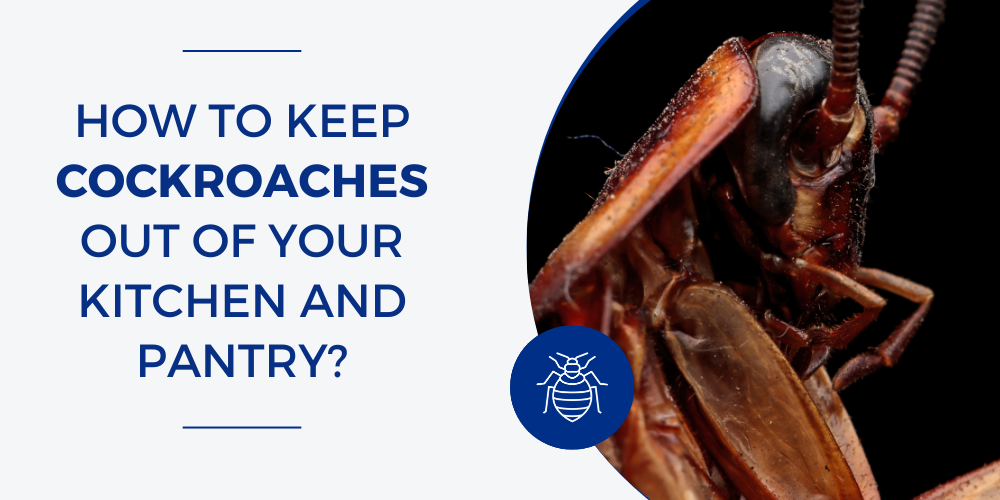
Credit: bugweedmart.com
Chemical Solutions
Chemical solutions offer a practical way to remove insects from the kitchen. Use sprays or traps that target common pests like ants and flies. Ensure safety by following label instructions and keeping products away from food.
Chemical solutions can effectively rid your kitchen of pesky insects. These methods are often quick and easy to use. They offer a practical approach to keeping your space bug-free.Insect Sprays
Insect sprays can target different types of bugs. Choose a spray designed for your specific insect problem. Read the label carefully before using. Spray areas where insects are known to appear. This includes corners and under appliances. Ensure proper ventilation during application. Keep children and pets away from treated areas.Baits And Traps
Baits and traps are handy for catching insects. They lure bugs with attractive scents. Place them near problem spots. These can include under sinks or behind the stove. Check traps regularly and replace them as needed. This helps maintain their effectiveness. Baits can be less intrusive than sprays.Powdered Insecticides
Powdered insecticides target bugs at the source. They can be sprinkled in problem areas. Focus on entry points like cracks and crevices. Use a light layer to cover surfaces. Ensure you follow safety instructions on the packaging. Keep powders away from food preparation areas. Always wash hands after handling.Professional Pest Control
Effective pest control in the kitchen begins with identifying problem areas. Regular cleaning and proper food storage deter insects. Seal cracks and use natural repellents like vinegar or essential oils to keep bugs away. Professional services can offer deeper solutions if infestations persist.
Dealing with insects in your kitchen can be a frustrating and overwhelming task. Sometimes, despite your best efforts, the pests just won’t budge. This is where professional pest control can save the day. Engaging experts ensures thorough elimination and helps prevent future infestations. But when is the right time to call in the cavalry? And how do you choose the right service without breaking the bank?When To Call Experts
Sometimes, a DIY approach just isn’t enough. If you notice recurring infestations despite using home remedies, it might be time to consult professionals. You should also consider expert help if you spot signs of a larger infestation, such as droppings or damaged food packaging. Professional pest control services have the tools and knowledge to get to the root of the problem. They can identify pest entry points and provide targeted treatments. This ensures a more permanent solution, saving you time and hassle.Choosing A Reliable Service
Selecting the right pest control company is crucial for effective results. Start by asking friends or family for recommendations. Reviews and testimonials online can also provide valuable insights. Look for licensed and certified professionals. A good service should offer a detailed plan and explain the process clearly. Don’t hesitate to ask questions about the chemicals they use and their safety measures. Your peace of mind should be a top priority.Costs And Considerations
Budgeting for pest control can be daunting, but it’s important to consider the long-term benefits. Compare quotes from multiple companies to ensure you’re getting a fair deal. Keep in mind that the cheapest option might not always be the best. Consider the value of effective and lasting results. Are you prepared to spend a little more now to avoid bigger problems later? Investing in professional help could save you from costly damage and stress in the future. By understanding when and how to seek professional pest control, you can reclaim your kitchen from unwanted invaders.
Credit: www.designcafe.com
Long-term Maintenance
Maintaining a clean kitchen is crucial for preventing insect infestations. Regularly wipe surfaces and store food in airtight containers. Dispose of waste promptly and keep trash bins sealed to deter pests.
Long-term maintenance is crucial for keeping your kitchen insect-free. It involves consistent practices to deter pests over time. By being proactive, you can maintain a hygienic and pest-free environment.Regular Inspections
Conduct regular inspections to identify potential pest problems early. Check under sinks, behind appliances, and in food storage areas. Look for signs of insect activity, like droppings or damaged packaging. Early detection helps prevent larger infestations.Seasonal Deep Cleaning
Perform a deep cleaning of your kitchen each season. Clean under and behind appliances where crumbs accumulate. Scrub countertops and cabinets, removing any food debris. A thorough clean discourages insects from settling in your kitchen.Monitoring For New Infestations
Regularly monitor for signs of new infestations. Keep an eye on common entry points like windows and doors. Use traps or sticky pads to catch any insects entering your space. Early monitoring ensures quick action against any new intruders.Frequently Asked Questions
How Do I Get Rid Of Bugs In My Kitchen?
Clean the kitchen regularly and store food in sealed containers. Fix leaks and dispose of garbage daily. Use natural repellents like peppermint oil. Set traps or use insecticides if necessary. Seal cracks and entry points to prevent bugs from entering.
How To Get Rid Of Tiny Kitchen Mites?
Clean surfaces and cupboards regularly to remove food debris. Store food in airtight containers. Use natural repellents like bay leaves or cloves. Dispose of infested items promptly. Maintain a dry environment to prevent mites from thriving.
How To Permanently Get Rid Of Pantry Bugs?
Clean your pantry thoroughly and discard infested items. Store food in airtight containers. Use bay leaves or cloves as natural repellents. Regularly inspect and clean shelves to prevent reinfestation. Consider using diatomaceous earth for persistent issues.
What Is A Natural Bug Killer For Kitchen?
Use diatomaceous earth as a natural bug killer in the kitchen. Sprinkle it in corners and crevices. It dehydrates insects, killing them effectively. Ensure it’s food-grade for safety. Keep your kitchen clean to prevent infestations. Regularly check and reapply for optimal results.
Conclusion
Keeping your kitchen insect-free is simple with the right steps. Clean regularly to remove food crumbs. Seal cracks to block insect entry. Use natural repellents like vinegar or essential oils. Store food in airtight containers. These practices help maintain a healthy kitchen.
Remember, a clean kitchen means fewer insects. Practice these habits daily. Your kitchen will remain a safe and pleasant place. Stay consistent with these methods. Enjoy a bug-free cooking space.

Similar Posts