
Is your kitchen cabinet door giving you trouble because of loose or damaged hinge holes? You’re not alone.
Many homeowners face this common problem, which can make your kitchen feel worn out and frustrating to use. But don’t worry—repairing those pesky hinge holes is easier than you might think. Imagine opening your cabinet door smoothly, without any annoying creaks or wobbles.
Sounds satisfying, right? In this guide, you’ll discover simple, effective methods to fix those hinge holes, saving you time and money. Whether you’re a DIY enthusiast or just someone who wants to maintain a functional kitchen, these tips are tailored for you. Keep reading to transform your kitchen cabinets from a source of irritation to a point of pride. Your smooth, well-functioning cabinets are just a few steps away!
Tools And Materials Needed
Repairing kitchen cabinet door hinge holes requires a few essential tools and materials. A drill, wood filler, and screws are key items. Sandpaper and a screwdriver complete the list, ensuring a smooth and secure fix.
To fix kitchen cabinet door hinge holes, you need the right tools. Without them, the task might feel impossible. Luckily, most tools are easy to find. You might already have some at home. Let’s dive into what you’ll need.Drill
A drill is essential. It helps in making new holes. Choose one that’s easy to handle. A cordless drill is best for flexibility.Screwdriver
A screwdriver is a must-have tool. It tightens and loosens screws. Opt for a Phillips head screwdriver. It’s the most common type for cabinet hinges.Wood Filler
Wood filler is crucial. It fills old holes. It provides a smooth surface. Choose a filler that matches your cabinet color.Sandpaper
Sandpaper smooths out filled areas. Use medium-grit sandpaper first. Then switch to fine-grit for a polished finish.Measuring Tape
Measuring tape ensures accuracy. It helps you measure hole distances. This prevents uneven hinge placement.Wood Glue
Wood glue can strengthen loose joints. It’s a backup if holes are too wide. Make sure it’s high-quality glue.New Hinges And Screws
Get new hinges if old ones are damaged. Ensure screws match the hinge size. This ensures a secure fit.Clamps
Clamps hold pieces together. They’re useful when glue is drying. They prevent movement and ensure a tight bond.Putty Knife
A putty knife helps apply wood filler. It smooths out the surface. Choose a flexible knife for best results.Level
A level ensures straight alignment. It’s vital for an even cabinet door. A small level works well in tight spaces. Using these tools and materials, your cabinet doors will function well. No more wobbling or uneven doors. Just smooth operation.
Credit: www.amazon.ie
Assessing The Damage
Kitchen cabinet doors endure daily wear, leading to loose hinges or worn-out holes. Assessing damage helps in planning repairs effectively. Identifying specific issues ensures a smooth repair process.
Identifying Loose Hinges
Loose hinges cause doors to sag or misalign. Check for gaps between the door and frame. Test hinge movement by gently wiggling the door. Listen for any creaks or unusual sounds. Tighten screws if they’re loose. Ensure the hinge is secure and stable.
Detecting Worn Out Holes
Worn-out holes can make screws ineffective. Examine the screw holes closely. Look for enlarged or stripped holes. Use a toothpick or skewer to test the hole’s snugness. If it slides in easily, the hole is worn out. Consider using wood filler to fix the issue.
Removing The Cabinet Door
Removing the Cabinet Door Unscrew the hinges carefully to avoid damage. This allows easy access to repair the kitchen cabinet door hinge holes.
Removing the cabinet door is the first step in repairing hinge holes. This process requires careful attention to detail. Ensuring a smooth removal will make the repair process easier. Taking the time to do this properly is crucial.Marking The Hinge Position
Before detaching the door, mark the hinge position. Use a pencil to outline the hinge on the cabinet. This will help align it correctly when reattaching. Ensure the markings are clear and precise. This step prevents misalignment later on.Safely Detaching The Door
Start by unscrewing the hinges from the cabinet. Use a screwdriver that fits the screws properly. Support the door with one hand to prevent it from falling. Once unscrewed, gently lift the door off. Place it on a flat surface to avoid damage. Keep all screws and hinges in a safe place. This ensures nothing gets lost during the repair.Repairing The Hinge Holes
Repairing kitchen cabinet door hinge holes involves filling them with wood filler or dowels. Sand the surface smoothly once dry. Reattach hinges securely for lasting durability.
Repairing kitchen cabinet door hinge holes can transform the look and functionality of your cabinetry. Whether you’re dealing with loose hinges or stripped screw holes, addressing this issue promptly is crucial. Not only does it enhance the durability of your cabinets, but it also prevents further damage. Ready to tackle those pesky hinge holes? Let’s dive into practical solutions that you can implement today.Filling The Holes
One of the quickest ways to repair hinge holes is by filling them. You can use simple household items like toothpicks or matchsticks. Simply insert them into the hole, breaking them off flush with the surface. This fills the gap, providing a solid base for screws. Have you tried this trick before? It’s surprisingly effective and budget-friendly.Using Wood Filler
Wood filler is another fantastic option for repairing hinge holes. Choose a high-quality wood filler that matches your cabinet’s color. Apply it generously into the hole using a putty knife. After it dries, sand the surface for a smooth finish. Wood filler not only strengthens the hole but also blends seamlessly with your cabinet. It’s like giving your kitchen a little facelift!Applying Wooden Dowels
For a more permanent solution, consider using wooden dowels. Find dowels that fit snugly into the hinge holes. Trim them to the required length and apply wood glue to secure them. Once the glue dries, drill new pilot holes for the screws. Dowels provide excellent support and ensure that your hinges stay in place. Have you ever considered this method? It might just be the long-term fix you need. Repairing hinge holes doesn’t have to be a daunting task. With the right materials and a bit of patience, you can restore your kitchen cabinets to their former glory. Which method will you try first?Re-drilling The Holes
Re-drilling the holes is essential to secure loose kitchen cabinet doors. Use a drill to create new, clean holes for the hinge screws. Ensure the new holes are evenly spaced and aligned with the cabinet frame for optimal support.
Re-drilling the Holes in your kitchen cabinet doors can be a straightforward task if you approach it with the right tools and techniques. Whether you’re fixing worn-out holes or adjusting the positioning of the hinges, mastering this skill can save you both time and money. Imagine the joy of seeing your cabinet doors swinging smoothly again, with hinges perfectly aligned. But before you start, understanding the nuances of measuring and choosing the right drill bit is essential.Measuring Correctly
Accuracy is key when re-drilling holes. Measure twice to ensure you’re placing the new holes exactly where you need them. Use a ruler or a measuring tape for precision. Consider marking the spots with a pencil, and perhaps even using a template if you’re dealing with multiple cabinets. Have you ever drilled a hole only to find out it’s in the wrong spot? This simple step can prevent that frustration.Choosing The Right Drill Bit
Selecting the appropriate drill bit is crucial for achieving clean, precise holes. Generally, you want a bit that matches the size of the hinge screws. A mismatched bit can result in wobbly hinges or damaged doors. If you’re unsure about the right size, check the screw specifications or consult the hinge manual. Remember, using a sharp, high-quality drill bit can make all the difference in your project’s outcome. Do you have a favorite drill brand or bit type that you swear by? It might be worth considering what has worked well for you in the past. With these insights, you’ll be well on your way to perfectly re-drilled cabinet doors. Enjoy the satisfaction of seeing those hinges fit snugly, transforming your kitchen into a space that’s both functional and visually appealing.Reattaching The Cabinet Door
Repairing kitchen cabinet door hinge holes involves filling the damaged area with wood filler. Let it dry completely. Once dry, sand the surface smooth, and then reattach the hinge using longer screws for better grip. This ensures a sturdy and lasting repair.
Reattaching the cabinet door can breathe new life into your kitchen, transforming it from a place of frustration to a well-functioning space. Whether it’s a minor adjustment or a full reattachment, getting those cabinet doors back in place can be a rewarding experience. Plus, it’s a perfect opportunity to ensure everything is aligned and secure, making your kitchen more efficient and visually appealing.Aligning The Hinges
Before you start, ensure the hinges are perfectly aligned with the hinge plates on the cabinet frame. This step is crucial for a smooth opening and closing motion. Use a level to check the alignment. If the door is slightly off, loosen the hinge screws just enough to adjust the door position. A small adjustment can prevent wear over time. Have you ever noticed that even a tiny misalignment can create a creaking sound? Prevent this by tightening the hinges once they’re aligned.Securing The Screws
Once the hinges are aligned, it’s time to secure the screws tightly. Use a screwdriver to fasten each screw, ensuring they are snug but not over-tightened, as this could strip the screw holes. It might be tempting to rely solely on an electric drill for speed, but a manual screwdriver allows for more control. Have you ever experienced the frustration of a stripped screw hole? Avoid this by applying steady pressure and checking for resistance. Regularly check for loose screws every few months to maintain a firm hold. This proactive approach can save you from future repairs. Is your kitchen a high-traffic area? Consider using longer screws for added stability, especially if the door gets a lot of use.Testing The Repair
Testing the repair of your kitchen cabinet door hinge holes is crucial to ensure the longevity and functionality of your cabinetry. Once you’ve tackled the repair, it’s time to verify that everything is in perfect working order. This step is not just about confirming your handiwork; it’s about making sure your kitchen remains a space where efficiency meets style. Let’s dive into how you can test the repair effectively.
Checking Door Alignment
Start by opening and closing the cabinet door. Observe if it swings smoothly without any awkward angles or resistance. A well-aligned door should close effortlessly and sit flush with the cabinet frame.
Use a level to check the alignment. Place it along the edge of the door to ensure it’s perfectly straight. If the bubble isn’t centered, you may need to adjust the hinges slightly.
Have you ever struggled with doors that just won’t shut properly? A misaligned door isn’t just annoying; it’s a sign that the hinges might need further tweaking. Make sure everything lines up before moving on.
Ensuring Stability
Push gently on the door to test its stability. A repaired hinge should hold firm under slight pressure without wobbling or shifting.
Feel for any loose movements. If you detect any instability, double-check your screws and the repair materials used. Tighten any loose screws to secure the hinge in place.
Sometimes, a simple pressure test reveals hidden flaws. It’s better to spot these issues now rather than facing a surprise later on. Stability is key to keeping your kitchen functioning smoothly.
Do these tests make you feel confident about your repair? They should! Testing ensures your kitchen remains a hassle-free haven. After all, who wants a wobbly cabinet door when reaching for a midnight snack?
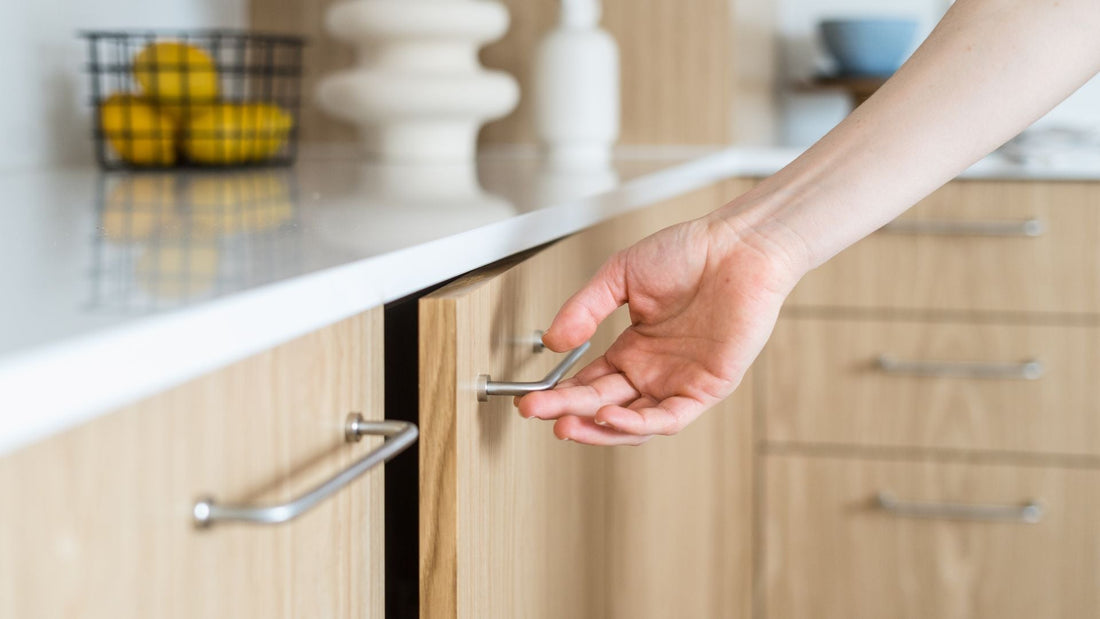
Credit: www.lovehandles.uk.com
Preventive Maintenance Tips
Repair kitchen cabinet door hinge holes with simple techniques. Fill the holes with wooden dowels and wood glue. Secure hinges tightly with screws for lasting results.
Preventive maintenance ensures your kitchen cabinets last longer. This approach saves time and money by reducing repairs. Follow these tips to keep your cabinet doors in top shape.Regular Inspection
Check your cabinet doors for loose hinges monthly. Look for gaps between the door and cabinet frame. These gaps can signal hinge issues. Tighten any loose screws to prevent further damage. Use a screwdriver for better control. This simple task maintains door alignment and function. Also, check for any signs of wear or damage. Early detection allows for quick fixes before problems worsen.Proper Use Of Cabinet Doors
Use cabinet doors gently to avoid hinge strain. Avoid slamming doors shut. This action can loosen screws and damage hinges. Ensure handles are clean and easy to grip. This prevents forceful pulling, which can stress hinges. Teach family members to use doors gently. Proper use extends the life of hinges and cabinet doors.
Credit: www.lovehandles.uk.com
Frequently Asked Questions
How To Repair A Cabinet Door Hinge Hole?
Fill the hole with wood filler or dowel. Let it dry completely. Sand it smooth. Drill a new pilot hole. Reattach the hinge using screws.
How To Repair Stripped Cabinet Hinge Screw Holes?
Fill stripped screw holes with wooden toothpicks or matchsticks coated in wood glue. Once dry, screw hinges back securely.
How To Repair Door Hinge Holes?
To repair door hinge holes, fill them with wood filler or dowels. Let it dry completely. Sand the surface smoothly. Reinstall the hinge screws into the repaired holes. Ensure the door aligns and swings properly. Regular maintenance prevents future issues.
How To Fill In Old Hinge Holes?
To fill old hinge holes, first clean the area. Use wood filler or dowels to fill the holes. Sand the surface smoothly once dried. Paint or stain to match the surrounding area for a seamless finish.
Conclusion
Repairing kitchen cabinet door hinge holes is simple with the right steps. Grab your tools and follow the guide. You’ll fix those holes in no time. Your cabinets will look neat and work smoothly again. Regular maintenance prevents future damage.
Check hinges often to ensure they’re tight. Now, you know how to tackle this common issue with ease. No need for expensive replacements. Just a bit of time and effort can restore your kitchen’s charm. Enjoy a functional kitchen with sturdy cabinets.
Your kitchen is ready to serve you well every day.