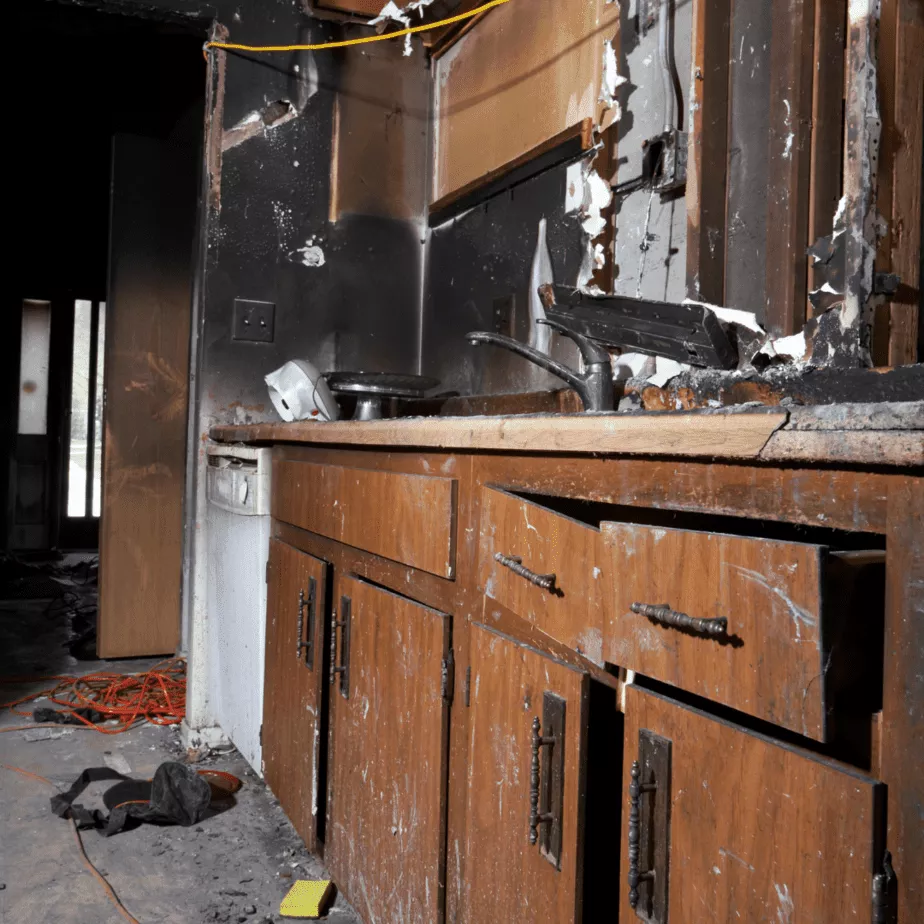
Water damage in your kitchen can feel like a disaster, especially when it affects your cabinets. You might find yourself staring at swollen wood, peeling paint, or unpleasant odors, wondering how to restore them to their former glory.
But don’t worry, you’re not alone. Many homeowners face this common problem, and the solution might be simpler than you think. Imagine turning your damaged cabinets back into beautiful, functional pieces that enhance your kitchen’s appeal. By following a few straightforward steps, you can repair the damage without the need for costly replacements.
This guide is designed to empower you with practical tips and insights, helping you tackle the issue head-on. You’re about to discover how to bring your kitchen cabinets back to life, saving you time and money while boosting your home’s value. Ready to transform your space and regain that sense of pride in your kitchen? Let’s dive into the process of repairing your water-damaged cabinets, step by step.
Identifying Water Damage
Spotting water damage on kitchen cabinets involves looking for signs like warping, discoloration, or a musty smell. Quick fixes include sanding warped areas and applying sealant to prevent future moisture problems.
Identifying water damage in kitchen cabinets is crucial. It helps maintain their appearance and functionality. Kitchen cabinets often face water exposure. This can lead to various issues. Knowing the signs can save time and money.Signs Of Water Damage
Water damage can be subtle or obvious. Look for the following signs: – Discoloration: Stains or color changes on cabinet surfaces. – Swelling: Cabinets may appear swollen or misshaped. – Peeling: Paint or finish may peel off. – Soft Spots: Surfaces might feel soft or spongy. – Mold or Mildew: A musty smell or visible mold. Spotting these signs early helps prevent further damage.Common Causes In Kitchens
Water damage in kitchen cabinets has several common causes. Understanding them aids prevention: – Leaking Pipes: A common issue under sinks. – Spills: Frequent spills near the sink or countertop. – Poor Ventilation: Excess moisture from cooking or dishwashing. – Faulty Appliances: Dishwashers or refrigerators can leak. – Roof Leaks: Water can seep into kitchen ceilings. Addressing these causes protects your cabinets. Regular inspections can help.
Credit: www.youtube.com
Tools And Materials Needed
Fixing water-damaged kitchen cabinets requires specific tools and materials. Essential items include a screwdriver, sandpaper, and wood filler. You’ll also need a sealant, paint, and a brush for finishing touches.
Repairing kitchen cabinets with water damage requires the right tools and materials. Using the correct equipment ensures a successful repair process. This section details the essential tools and recommended materials needed for the job.Essential Tools
- Screwdriver:Needed to remove cabinet doors and hardware.
- Hammer:Useful for gentle tapping and adjustments.
- Putty knife:Helps in applying filler smoothly.
- Sanding block:Essential for smoothing surfaces.
- Drill:Required for reattaching screws securely.
- Clamps:Hold parts together during drying.
- Measuring tape:Ensures accuracy in cuts and adjustments.
Recommended Materials
- Wood filler:Repairs cracks and fills gaps.
- Sandpaper:Smooths out rough patches.
- Primer:Prepares surfaces for painting.
- Waterproof sealant:Protects against future water damage.
- Paint or stain:Restores cabinet appearance.
- Replacement hardware:Replaces damaged hinges and knobs.
- Cleaning solution:Removes dirt and residue.
Prepping The Area
Prepare the workspace by removing items from cabinets. Ensure the area is clean and dry. Use protective sheets to safeguard nearby surfaces.
Prepping the area is the first crucial step in repairing kitchen cabinets that have suffered water damage. Ensuring a clean and organized workspace will make the entire repair process smoother and more efficient. By taking the time to properly prepare, you can significantly improve the quality and longevity of your repair work.Clearing And Cleaning The Cabinets
Begin by removing all items from the affected cabinets. This includes dishes, pots, pans, and any other stored items. Emptying the cabinets allows you to thoroughly inspect the damage and identify all areas that need attention. Next, clean the interior and exterior surfaces of the cabinets. Use a gentle cleaning solution of warm water and mild dish soap. Wipe down the surfaces with a soft cloth to remove any grime or residue that may have accumulated. Consider using a vacuum to remove any loose debris or dust. This ensures a clean surface for repair materials to adhere to effectively. A clean cabinet is not just about aesthetics; it also helps in accurately assessing the extent of the water damage.Ensuring A Dry Workspace
Make sure the workspace is completely dry before starting any repair work. Moisture can hinder the repair process and lead to further damage down the line. You can use a fan or dehumidifier to speed up the drying process. Check for any hidden moisture by using a moisture meter. This tool can help identify areas that may still be damp, even if they feel dry to the touch. Addressing hidden moisture is crucial to prevent future mold growth or wood warping. Finally, ensure good ventilation in the kitchen. Open windows or doors to allow airflow, which helps keep the area dry and reduces the risk of lingering moisture. A dry environment is key to a successful repair, allowing you to proceed with confidence. By taking these steps, you’re not just preparing the area; you’re setting the stage for a successful cabinet repair. What strategies do you use to ensure your workspace is clean and dry?
Credit: www.facebook.com
Repairing Cabinet Surfaces
Repairing kitchen cabinets with water damage involves identifying affected areas and removing damaged materials. Sand and refinish the cabinet surface to restore its appearance and functionality. Applying a protective sealant can help prevent future water damage.
Repairing cabinet surfaces affected by water damage can breathe new life into your kitchen. Whether you’re facing minor blemishes or significant damage, there’s a variety of techniques you can use to restore beauty and functionality. This task might seem daunting, but with the right approach and tools, you can transform your kitchen cabinets from worn-out to wonderful.Filling Cracks And Holes
Cracks and holes on cabinet surfaces are common signs of water damage. Begin by cleaning the affected area thoroughly to remove dirt and debris. This ensures a smooth finish when filling the cracks. You can use wood filler to mend these imperfections. Apply the filler generously, ensuring you cover all the damage. Once the filler dries, sand the surface with fine-grit sandpaper to achieve a smooth, even finish. Have you ever noticed how a small crack can make an entire cabinet look tired? Filling these cracks not only improves aesthetics but also prevents further deterioration.Refinishing Techniques
After repairing the surface, refinishing cabinets can enhance their appearance and durability. Consider using a high-quality primer to prepare the surface. This step is crucial as it helps the paint adhere better, providing a more durable finish. Choose a paint or stain that complements your kitchen’s style. Do you prefer a glossy look or a matte finish? Applying a sealant can protect the surface from future water damage, making your efforts last longer. Painting or staining should be done in thin layers, allowing each layer to dry before applying the next. This technique ensures a professional look and prolongs the life of your cabinets. Repairing cabinet surfaces might sound like a weekend chore, but the satisfaction of seeing your kitchen restored is worth the effort. With patience and attention to detail, you’ll be amazed at the transformation. Are you ready to tackle those cabinets and give your kitchen the facelift it deserves?Fixing Structural Damage
Repairing kitchen cabinets with water damage involves drying the affected areas thoroughly. Use sandpaper to remove damaged surfaces and apply a wood filler to restore them. Finish by repainting or sealing to prevent future damage.
Fixing water-damaged kitchen cabinets can feel daunting, especially when structural integrity is compromised. But with patience and the right approach, you can restore your cabinets to their former glory. Let’s dive into practical ways to fix structural damage, ensuring your kitchen remains both functional and beautiful.Reinforcing Weak Spots
Begin by identifying areas where the wood has weakened. You can gently press on different parts of the cabinet to feel for soft spots. Once located, these areas need reinforcement to prevent further deterioration. Use wood glue to fill minor cracks and gaps. Apply a generous amount, ensuring it penetrates deeply. Clamp the area securely and allow it to dry for at least 24 hours. For more significant weaknesses, consider using metal braces or corner brackets. These can provide the necessary support to prevent sagging or collapsing. Install them on the inside of the cabinet where they’re less visible but most effective.Replacing Damaged Parts
Sometimes, parts of the cabinet may be beyond repair and require replacement. Measure the damaged section accurately and source a similar material for consistency in appearance. Carefully remove the damaged part using a screwdriver or a pry bar. Ensure you do not damage the surrounding areas during this process. Attach the new piece using wood glue and nails. Ensure it’s securely in place, aligning perfectly with the existing structure. Sand down any uneven edges to ensure a seamless finish. By addressing these structural issues, you’re not just fixing your cabinets, you’re extending their life. Have you ever considered how satisfying it is to solve a problem yourself? Embrace the challenge and enjoy the rewards of your hard work in a refreshed, sturdy kitchen space.
Credit: www.youtube.com
Waterproofing Cabinets
Repairing kitchen cabinets with water damage begins with identifying the affected areas. Remove damaged parts and dry the cabinet thoroughly. Apply a waterproof sealant to prevent future damage and restore the cabinet’s appearance.
Waterproofing your kitchen cabinets is essential to prevent future water damage. This process can extend the lifespan of your cabinets and maintain their appearance. Understanding how to apply effective waterproofing methods is crucial. Here are some ways to keep your cabinets safe from water.Applying Sealants
Sealants provide a strong barrier against moisture. They fill gaps and cracks where water can seep in. Choose a water-resistant sealant for kitchen cabinets. Silicone-based sealants are popular for their durability. Apply the sealant evenly along seams and edges. Ensure all exposed areas are covered to prevent leaks.Protective Coatings And Paints
Protective coatings enhance the water resistance of your cabinets. Use specialized waterproof paints designed for kitchen surfaces. These paints form a protective layer that repels moisture. Apply a primer first to ensure paint adhesion. Several coats may be required for full protection. Allow each layer to dry completely before adding the next.Preventing Future Damage
Proper sealing and ventilation prevent water damage in kitchen cabinets. Regularly inspect for leaks and promptly fix any issues. Use water-resistant materials for lasting protection.
Water damage in kitchen cabinets can be a homeowner’s nightmare. Once you’ve repaired your cabinets, the key to a lasting solution is preventing future damage. Let’s explore how you can protect your cabinets from water damage with practical and straightforward strategies.Regular Maintenance Tips
Regular maintenance is your first line of defense against water damage. Check your cabinets for signs of wear and tear monthly. Look for any loose hinges, peeling paint, or swollen wood. Keep cabinet surfaces clean and dry. Wipe up any spills immediately to prevent moisture from seeping into the wood. Consider using a mild detergent and a soft cloth for cleaning. Inspect the areas around your sink and dishwasher for leaks. Even the smallest drip can lead to significant problems over time. Address any plumbing issues promptly to avoid unnecessary damage.Effective Water Management In Kitchens
Managing water effectively in your kitchen is crucial to safeguarding your cabinets. Install splash guards around sinks to prevent water from splashing onto cabinet surfaces. Ensure that your kitchen is well-ventilated. Use exhaust fans to reduce humidity levels, especially after cooking or using the dishwasher. This simple step can significantly decrease the risk of moisture buildup. Consider using waterproof mats or liners inside your cabinets. These can act as a barrier against any accidental leaks, protecting the cabinet floor from water exposure. Are you prepared to take these steps to prevent future damage? Implementing these tips can save you from costly repairs and extend the life of your kitchen cabinets.Frequently Asked Questions
Can Water Damaged Cabinets Be Repaired?
Yes, water damaged cabinets can often be repaired. Assess the damage first. Replace warped or swollen wood. Sand and refinish surfaces for minor damage. Use wood fillers for small cracks or holes. Consider professional help for severe damage. Prevention includes using sealants and fixing leaks promptly.
What To Do If Water Gets Under Kitchen Cabinets?
Dry the area immediately using towels or a wet/dry vacuum. Remove cabinet baseboards to allow airflow. Use fans or dehumidifiers to expedite drying. Inspect for damage and mold. Repair or replace affected areas if needed. Regularly check for leaks to prevent future issues.
Can Water Swollen Mdf Be Repaired?
Yes, you can repair water-swollen MDF, but results vary. Sand the swollen area and apply wood filler. Seal with a waterproof primer and paint to prevent future damage. Always ensure MDF stays dry to avoid swelling.
Can Wood With Water Damage Be Repaired?
Yes, wood with water damage can often be repaired. Start by drying the wood thoroughly. Use sandpaper to remove damaged areas. Apply wood filler for deep cracks. Seal and finish to restore its appearance. Always ensure the source of water damage is fixed to prevent future issues.
Conclusion
Repairing water-damaged kitchen cabinets can seem challenging. But it’s doable with patience. Start by assessing the damage carefully. Remove all affected parts and let them dry. Use sealants or wood fillers for small cracks. Replace severely damaged panels. Refinish the cabinet with a waterproof coating.
Regular maintenance prevents future issues. Always keep your kitchen well-ventilated to avoid moisture buildup. Regular checks can help you spot early signs of damage. By following these steps, your cabinets will look and function better. Enjoy a refreshed kitchen space!