How to Sharpen a Kitchen Knife With a Rod: Expert Tips
Executive Chef & Lead Commercial Kitchen Specialist at Daily Kitchup Test Lab
Are you tired of using dull kitchen knives that make meal prep a chore? Imagine slicing through a ripe tomato effortlessly or dicing onions without tears.
Sharpening your kitchen knife with a rod can transform your cooking experience, making it not only easier but also more enjoyable. You don’t need to be a professional chef to master this essential skill. With just a few simple steps, you can bring your blades back to life and ensure precision in every cut.
Curious about how to achieve razor-sharp results right in your kitchen? Stick with us, and you’ll discover the secrets to sharpening your knife like a pro, enhancing both your cooking and your confidence.

Credit: www.insight-kitchenknife.com
Choosing The Right Sharpening Rod
Sharpening a kitchen knife with a rod can enhance your cooking experience. The right sharpening rod is crucial for maintaining your knife’s edge. It ensures precision and effectiveness. Selecting the perfect rod involves understanding different types and materials. This guide will help you make an informed decision.
Types Of Rods
Sharpening rods come in various types, each serving distinct purposes. Ceramic rods are gentle and ideal for regular maintenance. They remove minimal metal, preserving your knife’s longevity. Diamond rods are more aggressive, perfect for restoring dull blades quickly. They are efficient but require careful use to avoid over-sharpening. Steel rods are common, offering a balance between maintenance and sharpening. They are durable and can handle frequent use.
Material Considerations
The material of your sharpening rod affects its performance and durability. Ceramic rods offer fine grit, suitable for honing edges without damaging them. Diamond rods feature coarse surfaces, ideal for rapid sharpening. They last longer but are pricier. Steel rods provide a traditional option, combining durability with effective sharpening. Choose materials that align with your knife type and sharpening needs.
Credit: worksharptools.com
Preparing Your Knife And Workspace
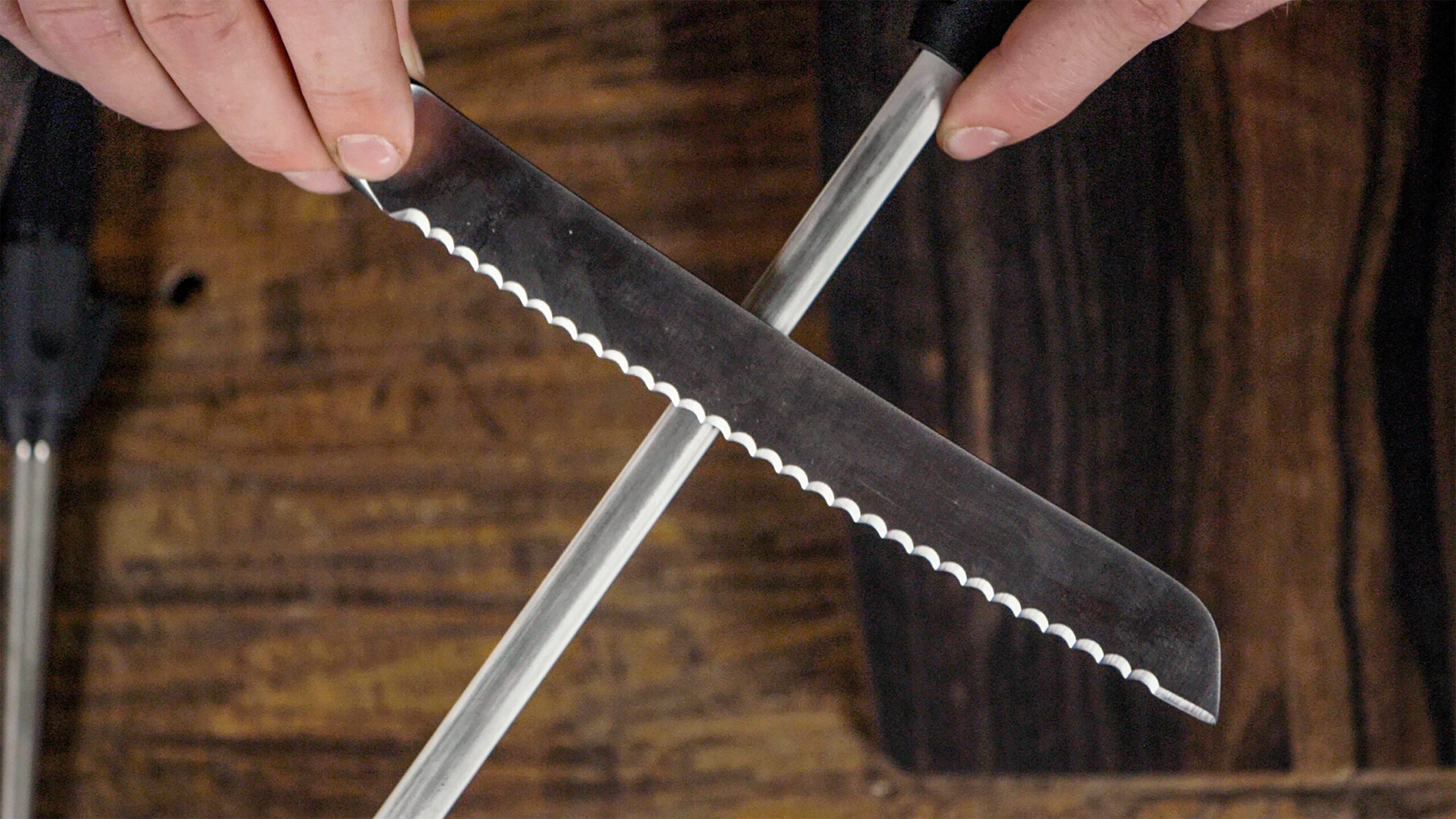
Ensure your workspace is clean and well-lit. Hold the rod vertically on a stable surface. Grip the knife firmly and position it at a 20-degree angle.
Preparing your knife and workspace is crucial for effective sharpening. A well-organized space ensures safety and efficiency. Taking time to prepare sets the stage for a successful sharpening session. Let’s explore the key steps to get ready.Safety Precautions
Prioritize safety when sharpening your knife. Make sure your workspace is clean and dry. Use a cutting board or non-slip mat to prevent accidents. Wear cut-resistant gloves for added protection. Keep the sharpening rod away from children and pets. Ensure good lighting for clear visibility.Cleaning The Knife
A clean knife is easier to sharpen. Wash your knife with warm, soapy water. Rinse thoroughly to remove any soap residue. Dry the knife completely with a clean towel. Check for any food particles or debris on the blade. A clean blade ensures a smooth sharpening process.Proper Sharpening Technique
Sharpening your kitchen knife with a rod can seem daunting at first, but mastering the proper technique is crucial for achieving a sharp and efficient blade. This skill not only enhances your cooking but also ensures safety in the kitchen. Let’s break down the steps to perfect your knife sharpening technique and explore how you can transform your dull blade into a precision tool.
Setting The Angle
Establishing the right angle is the cornerstone of effective sharpening. Most kitchen knives require an angle between 15 to 20 degrees. Imagine this angle as the sweet spot for your blade’s edge, where it will cut effortlessly without dulling quickly.
Begin by holding the knife at the desired angle against the rod. You might find it helpful to visualize a clock face, aiming for roughly the 1 o’clock position. If you’re unsure, practice with a protractor to get a feel for the angle.
Maintaining Consistency
Consistency is key when sharpening your knife. Keep a steady hand and maintain the angle as you move the blade along the rod. This ensures even sharpening across the entire edge.
Use smooth, controlled motions, drawing the knife from the heel to the tip. It’s easy to rush, but remember, patience pays off in achieving a uniform edge. Consistent sharpening will give you a blade that slices through vegetables like butter.
Ever found yourself frustrated with uneven cuts? Maintaining consistency will keep those frustrations at bay, giving you confidence in every slice. Are you ready to experience the difference a well-sharpened knife can make?
Checking Sharpness
Hold the knife at a 20-degree angle against the rod. Slide the blade from heel to tip gently. Repeat on both sides for even sharpening.
Sharpening a kitchen knife with a rod improves cutting efficiency. Once sharpened, it’s essential to check the sharpness. This ensures the blade performs well during food preparation. Testing the sharpness helps maintain safety in the kitchen.Testing Methods
There are simple ways to test knife sharpness. One popular method is the paper test. Hold a sheet of paper upright. Gently slice through it using the knife. A sharp knife will cut smoothly without tearing. Another method involves slicing a tomato or onion. A sharp knife should cut through easily, without squashing the fruit.Signs Of A Sharp Knife
A sharp knife shows specific signs. It slices effortlessly through tough vegetables. The blade feels smooth when cutting meat. You should hear a clean sound during slicing. Also, a sharp knife requires less force to cut. If these signs are evident, your knife is sharp and ready to use.Maintaining Your Knife
Sharpen your kitchen knife with a rod by holding the rod vertically. Slide the blade down at a 20-degree angle. Repeat on both sides for a razor-sharp edge. Regular sharpening keeps your knife efficient and safe.
Keeping your kitchen knife in peak condition is essential for both safety and efficiency in the kitchen. A sharp knife not only makes your cooking tasks easier but also more enjoyable. But maintaining that sharp edge requires more than just the occasional sharpening. Let’s dive into some practical tips to help you maintain your kitchen knife effectively.Storage Tips
Proper storage of your knife can significantly extend its lifespan. Avoid tossing it into a drawer with other utensils, which can lead to chips and dullness. Instead, use a knife block or magnetic strip to keep it secure and easily accessible. If you prefer keeping it in a drawer, invest in a knife guard to protect the blade.Regular Maintenance
Make it a habit to regularly hone your knife with a rod. Unlike sharpening, honing realigns the blade, maintaining its sharpness. Aim to hone your knife every few uses to keep it performing at its best. Clean your knife immediately after use, drying it thoroughly to prevent rust. Avoid dishwashers, as the harsh environment can damage the blade. Hand washing is quick and ensures your knife stays in good condition. By following these simple tips, your kitchen knife can remain a reliable tool, ready to tackle any culinary challenge you throw its way. What other tips have you found helpful in maintaining your kitchen tools? Share your thoughts and let’s keep our kitchens running smoothly!Common Mistakes To Avoid
Avoid pressing too hard on the knife; it can damage the edge. Keep the angle consistent for sharpness. Ensure the rod is clean to prevent residue from dulling the blade.
Sharpening a kitchen knife with a rod is essential. It keeps your blades efficient and safe. But many make common mistakes during this process. Avoiding these errors ensures your knives perform at their best. Here are some pitfalls to watch for.Applying Too Much Pressure
Many people press too hard while sharpening. This can harm the knife. Applying too much force can wear down the blade. It may also create uneven edges. Light, consistent strokes work best. Let the rod do the job. The weight of the knife is often enough. Remember, patience is key.Ignoring The Knife’s Edge
Paying attention to the blade’s angle is crucial. Each knife has a specific edge angle. Ignoring it can dull the knife faster. Keep the angle consistent while sharpening. Use a guide if needed. This preserves the knife’s sharpness longer. Stay aware of the blade’s design. Different knives require different handling.
Credit: www.familyhandyman.com
Frequently Asked Questions
Can You Sharpen A Knife With A Rod?
Yes, you can sharpen a knife with a rod. A honing rod realigns the blade’s edge. Use gentle, consistent strokes. It’s best for maintenance, not for completely dull knives. Regular use keeps your knife sharp longer.
What Is The Best Way To Sharpen A Kitchen Knife?
Use a whetstone for sharpening kitchen knives. First, soak the stone in water. Hold the knife at a 15-degree angle. Slide it across the stone evenly. Repeat on both sides. Finish with a honing steel for maintenance. This method ensures sharpness and prolongs the knife’s lifespan.
What Is A Common Mistake When Sharpening A Knife?
A common mistake is using the wrong angle. Incorrect angles lead to uneven edges and poor sharpness. Always maintain a consistent angle while sharpening. Avoid pressing too hard on the blade; gentle pressure ensures better results. Use the right sharpening tool for your knife type to prevent damage.
Is It Better To Push Or Pull When Sharpening A Knife?
Pulling the knife is generally better for sharpening. It provides more control and reduces the risk of injury. Ensure consistent pressure for effective results and maintain a steady angle. This technique enhances sharpness and prolongs the knife’s lifespan.
Conclusion
Sharpening a kitchen knife with a rod is easy. Follow simple steps for a sharp edge. Start with a clean rod. Hold the knife at the right angle. Slide it smoothly along the rod. Repeat for a sharp blade. Practice makes it better.
A sharp knife cuts effortlessly. Cooking becomes enjoyable and safe. Regular maintenance keeps knives in top shape. No need for expensive tools. Use your sharpening rod regularly. Enjoy cooking with ease. Keep your knives sharp and ready. Your kitchen tasks become quick and efficient.
Sharpened knives make cooking fun. Enjoy the process.

Similar Posts