How to Turn off Water under Kitchen Sink: Quick Guide
Imagine you’re about to start cooking a delicious meal, and suddenly, you notice a puddle forming under your kitchen sink. Panic sets in, right?
But don’t worry; we’ve got you covered. Knowing how to turn off the water under your kitchen sink is a vital skill that can save you from potential water damage and costly repairs. It’s simpler than you think and can give you peace of mind during those unexpected plumbing hiccups.
In this guide, we’ll walk you through the quick and easy steps to shut off the water supply, empowering you to tackle minor plumbing issues like a pro. Stick with us, and you’ll be ready to handle any kitchen sink crisis with confidence.
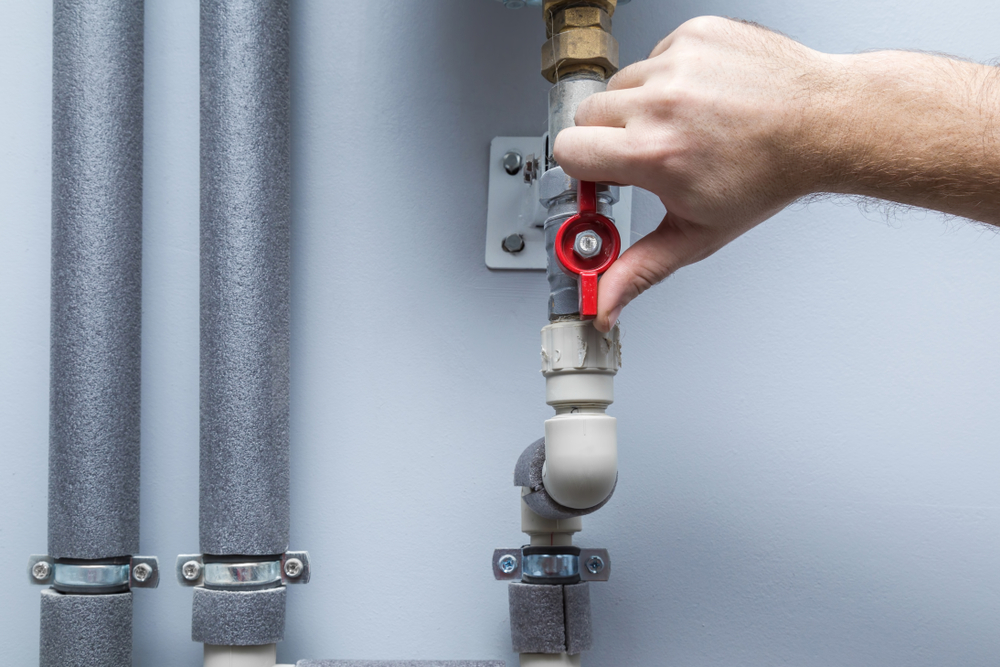
Credit: www.lanesdrainageservices.co.uk
Gather Necessary Tools
Turning off the water under your kitchen sink is straightforward. Yet, having the right tools makes the task easier. You won’t waste time searching for items. Instead, you can complete the job quickly. Let’s look at what you need to gather.
Check The Type Of Shut-off Valve
Identify the type of shut-off valve you have. Common types include gate valves and ball valves. Knowing this helps you pick the right tools.
Gather Basic Tools
Keep essential tools handy. A flashlight helps you see clearly under the sink. A wrench is useful for turning stubborn valves. You might also need pliers for extra grip.
Use A Bucket For Water Collection
Place a bucket under the pipes. This catches any water that might spill. It keeps your area dry and clean.
Prepare Towels Or Rags
Have towels or rags nearby. They help wipe up any spills. They also protect your cabinet from water damage.
Consider Using A Pipe Wrench
If the valve is stuck, a pipe wrench can help. It provides leverage for tough turns. Ensure it fits the valve to avoid damage.
Verify Your Tools
Double-check that you have everything. This avoids unnecessary trips and delays. Being prepared keeps the process smooth and efficient.
Locate The Shut-off Valve
Locate the Shut-off Valve Find the shut-off valve under the sink to stop water flow quickly. Usually, it’s on the wall or cabinet. Turn it clockwise to close and stop water.
Locating the shut-off valve under your kitchen sink might seem like a small task, but it can prevent significant water damage in your home. Knowing how to quickly find and turn off this valve is essential, especially in emergencies. Whether you’re dealing with a leak or planning some plumbing work, locating the shut-off valve is your first step. Have you ever wondered why plumbers always know exactly where to look?Find The Shut-off Valve
When you’re peering under your kitchen sink, the shut-off valve is usually your best friend during a plumbing emergency. It’s typically located at the back of the cabinet, right where the water supply pipes rise from the floor or wall. Not all shut-off valves are created equal. You might find a lever-style valve that you can easily turn or a wheel-shaped valve requiring a bit more effort. Knowing what kind you have can save time and frustration.Visual Clues
Look for pipes leading to your faucet—these are your guiding clues. The valve is often attached to these pipes. It’s usually a small knob or lever, waiting to be turned off when needed.Color Coding Or Labels
Some homes have a color-coded system or labels to help identify the hot and cold water valves. Check if yours has any indication to distinguish them.Common Locations
While the valve is typically under the sink, in some cases it might be located in a nearby utility room or basement. If you can’t find it immediately, consider checking these alternative spots.Check Accessibility
Before an emergency strikes, ensure your shut-off valve is easily accessible. Over time, items can pile up under the sink, obstructing the valve. Keeping it clear can make all the difference when you need to act fast. Finding the shut-off valve is not just about avoiding disaster; it’s about taking control of your space. Have you checked yours recently?Types Of Shut-off Valves
Turning off water under the kitchen sink involves different types of shut-off valves. Common options include the compression valve, ball valve, and gate valve. Each offers a specific method to stop water flow quickly and efficiently.
Turning off the water under your kitchen sink might seem daunting at first, but understanding the types of shut-off valves can make the task straightforward and efficient. These valves are crucial components that control the water flow, and knowing how to operate them can save you from potential water damage or costly repairs. Let’s dive into the common types you might find under your sink.Compression Valves
Compression valves are quite popular in many homes due to their simplicity and effectiveness. They have a straightforward design with a stem that you twist to open or close the water flow. You might remember the first time you had a leaky faucet and were unsure which valve to turn. With compression valves, the key is to twist them clockwise to shut off the water. They often require a bit of force, so don’t hesitate to give them a firm turn. Next time you’re under the sink, check if the valve stem looks like a small wheel or knob – that’s your compression valve.Ball Valves
Ball valves are known for their durability and ease of use. They feature a lever handle that you can turn 90 degrees to control the water flow. Imagine you’re in a hurry to fix a plumbing issue – ball valves can be your best friend. Their lever handle is intuitive, and a simple quarter turn is all you need to either stop or start the water flow. These valves offer a clear visual cue: parallel to the pipe means water flows; perpendicular means it’s shut off. It’s as simple as flipping a light switch.Gate Valves
Gate valves are a bit more old-fashioned but still reliable. They work by lifting or lowering a gate to block the water flow. Think of them like a sliding door; you twist the wheel to open or close the gate inside. These valves are excellent for controlling water flow but aren’t ideal for frequent use due to potential wear and tear. If your kitchen sink has a gate valve, ensure you turn it gently to avoid damaging the internal components. Understanding these types of shut-off valves empowers you to tackle plumbing issues with confidence. Have you ever had a moment when turning off the water felt like a puzzle? By familiarizing yourself with these valves, you’ll transform that puzzle into a straightforward task, ready for any plumbing challenge that comes your way.Turn Off The Water Supply
Locate the shut-off valves beneath the kitchen sink, typically found on the wall or inside the cabinet. Rotate the valve handles clockwise to stop the water flow.
Turning off the water supply under your kitchen sink may seem like a daunting task, but it’s actually quite simple. Knowing how to do this can save you from potential water damage during a plumbing emergency or when replacing a faucet. This practical knowledge empowers you to manage minor plumbing issues without the immediate need for professional help.Clockwise Rotation
To turn off the water supply, you’ll need to locate the shut-off valves under your sink. These are typically small, round knobs attached to the pipes. Once you’ve found them, rotate each valve clockwise. This tightens the valve, effectively stopping the water flow. It’s essential to ensure the valves are completely turned off to prevent any trickle of water. If you notice resistance, don’t force it; instead, gently but firmly continue turning until it stops.Check For Leaks
After turning off the water supply, it’s crucial to check for leaks. Run the faucet to see if water continues to flow. A few drips might occur initially, but a steady stream indicates the valve isn’t fully closed. Inspect the area around the pipes for any signs of moisture. If you notice wetness, it might mean the valve needs tightening or there’s an underlying issue with the plumbing. Addressing leaks promptly can save you from future headaches and costly repairs. Have you ever faced a plumbing issue that caught you off guard? Being prepared and knowing how to control the situation can make all the difference.Tips For Stubborn Valves
Struggling with a stubborn kitchen sink valve? Gently turn the valve handle clockwise to stop water flow. Use a wrench for extra grip if needed.
Turning off the water under the kitchen sink seems easy. But sometimes, stubborn valves make it a challenge. Old or infrequently used valves can stick or become hard to turn. This can lead to frustration. Don’t worry; there are simple tricks to deal with these stubborn valves. Here are some effective tips to help you.Use A Wrench
A wrench provides extra leverage. It helps in turning a stuck valve. Wrap a cloth around the valve. This protects it from scratches. Place the wrench over the cloth. Gently turn the wrench counterclockwise. Be patient and apply steady pressure. Avoid using excessive force. This might damage the valve.Apply Lubricant
Lubricant can loosen a sticky valve. It helps in smooth turning. Use a penetrating oil spray. Spray a small amount on the valve stem. Let it sit for a few minutes. This allows the oil to penetrate the valve. Try turning the valve again. The lubricant should ease its movement. Remember to clean any excess oil. This prevents slippery surfaces.Inspect For Repairs
Turn off the kitchen sink water by locating the shut-off valve under the sink. Rotate the valve clockwise to close it. Ensure water flow stops completely before proceeding with repairs.
Inspecting your kitchen sink’s plumbing for repairs can save you from future headaches. You might have successfully turned off the water, but what if the valve looks rusty or leaks slightly? A quick inspection can reveal issues that might seem minor now but could lead to bigger problems later. By keeping an eye out for necessary repairs, you ensure your kitchen stays in top shape. Let’s dive into what you should be looking for.Evaluate Valve Condition
Start by taking a close look at the shut-off valve. Is it easy to turn, or do you struggle with it? A valve that requires excessive force might be on its last legs. Check for any signs of corrosion. Rust or mineral buildup can indicate that the valve is not sealing properly. If you notice water dripping, it’s a clear sign that the valve might need replacing. Leaks can cause water damage over time, leading to costly repairs.Seek Professional Help
Sometimes, the issues you find might be beyond a simple DIY fix. When should you call in the experts? If you’ve spotted significant damage or if the valve is stuck, it’s time to bring in a professional. A plumber can assess and repair the problem efficiently. They have the tools and expertise to ensure everything is in working order. Remember, attempting complex repairs yourself can sometimes lead to further damage. Don’t hesitate to seek help if you’re unsure. Have you ever had a plumbing issue you regretted not addressing sooner? Taking action now can save you from that same regret.Regular Maintenance Advice
Regular maintenance of kitchen sink valves keeps your plumbing in good shape. It prevents leaks and ensures a smooth water flow. Simple checks and replacements can save you from costly repairs.
Check Valves Periodically
Inspect your kitchen sink valves every few months. Look for signs of wear or rust. A faulty valve may leak or not shut off properly. By checking valves regularly, you can catch issues early. This avoids sudden water leaks and damage.
Replace Old Valves
Old valves can fail and cause leaks. If a valve is hard to turn, it may need replacing. Use a wrench to remove the old valve. Install a new valve carefully. Ensure it fits well and is secure. A new valve helps maintain water flow and safety.

Credit: www.reddit.com

Credit: www.reddit.com
Frequently Asked Questions
How Do I Turn Off My Kitchen Tap Water Supply?
Locate the shut-off valve under your kitchen sink. Turn the valve clockwise to stop the water supply. Ensure it’s fully closed to prevent drips. If you can’t find it, check near the main water line entering your home. This method helps in controlling the tap’s water flow effectively.
What Are The Three Shut-off Valves Under A Kitchen Sink?
A kitchen sink typically has three shut-off valves: hot water, cold water, and dishwasher supply. These valves control water flow, allowing maintenance or repairs without shutting off the main water supply. Ensure each valve is accessible for quick adjustments and emergency shut-offs.
Do Kitchen Sinks Have Shut-off Valves?
Yes, kitchen sinks typically have shut-off valves. These valves control water flow to the sink. They are usually located under the sink. Shut-off valves are essential for maintenance and emergency situations. Regularly check them for proper functionality to avoid potential water damage.
Why Can’t I Find My Water Shut Off Valve?
Check near the water meter, basement, or crawl space. Behind access panels or under sinks are common locations. Older homes might have hidden valves. Use a flashlight to spot hard-to-see areas. Consult your home’s blueprint or hire a plumber for assistance if needed.
Conclusion
Turning off the water under your kitchen sink is simple. Follow these steps carefully. First, locate the valves. Usually found behind the pipes. Turn them clockwise. This stops the water flow. Always check for leaks afterward. A quick inspection helps.
Proper maintenance saves you trouble later. These steps ensure a smooth experience. Feel confident handling minor plumbing tasks. Keep this guide handy for future reference. You’ll find it useful. Regular checks prevent bigger issues. Stay proactive with your home maintenance.
It’s easy once you know how. Practice makes perfect. Keep learning and improving your skills.