How to Unblock Kitchen Drain: Quick DIY Solutions
Are you tired of standing ankle-deep in water every time you do the dishes? A clogged kitchen drain can be more than just a minor inconvenience; it can disrupt your daily routine and dampen your mood.
But before you call the plumber and face hefty service fees, know that you can tackle this common household issue yourself. Imagine the satisfaction of turning that stubborn blockage into a free-flowing drain with a few simple steps. You’ll discover practical, easy-to-follow methods to unblock your kitchen drain, saving you time, money, and frustration.
Ready to say goodbye to that stubborn clog and hello to a smoothly running kitchen? Let’s dive in and get your sink back to its best.
Common Causes Of Blocked Kitchen Drains
Grease buildup, food scraps, and soap residue often lead to blocked kitchen drains. Understanding these common causes helps in effectively unblocking them. Regular maintenance and mindful waste disposal can prevent clogs.
Unblocking a kitchen drain can be an annoying task, but understanding what causes these blockages can help you prevent them in the future. Knowing the common culprits behind a clogged drain allows you to tackle the problem effectively. So, let’s dive into the main reasons why your kitchen drain might be blocked.Food Particles Buildup
One of the leading causes of a clogged kitchen drain is the accumulation of food particles. Small bits of food often escape the strainer and find their way into the pipes. Over time, these particles can stick to the sides of the drain, creating a stubborn blockage. Imagine washing plates after a hearty meal and not paying attention to those tiny scraps—it doesn’t take long for them to pile up and hinder water flow. Regularly cleaning your drain and using a strainer can help minimize this issue.Grease And Fat Accumulation
Another major contributor to blocked drains is grease and fat. When you pour hot grease down the drain, it might seem harmless at first. However, as the grease cools, it solidifies, sticking to the pipes and attracting other debris. This can lead to a severe blockage. Consider the routine of cooking a delicious bacon breakfast—it’s easy to forget that the leftover grease can wreak havoc if not disposed of properly. Instead of pouring grease down the sink, try collecting it in a container and disposing of it in the trash.Foreign Objects
Sometimes, it’s not just food and grease that block your drain; foreign objects can cause unexpected issues too. Items like small utensils, plastic wrappers, or even toys can accidentally slip into the drain and create a blockage. Think about those moments when you’re multitasking in the kitchen and something slips from your hand unnoticed. Are you certain nothing has fallen into your sink today? Being vigilant and ensuring such items are kept away from the sink can prevent this type of blockage. Regular checks and a good drain cover can save you a lot of trouble in the long run. By understanding these common causes, you can take proactive steps to prevent blockages and maintain a smoothly running kitchen.
Credit: www3.drano.com
Preliminary Checks Before Unblocking
Preliminary Checks Before Unblocking Check for any visible blockages in the drain. Remove debris like food particles or grease. Ensure the sink’s overflow is clear to prevent future clogs.
Unblocking a kitchen drain can feel like a daunting task, but with the right approach, it becomes manageable. Before diving into the nitty-gritty of unblocking, it’s crucial to perform some preliminary checks. These checks help you understand the problem better and ensure you’re equipped with the right tools and knowledge. Taking a few moments to inspect and gather essentials can save you time and frustration.Identifying The Clog Location
Start by determining where the clog is located. Is the water draining slowly, or is it completely blocked? Check if the clog is near the sink’s drain or further down the pipe. You can do this by running water and observing where it begins to back up. Understanding the location helps you decide whether a simple plunger will suffice or if you need more advanced tools.Gathering Necessary Tools
Once you’ve pinpointed the clog, it’s time to gather your tools. A plunger is often the first line of defense and can handle many blockages. However, for more stubborn clogs, consider a plumber’s snake or a chemical drain cleaner. Don’t forget to have a pair of gloves and a bucket handy to catch any water and debris. Having everything ready means you won’t have to pause mid-task to search for tools. Have you ever had to improvise with household items? Share your experience in the comments below!Natural Remedies For Drain Unblocking
Unclog kitchen drains with natural remedies like baking soda and vinegar. Pour them down the drain, followed by hot water. Lemon juice can also help break down grease and eliminate odors effectively.
Unblocking a kitchen drain doesn’t always require harsh chemicals or a call to the plumber. Natural remedies offer effective solutions that are both eco-friendly and gentle on your pipes. These simple methods harness common household items, providing you with easy and affordable ways to clear your clogged drain.Baking Soda And Vinegar
Baking soda and vinegar are like the dynamic duo of kitchen drain unblocking. Start by pouring a cup of baking soda down the drain. Follow it with a cup of vinegar. Expect fizzing and bubbling—this reaction is breaking down the gunk blocking your pipes. Let it sit for 15 minutes, then flush with hot water. This method is not only effective but also satisfying to watch. Have you ever tried this at home? It’s a handy trick to remember!Hot Water Flush
Sometimes, all your drain needs is a hot water flush. Boil a kettle of water and slowly pour it down the drain. The heat works wonders in melting grease and loosening debris. Repeat the process if necessary for stubborn clogs. This simple technique is often overlooked, yet it can make a big difference. Next time, before reaching for chemicals, try boiling some water first.Using A Plunger Effectively
When your kitchen drain becomes clogged, a plunger is often the hero you need. Using a plunger effectively can save you from calling a plumber and spending extra money. The key is knowing how to choose the right plunger and mastering the proper technique to clear the blockage swiftly.
Choosing The Right Plunger
Not all plungers are created equal. For kitchen drains, a cup plunger, which has a flat rubber cup, is ideal. It forms a tight seal over the drain, allowing you to exert maximum pressure.
Ensure the plunger is in good condition—look for any cracks or wear on the rubber. A well-maintained plunger is more likely to create a strong suction, which is crucial for dislodging stubborn clogs.
Proper Plunging Technique
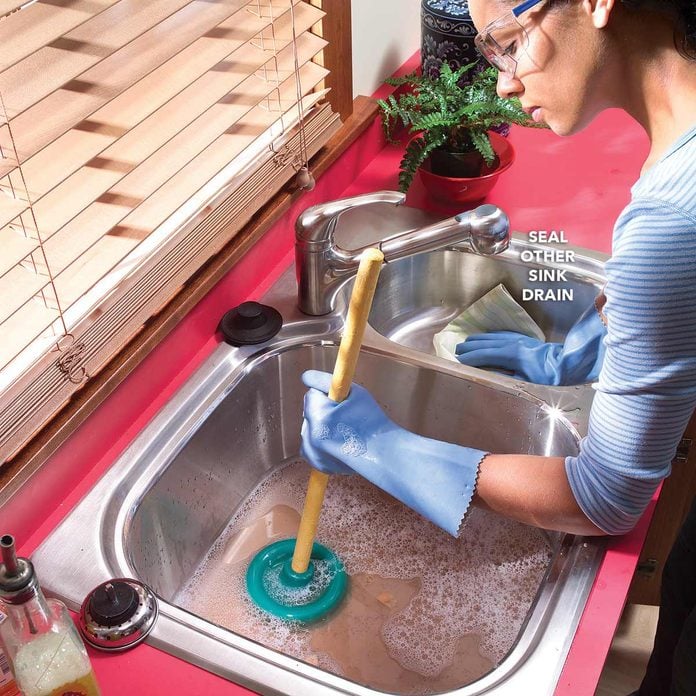
Begin by filling the sink with enough water to cover the plunger’s cup. Water aids in creating the necessary suction to clear the drain.
Position the plunger directly over the drain. Press down firmly to create a tight seal, then pull up sharply. Repeat this motion several times, maintaining a steady rhythm.
Did you know the key to successful plunging is patience? Don’t rush the process. Continue plunging until you notice the water draining smoothly. If it’s not working immediately, give it a few more tries.
Can you feel the satisfaction of hearing the water finally gurgle down the drain? Mastering the plunging technique is a skill worth having, especially when a kitchen disaster strikes unexpectedly.
Manual Removal Of Blockages
Unblocking a kitchen drain manually involves removing visible debris and using tools like a plunger or plumber’s snake. Start by clearing any food particles or grease buildup from the drain opening. Then, apply the plunger or snake gently to dislodge deeper blockages, ensuring water flows freely.
Clogged kitchen drains can be a nightmare, but thankfully, manual removal of blockages is a straightforward process. Often, blockages are caused by accumulated food particles, grease, or small objects. By manually addressing the problem, you can save time and avoid the harsh chemicals that may harm your pipes.Using A Drain Snake
A drain snake is a flexible tool designed to navigate through the twists and turns of your plumbing. Start by inserting the snake into the drain, turning the handle to push it further down the pipe. As you feel resistance, it’s likely you’ve reached the blockage. Twist and push to break it up. Once you’ve dislodged the debris, pull the snake out carefully to avoid splattering. You might be surprised at what you find—like the time I discovered a stray spoon that had slipped unnoticed down the drain.Cleaning The P-trap
The P-trap is the curved section of the pipe under your sink, which often collects debris. Begin by placing a bucket underneath to catch any water or debris that falls out. Unscrew the slip nuts on either end of the P-trap and gently remove it. You’ll likely find a build-up of grime, food particles, or even small kitchen items. Clean out the trap with warm water and an old toothbrush. Reattach it securely and run water to ensure the blockage is cleared. Have you ever found a missing earring or piece of cutlery here? You might be surprised at what’s lurking in your P-trap.Chemical Drain Cleaners
Chemical drain cleaners effectively dissolve kitchen drain blockages. Use them cautiously to avoid pipe damage. Follow instructions and ensure proper ventilation.
Chemical drain cleaners offer a quick solution for clogged kitchen drains. These powerful products dissolve grease, food particles, and hair. They can clear stubborn blockages effectively.When To Use Chemicals
Consider chemical cleaners for severe clogs. They work best with slow-draining sinks. If plungers and natural remedies fail, chemicals might help. Use them when physical methods don’t work.Safety Precautions
Chemical cleaners can be hazardous. Always wear gloves and goggles. Ensure proper ventilation to avoid inhaling fumes. Follow instructions on the label carefully. Keep chemicals away from children and pets. Never mix different cleaners. This can cause dangerous reactions.Preventing Future Clogs
Preventing future clogs in your kitchen drain is all about adopting smart habits and routines. Many of us have faced the annoying situation of a clogged drain when hosting guests or preparing a large meal. The good news is, with a little foresight, you can avoid this messy scenario. Let’s explore how regular maintenance and proper waste disposal can keep your kitchen running smoothly.
Regular Maintenance Tips
Regular maintenance is your first line of defense against clogs. Make it a habit to clean your drains weekly. A simple mixture of baking soda and vinegar can work wonders. Pour half a cup of baking soda followed by half a cup of vinegar down the drain. Let it fizz for a few minutes, then rinse with hot water. This keeps your pipes clean and free from residue.
Another trick is to use a drain guard. It prevents large food particles from slipping down the drain. Remember, even small particles can accumulate over time. Check your drain guard regularly and clear any build-up.
Proper Waste Disposal
Proper waste disposal is crucial in preventing clogs. Be mindful of what goes down your drain. Avoid pouring grease or oil, as they solidify and cause blockages. Instead, dispose of them in a sealed container in the trash.
Food scraps can be another culprit. Composting is a great alternative for vegetable peels and coffee grounds. Not only does it prevent clogs, but it’s also eco-friendly! You might ask, “What about my garbage disposal?” While convenient, it’s not a catch-all solution. Use it sparingly and avoid fibrous or starchy foods that can cause blockages.
By adopting these habits, you’re not only maintaining a clog-free kitchen but also extending the life of your plumbing system. What small change can you make today to avoid future drain disasters?

Credit: uk.style.yahoo.com
Credit: www.familyhandyman.com
Frequently Asked Questions
How Do You Clear A Clogged Kitchen Drain?
Use baking soda and vinegar to clear a clogged kitchen drain. Pour half a cup of baking soda, followed by a cup of vinegar. Wait 15 minutes, then flush with boiling water. Repeat if necessary. Plunge stubborn clogs with a plunger or use a plumber’s snake for severe blockages.
What Can I Use To Unblock A Kitchen Drain?
Use a plunger or baking soda and vinegar to clear blockages. For stubborn clogs, try using a drain snake. Chemical drain cleaners can also help, but use them cautiously as they may damage pipes. Regular maintenance prevents future clogs and keeps your kitchen drain flowing smoothly.
What Will Dissolve Hair In A Drain?
Baking soda and vinegar can dissolve hair in a drain effectively. Pour baking soda, then vinegar, and let it sit. Rinse with hot water. Alternatively, use a commercial drain cleaner specifically designed for hair clogs. Always follow safety instructions when using chemical cleaners to avoid damage.
Do Baking Soda And Vinegar Work Better Than Drano?
Baking soda and vinegar can unclog drains but may not be as effective as Drano for tough clogs. Drano’s chemical formula is designed for severe blockages, while baking soda and vinegar are natural alternatives for minor issues. Choose based on the clog’s severity and personal preference for chemical use.
Conclusion
Unblocking a kitchen drain doesn’t have to be hard. Start by removing visible debris. Try using baking soda and vinegar for a natural solution. Plunger or plumber’s snake works for stubborn clogs. Regular maintenance prevents future blockages. Avoid pouring grease down the drain.
Keep strainers in your sink to catch food particles. Simple tools and methods can solve most drain problems. Safety is important, wear gloves. If all fails, consider calling a professional plumber. Always act quickly to prevent damage. A clear drain means a happy kitchen.
Enjoy hassle-free cooking and cleaning!