How to Unclog Kitchen Sink: Quick DIY Solutions
Executive Chef & Lead Commercial Kitchen Specialist at Daily Kitchup Test Lab
Is your kitchen sink clogged, and you’re left staring at a growing pool of water that just won’t go away? You’re not alone.
A clogged kitchen sink can disrupt your daily routine and make even the simplest tasks feel like a hassle. But don’t worry; you can tackle this common problem yourself, saving time and money. In this guide, we’ll walk you through easy, step-by-step methods to unclog your kitchen sink.
You’ll discover practical tips that require minimal tools and time, ensuring you can get back to enjoying a smooth-running kitchen. Imagine the relief of watching water flow effortlessly down the drain once more. Ready to reclaim your kitchen? Let’s dive in and solve the problem together.
Common Causes Of Clogged Sinks
Grease, food particles, and soap residue often lead to clogged kitchen sinks. Regular cleaning can help prevent these blockages.
Clogged sinks can be a real headache, especially in the kitchen where you need the plumbing to work smoothly. Understanding the common causes of these clogs is crucial for preventing them in the future. Let’s break down the most frequent culprits behind a blocked kitchen sink.Food Residue
Food particles are one of the main offenders when it comes to clogged kitchen sinks. Small pieces of vegetables, grains, or fruit peels can easily get trapped in the pipes. Over time, these bits can accumulate and form a stubborn blockage. Be mindful of what goes down your drain. Use a strainer to catch larger particles and dispose of them in the trash. This simple practice can save you from the headache of a clogged sink.Grease Buildup
Grease may seem harmless when it’s hot and liquid, but once it cools down, it solidifies. This creates a sticky residue that can cling to the inner walls of your pipes. Avoid pouring grease or oil down the drain. Instead, let it cool and dispose of it in a container. This small change can make a big difference in keeping your pipes clear.Foreign Objects
Sometimes, it’s not what you expect that causes the problem. Foreign objects like small utensils, jewelry, or even children’s toys can find their way into the sink. Always check the sink before washing dishes, and ensure nothing unusual has slipped in. This quick inspection can prevent unexpected clogs and the potential for costly repairs. By being aware of these common causes, you can take proactive steps to keep your kitchen sink flowing smoothly. After all, a little prevention goes a long way in maintaining a hassle-free kitchen environment.Initial Assessment
Unclogging a kitchen sink starts with a thorough initial assessment. This step helps you understand the problem better. Knowing the cause makes the solution easier to find. Let’s dive into the first steps of assessing your kitchen sink.
Inspecting The Drain
Begin by inspecting the drain. Look for visible blockages near the top. Check if water drains slowly or not at all. Use a flashlight to see further down. A small mirror may help you view hard-to-see areas. This inspection helps identify where the clog might be.
Identifying The Clog Type
Identifying the clog type is crucial. Common clogs include food scraps, grease, or soap residue. Observe any specific signs like strange smells or sounds. Consider recent changes in what was washed down the sink. Each type of clog might need a different approach to clear.
Simple Tools You Need
Plunger and baking soda are key to unclogging a kitchen sink. Pour hot water, add baking soda, and let it sit. Use a plunger to clear stubborn blockages efficiently.
To tackle a clogged kitchen sink, simple tools can save the day. These tools are easy to find and use. They ensure your sink flows smoothly again. Let’s explore three essential tools.Plunger
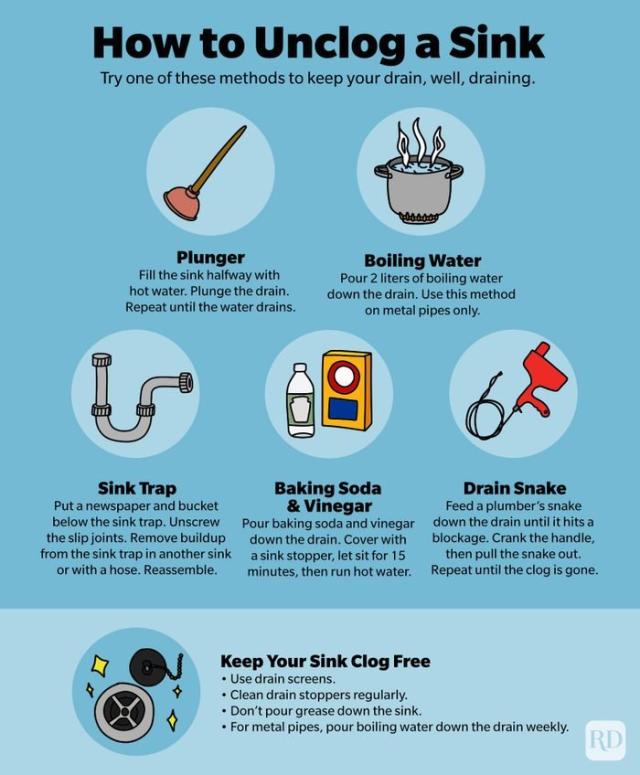
A plunger is a must-have tool. It helps dislodge stubborn clogs. Ensure the plunger’s rubber cup covers the drain. Push down and pull up with force. Repeat several times. It creates suction to clear the blockage.Drain Snake
A drain snake reaches deep into pipes. Insert it into the sink drain. Twist and push gently. It breaks apart the clog. Pull it back to remove debris. It’s effective for tough clogs.Baking Soda And Vinegar
Baking soda and vinegar work wonders. Pour a cup of baking soda into the drain. Follow it with a cup of vinegar. Wait for 15 minutes. The mixture fizzes and loosens the clog. Flush with hot water for best results.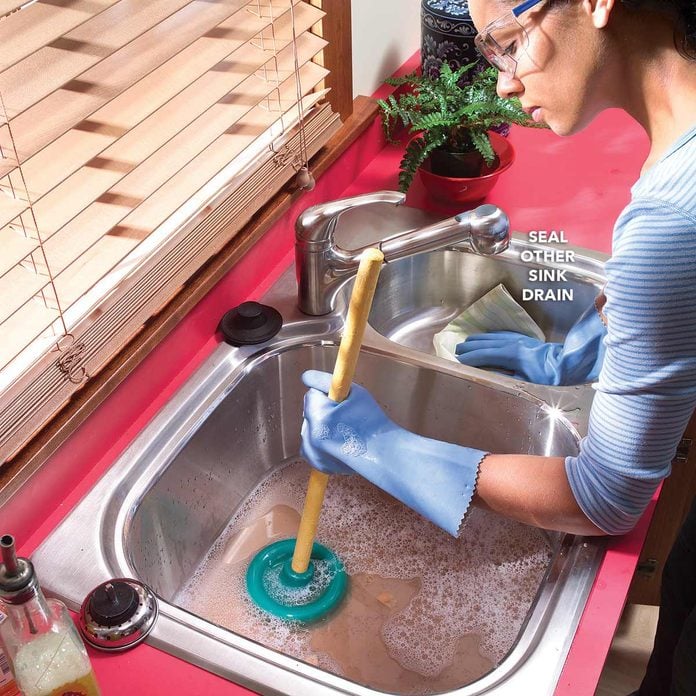
Credit: www.familyhandyman.com
Using A Plunger
Unclogging a kitchen sink can be a daunting task. Using a plunger is a simple and effective solution. It can quickly dislodge stubborn clogs without needing chemicals. This method is affordable and safe. It’s essential to know the right technique for successful plunging.
Proper Plunger Technique
Start by covering the overflow hole with a wet cloth. This prevents air from escaping, improving suction. Fill the sink with enough water to cover the plunger cup. Position the plunger over the drain, ensuring a tight seal. Use firm, consistent pressure to push down and pull up. Repeat this motion several times for optimal results.
Tips For Effective Plunging
- Choose the right plunger. Cup plungers work best for flat surfaces.
- Ensure the plunger cup is submerged in water. This enhances suction power.
- Apply steady force. Avoid sudden movements.
- After plunging, run hot water. This helps clear remaining debris.
Applying Baking Soda And Vinegar
Unclogging a kitchen sink can be simple with baking soda and vinegar. Pour baking soda down the drain, followed by vinegar. Let the fizzing action work for several minutes, then rinse with hot water to clear the blockage.
Unclogging a kitchen sink can be a simple task. You don’t need harsh chemicals. Baking soda and vinegar offer a natural solution. These household items create a fizzy reaction. This reaction helps break down clogs in pipes. It’s an eco-friendly method. Plus, it’s safe for your plumbing system. Let’s explore how you can apply this natural remedy.Step-by-step Process
- Clear the sink of any standing water.
- Pour half a cup of baking soda down the drain.
- Follow with half a cup of vinegar.
- Cover the drain with a plug or cloth.
- Wait for 15 minutes. Let the mixture fizz.
- Flush the drain with boiling water.
Benefits Of Natural Cleaners
Using baking soda and vinegar is beneficial. They are non-toxic. This makes them safer for your family. They reduce the need for chemical cleaners. Chemical cleaners can harm pipes over time. Natural options are also cost-effective. They save money on expensive store-bought products. Plus, they are environmentally friendly. They don’t release harmful fumes into the air. This keeps your kitchen air clean and fresh.Deploying A Drain Snake
Deploying a drain snake can effectively unclog a kitchen sink. Insert the snake into the drain and gently twist to break up the blockage. Remove the debris and rinse the sink with hot water for a clear, flowing drain.
Deploying a drain snake is a practical and straightforward approach to unclogging a stubborn kitchen sink. This tool is particularly effective for removing blockages that are beyond the reach of a plunger. If you’ve ever found yourself frustrated by slow drainage or standing water, a drain snake can be a game-changer in your toolkit.How To Use A Drain Snake
Start by removing the sink’s drain cover or stopper. This often involves unscrewing or gently prying it loose. Once the drain is exposed, feed the snake into the drain until you feel resistance. Turn the handle of the snake to latch onto the clog. Think of it as fishing; you’re trying to catch whatever is causing the blockage. Once hooked, slowly pull the snake back, bringing the debris with it. After removing the clog, run hot water down the drain to ensure it’s clear. This also helps flush out any remaining residue. If your sink is draining smoothly, congratulations, you’ve successfully unclogged it!When To Opt For A Professional
If the drain snake doesn’t do the trick, it might be time to call in a professional. Persistent clogs could indicate a more serious issue, like a blockage deeper in the plumbing system. Consider the frequency of your clogs. If your sink clogs often, a plumber can diagnose underlying problems that DIY methods might miss. Weigh the cost of professional help against the time and frustration of repeated DIY attempts. Sometimes, investing in an expert can save you money and stress in the long run. Remember, understanding when to tackle a problem yourself and when to seek help is a valuable skill. Have you ever faced a plumbing issue that needed professional intervention? Share your experiences in the comments below!Preventative Measures
Keeping your kitchen sink free of clogs is easier than dealing with a blocked one. Preventative measures not only save you time but can also keep your plumbing system healthy. By adopting simple habits, you can ensure your sink remains clear and functional.
Regular Cleaning Routines
Make cleaning your sink a regular part of your kitchen routine. After each use, take a moment to rinse it thoroughly. This helps wash away small particles that might accumulate and form a blockage. Once a week, use a mixture of baking soda and vinegar. Sprinkle baking soda down the drain, followed by vinegar, and let it sit for a few minutes. It’s a natural way to keep your pipes clean.
Proper Disposal Of Waste
Think twice before you dump waste down the sink. Are you guilty of washing down coffee grounds, grease, or eggshells? These items can easily clog your pipes. Instead, dispose of them in the trash or compost bin. Consider using a sink strainer to catch food particles before they go down the drain. It’s a simple tool that can make a big difference.
Have you ever faced a clogged sink and wished you had taken preventative steps? Making small changes now can prevent big headaches later. What will you do to keep your kitchen sink clog-free?
Credit: www.aol.com

Credit: www.angi.com
Frequently Asked Questions
What Is The Best Way To Unclog A Kitchen Sink?
Use a plunger to create suction and dislodge the clog. Pour boiling water to clear minor blockages. For stubborn clogs, mix baking soda with vinegar, let it fizz, then rinse. Snake the drain if necessary. Regularly clean the sink to prevent future clogs.
How To Unclog A Severely Blocked Sink?
Use a plunger to create suction. Pour boiling water mixed with baking soda and vinegar. Use a plumber’s snake to dislodge debris. Remove and clean the sink trap. If the blockage persists, contact a professional plumber.
Do Baking Soda And Vinegar Work Better Than Drano?
Baking soda and vinegar can clear minor clogs naturally. Drano is often more effective for tough blockages. Using natural methods is eco-friendly, while Drano offers quick results. Consider clog severity when choosing between them. Regular maintenance with baking soda and vinegar may prevent future blockages.
How Do You Unblock A Kitchen Sink With Standing Water?
To unblock a kitchen sink with standing water, remove visible debris. Use a plunger to dislodge clogs. If unsuccessful, pour a mixture of baking soda and vinegar down the drain. Let it sit, then flush with hot water. Consider using a plumber’s snake for persistent blockages.
Conclusion
Clearing a kitchen sink doesn’t need to be complicated. Simple tools often do the trick. Plungers and baking soda can handle most clogs. Regular cleaning prevents future blockages. Check pipes for debris. Avoid pouring grease down the drain. Grease hardens, causing clogs.
Remember, patience is key. Take your time with each step. Call a plumber if problems persist. Professional help ensures proper solutions. Keep these tips in mind. A clean sink means a happy kitchen. Follow these steps to maintain a smooth, flowing sink.
Your kitchen deserves the best care.

Similar Posts