What is a Mud Kitchen: Unlocking Creative Play
Imagine a world where creativity knows no bounds, where imagination runs wild, and where the natural elements become the tools of play. Welcome to the enchanting realm of mud kitchens—a simple yet magical concept that has been captivating children and parents alike.
But what exactly is a mud kitchen, and why is it becoming a must-have for outdoor play? You might be wondering how a few pots, pans, and a lot of mud can transform your backyard into a wonderland of learning and fun.
We’ll uncover the secrets behind the allure of mud kitchens and explore how they can ignite your child’s creativity, enhance their sensory experiences, and promote essential developmental skills. You’ll learn why this messy play is more than just child’s play; it’s a gateway to a world where your child can explore, invent, and thrive. Are you ready to discover how a mud kitchen can be the ultimate playground for your little one’s imagination? Read on to uncover the magic.
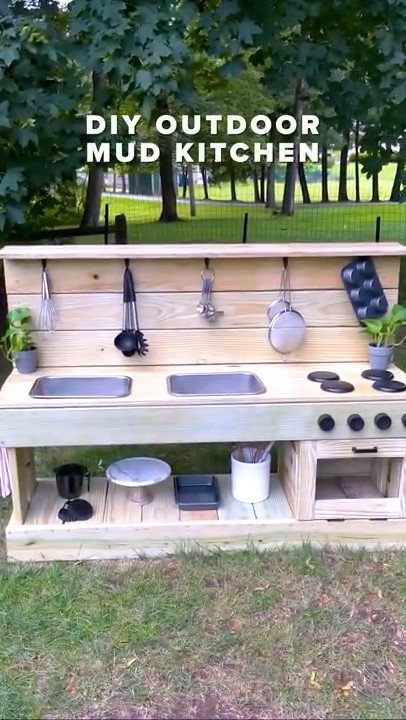
Credit: www.youtube.com
Mud Kitchen Basics
Mud kitchens are simple yet magical spaces where children can engage in imaginative play and explore the natural world. These outdoor play areas provide a sensory-rich environment, encouraging creativity and fostering a love for nature. Whether it’s mixing soil and water to create mud pies or using twigs and leaves for garnish, mud kitchens invite children to experiment, learn, and have fun.
Defining Mud Kitchens
A mud kitchen is essentially a play area designed to mimic a real kitchen but with natural elements. It typically includes a variety of utensils, pots, pans, and bowls, all set in an open space where children can freely mix and match ingredients found in their surroundings. The aim is not to cook but to create, often resulting in a delightful mess that only adds to the joy of play.
These kitchens often consist of a simple structure, sometimes made from recycled materials, equipped with shelves and a workspace. The simplicity allows children to use their imagination to transform everyday items into culinary masterpieces. Mud kitchens offer an excellent opportunity for children to engage in role-play, developing social skills as they pretend to be chefs or hosts.
Origins And History
The concept of mud kitchens isn’t new; children have been playing with mud and dirt for centuries. Historically, mud play has been a staple of childhood, especially in rural areas where children have easy access to nature. The formal idea of mud kitchens as structured play areas, however, gained popularity in recent years, inspired by the growing emphasis on outdoor play and learning.
Many educators and parents began to recognize the benefits of unstructured play and its impact on child development. Mud kitchens emerged as a practical solution, blending play with learning in an outdoor setting. This shift towards outdoor play has roots in progressive educational philosophies that emphasize the importance of nature in learning.
As you consider introducing a mud kitchen to your backyard or school, think about how this simple setup can spark creativity and encourage exploration. What could be more delightful than watching children discover the magic hidden in mud and leaves?

Credit: www.amazon.com
Benefits Of Mud Kitchens
Mud kitchens offer a creative play space for kids to explore nature and develop fine motor skills. Children mix mud, water, and natural elements, boosting imagination and social interaction. These outdoor kitchens encourage sensory experiences and foster problem-solving abilities in a fun, hands-on environment.
Mud kitchens are more than just a fun outdoor play activity for children. They provide numerous benefits that support children’s development in a variety of ways. From boosting creativity to enhancing social skills, mud kitchens are a powerful tool in a child’s growth journey.Encouraging Creativity
Children thrive when given the freedom to explore and create. Mud kitchens offer a blank canvas where imagination can run wild. Whether it’s concocting a pretend soup with leaves and twigs or creating a mud pie masterpiece, kids learn to think outside the box. Have you ever watched a child transform mud into a gourmet dish? It’s a reminder of how limitless their creativity can be.Sensory Play Opportunities
Mud kitchens provide a rich sensory experience that stimulates multiple senses. The texture of wet mud, the sound of water splashing, and the earthy smell all contribute to sensory development. Engaging with these elements can enhance a child’s ability to process and respond to sensory information. How often do we as adults pause to feel the earth between our fingers? Children, through mud play, remind us of the joy in tactile exploration.Social Skills Development
Playing in a mud kitchen often involves teamwork and communication. Children learn to negotiate roles, share tools, and collaborate on creating their muddy culinary delights. This social interaction fosters essential skills like empathy, cooperation, and patience. Imagine the lively conversations and laughter as they decide who’s the head chef or who’s in charge of the mud mix! These interactions are the foundation for building strong social bonds.Connection With Nature
Mud kitchens encourage children to step outside and engage with the natural world. This connection with nature can foster a lifelong appreciation for the environment. By interacting with natural elements, children learn about the earth’s resources and the importance of sustainability. Do you recall the simple pleasure of playing outside, feeling the sun on your skin, and the breeze in your hair? Mud kitchens offer that same joy and connection to today’s tech-savvy generation. Incorporating a mud kitchen into a child’s play routine can have lasting positive impacts. These outdoor play spaces are more than just a source of fun—they are a gateway to learning and growth in many areas of life.Setting Up A Mud Kitchen
A mud kitchen is an outdoor play space where children can explore and create using natural materials. It encourages imaginative play and helps develop motor skills. Simple setups include a counter, pots, pans, and a mixing area for mud and water.
Setting up a mud kitchen can be a fun and rewarding experience for both you and your little ones. It provides a fantastic opportunity for children to engage in imaginative play, develop motor skills, and enjoy the outdoors. But how do you start creating this magical play area? Let’s dive into the essentials of setting up a mud kitchen.Choosing The Right Location
Finding the perfect spot for your mud kitchen is crucial. You want an area that is easily accessible but out of heavy foot traffic. Consider a spot in your backyard that gets a mix of sun and shade. This ensures your kids can play comfortably in various weather conditions. Is there a corner near the garden or a patch of grass that seems neglected? This could be transformed into your mud kitchen haven.Essential Materials And Tools
Building a mud kitchen doesn’t require a hefty budget. Gather materials like old pots, pans, spoons, and bowls. These can be sourced from thrift stores or your own kitchen cupboards. A sturdy table or wooden pallets can serve as the kitchen counter. Do you have an old cupboard or bookshelf sitting unused? Repurpose it into storage for your mud kitchen supplies.- Old pots and pans
- Wooden spoons and ladles
- Storage shelves
- Water source, like a small bucket or hose
Safety Considerations
Safety should be top of mind when setting up a mud kitchen. Ensure the area is free from sharp objects and toxic plants. Regularly check the tools and materials for any damage that could pose a risk. Do your children know to wash their hands after playtime? It’s a good habit to instill early on. Consider setting up a handwashing station nearby with soap and clean water. Encourage the kids to wear old clothes and shoes that can get dirty. Always supervise play to ensure safety and maximize fun. Remember, the goal is to create a space where children can explore freely while staying safe.Activities And Play Ideas
A mud kitchen is a creative outdoor play area for children. It encourages imaginative play and sensory exploration. Kids can mix mud, water, and natural materials to “cook” and role-play.
Mud kitchens offer endless fun and learning for children. They are outdoor play spaces where kids use their imagination. In these kitchens, children can mimic cooking, creating pretend meals using mud, sand, and water. The activities encourage creativity and sensory exploration. Here’s a look at some exciting play ideas.Imaginative Cooking
Children love pretending to be chefs in mud kitchens. They mix soil and water to make pretend soups. Adding leaves or twigs creates unique dishes. This play helps develop problem-solving skills. Kids learn about measurements and textures. They can experiment with different combinations. Use old pots and pans for a realistic feel. Encourage them to describe their creations. This boosts their language skills.Themed Play Scenarios
Creating themed scenarios enhances playtime. Pretend it’s a fancy restaurant or a family picnic. Kids can role-play as waiters or customers. This teaches social skills and cooperation. Set up areas for specific themes. Use old tablecloths or menus for decoration. Encourage children to invent stories around their themes. Themes make playtime more exciting and engaging.Incorporating Natural Elements
Incorporate natural elements for a richer experience. Use stones as pretend potatoes or berries. Flowers can be garnishes for mud pies. This connects children with nature. They learn about their environment and its elements. Collect materials from the garden or park. Make a scavenger hunt for these items. It adds adventure to their play. Nature elements make the kitchen feel alive and vibrant.Involving Adults In Play
Mud kitchens invite adults to rediscover play by mimicking real-life cooking with mud, water, and nature’s ingredients. These outdoor play areas encourage creativity, sensory exploration, and a chance to connect with nature, making them perfect for stress relief and simple fun.
Involving adults in play within the realm of mud kitchens can transform a simple activity into a rich, educational, and bonding experience. Mud kitchens are outdoor play stations where children can explore and create using mud, water, and other natural materials. While they are designed primarily for children’s play, the involvement of adults can enhance the experience significantly. Adults can play roles as facilitators, co-players, and even learners alongside children, enriching the interaction and fostering deeper connections.Role Of Facilitators
Adults can serve as facilitators in mud kitchen play by guiding children through the exploration process. This doesn’t mean dictating activities but rather encouraging curiosity and creativity. You might ask open-ended questions like, “What can you create with these ingredients?” or “How does the mud feel in your hands?” Facilitators also help in managing resources. Ensuring there’s enough water, mud, and utensils allows children to experiment freely. Simple acts like providing additional buckets or pans can lead to new discoveries and enhance the children’s play. Safety is another crucial aspect. Adults can ensure the play area is safe from hazards like sharp objects or harmful plants. By creating a safe environment, children can focus on their imaginative play without unnecessary interruptions.Co-playing With Children
Co-playing with children in a mud kitchen invites adults to step into the world of imagination alongside their little ones. When you kneel beside your child and engage in the same activity, you show them that their world is valuable and worth exploring. Share in the fun by making mud pies or concocting imaginary soups together. Such activities not only bring joy but also strengthen bonds. You might find yourself laughing over a particularly messy creation or marveling at a child’s inventive recipe. Co-playing also provides adults with insights into a child’s perspective. You might discover how a simple act like mixing mud and water can become a lesson in science and creativity. This shared playtime can become a cherished memory and a moment of learning for both you and your child. Consider the impact of play beyond the mud kitchen. How might shared playful experiences shape relationships and understanding in other areas of life? Your participation in these activities can set the stage for open communication and trust in future interactions.Expanding The Mud Kitchen Experience
A mud kitchen is a creative outdoor play area for children. It encourages imaginative play using natural elements like soil, water, and leaves. Kids can enjoy mixing, pouring, and pretending to cook, enhancing sensory skills and creativity.
Expanding the Mud Kitchen Experience A mud kitchen isn’t just a play area; it’s a gateway to creativity and learning. Imagine watching children concoct imaginary dishes, their hands smeared with earth, as they happily chatter about their culinary creations. This simple setup can be expanded to offer even more enriching experiences.Integrating Educational Concepts
A mud kitchen is an excellent platform to introduce educational concepts in a playful setting. You can incorporate basic math by encouraging kids to count scoops of mud or measure water. Science lessons come alive when children observe the texture changes when mixing water with dirt or adding leaves and flowers. Language skills can be enhanced as children communicate their recipes or describe their cooking process. Encourage them to write down their creations, introducing literacy in a fun way. It’s a hands-on learning experience where the possibilities are endless.Seasonal Variations In Play
The changing seasons offer new dimensions to the mud kitchen experience. In spring, children can add blossoming flowers or fresh grass to their mud pies. Summer brings the opportunity to incorporate water play, creating muddy streams or refreshing dirt smoothies. Autumn is perfect for using fallen leaves and acorns, adding a sensory element with the crackling sound of dried leaves. Even winter can be magical, with children crafting icy mud sculptures or using snow to create frosty treats. Seasonal changes keep the mud kitchen fresh and engaging throughout the year. How do you plan to enhance your mud kitchen experience? Could you integrate more educational aspects or embrace the seasons? The mud kitchen is a canvas for creativity, waiting for your unique touch.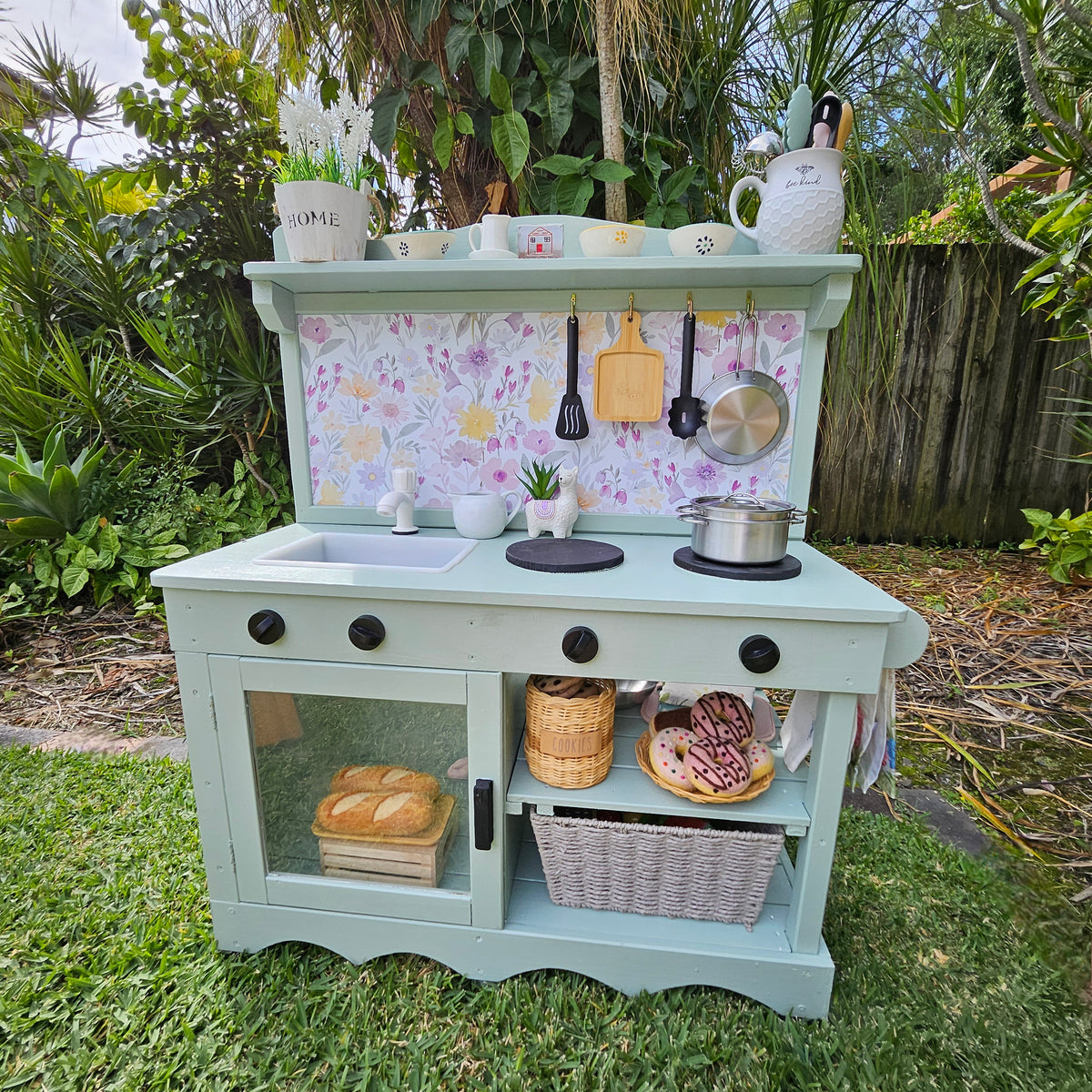
Credit: gumnutkids.com
Frequently Asked Questions
What Is The Point Of A Mud Kitchen?
A mud kitchen encourages imaginative play and creativity in children. It helps develop sensory skills through hands-on activities. Kids learn about nature and the environment while playing. This outdoor setup enhances social skills and teamwork. Children enjoy a fun and educational experience, making mud kitchens valuable for childhood development.
Why Is It Called A Mud Kitchen?
A mud kitchen is named for its outdoor play setup where children use mud, water, and natural materials to mimic cooking. This encourages imaginative play and creativity, resembling a real kitchen environment.
What Age Is Best For A Mud Kitchen?
Mud kitchens are ideal for children aged 3 to 7. They promote creativity and sensory play. Young kids enjoy exploring textures and imaginative cooking. Ensure the kitchen is age-appropriate, safe, and offers engaging activities for development.
What Are The Rules For A Mud Kitchen?
A mud kitchen needs supervision, a safe location, and clear boundaries. Use non-toxic materials and encourage creativity. Ensure children wear appropriate clothing and follow hygiene practices.
Conclusion
Mud kitchens offer endless fun and learning. Kids explore creativity through play. They mix, mash, and create. Imaginary recipes come to life. Outdoor play boosts imagination and skills. Parents love the simplicity and joy. Mud kitchens are easy to set up.
No fancy equipment needed. Just mud, water, and a few tools. A perfect way to connect with nature. Children learn teamwork and sharing. So, why wait? Let your child discover the wonders of a mud kitchen today. It’s messy, but worth every moment of joy and laughter.