
Have you ever looked up in your kitchen and wondered what that box-like structure above your cabinets is? That’s a soffit.
It might seem like a small detail, but understanding what a soffit is and how it functions can make a big difference in your kitchen’s design and functionality. You might be curious about whether it’s serving a hidden purpose or if it’s just there for aesthetics.
By the end of this article, you’ll know exactly what a soffit is, why it matters, and how it can be a game-changer in your kitchen design. Get ready to uncover the secrets of soffits and transform the way you think about your kitchen space!
Soffit Basics
The kitchen soffit, often overlooked, serves an important role in design. It bridges the gap between cabinets and ceiling, creating a smooth transition. This feature can enhance the aesthetic appeal of your kitchen. Understanding the basics helps in making informed decisions.
Definition Of Kitchen Soffit
A soffit is the space between the top of kitchen cabinets and the ceiling. It often hides wiring, plumbing, or ductwork. This can prevent visible clutter and provide a neat appearance. Soffits can be decorative or functional, depending on design needs.
Common Materials Used
Various materials are used for kitchen soffits. Drywall is the most popular choice due to its versatility. Wood offers a classic, warm look. Metal can give a modern, sleek finish. Each material has its benefits and suits different styles.
Purpose And Functionality
The primary purpose of a soffit is to conceal unsightly elements. It can hide pipes, wires, or ductwork from view. Soffits also contribute to the kitchen’s visual harmony. They can be used to install lights for better illumination. Some homeowners use them to display decorative items.
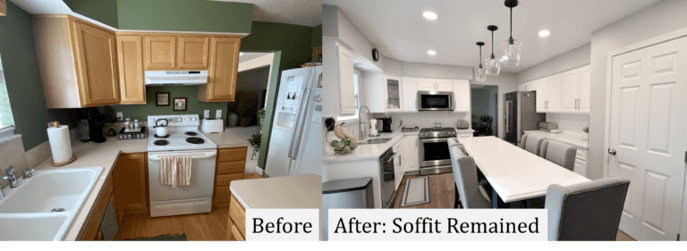
Credit: www.jsbhomesolutions.com
Design Considerations
Understanding soffits in the kitchen involves considering their purpose and design. They cover unsightly wires and pipes above cabinets, creating a clean look. Choosing materials and colors that match your kitchen style is crucial for a harmonious design.
Design considerations for kitchen soffits can significantly impact the overall look and functionality of your space. While soffits are often seen as structural necessities, they offer a unique opportunity to add a touch of design flair. Understanding how they affect aesthetics, space, and style can help you make more informed decisions.
Aesthetic Impact
The visual appeal of your kitchen is directly influenced by how you treat the soffits. A well-designed soffit can add depth and character, turning a mundane kitchen into a visually appealing space. Imagine using contrasting colors or textures to make the soffit pop, creating a focal point that draws the eye upward and adds an unexpected element to your kitchen.
Space Optimization
Soffits can often be an underutilized space in your kitchen. Why not use them to your advantage? Consider adding recessed lighting or using the area for additional cabinetry to maximize storage. This not only helps in decluttering countertops but also makes your kitchen more functional.
Integration With Kitchen Style
Your kitchen’s style should seamlessly blend with the soffits. If your kitchen has a modern look, you might opt for sleek, minimalistic soffits. Conversely, a rustic kitchen may benefit from wooden soffits that enhance its cozy charm. How do you want your kitchen to feel? Your choice of soffit can either complement or contrast with the existing design elements, offering endless possibilities for customization.
Installation Process
Soffits in the kitchen hide unsightly wires and ducts. Installing them involves measuring the space and cutting materials to fit. Secure the soffit with screws and finish with paint or trim for a seamless look.
The installation process of a kitchen soffit can enhance room aesthetics and functionality. Proper installation ensures the soffit serves its purpose effectively. This guide outlines clear steps to achieve a professional look.
Preparation Steps
Evaluate the kitchen space for soffit placement. Measure dimensions to ensure a perfect fit. Clear the area of any obstructions like cabinets or appliances. Plan the soffit’s design and structure before starting.
Tools And Materials Needed
Gather essential tools and materials for the soffit installation:
- Measuring tape
- Level
- Drill
- Screws
- Wood or drywall panels
- Safety goggles
- Paint or finish (optional)
Ensure all tools are readily available.
Step-by-step Guide
Begin by marking the soffit’s position on the wall. Use a level to ensure accuracy. Cut the wood or drywall panels to fit the measured space. Secure panels using screws and drill. Check alignment regularly with the level. Paint or finish the soffit for a polished look. Make necessary adjustments for neatness. Inspect for stability and alignment. Ensure the soffit blends well with kitchen decor.
Pros And Cons
Soffits in the kitchen create a seamless look by hiding wires and pipes above cabinets. They may limit storage space and design options, impacting the overall aesthetic.
Soffits in the kitchen serve both functional and aesthetic purposes. These architectural features fill the gap between cabinets and ceilings. Understanding their pros and cons helps homeowners make informed decisions.
Advantages Of Kitchen Soffits
Soffits hide unsightly pipes and wires. They provide a smooth, finished look. Soffits can be painted to match the kitchen decor. They offer extra space for lighting fixtures. Soffits improve kitchen acoustics by reducing echo.
Potential Drawbacks
Soffits may reduce available storage space. They can make the kitchen feel smaller. Removing soffits can be costly and time-consuming. Some people find them outdated. Soffits might require regular maintenance to stay clean.
Situations Where Soffits Are Ideal
Soffits work well in kitchens with high ceilings. They suit homes with exposed wires or pipes. Soffits are great for kitchens needing extra lighting. They fit traditional or vintage kitchen designs. Ideal for homes valuing a tidy, uncluttered look.
Alternatives To Soffits
Soffits in the kitchen cover the space between cabinets and the ceiling. Alternatives include open shelves or decorative moldings, which offer a stylish and functional way to fill this gap without traditional soffits.
If you’re tired of the outdated look of kitchen soffits, you’re not alone. Many homeowners are opting for modern alternatives that not only enhance aesthetics but also maximize functionality. The question is, what can replace those bulky boxes above your cabinets?
Open Shelving
Open shelving is a trendy choice that adds style and practicality to your kitchen. By removing the soffit, you create space for shelves where you can display your favorite dishes, cookbooks, or decorative items. This approach not only opens up your kitchen visually but also allows for easy access to frequently used items. Imagine walking into your kitchen and seeing a beautifully organized display of your colorful plates and mugs. It feels inviting and personal. But remember, open shelving requires regular tidying to maintain that clean, uncluttered look.
Extended Cabinets
Why stop your cabinets short when they can reach the ceiling? Extended cabinets are a smart way to gain extra storage while eliminating the need for a soffit. This alternative is especially appealing if you have a collection of items you don’t use daily, such as holiday dinnerware or less frequently used appliances. By choosing extended cabinets, you also eliminate that often awkward gap between cabinet tops and the ceiling. This can streamline the look of your kitchen, making it appear more cohesive and polished.
Decorative Molding
Decorative molding can be a sophisticated way to bridge the gap between the top of your cabinets and the ceiling. This option can add a touch of elegance and detail, transforming your kitchen into a stylish space. Molding comes in various styles and finishes, allowing you to customize according to your taste. Picture adding a crown molding with a sleek, modern design or opting for something more ornate if you prefer a classic look. It’s an excellent way to add character without taking away space or functionality. Plus, it can be a weekend DIY project if you’re looking to save on costs. Which alternative suits your kitchen best? Whether it’s the openness of shelves, the practicality of extended cabinets, or the charm of decorative molding, each option offers a unique way to enhance your kitchen space.
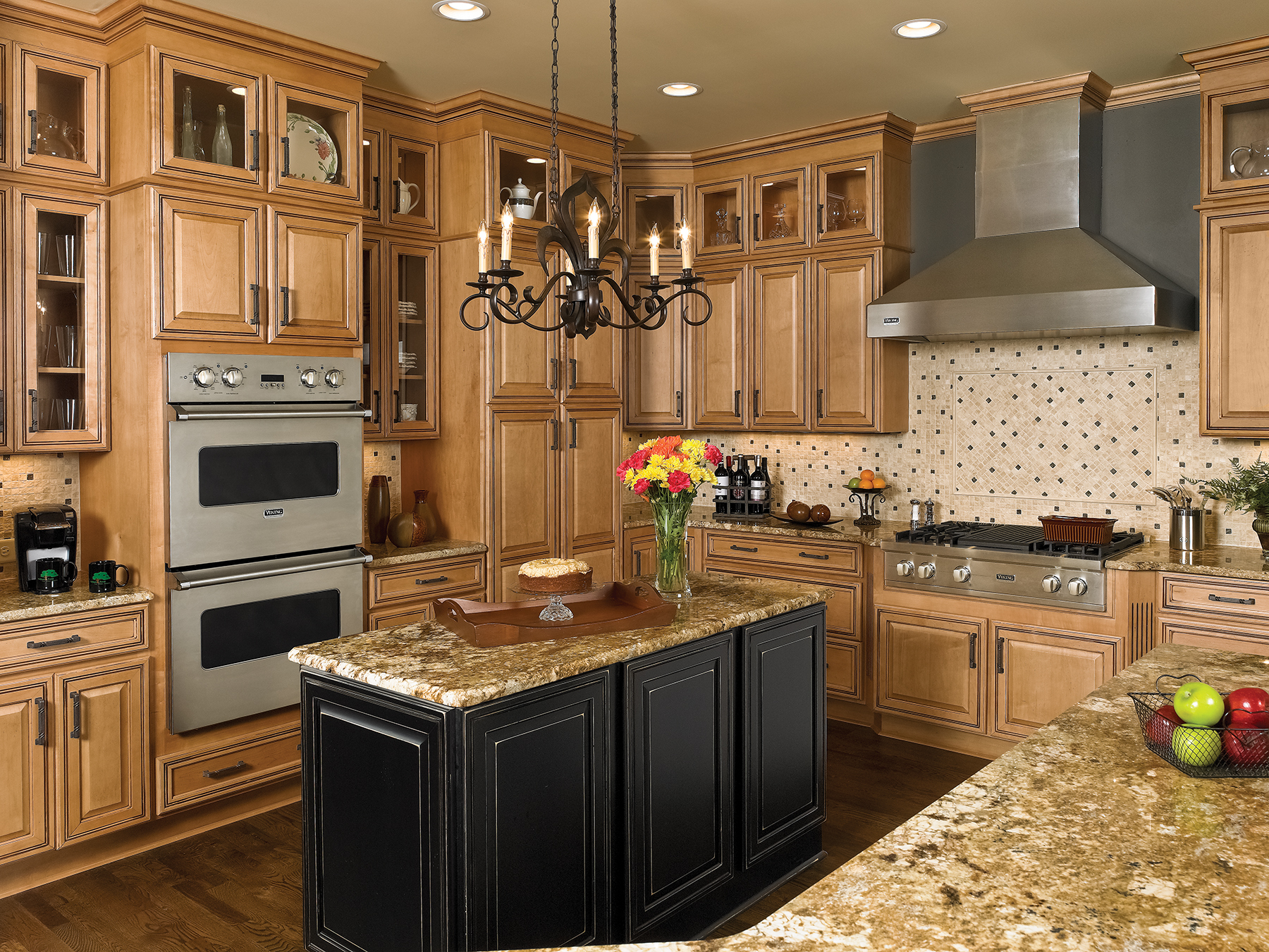
Credit: www.wellbornforest.com
Maintenance Tips
Maintaining the kitchen soffit can keep your kitchen looking fresh and avoid costly repairs down the line. Regular attention not only enhances its appearance but also prolongs its life. Let’s dive into some practical tips that can make your kitchen soffit maintenance a breeze.
Cleaning Guidelines
Dust and grime can accumulate on your kitchen soffit over time. A simple wipe down can maintain its cleanliness. Use a mild detergent mixed with warm water to gently clean the surface.
- Avoid abrasive cleaners that can scratch or damage the material.
- Consider using a microfiber cloth for an effective and gentle cleaning experience.
- Don’t forget to clean the corners where dust tends to hide.
Have you noticed stubborn stains that won’t budge? Try using a mixture of baking soda and water. Apply it to the stained area and let it sit for a few minutes before wiping it off.
Repair And Upkeep
Minor damages, like small cracks or chips, can be easily repaired if caught early. Inspect your soffit regularly to identify any issues before they escalate.
- Use a filler or patching compound to fix small cracks.
- For larger damages, consider consulting a professional for repair.
- Repaint or touch-up the soffit to maintain its aesthetic appeal.
Keeping up with repairs not only maintains the soffit’s look but also prevents further damage. How often do you check for repairs? Making it a routine can save you time and money.
Preventative Measures
Preventative measures can ensure your soffit remains in top shape for years. Start by addressing moisture issues that could lead to mold or rot.
- Ensure good ventilation in your kitchen to reduce humidity levels.
- Regularly check for leaks around your soffit area.
- Consider using a moisture barrier if the soffit is near a water source.
Why wait for a problem to arise when you can prevent it? Simple actions today can avert bigger hassles tomorrow.
Expert Opinions
Soffits in the kitchen are the space between cabinets and the ceiling. They hide wiring and plumbing for a tidy look. Often, they provide an opportunity for creative design or extra storage.
Expert opinions shed light on the significance of soffits in kitchens. These insights help homeowners make informed decisions about their kitchen design. Understanding soffits from different perspectives can enhance kitchen aesthetics and functionality.
Interior Designer Insights
Interior designers view soffits as both decorative and practical elements. They often use soffits to hide unsightly wires and vents. Designers also play with colors and textures to make soffits visually appealing. The right soffit can blend seamlessly with cabinetry, adding charm to the kitchen.
Architectural Perspectives
Architects focus on the structural aspect of soffits. They ensure soffits are safe and integrated into the kitchen’s layout. Proper installation prevents issues like moisture damage or sagging. Architects might recommend soffits to maintain the room’s proportions. This helps create a balanced and harmonious space.
Homeowner Experiences
Homeowners share varied experiences with soffits. Some appreciate the storage space they provide. Others enjoy how soffits hide imperfections, like uneven ceilings. Many find soffits useful for adding lighting fixtures, brightening their kitchen. Personal stories highlight the practical benefits soffits offer in daily life.

Credit: www.reddit.com
Frequently Asked Questions
What Are Soffits In A Kitchen?
Soffits in a kitchen are the enclosed spaces between the top of cabinets and the ceiling. They hide wiring, plumbing, or ductwork. Soffits can also enhance kitchen aesthetics by offering a clean, finished look. Some homeowners use them for decorative purposes or to install lighting.
What Does A Soffit Look Like In A Kitchen?
A kitchen soffit is a box-like structure above cabinets, often blending with the ceiling. It hides ducts, wires, and plumbing, providing a seamless look. Soffits can be painted or decorated to match kitchen decor, enhancing the room’s aesthetic appeal. They maintain an organized and tidy appearance in the kitchen.
Should You Remove Kitchen Soffits?
Removing kitchen soffits can enhance space and update the look. Consider structural, electrical, and storage implications before deciding.
Are Kitchen Soffits Still In Style?
Kitchen soffits are not as popular as before. Many homeowners prefer open spaces or creative alternatives. Removing or redesigning soffits can modernize your kitchen. Consider your personal style and functionality needs when deciding. Trends evolve, so choose what suits your home best.
Conclusion
Soffits in the kitchen offer practical benefits. They hide wires and pipes. They provide a clean look above cabinets. Some people use them for extra storage. Others prefer them for design purposes. You can paint soffits to match your kitchen.
Or add decorative trim. They are easy to maintain. They bring a neat finish to the space. Consider your kitchen style and needs. Decide if soffits fit your design. Explore options for your kitchen renovation. A well-planned kitchen adds value to your home.
Make the space functional and beautiful. Your kitchen will be cozy and inviting.