What is the Standard Size of a Kitchen Sink: Expert Insights
Are you planning a kitchen renovation or simply replacing your old sink? You might be wondering, “What is the standard size of a kitchen sink?”
This seemingly simple question can unlock a world of possibilities for your kitchen design. Imagine the perfect blend of functionality and style—a sink that not only fits seamlessly into your space but also makes everyday tasks a breeze. Choosing the right size is crucial for optimizing your kitchen’s efficiency and aesthetics.
We’ll dive into the ideal dimensions and explore how the right sink size can transform your culinary workspace. Stick around, and you’ll discover the secrets to selecting the perfect kitchen sink that meets your needs and enhances your home’s appeal.

Credit: www.amazon.ca
Standard Dimensions
The kitchen sink is often the heart of your culinary space, where you rinse vegetables, wash dishes, and sometimes even chat over a cup of coffee. Choosing the right size can make all these tasks more convenient and enjoyable. Standard dimensions vary, but understanding them can help you select a sink that fits your needs and kitchen layout perfectly.
Single Basin Sinks
Single basin sinks are perfect for those who enjoy ample space for washing large pots and pans. Typically, they range from 24 to 33 inches in width and have a depth of around 8 to 10 inches. This design is ideal for maximizing countertop space while still offering a generous area for cleaning.
Double Basin Sinks
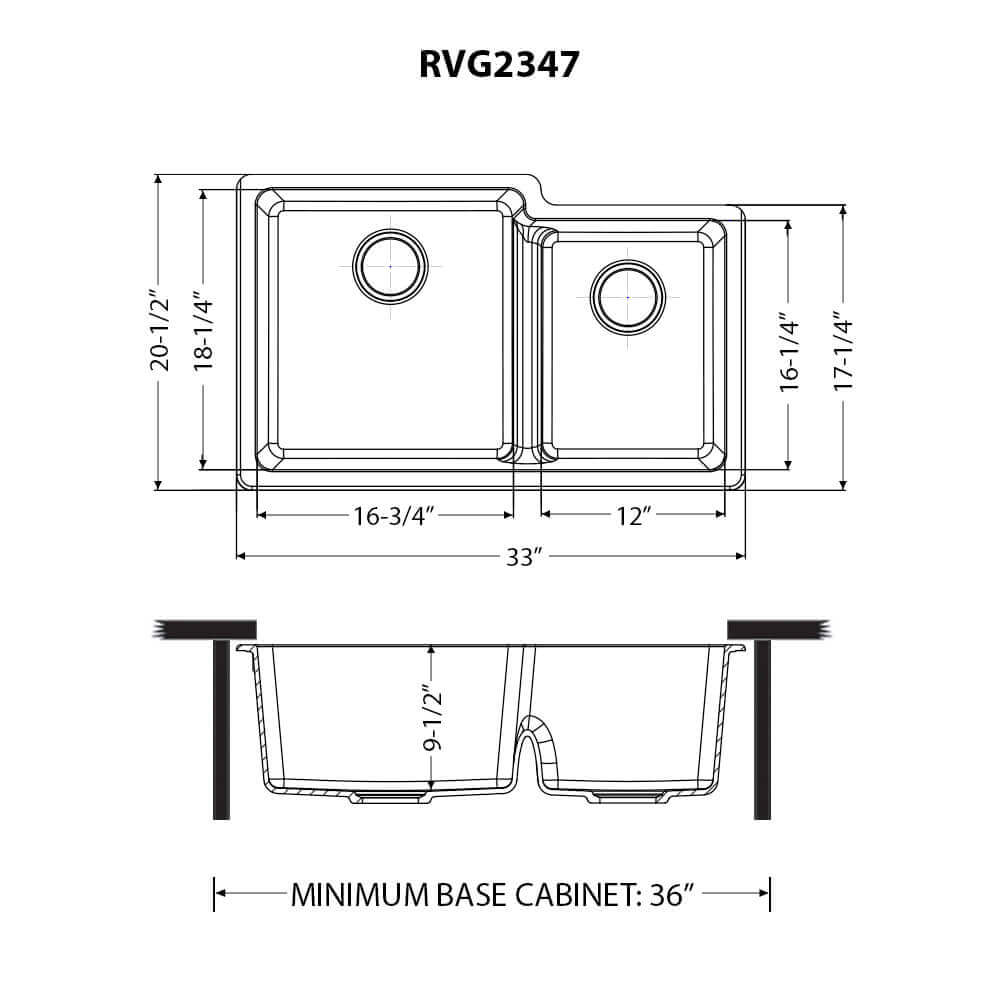
If multitasking is your forte, a double basin sink might be the right choice. These sinks usually measure between 32 and 50 inches in width, providing two separate sections for different tasks. The depth remains similar to single basins, allowing you to soak dishes in one side while preparing food in the other. Consider how you plan to divide your tasks before deciding on this option.
Farmhouse Sinks
Farmhouse sinks, known for their deep basins and apron fronts, offer a unique aesthetic and functional appeal. They generally span 30 to 36 inches in width and boast a depth of 9 to 10 inches. Their robust design can handle large cookware with ease, but ensure your cabinetry can support the weight and size. Would the charm and functionality of a farmhouse sink suit your kitchen’s style?
Factors Influencing Size
The size of a kitchen sink is influenced by several factors. These factors help determine the best fit for your kitchen. Understanding these can ensure you choose the right sink for your needs.
Kitchen Space Availability
The available space in your kitchen is a key factor. A small kitchen may require a compact sink. A larger kitchen might accommodate a bigger one. Measure your counter space carefully before deciding. This ensures the sink fits well without overcrowding.
User Needs And Preferences
Everyone uses their kitchen differently. Some need a larger sink for washing big pots. Others prefer a smaller sink to save counter space. Consider your cooking and cleaning habits. Think about how many people use the kitchen daily. These preferences will guide your choice.
Plumbing Considerations
Plumbing affects the size of your kitchen sink. Ensure your plumbing can support the desired sink size. Check the location of pipes and drains. You might need a professional to evaluate your setup. Proper plumbing ensures efficient water flow and drainage.
Material Impact On Size
Kitchen sinks come in many sizes. Material choice affects sink size a lot. Different materials have unique properties. These properties influence the size options available. Let’s explore how materials impact sink size.
Stainless Steel
Stainless steel sinks are popular and versatile. They come in various sizes. This material allows for thin walls. Thin walls mean more internal space. Stainless steel is lightweight yet strong. It fits well in small or large kitchens. Most common sizes range from 22 to 33 inches.
Porcelain
Porcelain sinks are elegant and classic. They often have thicker walls. These walls can limit internal space. Porcelain is heavier and more fragile. Sizes often range from 24 to 36 inches. This material suits medium to large kitchens. It provides a timeless look.
Composite Materials
Composite sinks blend stone and resin. This creates a durable and modern option. They come in various sizes, often 25 to 33 inches. Composite materials offer strength and style. Their size fits different kitchen needs. They are scratch-resistant and easy to maintain.
Installation Types
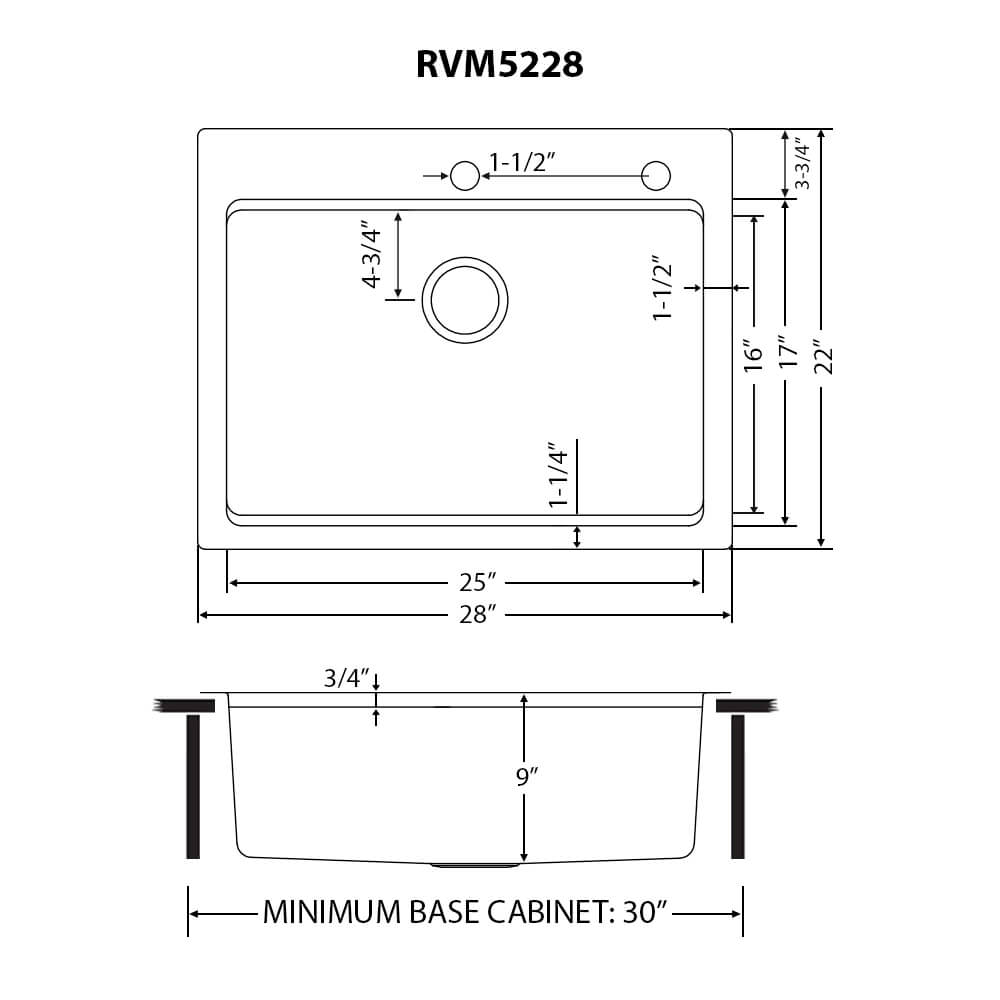
Standard kitchen sinks usually measure about 22 by 30 inches. This size fits most kitchen counters. Custom sinks may vary in size based on specific needs.
Choosing the right kitchen sink goes beyond just size and material. Installation type plays a crucial role in determining not only the look but also the functionality of your kitchen. Each installation type has its advantages and can influence your kitchen’s workflow and cleaning routine. Let’s dive into the different installation types to help you make an informed decision.Undermount Sinks
Undermount sinks attach beneath the countertop, creating a seamless look. They are popular for their sleek design and easy countertop cleaning—just sweep crumbs straight into the sink without any obstruction. However, they require precise installation and are best suited for solid-surface countertops like granite or marble.Top-mount Sinks
Top-mount sinks, also known as drop-in or self-rimming sinks, are the most common type found in kitchens. They are easy to install and can be used with nearly any countertop material. The sink’s rim sits on top of the counter, making it a cost-effective and versatile choice.Integrated Sinks
Integrated sinks offer a modern, minimalist aesthetic by being molded as part of the countertop itself. This installation type is perfect for those who hate cleaning; there are no seams or joints where dirt can accumulate. These sinks are typically found in solid surface materials like quartz or Corian, providing a streamlined appearance. When selecting a sink, consider how the installation type aligns with your lifestyle and kitchen habits. Do you prefer the clean lines of an integrated sink, or is the flexibility of a top-mount sink more appealing? Understanding these options helps create a kitchen space that is not only functional but also a joy to use.Custom Sizing Options
Standard kitchen sinks come in various sizes, but custom options offer unique benefits. Custom sizing allows you to tailor the sink to fit your specific needs and kitchen layout. This option can be particularly useful for unusual kitchen designs or specific functional requirements. Custom sinks can enhance the overall aesthetic of your kitchen, providing a seamless look.
Tailored Solutions
Custom-sized sinks offer tailored solutions for unique kitchen spaces. They can be designed to accommodate different cooking styles and preferences. For those with specific needs, custom sinks provide a perfect fit. This ensures optimal use of kitchen space and enhances functionality. They can be crafted to match the décor, creating harmony in your kitchen.
Pros And Cons Of Customization
Customizing a sink has distinct advantages. It allows for perfect fit and maximized space. Custom designs can match personal style and kitchen theme. They enhance both form and function. But there are drawbacks. Custom sinks often cost more than standard ones. They may require special installation, adding to expenses. Consider the balance between benefits and costs before choosing a custom sink.
Trends In Sink Sizing
Trends in sink sizing have evolved with modern kitchen designs. Homeowners seek functionality and style in one package. The standard size of a kitchen sink varies, but new trends are shaping choices. Let’s explore what’s influencing these decisions.
Modern Design Preferences
Modern kitchens emphasize clean lines and minimalism. Sink sizes reflect this trend. Smaller sinks with sleek designs fit well in compact spaces. Larger, single-basin sinks are popular for their versatility. These cater to both washing and prep work. Undermount sinks remain a favorite for their seamless look. They blend well with countertops, enhancing modern aesthetics.
Impact Of Technology
Technology plays a role in sink sizing trends. Innovative materials allow for thinner sink walls. This increases the internal space without changing the outer dimensions. Smart sinks with integrated tech features are emerging. These include built-in water filters and touchless faucets. Such advancements influence the choice of sink size, balancing technology and utility.
Expert Tips
Discover the standard size of a kitchen sink, typically ranging from 22 to 33 inches in width. A deeper understanding helps in making the right choice for your kitchen space.
When it comes to choosing the perfect kitchen sink, size matters. A well-sized sink not only complements your kitchen’s aesthetics but also enhances its functionality. The right sink can make all the difference in your daily kitchen tasks, so it’s essential to select one that meets your specific needs. Here are some expert tips to ensure you make the best choice for your space.Selecting The Right Size
Choosing the correct size for your kitchen sink can seem daunting, but it doesn’t have to be. Start by measuring the dimensions of your countertop or cabinet where the sink will be installed. Standard kitchen sinks typically range from 22 to 33 inches in length. Think about your daily kitchen activities. If you frequently cook for a large family, a larger sink may be more suitable. However, in a compact kitchen, a smaller sink might free up valuable counter space. Consider the depth of the sink as well. A deeper sink, around 10 inches, can accommodate larger pots and pans. Meanwhile, a shallower sink can be easier on your back and more accessible for children.Avoiding Common Mistakes
It’s easy to make mistakes when selecting a kitchen sink, but being aware of common pitfalls can save you time and money. One common error is neglecting to consider the sink’s proportion to your kitchen. A sink that’s too large may overwhelm the space, while one that’s too small might not meet your needs. Another mistake is overlooking the importance of sink accessories. Ensure there’s enough space for built-in elements like cutting boards, colanders, or drying racks. These can significantly enhance your kitchen’s efficiency. Don’t forget about your faucet placement. Make sure there’s enough clearance for the faucet and any additional features you might want, like a spray nozzle. It’s always helpful to visualize the complete setup to avoid surprises during installation. Remember, the perfect kitchen sink is one that fits your space, lifestyle, and budget. What’s the most significant factor for you when choosing a kitchen sink?
Credit: www.amazon.ca
Credit: www.ruvati.com
Frequently Asked Questions
What Is The Most Common Size Kitchen Sink?
The most common kitchen sink size is 30 inches wide by 18 inches deep. This size fits most kitchens. It provides ample space for washing dishes and food preparation, making it a popular choice for homeowners. Always measure your kitchen space to ensure the sink fits perfectly.
How To Measure For A Replacement Kitchen Sink?
Measure the sink’s length, width, and depth accurately. Check the cabinet’s interior dimensions. Ensure the countertop opening aligns with the new sink. Verify plumbing and faucet compatibility. Consider the sink’s mounting style and material. Use these measurements to find a suitable replacement sink.
What Are Common Kitchen Sink Dimensions?
The standard kitchen sink size is typically 22 by 30 inches. Single-basin sinks may vary slightly, while double-basin sinks can be wider. Depths range from 6 to 12 inches. These dimensions fit most kitchen countertops, providing ample space for washing dishes and food preparation.
How Deep Is A Standard Kitchen Sink?
A standard kitchen sink depth is typically between 6 and 12 inches. Deeper sinks offer more space for large pots and pans. Depth preferences depend on user needs and kitchen design. Shallower sinks may suit smaller kitchens or those with limited cabinet space.
Conclusion
Choosing the right kitchen sink size matters. It affects your cooking and cleaning. Standard sizes offer great functionality. Easy to install and fit most kitchens. Measure your space before buying. Consider how you use your sink daily. A standard size can meet most needs.
It balances practicality and style. Perfect for washing dishes or prepping food. No fuss, no hassle. Make your kitchen work for you. Enjoy a sink that suits your lifestyle. Find the right fit for your home today. Simple choices lead to happy kitchens.
Make your sink selection an easy decision.