Where is Hell’S Kitchen in New York: Unveiling the Mystery
Executive Chef & Lead Commercial Kitchen Specialist at Daily Kitchup Test Lab
Imagine walking through the bustling streets of New York City, with the aroma of diverse cuisines filling the air and the vibrant pulse of the city surrounding you. You might stumble upon a neighborhood with a name that’s as intriguing as its offerings: Hell’s Kitchen.
But where exactly is this dynamic area? And what makes it such a magnet for both locals and tourists alike? As you dive into discovering the hidden gems and unique vibe of Hell’s Kitchen, you’ll uncover not just a location, but a story that adds another layer to your New York City adventure.
Prepare to satisfy your curiosity and enrich your city experience as we explore the ins and outs of Hell’s Kitchen.
Historical Background
Hell’s Kitchen, a vibrant neighborhood in New York City, boasts a rich historical background that has shaped its unique character. Nestled between Midtown Manhattan and the Hudson River, Hell’s Kitchen has evolved from a gritty area into a bustling hub of culture and diversity. But what historical events and transformations have defined this intriguing locale?
Origins Of The Name
Hell’s Kitchen’s name is shrouded in mystery, sparking curiosity among locals and tourists alike. Some say it originated from the infamous 19th-century slums, notorious for their rough conditions. Others believe it was coined by a police officer witnessing a tumultuous riot, describing the area as “Hell’s Kitchen.” It’s fascinating how a name can carry tales of struggle and resilience.
19th Century Development
During the 19th century, Hell’s Kitchen saw waves of immigrants, predominantly Irish and German, settling into cramped tenements. These new residents brought their cultural heritage, creating a melting pot of traditions. As you walk through the streets today, can you imagine the bustling markets and lively pubs that once lined these avenues?
Industrialization And Transformation
As New York City expanded, Hell’s Kitchen became a hub for industry. Factories and warehouses cropped up, drawing workers from all over the city. This industrial boom contributed to the area’s gritty reputation. If you lived in Hell’s Kitchen back then, you’d likely be surrounded by the clamor of machinery and the hustle of commerce.
20th Century Gentrification
The 20th century brought significant changes to Hell’s Kitchen. As the city’s skyline transformed, so did this neighborhood. Gentrification began to take hold, replacing old tenements with modern apartments. Do you ever wonder how the remnants of the past coexist with the sleek new developments today?
Cultural Evolution
Hell’s Kitchen has become a cultural hotspot, attracting artists, foodies, and theater enthusiasts. The neighborhood’s eclectic mix of dining options and entertainment venues reflects its diverse history. Imagine savoring a meal at a restaurant that blends flavors from its immigrant past with contemporary cuisine. What stories would those dishes tell?
Geographical Boundaries
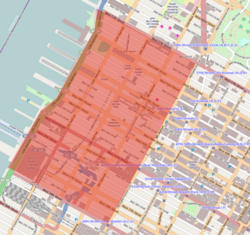
Hell’s Kitchen is a vibrant neighborhood in Midtown Manhattan, New York City. It’s bordered by 34th Street to 59th Street, between 8th Avenue and the Hudson River. Known for its lively atmosphere, Hell’s Kitchen offers diverse dining options and a rich cultural scene.
Hell’s Kitchen, a neighborhood in New York City, has distinct geographical boundaries. Located in the borough of Manhattan, this area is bustling with life and history. Known for its vibrant culture and rich heritage, Hell’s Kitchen is a popular destination for tourists and locals alike. Understanding its geographical boundaries helps appreciate the neighborhood’s unique charm.East Boundary: Eighth Avenue
Hell’s Kitchen stretches from Eighth Avenue on its eastern side. This avenue is a major thoroughfare, lined with shops and restaurants. It connects the neighborhood to the rest of Manhattan. Walking along Eighth Avenue offers a glimpse into the dynamic atmosphere of the city.West Boundary: Hudson River
To the west, Hell’s Kitchen is bordered by the Hudson River. This natural boundary provides scenic views and recreational opportunities. The riverfront is perfect for walking or cycling. It offers a peaceful escape from the urban hustle.North Boundary: 59th Street
The northern limit of Hell’s Kitchen is 59th Street. This street separates the neighborhood from the upscale areas of Midtown Manhattan. It’s a gateway to Central Park and other famous attractions. Visitors often start their exploration from this point.South Boundary: 34th Street
Hell’s Kitchen extends south to 34th Street. This street is a busy commercial hub. It’s close to landmarks like the Javits Center and Madison Square Garden. The southern boundary is a vibrant mix of business and entertainment. Understanding these boundaries helps navigate Hell’s Kitchen with ease. Each part contributes to the neighborhood’s diverse character. Whether strolling along the Hudson or exploring Eighth Avenue, Hell’s Kitchen offers a unique New York experience.Cultural Significance
Hell’s Kitchen, in New York City, is a vibrant neighborhood full of cultural history. Located on the West Side of Midtown Manhattan, it offers diverse dining, theaters, and lively streets. Known for its rich past, Hell’s Kitchen showcases the dynamic spirit of New York.
Hell’s Kitchen, a vibrant neighborhood in New York City, boasts rich cultural significance. Known for its eclectic mix of residents and diverse backgrounds, it offers a unique cultural tapestry. Its influence extends beyond its borders, shaping the city’s artistic and culinary scenes. Hell’s Kitchen is a melting pot of traditions, where every corner tells a story.History And Heritage
Hell’s Kitchen has a storied past, steeped in history. It was once home to Irish immigrants who shaped its early character. Over the decades, waves of newcomers added to its cultural richness. The neighborhood’s name itself evokes its rugged past. Today, historical landmarks remind visitors of its dynamic history.Artistic Influence
The arts thrive in Hell’s Kitchen, attracting creatives from everywhere. The neighborhood hosts theaters, galleries, and performance spaces. Broadway’s nearby presence amplifies its artistic significance. Many actors and artists call Hell’s Kitchen home. This creative energy fosters innovation and artistic expression.Culinary Diversity
Hell’s Kitchen is a culinary haven with diverse eateries. Restaurants offer flavors from around the world. From street food to fine dining, choices abound. Chefs experiment, creating unique dishes with global influences. This culinary variety reflects the neighborhood’s multicultural identity.Community Events
Local events unite Hell’s Kitchen residents and visitors. Street fairs, festivals, and markets celebrate its diverse culture. These gatherings foster community spirit and cultural exchange. Residents share traditions, music, and food with enthusiasm. The neighborhood’s events highlight its lively and inclusive nature.Film And Media Presence
Hell’s Kitchen often appears in films and TV shows. Its gritty charm and vibrant streets attract filmmakers. The neighborhood’s distinct character is captured on screen. This media presence adds to its cultural allure. Hell’s Kitchen stands as a symbol of urban life and energy.Credit: www.instagram.com
Transformation Over The Years
Hell’s Kitchen, a vibrant neighborhood in New York City, has transformed over the years. Located on the West Side of Midtown Manhattan, it’s known for its rich history and diverse culture.
Hell’s Kitchen, once infamous for its gritty reputation, has seen remarkable transformation over the years. This vibrant neighborhood in Manhattan has evolved from a rough-and-tumble area to a lively urban hotspot, filled with eclectic eateries, trendy bars, and cultural venues. As you wander through Hell’s Kitchen today, you can witness the fascinating blend of old and new, where historic buildings coexist with modern developments.Urban Renewal And Development
The face of Hell’s Kitchen began to change significantly in the late 20th century. Urban renewal projects spruced up the area, attracting new businesses and residents. You might notice the refurbished brownstones and sleek high-rise apartments that now characterize the skyline. Developers saw potential in Hell’s Kitchen, investing in its future and making it a desirable place to live.Rise Of The Culinary Scene
One of the most exciting transformations has been in the culinary scene. Hell’s Kitchen is now a gastronomic paradise, offering a diverse array of dining options. From casual eateries to upscale restaurants, you can find cuisines from around the globe. The neighborhood has become a go-to destination for food enthusiasts and casual diners alike.Cultural And Entertainment Hub
Hell’s Kitchen has also emerged as a cultural and entertainment hub. With Broadway theaters just a stone’s throw away, there’s always something exciting happening. Music venues, art galleries, and performance spaces have flourished, providing ample opportunities to indulge in the arts. Have you ever caught a live show here? The energy is palpable!Community And Diversity
The transformation of Hell’s Kitchen is not just physical; it’s also about community and diversity. The area has grown into a vibrant melting pot, welcoming people from different backgrounds and lifestyles. This diversity adds richness to the neighborhood, making it a dynamic and inclusive place to call home. As you walk the streets, you can feel the sense of community that binds the residents together. Wouldn’t you agree that Hell’s Kitchen is a testament to the power of change and resilience? Whether you’re a resident or a visitor, the neighborhood’s evolution is a fascinating journey to explore.Hell’s Kitchen Today
Hell’s Kitchen lies on the west side of Midtown Manhattan. It’s bordered by 34th Street to 59th Street. Known for its vibrant dining scene, this neighborhood offers a mix of old charm and modern attractions.
Hell’s Kitchen today is a vibrant neighborhood in New York City. Once known for its gritty past, it now buzzes with energy. This area offers a unique blend of modernity and tradition. It’s a place where cultures meet and thrive. With a mix of dining, real estate, and community life, Hell’s Kitchen is a lively hub.Dining And Nightlife
Hell’s Kitchen boasts a diverse culinary scene. Restaurants serve cuisines from around the globe. From street food to fine dining, options are plentiful. The nightlife is equally lively. Bars and clubs cater to various tastes. Whether you love jazz or hip-hop, there’s a spot for you.Real Estate Trends
The real estate market in Hell’s Kitchen is dynamic. New developments rise alongside historic buildings. Apartments range from luxury to more affordable options. The area attracts young professionals and families. Its central location adds to its appeal.Community And Lifestyle
Hell’s Kitchen offers a rich community life. Residents enjoy parks and cultural events. The neighborhood is known for its welcoming atmosphere. People from diverse backgrounds call it home. Community centers and local groups foster connections. It’s a place where people live, work, and play.Credit: www.newyork.co.uk
Frequently Asked Questions
Why Do They Call It Hell’s Kitchen In New York City?
Hell’s Kitchen got its name from the area’s gritty reputation in the 19th century. Local stories suggest that it was named by a cop describing the rough conditions as hotter than hell. Today, it’s a trendy neighborhood known for its dining and entertainment.
What Area Of New York City Is Hell’s Kitchen?
Hell’s Kitchen is in Midtown Manhattan, New York City. It spans from 34th to 59th Street, between Eighth Avenue and the Hudson River. Known for its vibrant dining scene, it offers a mix of residential and commercial spaces. It’s a popular area with a rich history.
Is Hell’s Kitchen A Real Place In Nyc?
Hell’s Kitchen is a real neighborhood in Manhattan, NYC. It’s famous for its vibrant culture and food scene. Known for its proximity to Broadway, this area attracts locals and tourists alike. Hell’s Kitchen offers a mix of restaurants, shops, and entertainment venues, making it a lively and diverse part of the city.
Is Hell’s Kitchen, New York Worth Visiting?
Hell’s Kitchen, New York is worth visiting. It offers diverse dining, vibrant nightlife, and cultural experiences. Explore Broadway shows, eclectic restaurants, and unique shops. The area’s lively atmosphere and rich history make it a must-see destination for travelers. Enjoy the local charm and exciting attractions.
Conclusion
Hell’s Kitchen, a vibrant part of New York City. Known for its rich history and bustling streets. It offers unique experiences and diverse cultures. From local eateries to lively nightlife, there’s something for everyone. Walking around, you feel the city’s pulse.
Its charm lies in the mix of old and new. A neighborhood evolving, yet keeping its roots. Perfect for those exploring Manhattan. Discover its hidden gems and friendly locals. Hell’s Kitchen awaits, ready to share its story. A must-visit for every New York traveler.
Experience the essence of urban living here.

Similar Posts