Where Was Hell’s Kitchen: Discover Its Iconic Location
Executive Chef & Lead Commercial Kitchen Specialist at Daily Kitchup Test Lab
Ever wondered where Hell’s Kitchen is? This intriguing name might conjure images of fiery landscapes or bustling kitchens, but the truth is far more captivating.
You’re about to uncover the story behind a neighborhood that has transformed dramatically over the years. Hell’s Kitchen isn’t just a place on a map; it’s a vibrant tapestry of history, culture, and urban evolution. As you delve deeper, you’ll discover its fascinating past and how it earned such a devilish name.
Stay with us, and you’ll see why this area has captured the imagination of so many. Ready to find out more? Let’s dive in!
Credit: comunidad.fandom.com
Geographical Boundaries
Hell’s Kitchen, a neighborhood full of history, is in Manhattan, New York City. It’s known for its vibrant culture and rich past. This area has specific boundaries that define it.
Geographical Boundaries Of Hell’s Kitchen
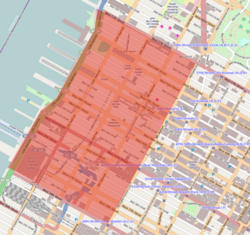
Hell’s Kitchen sits between Eighth Avenue and the Hudson River. Its northern border is 59th Street. On the south, it stretches to 34th Street. This neighborhood is in the heart of Midtown Manhattan.
East To West Limits
The eastern boundary of Hell’s Kitchen is Eighth Avenue. This bustling avenue is full of life and activity. The western boundary is the serene Hudson River. It offers a stark contrast to the busy streets.
North To South Limits
The neighborhood starts at 59th Street to the north. This area is near Central Park’s southern edge. The southern end is at 34th Street. It is close to the busy Penn Station area.
Neighboring Areas
To the north, Hell’s Kitchen borders the Upper West Side. On the south, it meets the vibrant Chelsea neighborhood. To the east, it borders the busy Theater District. The Hudson River lies to the west.
Cultural Influence
Hell’s Kitchen, a vibrant neighborhood in New York City, showcases diverse cultural influences. Known for its rich history, it blends various ethnic cuisines and artistic expressions, making it a unique cultural hub.
Hell’s Kitchen, an iconic neighborhood in New York City, boasts a rich tapestry of cultural influences that have shaped its identity. Nestled between the Hudson River and the bustling avenues of Midtown Manhattan, this area is a melting pot of diverse traditions and artistic expressions. Its unique character is deeply rooted in its proximity to the Theatre District and the vibrant ethnic diversity that defines its streets.Theatre District Proximity
Hell’s Kitchen’s close proximity to the Theatre District has played a significant role in its cultural landscape. This neighborhood has long been a haven for aspiring actors, playwrights, and artists seeking inspiration and opportunity. Walking through its streets, you might encounter a star in the making, rehearsing lines or sharing stories of auditions. The energy of Broadway spills over into the neighborhood, infusing it with creativity and a love for the arts. Restaurants and cafes often host impromptu performances, providing a stage for both seasoned and budding performers. Have you ever wandered into a local diner and witnessed a spontaneous musical number?Ethnic Diversity Impact
The ethnic diversity of Hell’s Kitchen is another cornerstone of its cultural influence. The neighborhood is home to a rich mosaic of communities, each contributing their unique customs and cuisines. From Irish pubs to Korean BBQ joints, the variety of food options is a feast for the senses. This diversity isn’t just culinary; it’s woven into the social fabric of the area. Festivals celebrating different cultures are commonplace, inviting everyone to partake in the joyous amalgamation of traditions. Have you ever attended a street fair here and felt the world come alive in a single block? The blend of cultures in Hell’s Kitchen encourages a spirit of inclusion and understanding. It fosters a neighborhood where your story, no matter how different, finds a place. This welcoming atmosphere makes Hell’s Kitchen not just a place to live but a vibrant community to belong to.Transformation Over Time
Hell’s Kitchen, once a rough neighborhood in New York City, has transformed into a vibrant area. Known for its diverse culture, it now offers trendy restaurants and entertainment spots, attracting locals and tourists alike.
Hell’s Kitchen, once a gritty neighborhood, has seen significant changes. Over the years, it transformed into a vibrant area with diverse culture and history. This transformation is evident in its urban development and the effects of gentrification.Urban Development
Hell’s Kitchen was known for its industrial roots. Factories and warehouses dominated the landscape. Streets were bustling with workers and the sounds of industry. Over time, these industrial sites gave way to new developments. Skyscrapers began to rise, changing the skyline. Modern apartment buildings replaced old tenements. This brought new residents and businesses to the area. Shops and restaurants flourished, attracting more visitors. The neighborhood became a blend of old and new architecture. Parks and green spaces were added, enhancing urban life. Public transportation improved, making the area more accessible.Gentrification Effects
As Hell’s Kitchen developed, gentrification took hold. This brought both positive and negative changes. Property values increased as new residents moved in. Long-time residents faced rising rents and living costs. Some locals had to relocate due to these pressures. The area’s cultural landscape began to shift. New businesses catered to affluent newcomers. Traditional shops and eateries struggled to compete. Despite these challenges, the neighborhood retained its charm. Efforts were made to preserve its unique identity. Community programs aimed to support existing residents. The blend of cultures created a vibrant community spirit. Hell’s Kitchen continues to evolve, balancing growth and heritage.Famous Landmarks
Hell’s Kitchen, a vibrant neighborhood in New York City, is known for its rich history and famous landmarks that tell stories of its past and present. Walking through its streets, you can’t help but feel the pulse of the city. The landmarks here are not just tourist attractions; they are a testament to the neighborhood’s resilience and character.
Notable Buildings
Among the architectural gems, the Worldwide Plaza stands tall. Completed in 1989, this skyscraper offers breathtaking views and houses offices that drive the city’s economy. Another remarkable building is the Hearst Tower, known for its innovative design and commitment to sustainability.
Have you ever wondered what it’s like to work in a skyscraper surrounded by the buzz of Hell’s Kitchen? It’s an experience like no other, blending urban hustle with architectural beauty.
Historic Sites
Hell’s Kitchen is a treasure trove of history. The Intrepid Sea, Air & Space Museum, located on the Hudson River, is a must-visit. It serves as a living reminder of America’s naval and aerospace history. Exploring it feels like stepping back in time.
The Actors Studio, another historic site, is where many legendary actors honed their craft. Walking by it, you can almost hear the echoes of dramatic monologues and feel the spirit of creativity.
What do you think these landmarks say about the identity of Hell’s Kitchen? Each site not only marks a point on the map but also offers a glimpse into the soul of this iconic neighborhood.
Credit: www.enr.com
Pop Culture Connections
Hell’s Kitchen, a vibrant neighborhood in New York City, is rich in culture and history. Located west of Midtown Manhattan, it’s known for its bustling nightlife and eclectic dining options.
Hell’s Kitchen, a vibrant neighborhood in New York City, has left an indelible mark on pop culture. Its gritty charm and urban vibe have inspired countless stories across various media. From the silver screen to the pages of novels, Hell’s Kitchen has become a symbol of resilience and raw city life.Film And Television
Hell’s Kitchen’s cinematic appeal is undeniable. The neighborhood has provided the backdrop for numerous films and TV shows, immersing audiences in its unique atmosphere. Movies like Daredevil capture its stark contrast of light and shadow, echoing the internal struggles of its characters. On television, Hell’s Kitchen is often portrayed as a character in its own right. Shows like Jessica Jones and Luke Cage showcase its bustling streets and diverse community, making the neighborhood almost tangible to viewers. If you’ve ever walked through its avenues, you might find yourself recognizing scenes straight from your favorite series.Literary References
The gritty allure of Hell’s Kitchen has also made its way into literature. Authors often choose this neighborhood as a setting to bring a sense of authenticity and depth to their stories. In novels like The Kitchen God’s Wife, Hell’s Kitchen serves as more than just a backdrop—it’s a living, breathing entity that influences the narrative. Writers find inspiration in its rich history and evolving landscape, drawing readers into tales that are as complex as the neighborhood itself. Have you ever considered how a place can shape a story? Hell’s Kitchen exemplifies how a setting can become an integral part of storytelling, adding layers to the characters’ lives and experiences. Whether through a gripping TV show or a compelling novel, Hell’s Kitchen continues to captivate and inspire. Its pop culture connections remind us of the powerful role that place can play in creative expression. Next time you watch a movie or read a book set in Hell’s Kitchen, take a moment to appreciate the neighborhood’s influence on the story.Modern Hell’s Kitchen
Modern Hell’s Kitchen is located in Midtown Manhattan, New York City. Known for its vibrant nightlife and diverse dining options, this bustling neighborhood is a popular destination for locals and tourists alike.
Modern Hell’s Kitchen has transformed into a vibrant neighborhood. It blends historic charm with contemporary allure. This area offers an exciting mix of activities. Residents and visitors enjoy diverse experiences. The streets pulse with energy day and night. From tantalizing dining options to lively community gatherings, there’s something for everyone. Explore the essence of Modern Hell’s Kitchen.Dining And Nightlife
Hell’s Kitchen boasts an array of dining choices. Restaurants cater to all tastes and budgets. Enjoy international cuisines and local favorites. Trendy bars and lounges line the streets. They offer craft cocktails and live music. Nightlife here is vibrant and diverse. Dance clubs host local DJs. Each venue has its unique atmosphere. You can find a spot that matches your mood.Community Events
Community events bring neighbors together. They foster a sense of belonging. Seasonal festivals are popular here. Art shows highlight local talent. Farmers markets offer fresh produce. They support local vendors and artisans. Street fairs are filled with music and food. These events create lasting memories. Residents and visitors enjoy participating. They strengthen the community spirit.Frequently Asked Questions
Why Do They Call It Hell’s Kitchen In New York City?
Hell’s Kitchen got its name from the area’s rough reputation in the 19th century. It was known for crime and poverty, leading to the nickname from locals, possibly inspired by a notorious tenement or a famous police officer’s comment.
Where Is The Original Hell’s Kitchen Located?
The original Hell’s Kitchen is located in Midtown Manhattan, New York City. This vibrant neighborhood stretches from 34th to 59th Street between Eighth Avenue and the Hudson River. Known for its rich history and diverse culture, Hell’s Kitchen offers a mix of dining, theater, and nightlife options.
Is Hell’s Kitchen A Real Place In Nyc?
Yes, Hell’s Kitchen is a real neighborhood in New York City. It’s located on the West Side of Midtown Manhattan. Known for its vibrant arts scene and diverse dining options, this area has become a popular spot for both locals and tourists.
What City Is Hell’s Kitchen In?
Hell’s Kitchen is a neighborhood located in New York City. It’s situated on the West Side of Midtown Manhattan. Known for its vibrant culture, this area is popular for dining and entertainment. Visitors enjoy exploring its diverse restaurants and attractions.
Conclusion
Hell’s Kitchen holds a rich and vibrant history. This area, once notorious, now thrives with culture and diversity. Its transformation is remarkable. Once filled with challenges, now filled with opportunities. Streets echo stories of resilience and change. Visitors and locals enjoy its lively vibe.
Restaurants serve unique flavors, reflecting the neighborhood’s journey. Exploring Hell’s Kitchen reveals a blend of past and present. A place where tradition meets modern life. Curious minds find joy in its dynamic streets. Hell’s Kitchen stands as a testament to urban evolution.
A neighborhood alive with history and hope.

Similar Posts