
Your kitchen is the heart of your home, where delicious meals are prepared and memories are made. But what happens when an unpleasant odor like rotten eggs invades this space?
If you’ve ever asked yourself, “Why does my kitchen sink smell like rotten eggs? ” You’re not alone. This mysterious and unwelcome scent can be more than just a nuisance; it can disrupt your daily routine and tarnish the atmosphere of your home.
Imagine inviting friends over for dinner, only to be greeted by that unmistakable stench. You deserve a clean, fresh-smelling kitchen, and getting to the root of this issue is the first step. Stick with us as we unravel the mystery behind that rotten egg smell and provide you with practical solutions to restore the harmony of your kitchen. Your nose—and your guests—will thank you.
Causes Of Rotten Egg Smell
A rotten egg smell from your kitchen sink might indicate sulfur bacteria in the drain. These bacteria release hydrogen sulfide gas, creating the foul odor. Blocked pipes or trapped food particles can also cause this unpleasant smell. Regular cleaning can help eliminate these odors.
The smell of rotten eggs in your kitchen sink can be unpleasant. It often indicates a deeper issue that needs your attention. Understanding the causes can help you address the problem effectively. Below are common reasons why your kitchen sink might have this foul odor.Sewer Gas Leakage
A leak in your sewer line can cause a rotten egg smell. Sewer gas contains hydrogen sulfide, which smells like rotten eggs. This can seep into your home through faulty plumbing. Check for cracks or leaks in pipes. Fixing these can help eliminate the smell.Bacterial Growth In Drain
Bacteria thrive in warm, moist environments like drains. They can produce gases that smell like rotten eggs. Regular cleaning can reduce bacterial growth. Pour a mixture of baking soda and vinegar down the drain. This cleans and helps prevent odors.Decaying Food Particles
Food particles stuck in the drain can rot over time. This decay creates a smell similar to rotten eggs. Ensure you clear food debris regularly. Use a drain strainer to catch food scraps. This simple step can help keep your sink smelling fresh.
Credit: www.aol.com
Immediate Solutions
A foul smell from your kitchen sink often means bacteria in the drain. This can result from trapped food particles. Cleaning the drain regularly with baking soda and vinegar can help eliminate the odor.
If you’ve ever walked into your kitchen only to be greeted by the unpleasant stench of rotten eggs, you’re not alone. This odor can be quite off-putting, especially when you’re trying to enjoy cooking or sharing a meal with loved ones. Thankfully, there are immediate solutions you can try to tackle this issue head-on. Let’s explore some simple yet effective ways to combat that pesky smell.Flush With Boiling Water
A quick and straightforward way to address the smell is by flushing your sink with boiling water. Boiling water can help dissolve and dislodge any buildup in your pipes that might be contributing to the odor. Simply boil a kettle or pot of water and carefully pour it down the drain. Repeat this process a few times for optimal results. The hot water will not only help eliminate the smell but can also prevent future clogs by clearing out debris.Use Baking Soda And Vinegar
Baking soda and vinegar are a dynamic duo when it comes to cleaning and deodorizing. Start by pouring a generous amount of baking soda down the drain. Follow it with a cup of vinegar and watch as the fizzing action works its magic. This natural reaction helps break down the gunk and grime causing the smell. After letting it sit for about 15 minutes, rinse with hot water to wash away any remaining residue. This method not only neutralizes odors but also leaves your sink sparkling clean.Lemon Peels For Freshness
For a fresh and citrusy scent, consider using lemon peels. Not only do they smell delightful, but they also have natural cleaning properties. Toss a few lemon peels into the garbage disposal and run it for a few seconds with cold water. The grinding action releases the essential oils from the peels, leaving your sink smelling fresh and clean. Plus, it’s a great way to make use of leftover lemon peels that might otherwise go to waste. These quick fixes can make a significant difference in how your kitchen smells. Have you tried any of these methods before? Or perhaps you have a unique trick up your sleeve? Share your experiences and let’s keep our kitchens smelling fresh together!Preventive Measures
Identifying the source of the smell is crucial. Regularly clean the drain and check for any blockages. Use baking soda and vinegar to naturally eliminate odors, keeping your kitchen fresh.
Preventive Measures Struggling with a kitchen sink that smells like rotten eggs can be both frustrating and embarrassing. Tackling the odor at its root is crucial, but establishing preventive measures can save you from future headaches. Making small changes in your daily habits can make a big difference in maintaining a fresh-smelling kitchen.Regular Cleaning Routine
A regular cleaning routine is your first line of defense against unwanted odors. Consider setting aside a few minutes each week to clean your sink and its surrounding areas. Use hot water mixed with vinegar or baking soda to flush out any residue that might be lurking down the drain. Scrub the sink basin with a gentle cleanser and pay special attention to the drain area.Proper Food Disposal
Improper food disposal is a common culprit behind foul smells. Avoid letting food scraps linger in your sink, as they can quickly become a breeding ground for bacteria. Use a strainer to catch food particles before they go down the drain. Dispose of them immediately in your trash or compost bin.Avoid Grease Buildup
Grease buildup can cause not only odors but also plumbing issues. Be mindful of what you pour down your sink and avoid disposing of any greasy substances. Consider storing used cooking oil in a container and disposing of it in the trash instead. Regularly check your pipes for grease buildup to prevent any future blockages.
Credit: www.tapwarehouse.com
When To Call A Professional
A persistent rotten egg smell in your kitchen sink often signals a plumbing issue. Consider calling a professional if cleaning the drain and garbage disposal doesn’t resolve the odor. They can identify hidden problems like sewer gas leaks or blocked vents.
When your kitchen sink starts to emit a smell resembling rotten eggs, it’s not just unpleasant—it’s a sign that something might be wrong. While some minor issues can be fixed with a DIY approach, certain situations demand the expertise of a professional plumber. Knowing when to call a professional can save you from further complications and costly repairs down the line.Persistent Smell Issues
If you’ve tried all the usual fixes like cleaning the drain, using baking soda, or pouring vinegar, and the smell still lingers, it’s time to bring in a professional. A plumber can diagnose underlying issues that aren’t visible to the naked eye. You shouldn’t have to live with a constant unpleasant odor in your kitchen.Blocked Or Damaged P-trap
The P-trap is designed to block odors from seeping into your kitchen. When it’s blocked or damaged, it can allow gases to escape, leading to that rotten egg smell. A professional can inspect the P-trap to ensure it’s in good condition and functioning properly.Sewer Line Problems
A more serious cause of a foul smell could be issues with your sewer line. This isn’t something you can handle on your own. Professionals have the tools and experience to deal with sewer line problems effectively. Do you really want to risk aggravating the problem by ignoring it? If any of these issues sound familiar, it’s time to pick up the phone and call a professional plumber. Don’t wait for small problems to become major headaches.Natural Cleaning Products
A rotten egg smell from your kitchen sink often points to bacteria buildup. Natural cleaning products can effectively tackle this issue. They eliminate odors while ensuring a chemical-free cleaning process, keeping your kitchen fresh and safe.
Natural cleaning products can effectively tackle the unpleasant smell in your kitchen sink. These options are eco-friendly and safe for your home environment. They help neutralize odors without the use of harsh chemicals. Let’s explore some simple yet effective solutions.Vinegar And Baking Soda Mix
A vinegar and baking soda mix is a classic solution. It naturally deodorizes and cleans drains. Pour one cup of baking soda down the sink. Follow it with a cup of vinegar. The mixture will fizz, breaking down grime. After 15 minutes, flush with hot water. This method helps remove stubborn residues causing odors.Citrus-based Cleaners
Citrus-based cleaners are great for eliminating rotten egg smells. They leave a fresh scent while cleaning. You can use lemon or orange peels. Grind them in the garbage disposal. Their natural oils clean and freshen your drain. Alternatively, use a commercial citrus cleaner. Follow the instructions on the label for best results.Enzyme Drain Cleaners
Enzyme drain cleaners offer a natural way to clear smelly sinks. These cleaners use enzymes to break down organic matter. They are safe for pipes and the environment. Pour the enzyme cleaner as directed. Let it sit overnight for maximum effect. This method not only clears odors but also prevents future clogs.Diy Maintenance Tips
A rotten egg smell in the kitchen sink often signals a plumbing issue. Bacteria in the drain or trapped food particles can cause this unpleasant odor. Regular cleaning and maintenance can prevent buildup and keep your sink smelling fresh.
DIY maintenance can prevent your kitchen sink from smelling like rotten eggs. Regular upkeep keeps drains clear and odor-free. Here are some simple tips to maintain a fresh kitchen sink.Regular Use Of Drain Strainers
Drain strainers catch food particles before they enter the drain. Place them over the drain opening. Empty them daily to prevent buildup. This simple step reduces the risk of clogs and odors. Strainers are affordable and easy to find. They fit most sink sizes.Monthly Drain Cleaning
Clean drains monthly to keep them clear. Use a mixture of baking soda and vinegar. Pour half a cup of baking soda down the drain. Follow with one cup of vinegar. Let it fizz for 15 minutes. Rinse with hot water. This natural method removes grime and odor-causing bacteria. No harsh chemicals needed.Check For Leaks
Leaks under the sink can cause bad smells. Check pipes and seals regularly. Look for drips or moisture. Tighten loose connections with a wrench. Replace worn-out gaskets. Fixing leaks prevents mold and mildew. It keeps your kitchen fresh and healthy.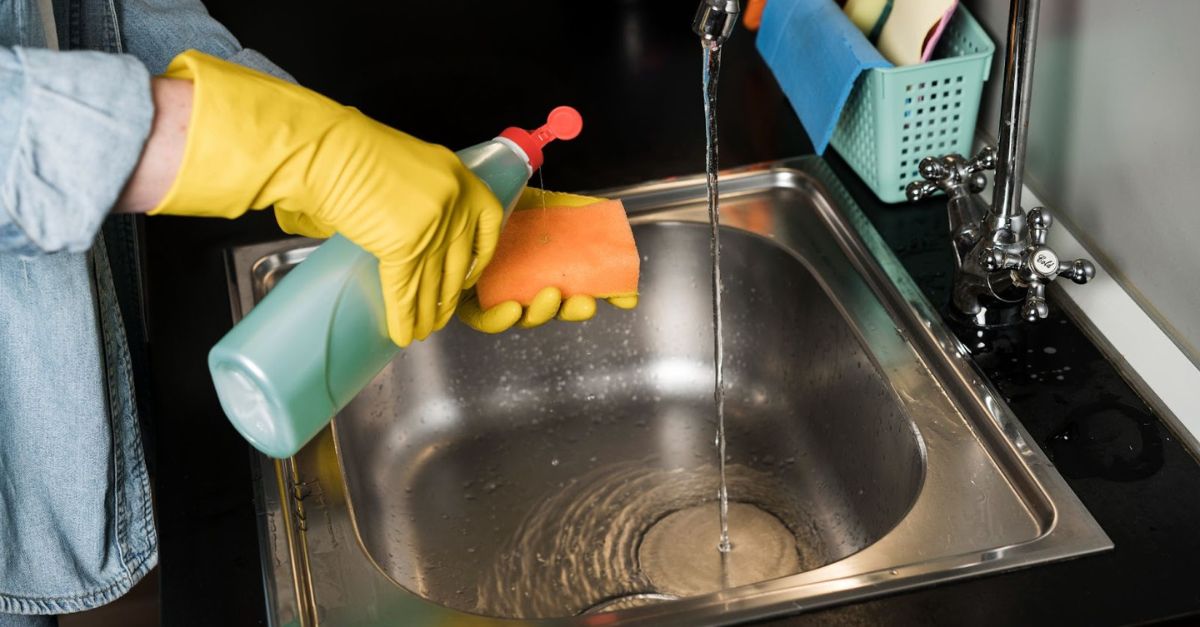
Credit: www.vevor.com
Frequently Asked Questions
How Do You Fix A Sink That Smells Like Rotten Eggs?
Clean the drain with baking soda and vinegar. Pour hot water down the sink. Check for clogged pipes. Use a drain cleaner if needed. Ensure the trap is not dry. Replace worn-out pipes or seals to prevent odors. Ventilate the area to disperse the smell quickly.
How Do I Get My Sink To Stop Smelling Like Sulfur?
Pour baking soda and vinegar down the drain to neutralize odors. Run hot water after 30 minutes. Clean the sink trap to remove debris. Use lemon juice for a fresh scent. Regularly maintain your pipes to prevent sulfur smells.
How Do I Stop My Kitchen Sink From Smelling Like Sewer Gas?
Clean the sink drain with baking soda and vinegar. Pour boiling water down the drain. Check and clean the P-trap. Ensure the vent pipe is unobstructed. Use lemon or orange peels for a fresh scent.
Why Does My Kitchen Sink Smell Like Rotten Eggs When I Run The Washing Machine?
Your kitchen sink smells like rotten eggs due to sewer gas escaping from a blocked vent pipe or dry P-trap. Ensure proper ventilation and regularly clean the trap to prevent odors. A plumber can help address persistent issues and ensure your plumbing system functions correctly.
Conclusion
A smelly kitchen sink can be frustrating. Rotten egg odor often signals plumbing issues. Check the drain, pipes, and garbage disposal. Simple cleaning might solve the problem. Baking soda and vinegar are great options. If the smell persists, consider calling a professional.
Regular maintenance prevents future odors. Keep your kitchen fresh and pleasant. Addressing the issue early is key. Don’t ignore a foul smell. Your kitchen deserves a clean and inviting atmosphere. Fixing the smell ensures a happy home environment. Enjoy cooking without unpleasant odors.
Keep your kitchen safe and hygienic for everyone.