
Have you ever found yourself strolling through the vibrant streets of New York City, only to stumble upon a neighborhood with the intriguing name “Hell’s Kitchen”? If so, you’re not alone.
The name itself sparks curiosity and a sense of mystery. Why would such a bustling area bear such a fiery moniker? As you delve deeper into this article, you’ll uncover the fascinating history and stories behind Hell’s Kitchen’s name. Prepare to be captivated by tales of the past and discover how this iconic neighborhood earned its unforgettable title.
Don’t miss out on the chance to satisfy your curiosity and learn something new about this infamous part of NYC. Your journey into the heart of Hell’s Kitchen begins here.

Credit: www.instagram.com
Origins Of The Name
Have you ever wandered through the bustling streets of Hell’s Kitchen and wondered about the origins of its intriguing name? This Manhattan neighborhood, known for its vibrant culture and history, has a name that evokes curiosity and speculation. Understanding the roots of Hell’s Kitchen’s name can offer a fascinating glimpse into the area’s colorful past.
Historical Context
In the late 19th century, New York City was a rapidly growing metropolis, teeming with immigrants and industry. The west side of Manhattan, particularly the area now known as Hell’s Kitchen, was a hub for dockworkers and factory laborers. This working-class neighborhood was marked by its gritty atmosphere and was often associated with crime and poverty.
During this period, the city’s neighborhoods were frequently given colorful names that reflected their character or reputation. Hell’s Kitchen was no exception. The name itself conjured images of a tough, unforgiving environment, resonating with the difficult lives many residents led.
Early References
The name “Hell’s Kitchen” first appeared in print in the late 1800s, but its exact origin is somewhat unclear. Some believe it was inspired by a local gang or a notorious incident in the area. Others suggest it might have been coined by journalists or writers, looking to capture the essence of a rough neighborhood.
One popular story involves a policeman referring to the area as “Hell’s Kitchen” due to the fierce street battles and criminal activities he witnessed. Whether or not this is true, it highlights how the name came to symbolize the neighborhood’s reputation for toughness and resilience.
It’s fascinating to think about how a name can shape perceptions and identity. Hell’s Kitchen, with its evocative title, continues to intrigue and attract visitors and residents alike. Could it be that such a name, steeped in history, contributes to the neighborhood’s enduring allure?
Cultural Significance
Hell’s Kitchen, a vibrant neighborhood in New York City, carries a name shrouded in mystery and intrigue. Its cultural significance extends beyond mere geography, touching various facets of urban life and history. This area has evolved from a gritty district to a lively hub, leaving a mark on literature and media.
Literary Mentions
Hell’s Kitchen has appeared in many literary works. Authors often use it to symbolize urban struggles and resilience. Stories set here weave tales of hardship, highlighting the human spirit. The name itself evokes a sense of drama and raw energy.
Influence On Popular Media
The neighborhood’s influence on media is profound. Movies and TV shows capture its essence, bringing its gritty charm to screens worldwide. Hell’s Kitchen often serves as a backdrop for tales of survival and community. Its representation in media adds depth to its cultural identity.
Neighborhood Transformation
Hell’s Kitchen earned its name from its rough past. The area was infamous for crime and chaos. Today, it’s a vibrant neighborhood, showcasing remarkable transformation.
Neighborhood Transformation Hell’s Kitchen, located in New York City, has a rich history. Its name might sound intimidating, but the area has evolved. The transformation is remarkable. From gritty streets to vibrant communities, Hell’s Kitchen offers a unique story.Industrial Era
In the late 19th century, Hell’s Kitchen was bustling. Factories and warehouses lined the streets. The area was known for its labor class. Immigrants flocked here seeking jobs. The name “Hell’s Kitchen” reflected the tough environment. Streets were crowded and lively. Industry was the lifeline of the neighborhood.Modern Changes
Today, Hell’s Kitchen is different. Modern buildings rise above old streets. Restaurants and cafes attract visitors. The arts thrive here with theaters and galleries. Residents enjoy green spaces and parks. The community celebrates diversity and culture. Hell’s Kitchen is now a popular destination.Theories Behind The Name
Theories Behind the Name Hell’s Kitchen might be named after a notorious gang or the area’s rough past. Some believe it came from an overheard comment comparing the area’s harsh conditions to hell. The exact origin remains a mystery, fueling curiosity and speculation.
Theories Behind the Name Why is Hell’s Kitchen called Hell’s Kitchen? The neighborhood’s name sparks curiosity and debate. Some believe it has roots in folklore, while others credit local anecdotes. Let’s explore some fascinating theories that contribute to the enigmatic name.Folklore And Legends
Folklore often brings charm and mystery to a place. Hell’s Kitchen is no exception. A popular legend suggests that in the 19th century, a Dutch settler remarked about the area, referring to it as ‘Hel’s Kitchen’ due to its wild, untamed nature. Another tale hints at the neighborhood’s fiery reputation. Locals whispered about a notorious gang and their infamous hideouts. These stories have left a mark on the area’s identity, making it a place of intrigue.Local Anecdotes
Local stories add a layer of authenticity to the name. Residents often share tales about a police officer in the 1800s. He reportedly compared the neighborhood’s intense atmosphere to Hell’s Kitchen, a notorious part of London. One intriguing anecdote involves a New York Times reporter. He allegedly overheard someone say, “This place is Hell’s Kitchen,” after witnessing a street brawl. Such stories have been passed down, capturing the essence of a neighborhood with grit and personality. Have you ever wondered how a place got its name? Hell’s Kitchen is a prime example of how stories, both factual and fictional, can shape our perceptions. Would you have guessed the neighborhood’s name was born from such colorful history?Impact On Local Identity
Hell’s Kitchen, a neighborhood in New York City, got its name from its gritty past. This colorful moniker reflects the area’s tough history and vibrant culture. It has become an integral part of local identity, blending historical significance with modern urban life.
The name “Hell’s Kitchen” carries with it an aura of intrigue and mystery, deeply impacting the local identity of the area. This neighborhood in New York City has evolved from its gritty past to become a vibrant community, yet its name still holds significant cultural weight. Understanding how this unique moniker influences the local identity can offer insights into the community’s perception and its appeal to tourists.Community Perception
The residents of Hell’s Kitchen often wear the neighborhood’s name as a badge of honor. It speaks to a history of resilience and transformation, shaping a strong sense of community pride. While some might associate the name with its rough past, locals see it as a testament to the area’s enduring spirit and diversity. This sense of identity fosters unity among residents. It encourages a shared narrative that celebrates cultural richness and collective progress. The name helps forge connections among people who cherish the neighborhood’s unique character.Tourism And Branding
Hell’s Kitchen has become a compelling destination for tourists. The name itself, steeped in urban legend, draws visitors eager to explore its storied streets. This intrigue provides a significant boost to local businesses and eateries, contributing to the neighborhood’s economic vitality. The area’s branding leverages its name to offer unique experiences. From culinary tours to historical walks, Hell’s Kitchen capitalizes on its reputation to attract curious travelers. But how does this affect you as a visitor? It challenges you to look beyond the name and discover the vibrant community that thrives there. The allure of Hell’s Kitchen invites you to ponder: What stories do names tell about a place? And how do they shape our perceptions before we even set foot on the ground? Engaging with this question can deepen your appreciation for the places you explore.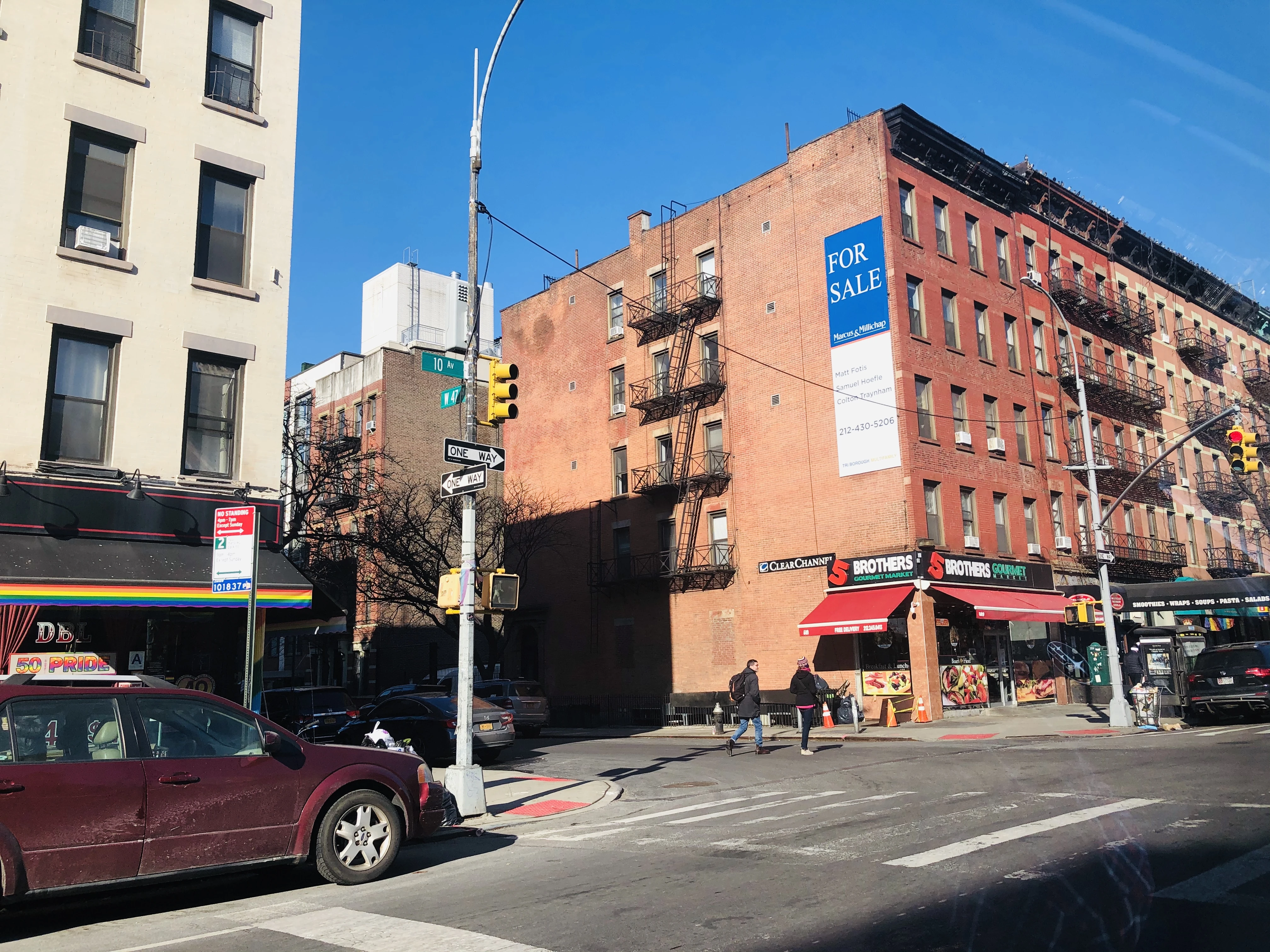
Credit: historica.fandom.com

Credit: www.imdb.com
Frequently Asked Questions
Why Was Hell’s Kitchen Called That?
Hell’s Kitchen got its name from the area’s rough reputation in the 19th century. A policeman reportedly described it as “Hell’s Kitchen,” referring to its dangerous conditions. The term stuck and became synonymous with the neighborhood’s gritty character.
What’s The Story Behind Hell’s Kitchen?
Hell’s Kitchen began as a New York neighborhood known for crime and poverty. The name gained fame through Gordon Ramsay’s reality TV show, where chefs compete under intense pressure. The show highlights culinary skills and drama, attracting global audiences. It has since become a popular entertainment brand.
What Does Hell’s Kitchen Mean In Slang?
In slang, “Hell’s Kitchen” refers to a tough, gritty neighborhood or area known for crime or rough conditions. It originally described a Manhattan neighborhood but is now used metaphorically for any challenging or harsh environment.
What Is Hell’s Kitchen Called Now?
Hell’s Kitchen is now often referred to as Clinton. The neighborhood in Manhattan maintains its vibrant atmosphere and cultural diversity. Despite the name change, locals still use “Hell’s Kitchen” to describe the area. The district offers a mix of restaurants, shops, and entertainment options.
Conclusion
Hell’s Kitchen. A name wrapped in mystery and history. Its origins spark curiosity. Some say it’s about the harsh environment. Others link it to a notorious gang. The name paints vivid images of the past. It intrigues and draws people in.
Understanding this name enriches our knowledge. New Yorkers embrace its uniqueness today. They find charm in its gritty roots. Hell’s Kitchen stands as a lively neighborhood. It offers stories worth exploring. Rich in character and history. This name continues to captivate minds.
A reminder of a city’s vibrant past. A neighborhood with tales to tell.