How Can I Get Rid of Ants in the Kitchen: Effective Tips
Executive Chef & Lead Commercial Kitchen Specialist at Daily Kitchup Test Lab
Imagine this: You walk into your kitchen, ready to enjoy a peaceful morning with a cup of coffee, only to find a trail of ants marching across your countertop. Annoying, right?
These tiny invaders can quickly turn your kitchen into a battleground, and you’re left wondering, “How can I get rid of ants in the kitchen? ” You’re not alone. Many people face this unwelcome intrusion, and the good news is, there are effective strategies to reclaim your space.
We’ll explore straightforward solutions to help you banish these pesky intruders for good. Say goodbye to those uninvited guests and hello to an ant-free kitchen. Ready to dive in? Let’s get started!
Identify Ant Species
Identifying ant species helps target kitchen infestations effectively. Use bait traps or natural repellents like vinegar. Keep counters clean and seal food containers tightly.
Identifying the ant species in your kitchen is crucial. Different ants have different behaviors. Understanding these can help in controlling them effectively. Some ants are attracted to sweets. Others may prefer proteins or fats. Knowing the type helps in choosing the right treatment.Common Kitchen Ants
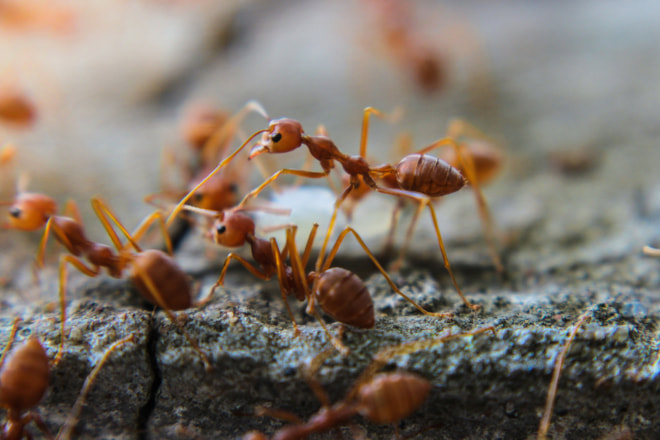
Several ant species frequent kitchens. The most common are sugar ants. These tiny ants are often seen on countertops. Pharaoh ants are another type. They are light brown and small. Odorous house ants are also common. They emit a distinct smell when crushed. Knowing these ants helps in recognizing their patterns.Behavior And Habits
Each ant species has unique habits. Sugar ants are drawn to sweet foods. They usually form long trails. Pharaoh ants nest in warm spots. They are known to spread rapidly. Odorous house ants build nests outdoors. They enter homes in search of food. Observing these behaviors can aid in their removal.Credit: alphapestcontrol.com.au
Prevent Entry Points
Seal cracks and crevices to prevent ants from entering the kitchen. Use caulk or weather strips for doors and windows. Check for gaps around pipes and seal them tightly.
Preventing ants from entering your kitchen is the first line of defense in keeping them at bay. By blocking their entry points, you can effectively minimize the ant problem before it starts. It might sound tedious, but sealing off access routes is a worthwhile investment in maintaining a pest-free kitchen. So, how can you fortify your kitchen against these tiny invaders?Seal Cracks And Crevices
Ants can sneak in through the smallest cracks and gaps. Start by inspecting your kitchen thoroughly, focusing on walls, floors, and countertops. Look for tiny cracks or crevices that might serve as doorways for ants. Use a high-quality silicone-based caulk to seal these openings. Caulk is easy to apply and dries quickly, creating a barrier that ants cannot cross. Have you ever noticed ants marching through the gap between the countertop and the wall? It’s a common entry point that often goes unnoticed. Sealing such gaps can make a significant difference.Use Weather Stripping
Doors and windows are common entry points for ants. Even the smallest gap between a door and its frame can become a highway for ants. Installing weather stripping can help eliminate these access points. Choose a durable weather stripping material that withstands frequent use. Apply it around the edges of doors and windows to create a tight seal. Think about it: when was the last time you checked the seal on your kitchen door? You might be surprised at how much difference a new weather stripping can make in keeping ants out. By addressing these entry points, you’re taking a proactive step in safeguarding your kitchen from ants. It’s not just about blocking access; it’s about ensuring your kitchen remains a place for cooking, not a battleground for pests.Maintain Cleanliness
Maintaining cleanliness in your kitchen is one of the most effective ways to keep ants at bay. Ants are attracted to food residues and sugary spills, so keeping your kitchen spotless can significantly reduce their interest in invading your space. You might be surprised at how quickly these tiny invaders can detect even the smallest crumb. Are you ready to make your kitchen ant-free?
Proper Food Storage
Ensuring proper food storage is key to preventing ants from entering your kitchen. Store your food in airtight containers to minimize scent trails that attract ants. Consider using glass or heavy-duty plastic containers, which are more secure than flimsy bags or boxes.
Keep fruits and vegetables in the fridge, rather than on the counter, to limit their exposure. This simple switch can make a huge difference. What food storage methods do you rely on to keep your kitchen pest-free?
Regular Cleaning Routine
Establishing a regular cleaning routine is crucial. Wipe down surfaces daily to remove crumbs and spills. Pay special attention to areas like under appliances or behind the sink, where food residues tend to accumulate.
Vacuum or sweep your floors frequently, especially around baseboards and under cabinets. Even the smallest piece of food can attract an entire colony of ants. How often do you clean your kitchen to ensure it’s sparkling and pest-free?
Natural Repellents
Natural repellents can effectively deter ants from invading your kitchen. Vinegar and essential oils, like peppermint or tea tree, disrupt their scent trails. Baking soda mixed with sugar can also help keep these pests at bay.
Ants in the kitchen can be a real nuisance, sneaking into your pantry and marching across countertops. But before you reach for the chemical sprays, consider natural repellents. They are not only safer for your family but also kinder to the environment. Plus, they often use ingredients you already have at home. Imagine repelling ants while keeping your kitchen fresh and chemical-free. Let’s delve into some effective natural solutions that can help you reclaim your kitchen.Vinegar Solutions
Vinegar is an incredibly versatile household item, and it turns out it’s a fantastic ant deterrent too. Ants rely on scent trails to navigate, and the strong smell of vinegar disrupts these trails. Mix equal parts of water and white vinegar in a spray bottle. Use it to wipe down surfaces where you’ve spotted ants, including countertops and floors. This method not only repels ants but also leaves your kitchen sparkling clean.Essential Oils
Essential oils are not just for aromatherapy; they can also be powerful ant repellents. Peppermint and tea tree oils are particularly effective. Their strong scents disrupt the ants’ ability to follow scent trails, much like vinegar. To make a spray, mix 10-15 drops of essential oil with a cup of water in a spray bottle. Spray it along entry points and along the ants’ trail. Not only will this repel ants, but it will also leave your kitchen smelling delightful. Plus, using essential oils can be a great way to reduce stress while tackling your ant problem.Homemade Ant Traps
Creating homemade ant traps can effectively eliminate ants in the kitchen. Mix sugar and borax, then place the mixture near ant trails. Ants are attracted to sugar, while borax disrupts their digestive system, helping to rid your kitchen of ants.
Ants marching in your kitchen can be a frustrating sight. While commercial traps are available, homemade ant traps offer a cost-effective and eco-friendly alternative. These traps can be crafted with items you likely already have in your kitchen. Let’s explore some simple yet effective homemade ant traps to help reclaim your space.Borax And Sugar Mixture
One of the most effective homemade traps involves a simple borax and sugar mixture. Borax, a natural mineral, is toxic to ants but safe for your home when used correctly. Ingredients: – 1 cup of sugar – 1 tablespoon of borax – 1/2 cup of warm water Instructions: 1. Mix the sugar and borax in a bowl. 2. Slowly add the warm water to dissolve the mixture. 3. Soak cotton balls in the solution and place them in areas where ants are seen. The sugar attracts the ants, and the borax is the secret ingredient that eliminates them. You might be surprised at how effective this simple solution can be.Baking Soda Solutions
Baking soda is another kitchen staple that can double as a powerful ant deterrent. When mixed with sugar, it creates a mixture that ants can’t resist but ultimately find lethal. Ingredients: – Equal parts baking soda and sugar Instructions: – Mix the baking soda and sugar in a shallow dish. – Place the dish near ant trails or entry points. Baking soda disrupts the ants’ digestive system, effectively eliminating them. Have you tried using baking soda for other household pests? It’s a versatile hero in disguise. By using these homemade traps, you can tackle your ant problem efficiently and naturally. Do you have other creative solutions that have worked for you? Share your experiences and help others keep their kitchens ant-free.Credit: www.callnorthwest.com
Commercial Ant Baits
Ant baits are effective for eliminating kitchen ants. These baits lure ants and poison them, targeting entire colonies. Place baits near ant trails for best results.
Ants in the kitchen can be a frustrating ordeal, but commercial ant baits offer a reliable solution. These baits work by attracting ants with a tempting food source mixed with a slow-acting poison. Once ants carry the bait back to their colony, it effectively eliminates them. This method is preferred by many due to its efficiency and ease of use. But how do you select the right product and apply it safely?Choosing The Right Product
When selecting a commercial ant bait, consider the species of ant you’re dealing with. Different baits cater to different types of ants. Look for products that specify the ant species on their packaging. Evaluate the active ingredient in the bait. Popular options include borax and hydramethylnon. Research these ingredients to ensure they are suitable for your household needs. Opt for baits that offer a combination of food sources. Ants are picky and may prefer sweet or protein-based baits. A versatile product increases the chances of success.Safe Application Tips
Place the bait stations strategically. Identify ant trails and set the bait near these paths for maximum effect. Ensure the bait is inaccessible to children and pets. Use bait stations with secure lids or place them in hard-to-reach areas. Monitor the bait regularly. Check for activity and replace the bait as needed to keep it fresh and appealing to ants. Have you ever wondered how much bait is too much? Start small and increase if necessary. It’s better to maintain control and prevent overuse. By following these guidelines, you can effectively rid your kitchen of ants while ensuring a safe environment for your family.Professional Pest Control
Eliminating ants in the kitchen requires professional pest control methods. Experts use safe treatments to target nests and entry points. Their approach ensures a clean and ant-free environment, preventing future infestations.
If you’re tired of battling ants in your kitchen and DIY methods just aren’t cutting it, it might be time to consider professional pest control. While home remedies can be effective for minor infestations, persistent problems often require a more comprehensive approach. Professional pest control services offer expertise and specialized treatments that can help you reclaim your kitchen from these pesky invaders.When To Call Experts
You might wonder when it’s the right time to bring in the professionals. If you notice that ants keep returning despite your best efforts, it’s a sign that there might be a larger colony nearby that you’re not reaching. Another cue is damage to food packaging or other areas of your kitchen, indicating a more severe infestation. If dealing with ants feels overwhelming or they’re affecting your quality of life, a professional can provide the relief you need.What To Expect
When you call a professional pest control service, they will typically start with a thorough inspection of your home. They aim to identify entry points and nesting sites that you might not have noticed. After the inspection, they will discuss treatment options with you, often involving targeted insecticides that are safe for use in homes but deadly to ants. Expect follow-up visits to ensure the problem is entirely resolved, giving you peace of mind and a kitchen free of ants.
Credit: www.exterminatoroakville.ca
Long-term Prevention
Seal food containers tightly to prevent ants. Regularly clean surfaces to eliminate crumbs and spills. Use natural repellents like vinegar to deter these pests effectively.
Long-term prevention is crucial if you want to keep ants out of your kitchen permanently. It’s not just about stopping an invasion; it’s about ensuring they don’t return. This involves consistent efforts and smart practices that make your kitchen less inviting to these tiny intruders.Regular Inspections
Regular inspections can be your best defense against ants. Make it a habit to check common entry points like windows, doors, and any cracks in the walls. Seal these openings promptly to prevent ants from marching in. You might even notice trails or nests during your inspection, giving you a chance to act before they become a full-blown problem.Sustainable Practices
Adopting sustainable practices can make your kitchen less appealing to ants. Start by storing food in airtight containers and promptly cleaning spills and crumbs. Consider using natural deterrents like vinegar or lemon juice to clean surfaces. These not only help in keeping ants away but are also environmentally friendly. Have you ever wondered why ants are attracted to your kitchen? It’s often the smallest things we overlook, like an open sugar jar or a sticky countertop. By maintaining a clean and organized space, you’re not only preventing ants but also making your kitchen a healthier environment for you and your family. What steps will you take today for a pest-free tomorrow?Frequently Asked Questions
How Do I Get Rid Of Ants In My Kitchen Fast?
Clean all surfaces and store food in airtight containers. Use vinegar or lemon juice to wipe surfaces. Place ant baits near entry points. Seal cracks and crevices. Ensure garbage is tightly sealed.
Why Do I Have Ants In My Kitchen All Of A Sudden?
Ants invade kitchens due to food crumbs, accessible water, or sweet spills. Seal food and clean surfaces regularly.
What Is The Safest Ant Killer For Kitchen?
Diatomaceous earth is a safe ant killer for kitchens. It’s non-toxic, natural, and effective against ants. Sprinkle it around entry points and affected areas. Keep it dry for the best results. Always ensure it’s food-grade to maintain kitchen safety.
What Do Ants Hate The Most In The Kitchen?
Ants dislike strong smells like vinegar, cinnamon, and peppermint oil. These scents deter them from entering kitchens. Keeping areas clean and free of food residue also helps. Seal any cracks or entry points to prevent ant invasions. Regularly use these deterrents for effective ant control in the kitchen.
Conclusion
Getting rid of ants in the kitchen requires patience and persistence. Start with cleaning your kitchen thoroughly. Seal food containers tightly to prevent attraction. Use natural repellents like vinegar and lemon juice. Consider bait traps or professional help if needed.
Regularly check for entry points and seal them. Keep your kitchen dry, as ants love moisture. Remember, maintaining a clean kitchen is crucial. Ants can be persistent, but you can win this battle. Stay vigilant and proactive in your efforts.
A clean kitchen means fewer ants. Keep your kitchen ant-free and enjoy a peaceful home.

Similar Posts