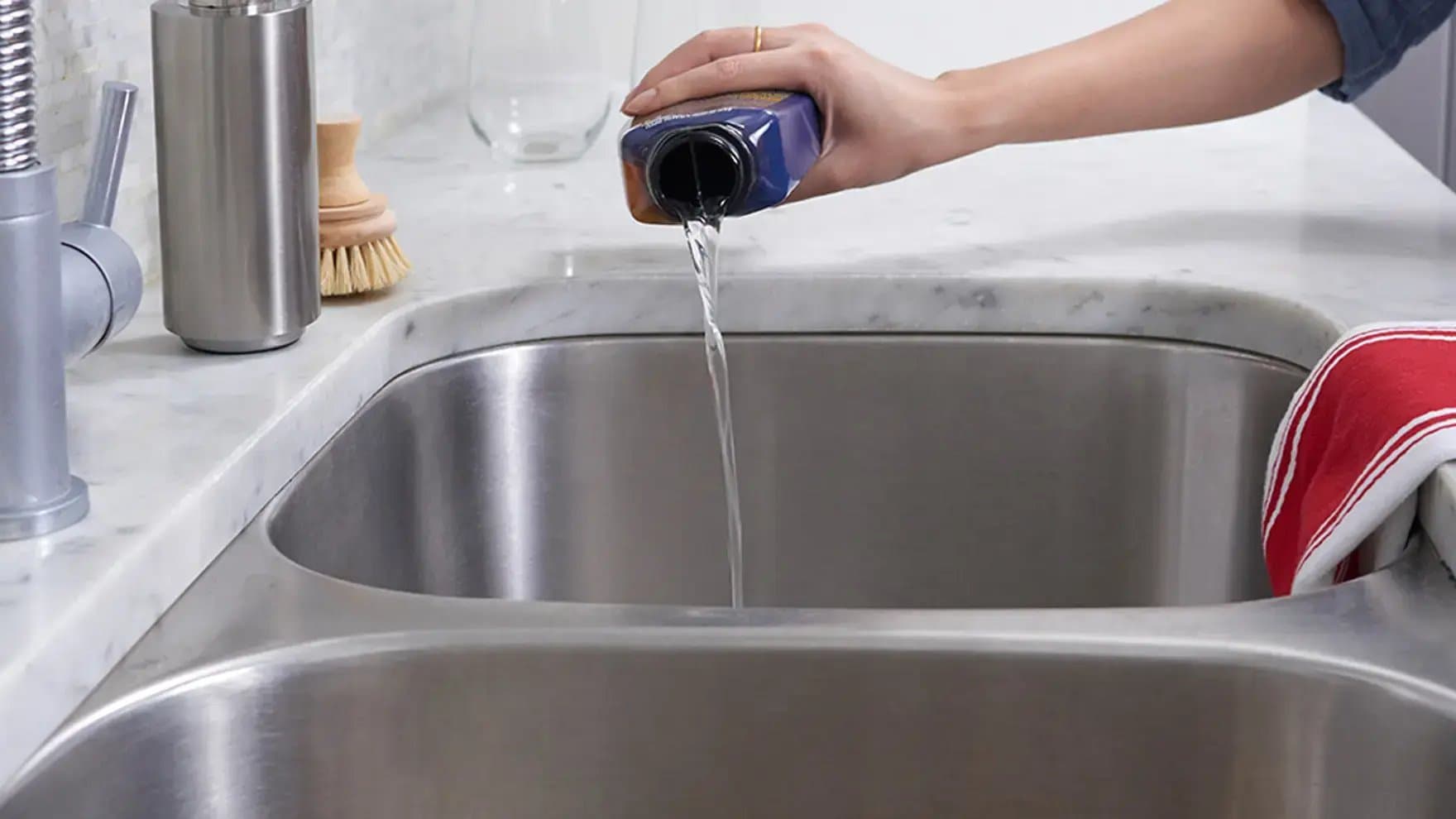
How Can I Unclog a Kitchen Sink: DIY Solutions
You’ve just finished preparing a delicious meal, only to find that your kitchen sink is clogged. It’s frustrating, right?
A clogged sink can disrupt your daily routine and turn a simple task into a headache. But don’t worry; you’re not alone, and you don’t need to be a plumbing expert to fix it. This guide will walk you through easy, effective steps to unclog your kitchen sink.
Imagine the relief and satisfaction you’ll feel when the water flows freely again. By the end of this article, you’ll be equipped with all the tools and knowledge you need to tackle this pesky problem confidently. Ready to get your sink back in working order? Let’s dive in!
Credit: www.homeserve.com
Common Causes Of Clogged Sinks
Food particles, grease, and soap scum are common culprits for clogged kitchen sinks. Use baking soda and vinegar to clear blockages.
Clogged kitchen sinks can be a real nuisance, disrupting your daily routine and causing unnecessary stress. Understanding what causes these blockages is the first step in preventing them. You might be surprised to learn that many common items can contribute to a clogged sink. By identifying these culprits, you can adopt better habits to keep your kitchen sink flowing smoothly.Food Particles
Food waste is one of the biggest offenders when it comes to clogged sinks. Bits of pasta, rice, and coffee grounds may seem harmless, but they can accumulate and create stubborn blockages. Try scraping plates and bowls into the trash before rinsing them in the sink. This simple habit can save you a lot of trouble.Grease And Oils
Pouring grease down the drain might seem like a quick solution, but it solidifies as it cools, sticking to the pipes. Over time, this can lead to significant build-up. Instead, collect used oil in a container and dispose of it in the trash once it’s full. This avoids the sticky situation entirely.Soap Residue
Did you know that soap can contribute to clogs? The fat in soap can combine with minerals in water, forming a hard residue. Regularly cleaning your sink with hot water can help dissolve this build-up. Consider using liquid soap with less fat content to minimize this risk.Foreign Objects
Small items like utensils or bits of cloth can accidentally slip down the drain, leading to blockages. Always check your sink for stray objects before running the water. Investing in a good drain cover can help prevent foreign objects from entering the pipes.Mineral Build-up
Hard water can lead to mineral deposits that accumulate over time. These deposits can narrow the pipes, slowing drainage. If you live in an area with hard water, using water softeners can help reduce mineral build-up. Regular pipe maintenance can also keep the water flowing smoothly. Are any of these culprits residing in your kitchen sink? Identifying the problem is the first step to finding a solution. By adopting preventative measures, you can ensure your kitchen sink remains clog-free.Essential Tools For Unclogging
Plungers are vital for dislodging blockages in kitchen sinks. Baking soda and vinegar create a powerful cleaning reaction. A plumber’s snake efficiently tackles stubborn clogs, reaching deep into pipes.
Unclogging a kitchen sink can be a frustrating task. Yet, having the right tools makes it simpler. These tools help you tackle most clogs efficiently. Below, you’ll find the essential tools every homeowner should consider.Plunger
A plunger is a common tool for unclogging sinks. It uses suction to clear blockages. Ensure you have a plunger with a flat rim for sinks. This helps create a tight seal.Drain Snake
A drain snake is a flexible tool for reaching deep clogs. It breaks apart tough blockages. Insert it into the drain and turn the handle.Pipe Wrench
A pipe wrench is useful for loosening pipe joints. It helps when you need to remove the trap. Make sure to have a firm grip to avoid slipping.Baking Soda And Vinegar
These household items form a natural cleaner. Pour baking soda into the drain, then vinegar. The fizzing action helps break down clogs.Bucket And Towels
A bucket catches water when you remove pipes. Towels keep your area dry and clean. Always have them ready before starting your work.Gloves
Wear gloves to protect your hands from dirt and chemicals. They also provide better grip on tools. Choose waterproof gloves for messy jobs.Natural Solutions
Unclogging a kitchen sink can be a frustrating experience, especially when you’re trying to avoid harsh chemicals. Fortunately, there are natural solutions that can help you tackle this problem effectively. These methods use everyday household items, making them accessible and eco-friendly. Let’s dive into two popular techniques that might just save the day!
Baking Soda And Vinegar Method
This method is a classic natural solution that uses two ingredients you likely already have in your pantry. Begin by pouring a pot of boiling water down the drain to loosen any debris. Next, sprinkle a cup of baking soda into the sink, followed by a cup of vinegar. The combination creates a fizzing reaction that can help dislodge stubborn clogs.
Let the mixture sit for about 15 minutes. During this time, you might even hear some bubbling sounds as it works its magic. Finally, flush the drain with another pot of boiling water. This method not only helps clear the blockage but also neutralizes odors.
Salt And Boiling Water Technique
Sometimes, simplicity is the key to solving a problem. The salt and boiling water technique is straightforward and effective. Start by removing as much standing water from the sink as possible. Then, pour half a cup of salt into the drain. Table salt or kosher salt works well.
Follow up by pouring a pot of boiling water down the drain. The heat from the water combined with the abrasive nature of salt can break down greasy build-ups. This technique can be particularly useful for minor clogs. If you notice the water draining more smoothly, you might have successfully solved the issue.
Have you tried these natural methods before? If not, they might be worth a shot next time your kitchen sink decides to act up. Not only are they easy, but they also spare you from the harsh chemicals found in many commercial drain cleaners.
Credit: www.familyhandyman.com
Using A Plunger
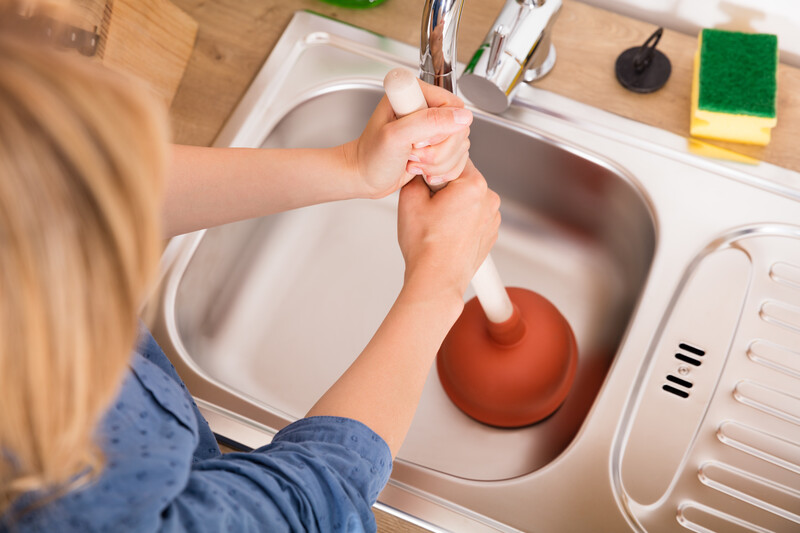
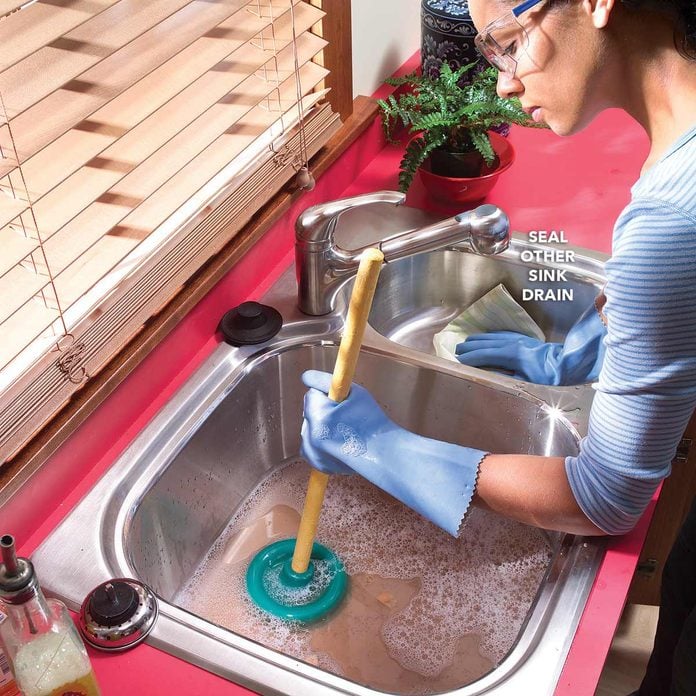
Using a plunger can effectively unclog a kitchen sink. First, ensure the sink contains some water. Place the plunger over the drain and push down firmly, then pull up quickly. Repeat this motion several times until the clog clears.
If you’ve ever experienced the frustration of a clogged kitchen sink, you know how disruptive it can be. One effective method to tackle this problem is using a plunger. It may seem simple, but a plunger can work wonders when used correctly. Let’s dive into how you can use this tool to restore the flow in your kitchen sink.Choosing The Right Plunger
Not all plungers are created equal. For a kitchen sink, you need a cup plunger, which has a flat rim and is ideal for flat surfaces. Unlike toilet plungers with a flange, the cup plunger ensures a tight seal over the sink drain. When selecting a plunger, check for a sturdy handle and durable rubber cup. These features can enhance the effectiveness of your plunging efforts. Remember, a good plunger is a valuable investment for your home toolkit.Proper Plunging Technique
First, fill the sink with enough water to cover the plunger’s cup. This water is crucial as it helps create the suction needed to dislodge the clog. Position the plunger over the drain, ensuring a tight seal. Use firm, controlled pushes to build up pressure. After several plunges, quickly pull the plunger away. This action can help break up the clog and allow water to drain smoothly. If the water drains, you’re successful! If not, try a few more times before considering other methods.Plumbing Snake Method
The plumbing snake method is an effective way to unclog a kitchen sink. Insert the snake into the drain and twist until you feel resistance. Pull it out slowly to remove debris causing the blockage.
Unclogging a kitchen sink can be frustrating. The plumbing snake method is effective. It’s a handy tool to clear stubborn clogs. This method involves using a flexible, coiled wire. The wire is inserted into the drain to break up blockages.How To Use A Drain Snake
First, gather your tools. You’ll need a drain snake and a bucket. Place the bucket under the sink to catch water. Remove the sink trap carefully. Insert the snake into the drainpipe slowly. Turn the handle clockwise as you push it in. Feel for resistance to locate the clog. Once you find it, keep turning the handle. This action should break up the blockage. Pull the snake out and reassemble the sink trap. Run water to check if the clog is gone.Safety Tips For Snake Usage
Wear gloves to protect your hands from dirt. Ensure the snake is clean before using it. Keep your hair tied back to avoid accidents. Avoid using excessive force with the snake. It could damage the pipes. Always read the tool’s instructions for safe use. Store the snake properly after use to prevent injuries.Chemical Drain Cleaners
Chemical drain cleaners can quickly dissolve clogs in kitchen sinks. These powerful solutions break down grease, food particles, and soap residue, restoring smooth drainage and flow. Always follow safety instructions when using chemical cleaners to ensure effective and safe unclogging.
Chemical drain cleaners can be a quick fix for unclogging your kitchen sink when other methods fall short. These powerful solutions dissolve stubborn blockages caused by food particles, grease, and soap scum. While they can be effective, it’s essential to understand when and how to use them safely to prevent damage to your plumbing or harm to yourself.When To Use Chemicals
Consider using chemical drain cleaners only when you’ve exhausted other options like plunging or using a drain snake. They are best suited for minor clogs that aren’t too deep. If you’re dealing with a recurring issue or a significant blockage, it might be wise to consult a plumber. Chemical cleaners are not always the first solution, but they can be a lifesaver in a pinch.Safety Precautions
Using chemical drain cleaners requires careful handling. Always wear gloves and goggles to protect your skin and eyes from splashes. Ensure the area is well-ventilated to avoid inhaling fumes. Follow the instructions on the label meticulously. Ever wondered why they always advise against mixing different cleaners? It’s because combining them can create dangerous gases or even cause explosions. Never pour boiling water or use a plunger after adding the chemicals, as this could lead to a hazardous reaction. Chemical drain cleaners can be helpful, but they demand respect and caution. Are you confident that you can handle these potent solutions safely? Understanding their power and risks is crucial for maintaining a safe and functional kitchen.Preventive Measures
Regularly clean the sink drain to prevent clogs. Use a mixture of baking soda and vinegar monthly. Avoid pouring grease or large food scraps down the drain to maintain smooth flow.
Preventive measures are crucial to keeping your kitchen sink free from clogs. By adopting a few simple habits, you can avoid the frustration of a blocked drain. Think of these measures as your sink’s daily vitamins, ensuring it remains healthy and functional.Regular Maintenance Tips
Regular upkeep is key to preventing clogs. Consider pouring a mixture of baking soda and vinegar down your drain weekly. This combo acts like a mini volcano, bubbling away potential blockages before they become a problem. Hot water is your friend. Run it through the sink after each use to flush down any lingering debris. Have you ever noticed how coffee grounds can stick around? A quick rinse with hot water can help keep them moving.Proper Waste Disposal Practices
Your kitchen sink isn’t a trash bin. Avoid sending potato peels or eggshells down the drain. These items tend to form a stubborn paste that can block water flow. Use a strainer to catch bits of food and prevent them from going down the drain. It’s a small investment that saves you from a big headache later. Do you compost? Consider it for disposing of food scraps instead of relying on the sink. Not only does it reduce waste, but it also protects your plumbing.When To Call A Professional
Persistent clogs or slow draining may need expert help. Professionals handle complex plumbing issues safely and efficiently. Call them if DIY solutions fail.
Unclogging a kitchen sink can be a simple DIY task. Sometimes, the blockage is stubborn and professional help is needed. Knowing when to call a professional can save time, money, and frustration. Let’s explore the signs that signal the need for expert intervention.Persistent Clogs Despite Diy Efforts
You’ve tried plunging and using a drain snake. The water still refuses to drain. This signals a deeper issue. A plumber can diagnose and fix it efficiently.Strange Noises And Smells
Unusual gurgling noises or foul smells indicate serious problems. These can be signs of a bigger blockage or pipe damage. Professionals have the tools to address these issues.Water Backing Up
Water backing up into other sinks or fixtures is a red flag. It suggests a blockage in your main line. Only a professional can tackle this complex problem safely.Visible Leaks Under The Sink
Leaks can damage cabinets and floors. If you spot water pooling under the sink, act fast. A plumber can repair or replace faulty pipes.Multiple Drains Clogged
If several drains clog simultaneously, it could mean a sewer line issue. This is beyond a simple DIY fix. Professional plumbers have the expertise to resolve it.Increased Water Bills
An unexplained spike in your water bill can signal leaks. Hidden leaks often require specialized equipment to detect. A plumber can help identify and repair these leaks.Pipe Damage Or Corrosion
If your pipes are old or corroded, clogs might be frequent. In these cases, replacement may be necessary. A professional can assess and recommend the best course of action.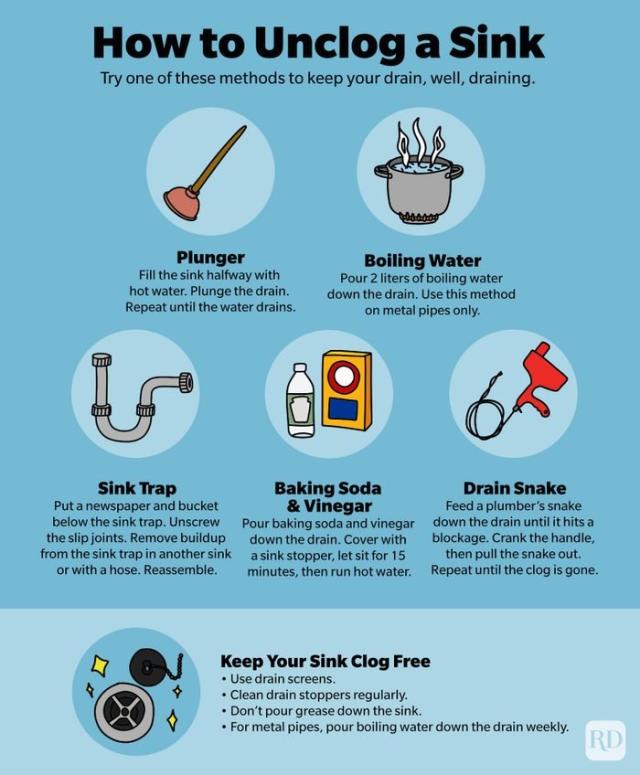
Credit: www.aol.com
Frequently Asked Questions
What Is The Easiest Way To Unclog A Kitchen Sink?
Pour boiling water down the sink. Follow with baking soda and vinegar. Let it fizz for 15 minutes. Rinse with hot water. Use a plunger if necessary for stubborn clogs. This method is natural, effective, and eco-friendly. Repeat if needed for best results.
How To Unblock A Kitchen Sink With Standing Water?
Use a plunger to create suction and release the blockage. Remove debris with gloves. Pour boiling water to dissolve residue. Use baking soda and vinegar to clear remaining clogs. Repeat if necessary.
What Will Dissolve A Blocked Drain?
Baking soda and vinegar can dissolve a blocked drain. Pour baking soda, then vinegar, and let it fizz. Rinse with hot water. Use a plunger for stubborn clogs. For severe blockages, try a commercial drain cleaner or consult a plumber.
Regular maintenance prevents future clogs.
What Will Dissolve Hair In A Drain?
Use a mixture of baking soda and vinegar to dissolve hair in a drain. Pour half a cup of baking soda followed by half a cup of vinegar. Let it sit for about 30 minutes, then flush with hot water.
This method is eco-friendly and effective for unclogging drains.
Conclusion
Unclogging a kitchen sink doesn’t have to be difficult. With simple tools and steps, you can fix the problem yourself. Start by using a plunger or a mixture of baking soda and vinegar. These methods are often effective and safe.
If the clog persists, consider a plumber’s snake. It’s handy for tougher blockages. Remember, regular maintenance prevents future clogs. Clean your sink regularly. Avoid pouring grease down the drain. Simple habits make a big difference. Now, you’re ready to tackle that stubborn clog.
Enjoy a smoothly running sink!