How Deep are Kitchen Counters: Design Insights
Executive Chef & Lead Commercial Kitchen Specialist at Daily Kitchup Test Lab
Have you ever found yourself wondering about the depth of your kitchen counters? It might seem like a trivial detail, but the depth of your kitchen counters can make a huge difference in your cooking and dining experience.
Whether you’re planning a kitchen remodel or just curious, understanding this aspect can transform the way you use your kitchen space. Imagine effortlessly reaching for ingredients while cooking, or having enough room to comfortably chop and prep your meals. By the end of this article, you’ll discover why the depth of your kitchen counter isn’t just a measurement—it’s a key to creating a more functional and enjoyable kitchen environment.
Dive in, and find out how this simple dimension can enhance your everyday life.
Standard Counter Depth
Understanding the standard depth of kitchen counters is essential for any kitchen design. The depth affects both functionality and aesthetics. Most kitchen counters have a depth that suits typical kitchen activities. Knowing this standard can help in planning your kitchen layout.
Standard Dimensions
Typically, kitchen counters have a depth of 24 inches. This measurement provides enough space for appliances and meal preparation. It also ensures easy access to cabinets and drawers. These dimensions fit most kitchen designs and are widely accepted.
Importance Of Counter Depth
The depth of a counter plays a crucial role in kitchen efficiency. A deeper counter can accommodate larger appliances and more kitchen tools. It also offers more space for cooking and food preparation. This is important for families that spend time cooking together.
Adjustments And Variations
While 24 inches is standard, variations exist. Some kitchens may require deeper counters for specific needs. Other layouts might benefit from slightly shallower counters. Adjustments can be made depending on the kitchen’s overall design.
Impact On Kitchen Design
Counter depth influences the entire kitchen layout. It affects how cabinets, islands, and other features are positioned. Proper planning ensures a balanced and functional kitchen space. This harmony makes cooking and entertaining more enjoyable.
Considerations For Small Kitchens
In smaller kitchens, counter depth must be carefully considered. Space is limited, so each inch counts. A standard depth might need adjustments to maximize space. Creative solutions can optimize function without compromising aesthetics.
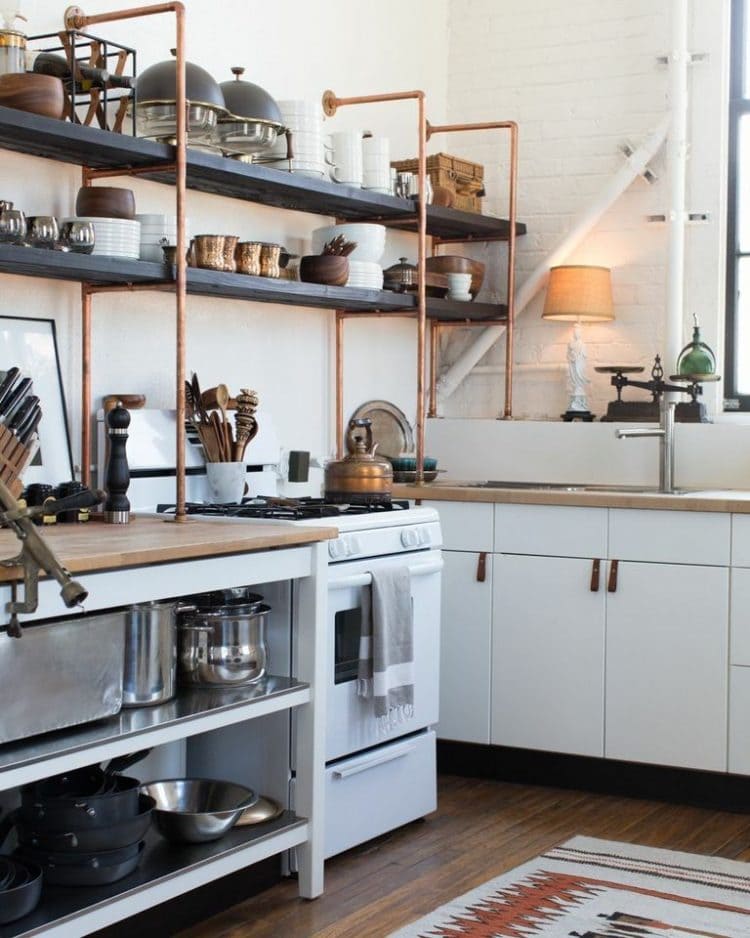
Credit: www.instagram.com
Material Considerations
Kitchen counters typically measure 24 inches deep to provide ample workspace. This depth ensures comfort and convenience while cooking or prepping meals. Material choice can affect durability and aesthetics, making it an essential consideration.
Material considerations play a crucial role in determining the depth of kitchen counters. The choice of material impacts both functionality and style. It’s vital to balance aesthetics with durability to ensure a long-lasting kitchen space. Different materials offer distinct benefits, so understanding their properties can guide you in making the best choice.Durability Factors
The durability of kitchen counters depends on material quality. Granite and quartz are known for their strength. They resist scratches and heat, making them ideal for busy kitchens. Laminate counters are less durable but more affordable. They are susceptible to damage from heat and sharp objects. Wood countertops offer a warm look but need regular maintenance. They can warp or stain if not properly sealed. Stainless steel counters are tough and resistant to bacteria. Yet, they may scratch easily and show fingerprints.Aesthetic Choices
Material choices significantly affect the kitchen’s look. Granite and marble offer elegance and natural beauty. They come in various colors and patterns. Quartz provides a modern and sleek appearance. Its uniform design suits contemporary kitchens. Laminate offers numerous design options, mimicking expensive materials. It’s a cost-effective choice for stylish counters. Wood countertops add a rustic charm and warmth. They create a cozy atmosphere in the kitchen. Stainless steel gives a sleek, industrial feel. It’s perfect for modern, minimalist spaces. Each material has unique aesthetic qualities to enhance your kitchen’s style.Trends In Counter Design
Kitchen counters are no longer just functional surfaces; they have become a focal point in modern kitchen design. With the rise of new trends, these counters are now boasting innovative materials and minimalist aesthetics. It’s not just about how deep they are but also about the style and substance they bring to your space. Are you keeping up with these trends?
Innovative Materials
Gone are the days when granite was the go-to choice for kitchen counters. Today, you have access to a plethora of innovative materials that offer durability and style. Concrete, for example, brings a raw and industrial feel to your kitchen. It can be customized with various finishes and colors.
Quartz is another popular option, praised for its low maintenance and sleek appearance. If you’re someone who loves to cook, you’ll appreciate its resistance to stains and scratches. Consider eco-friendly options like recycled glass counters, which not only look stunning but also promote sustainability.
Each material has its pros and cons. Think about how you use your kitchen to decide which is best for you.
Minimalist Aesthetics
The minimalist trend is taking over kitchen designs, emphasizing clean lines and uncluttered spaces. You might find that simple, sleek counters can make your kitchen look more spacious and inviting. Opt for neutral colors like whites, grays, and blacks to create a serene atmosphere.
Minimalist counters often feature integrated sinks and hidden storage solutions. This keeps your kitchen looking tidy without sacrificing functionality. Imagine having everything within reach without visual clutter.
Consider how you can integrate minimalist elements into your existing kitchen design. Would you prefer a clutter-free environment that feels airy and open?
Ergonomics And Comfort
Ergonomics and comfort play a vital role in kitchen design. Kitchen counters should support ease of use and prevent strain. By focusing on ergonomics, you create a more enjoyable cooking space.
User-friendly Heights
The height of kitchen counters affects daily comfort. Standard counters are usually 36 inches high. This height suits most adults for meal prep. But for taller or shorter individuals, adjustments may be needed. Customizing counter heights can reduce back pain and improve posture. Adjustable counters cater to diverse family needs.
Accessibility Features
Accessible kitchen counters promote inclusivity. Features like lower counters benefit wheelchair users. Pull-out shelves and lazy Susans increase reachability. Lever handles are easier for those with limited hand strength. Ensure clear space beneath counters for knee and leg room. These features make cooking more accessible for everyone.
Maximizing Storage With Depth
Kitchen counters are more than just a space for preparing meals. They serve as a vital storage hub. With the right depth, your counters can transform into a powerful storage solution. The depth allows you to tuck away kitchen gadgets, utensils, and more without cluttering the surface.
Incorporating Drawers
Drawers can dramatically increase your storage space. Imagine having neatly organized cutlery and utensils all within reach. You can categorize items based on frequency of use or type, making cooking more efficient. Deep drawers can even accommodate larger pots and pans, freeing up other cabinet space.
Utilizing Vertical Space
Have you ever considered the vertical space above your counters? Adding shelving or hooks can maximize storage. You can keep cooking essentials within arm’s reach. This also keeps the counter clear and uncluttered. Vertical storage solutions make finding items quick and easy.
How can you adjust your counter space to make it work harder for you? Embrace the depth and rethink your kitchen layout.

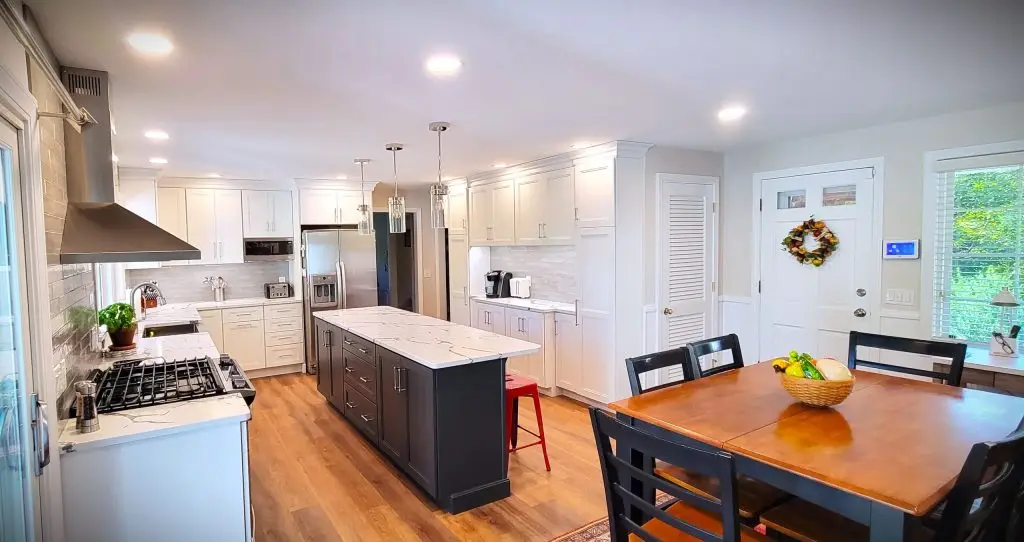
Credit: pbphomerepair.com
Frequently Asked Questions
Why Are Kitchen Counters 36 Inches?
Kitchen counters are typically 36 inches high to match ergonomic standards. This height suits most people for comfortable cooking and food preparation. It ensures ease of access and minimizes back strain during kitchen tasks. Standardizing this height also helps in uniform appliance installations and kitchen designs.
What Is The Size Of A Standard Kitchen Countertop?
A standard kitchen countertop typically measures 25 to 26 inches in depth and 36 inches in height. The length can vary based on kitchen layout. These dimensions provide ample workspace and accommodate most kitchen appliances and fixtures efficiently. Ensure your countertop fits your kitchen’s specific needs and design preferences.
What Is The Most Popular Kitchen Countertop Right Now?
Quartz is the most popular kitchen countertop right now. It’s durable, non-porous, and comes in various designs. Homeowners love its low maintenance and elegant appearance. This engineered stone offers consistent quality and resists stains, making it a top choice for modern kitchens.
How Deep Is A Standard Counter Depth?
A standard counter depth is typically 24 inches from front to back. It fits seamlessly with cabinetry, offering a sleek look. Ensure measurements align with kitchen design for optimal functionality. Check specific appliance dimensions, as they may vary slightly. Accurate sizing enhances kitchen aesthetics and efficiency.
Conclusion
Kitchen counter depth matters. It affects space, function, and style. Choosing the right depth enhances cooking and comfort. Standard depths fit most kitchens. Custom options offer flexibility. Measure your space carefully before deciding. Consider storage needs and appliance placement. A balanced depth maximizes room use.
It boosts efficiency without crowding. Remember, small changes make big impacts. So, take your time. Your kitchen deserves thoughtful planning. Aim for a counter that suits your lifestyle. Enjoy your cooking space. Make it practical and inviting.

Similar Posts