How Deep is a Kitchen Sink: Unveiling Hidden Depths
Have you ever wondered just how deep your kitchen sink should be? It’s a common question that might not cross your mind until you’re standing in front of a wall of options at the store.
A kitchen sink is more than just a basin for washing dishes; it’s a central hub in your home where daily routines unfold. Its depth can influence everything from the comfort of washing up to the aesthetics of your kitchen space.
Understanding the ideal depth for your needs can save you from future hassles and enhance your kitchen experience. Dive into this article to discover how the depth of your kitchen sink can impact your day-to-day life, and ensure you make the best choice for your home.
Credit: www.homedepot.com
Standard Sink Dimensions
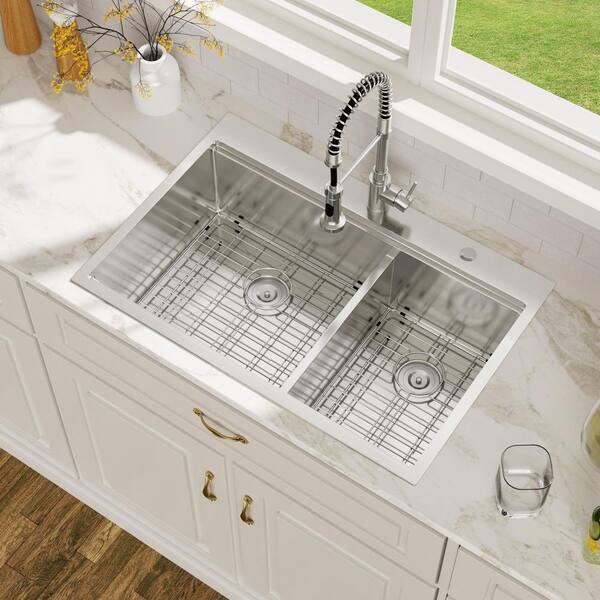
When planning your kitchen, one of the overlooked aspects is the depth of the kitchen sink. The dimensions of a kitchen sink can significantly impact your day-to-day tasks, from washing dishes to preparing meals. Understanding standard sink dimensions will help you choose the right fit for your space and lifestyle.
Understanding Standard Sink Depth
Standard kitchen sink depth typically ranges from 8 to 10 inches. A deeper sink offers more space to soak and wash large pots and pans, while a shallower sink can be easier on your back because you won’t have to bend as much. Consider how much time you spend at the sink and what tasks you perform most frequently.
Width And Length Considerations
While depth is crucial, width and length are equally important. Standard sinks are usually 22 to 24 inches wide. The length can vary, but a common dimension is around 30 to 33 inches. The size you choose should complement your countertop and kitchen layout. Have you ever found yourself juggling dishes in a cramped sink? Opting for a wider sink could be the solution.
Single Vs. Double Bowl Sinks
Single bowl sinks provide more space for larger items, while double bowl sinks offer versatility for multitasking. If you frequently wash dishes by hand, a double bowl might be beneficial. On the other hand, if you often fill your sink with bulky cookware, a single bowl might suit your needs better. Which type aligns with your kitchen habits?
Material Impact On Dimensions
The material of your sink can also influence its dimensions. Stainless steel sinks, for instance, are typically available in a variety of sizes. Granite composite sinks might offer more depth and durability. Each material brings its own set of benefits, so think about what qualities are most important to you.
Installation And Cabinet Size
Before finalizing your sink choice, measure the cabinet space to ensure proper installation. Most standard sinks fit into a cabinet that is at least 36 inches wide. Proper installation is crucial for functionality and aesthetics. Have you measured your cabinet space accurately?
Choosing the right kitchen sink goes beyond aesthetics; it’s about enhancing your cooking and cleaning experience. By understanding the standard dimensions, you can make a well-informed choice that suits your needs perfectly.

Credit: www.amazon.com
Factors Influencing Sink Depth
Choosing the right kitchen sink depth involves several factors. Each factor plays a crucial role in determining the perfect fit for your kitchen. Let’s dive into these factors to make an informed decision.
Material Considerations
Sink material affects depth choices. Stainless steel sinks offer diverse depth options. They are popular for their durability. Porcelain sinks tend to be shallower. Their classic look suits traditional kitchens. Composite sinks vary in depth. They provide a modern touch with unique styles.
Design Trends
Current design trends influence sink depth. Deep farmhouse sinks are trendy. They provide a rustic appeal and ample space. Undermount sinks offer a sleek, modern look. Their depth depends on countertop integration. Apron-front sinks are gaining popularity. They add character and functionality.
Functional Requirements
Sink depth affects daily kitchen tasks. Deeper sinks accommodate large pots and pans. They reduce splashing while washing. Shallow sinks suit smaller kitchens. They save space and provide easy access. Consider your cooking habits when choosing depth. A balance between form and function is key.
Comparing Sink Types
Choosing the right kitchen sink can transform your kitchen’s look and function. Each sink type offers unique features and depths. Understanding these can help you make a better choice. Let’s explore the different types of sinks available for your kitchen.
Top-mount Sinks
Top-mount sinks, also known as drop-in sinks, are easy to install. They have a visible rim that rests on the countertop. This rim adds stability. The average depth is about 8 inches. This depth is practical for most kitchen tasks. They are versatile and fit into any kitchen style. Cleaning around the rim can be a bit tricky, though.
Under-mount Sinks
Under-mount sinks are installed beneath the countertop. This creates a seamless look. They are popular for modern kitchens. The absence of a rim allows easy counter cleaning. They typically offer depths of around 9 inches. This depth is ideal for washing large pots. Under-mount sinks require solid countertop materials for support. They are a stylish and practical choice.
Farmhouse Sinks
Farmhouse sinks, or apron-front sinks, have a deep, exposed front panel. This design gives a rustic, charming look. They are deeper than other sinks, often 10 inches or more. This extra depth is perfect for large families and frequent cooking. They require a specific cabinet cutout. Farmhouse sinks offer plenty of space for washing large items. They blend functionality with a classic design.
Impact On Kitchen Design
How deep a kitchen sink is can greatly influence kitchen design. A deeper sink offers more space for washing dishes and preparing food. It also affects how the kitchen looks and feels. Let’s explore its impact on design.
Space Optimization
Deep sinks help make better use of kitchen space. They allow for larger pots and pans to be washed easily. This means less clutter on countertops. A deeper sink can also hide dirty dishes from view. This keeps the kitchen looking neat and tidy.
Aesthetic Appeal
A deep kitchen sink can enhance the kitchen’s look. It provides a sleek and modern feel. Different styles and finishes can match any kitchen decor. Stainless steel, ceramic, or granite options are available. Each material adds a unique touch to the kitchen.
Choosing The Right Depth
Choosing the right depth for a kitchen sink impacts functionality and style. Consider your cooking habits and dishwashing needs. A deeper sink accommodates larger pots, while a shallower sink can suit smaller kitchens.
Choosing the right depth for your kitchen sink can significantly impact your daily kitchen experience. A sink that’s too shallow might leave you splashing water onto your countertops, while one that’s too deep can cause strain on your back. Striking the perfect balance is key to maintaining both functionality and comfort in your kitchen space.Ergonomic Considerations
Ergonomics play a crucial role in selecting the appropriate sink depth. Imagine washing a stack of dishes; a sink that’s too deep might force you to hunch over, leading to back pain. On the other hand, a shallow sink might not accommodate large pots, making cleaning a hassle. Consider your height when choosing a sink. Taller individuals might prefer a deeper sink to minimize bending, while shorter folks might find a medium depth more comfortable. Ergonomic design is about enhancing efficiency and comfort, so make sure your choice supports ease of use.User Preferences
Your personal preference is just as important as ergonomic factors. Think about your cooking habits. Do you often prepare meals that require washing large pots and pans, or do you usually deal with smaller items? A deeper sink might be ideal for families or those who entertain frequently, as it offers more space for washing larger quantities of dishes. If you prefer a minimalist look or have limited kitchen space, a shallower sink could suit your aesthetic and functional needs better. Reflect on your cleaning style. Do you like to soak dishes, or do you prefer quick washes? The depth of your sink can either aid or hinder your preferred method. Whatever your preference, choose a depth that aligns with your routine and enhances your kitchen experience. Ultimately, the right sink depth marries ergonomics with your personal style and needs, creating a kitchen environment that’s both efficient and enjoyable.
Credit: www.doba.com
Installation And Maintenance
Kitchen sinks are essential, and their installation and maintenance are crucial. Proper installation ensures durability and functionality. Regular maintenance keeps it clean and efficient. Let’s explore installation tips and maintenance practices.
Professional Installation Tips
Choose the right sink size for your counter space. Measure carefully before purchasing. Hire a professional for complex installations. They have experience and tools. Ensure proper sealing to avoid leaks. Use high-quality sealants for longer-lasting results.
Check plumbing connections for compatibility. Mismatched pipes can cause issues. Level the sink properly to prevent water pooling. Use a spirit level for accuracy. Securely fasten the sink to avoid movement. Tighten all screws and bolts firmly.
Maintenance Best Practices
Regularly clean the sink with mild soap and water. Avoid harsh chemicals that can damage surfaces. Use a soft sponge to prevent scratches. Clean the drain to prevent clogs. Use a drain cleaner or natural solutions like baking soda and vinegar.
Check for leaks under the sink often. Fix any leaks immediately to prevent damage. Replace worn-out washers and seals. Inspect the faucet and handles for wear. Tighten loose parts to maintain functionality.
Dry the sink after use to prevent water spots. Use a soft cloth for drying. Polish stainless steel sinks for a shiny finish. Regular maintenance extends the sink’s lifespan.
Innovative Sink Features
The kitchen sink has evolved beyond a simple basin for washing dishes. Modern sinks include innovative features that enhance functionality and convenience. These features cater to diverse kitchen needs, making tasks easier and more efficient.
Integrated Accessories
Many kitchen sinks now come with integrated accessories. This can include cutting boards, colanders, and dish racks. These accessories fit seamlessly into the sink. They help save counter space and keep the kitchen organized. For those who love cooking, these additions are invaluable. They streamline the process and reduce mess.
Advanced Drainage Systems
Advanced drainage systems are a standout feature in modern sinks. These systems prevent clogs and ensure smooth water flow. Some sinks feature sloped bottoms or offset drains. This design helps water and debris move quickly towards the drain. It reduces the need for frequent cleaning. These systems add to the efficiency of a kitchen sink. They ensure a hassle-free cooking and cleaning experience.
Future Trends In Sink Design
Exploring future trends in sink design reveals a focus on depth. Deeper kitchen sinks offer more space for washing dishes and handling large pots. This design improves functionality and style, making it a popular choice for modern kitchens.
The future of kitchen sink design is evolving rapidly. Modern sinks are more than functional basins. They now blend aesthetics with technology and sustainability. As kitchens become social hubs, sink designs are adapting to meet diverse needs.Smart Features In Kitchen Sinks
Today’s sinks offer smart features. Touchless faucets reduce water waste. Built-in sensors alert you to leaks. These innovations enhance convenience and efficiency. Future designs may integrate more smart technology.Eco-friendly Materials
Sustainability is crucial in sink design. Eco-friendly materials are gaining popularity. Recycled steel and bamboo are common choices. These options reduce environmental impact. Expect more sustainable sink options in the future.Customizable Designs
Customization is key in modern kitchens. Sinks now offer adjustable depths and configurations. Homeowners can tailor sinks to their needs. This flexibility is ideal for diverse kitchen activities. Future trends will likely focus on customization.Minimalist Aesthetic
Minimalist designs are trending in kitchens. Sleek, simple sinks fit this aesthetic perfectly. They offer clean lines and a clutter-free look. Minimalist sinks complement modern kitchen styles. This trend will continue to influence sink designs.Multipurpose Functionality
Sinks are becoming more multipurpose. They now include integrated cutting boards and colanders. This functionality saves space and enhances usability. Future designs will further improve versatility. Sinks will cater to various kitchen tasks.Frequently Asked Questions
What Is The Standard Depth Of Kitchen Sinks?
Most kitchen sinks have a standard depth of 8 to 10 inches. This depth allows for ample space to wash dishes and prepare food. However, some deeper sinks can reach up to 12 inches, catering to specific needs and preferences.
How Does Sink Depth Affect Usability?
Sink depth impacts usability by influencing comfort and efficiency during use. Deeper sinks can accommodate larger pots and pans, reducing splashes. However, they might require more bending, which can be uncomfortable for some users.
Can A Deeper Sink Fit In All Kitchens?
Not all kitchens can accommodate deeper sinks due to cabinet space limitations. It’s essential to measure available space before choosing a sink depth. Consider the sink’s relationship with surrounding fixtures to ensure a seamless fit.
Are Deeper Sinks Harder To Clean?
Deeper sinks can be harder to clean for some users due to their increased depth. They may require more reaching and effort to clean thoroughly. Regular maintenance and using appropriate cleaning tools can help maintain cleanliness.
Conclusion
Choosing the right kitchen sink depth is important. It affects daily tasks. Deep sinks handle big pots easily. Shallow sinks save water and space. Consider your cooking habits and kitchen size. Think about cleaning needs too. A deeper sink might suit busy kitchens.
Shallow sinks can be easier for small spaces. Remember, the right depth enhances kitchen efficiency. It also adds to your comfort. Measure your space before buying. This ensures a perfect fit. Make an informed choice. Enjoy a sink that meets your needs.
Happy cooking and washing!