How Tall Should a Kitchen Island Be: Ideal Heights
Executive Chef & Lead Commercial Kitchen Specialist at Daily Kitchup Test Lab
Are you redesigning your kitchen and wondering just how tall your kitchen island should be? You’re not alone.
Many homeowners find themselves puzzled by this seemingly simple question. The height of your kitchen island can significantly impact not only the aesthetics of your kitchen but also its functionality. Imagine preparing meals, hosting friends, or even helping your kids with their homework at an island that’s just right for your space.
The right height can make all these activities more comfortable and enjoyable. We’ll unlock the secrets to determining the perfect kitchen island height tailored specifically to your needs. Stick around, and you might just find the perfect solution for your dream kitchen setup.
Standard Height For Kitchen Islands
The ideal height for a kitchen island is typically 36 inches. This allows comfortable use for cooking and dining. For bar-style seating, a height of 42 inches is often preferred.
When designing your dream kitchen, one of the most important considerations is the height of your kitchen island. It’s not just about aesthetics; functionality plays a huge role. The right height ensures comfort, optimizes workflow, and enhances the overall look of your space.What Is The Standard Height?
The standard height for a kitchen island is typically 36 inches. This height aligns with the average kitchen counter, making it ideal for food prep and casual dining. If you have a more formal dining area in mind, consider adding bar stools or high chairs for added versatility.Why 36 Inches Works For Most Kitchens
This height strikes a balance between comfortable standing for tasks and sitting on a stool. Whether you’re rolling out dough, chopping vegetables, or enjoying a quick breakfast, 36 inches offers a user-friendly experience. Many find that this height complements the natural flow of kitchen activities.Adjusting For Taller Or Shorter Family Members
If you or your family members are taller or shorter than average, adjusting the island height might be necessary. Adding or subtracting a couple of inches can make a big difference in comfort. You might wonder, “Is it worth the hassle?” Absolutely, especially when it means avoiding unnecessary strain.Incorporating Multi-level Surfaces
Some homeowners opt for multi-level islands to serve different purposes. A higher level for bar seating and a lower one for meal prep can cater to diverse needs. This design can be a perfect compromise in households with varied preferences.Testing Height Before Finalizing
Before committing, consider using temporary setups to test different heights. Books or boxes can mimic the island’s height, allowing you to experiment. This trial can offer valuable insights into what truly works for your lifestyle. Remember, your kitchen island should be more than just a centerpiece; it should be a practical and comfortable space tailored to your needs.Factors Influencing Island Height
Determining the ideal height for a kitchen island depends on factors like user comfort and functionality. Standard heights range from 36 to 42 inches, accommodating tasks and seating needs. Consider personal preference and kitchen layout to ensure optimal usability and aesthetics.
Determining the ideal height for your kitchen island involves more than just aesthetics. While the standard height is often around 36 inches, various factors can influence this decision. It’s crucial to consider these elements to ensure your kitchen island meets all your needs and enhances your cooking experience.User Height Considerations
Your height plays a pivotal role in determining the perfect kitchen island height. If you find yourself constantly bending over or reaching up, it may be time to reconsider the height. A good rule of thumb is to adjust the island height to allow your elbows to rest comfortably at a 90-degree angle when you’re standing. Consider the heights of other family members or frequent users of the kitchen. A custom height might be the solution if there’s a significant height difference. This adjustment ensures everyone can use the space comfortably, making cooking a more enjoyable experience for all.Functionality And Purpose
Think about how you plan to use your kitchen island. Is it primarily for food prep, dining, or both? If you’re using it for food prep, a slightly taller island could prevent back strain. For those who wish to use the island as a dining space, standard table height might be more suitable. Multifunctional islands can benefit from a tiered design, providing distinct areas for different activities.Kitchen Layout And Space
The overall layout and available space in your kitchen can also dictate island height. In a compact kitchen, a lower island can help maintain an open feel. Conversely, in a spacious kitchen, a taller island can create a focal point and add visual interest. Consider the flow of movement around the island. Ensure there’s enough clearance for appliances and cabinet doors to open fully. By balancing height with space, you can enhance both the functionality and aesthetics of your kitchen.Height Options For Different Uses
Choosing the right height for a kitchen island is crucial. The island’s purpose affects its ideal height. Different tasks require specific measurements for comfort and efficiency. Whether for cooking, dining, or a mix, the height makes a difference.
Cooking And Food Preparation
A kitchen island for cooking needs a functional height. Standard counter height is about 36 inches. This height suits most people for chopping, mixing, and other prep work. It matches the standard kitchen counter, offering consistency and ease of movement.
Dining And Seating
When using the island for dining, consider a higher surface. A bar height island usually stands at 42 inches. This height works well with bar stools, making it comfortable for eating. It creates a casual dining space in the kitchen.
Multi-level Islands
A multi-level island provides versatility. It combines different heights for various functions. One part may be 36 inches for prep, another 42 inches for dining. This design caters to multiple needs, offering a dynamic kitchen experience.
Credit: www.facebook.com
Ergonomics And Comfort
Determining the ideal kitchen island height is crucial for ergonomics and comfort. The standard height is typically 36 inches, providing a balance for cooking and socializing. Adjust the height to suit specific needs, ensuring a comfortable and functional workspace.
Designing a kitchen island involves more than just choosing a stylish countertop. It’s also about ensuring that your kitchen island is ergonomically friendly and comfortable for daily use. The right height can make a significant difference in how you interact with your kitchen space, whether you’re chopping vegetables, entertaining guests, or enjoying a casual meal. Let’s explore how ergonomics and comfort play a crucial role in determining the ideal kitchen island height.Importance Of Ergonomics
Ergonomics is essential in creating a kitchen space that minimizes strain on your body. A kitchen island that is too high or too low can lead to discomfort and even long-term physical issues. Imagine having to constantly bend over while preparing food or reaching up awkwardly to grab kitchen tools. A well-designed kitchen island should allow you to work comfortably without unnecessary stretching or bending. This means aligning the island’s height with your specific needs and activities. For most, the standard height is around 36 inches, but your unique requirements might call for adjustments.Adjustments For Comfort
Adjusting the height of your kitchen island for comfort doesn’t have to be a daunting task. Consider how you use your kitchen space most frequently. Do you prefer sitting on a bar stool while enjoying breakfast? Then, a height of about 42 inches might suit you better, providing ample legroom and a comfortable seating position. On the other hand, if you use the island primarily for food preparation, a lower height might be more practical. A height of 32 to 36 inches allows for easy chopping and mixing, keeping your elbows at a comfortable angle. You might even consider a multi-level island to accommodate different activities. This way, you can have a section dedicated to seating and another optimized for cooking tasks. Customizing your kitchen island to fit your lifestyle ensures that you’ll enjoy both form and function. Have you ever wondered how a simple change in height could transform your kitchen experience? With these ergonomic and comfort considerations, your kitchen island can become a centerpiece of efficiency and ease.Customizing Island Height
Customizing the height of a kitchen island can enhance its functionality. By tailoring the height, you create a space that suits your cooking style and needs. Whether you involve a designer or make DIY adjustments, the perfect island height awaits.
Involving A Designer
Engage a designer for expert advice on island height. Designers consider your kitchen layout and personal preferences. They ensure the island complements your existing space. Professionals can suggest the ideal height for various tasks. Cooking, dining, or entertaining—each has unique requirements. With a designer’s help, your kitchen island becomes a central, functional piece.
Diy Adjustments
Adjusting the island height yourself can be rewarding. First, measure your current counter height. Then, decide if you need a taller or shorter island. Use adjustable legs or risers to alter the height. This approach is cost-effective and allows for personalization. Ensure stability and safety with secure fixings. Enjoy a customized kitchen island that reflects your style.
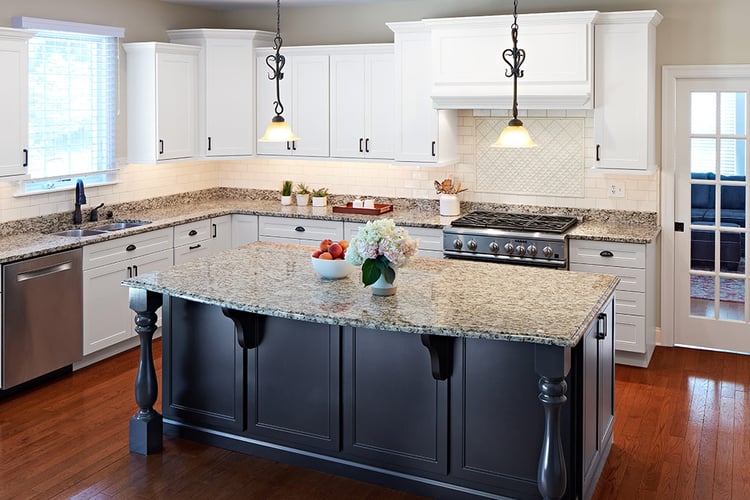
Credit: blog.kitchenmagic.com
Common Mistakes To Avoid
The kitchen island is often the centerpiece of modern kitchens, providing both functionality and aesthetic appeal. However, getting the height just right can be tricky, and there are common mistakes that many homeowners make in the process. By steering clear of these pitfalls, you can ensure your kitchen island is both practical and comfortable for everyday use.
Ignoring User Needs
One size doesn’t fit all when it comes to kitchen islands. Consider who will be using it most often. Are you and your family tall or on the shorter side? The standard height might not be suitable for everyone. Think about whether children or elderly family members will need easy access. A mismatched height can lead to discomfort and inconvenience.
Overlooking Space Constraints
Space constraints are another crucial factor. Before choosing your island’s height, assess your kitchen layout. Is there enough room for comfortable seating and movement around the island? A taller island might look great but could impede traffic flow if space is limited. Ensure you have enough clearance for appliances and storage access.
Take a moment to visualize your daily kitchen activities. Will the island be used for dining, cooking, or both? Each function might require different heights. Don’t sacrifice practicality for style. Ask yourself: will my kitchen island enhance or hinder my daily routine?
Innovative Island Solutions
Innovative kitchen island solutions offer more than just extra space. They bring functionality and style to your kitchen. These modern designs cater to diverse needs and preferences. From adjustable heights to tech integration, the possibilities are endless. Let’s explore some of these innovative ideas.
Adjustable Height Islands
Adjustable height islands adapt to your tasks. Cooking, dining, or working – adjust the height with ease. This flexibility suits all family members. Whether for a child’s homework or a chef’s prep, it fits all. Many models feature simple mechanisms. Some use hydraulic lifts for smooth adjustments. These islands provide comfort and convenience in daily use.
Incorporating Technology
Technology in kitchen islands enhances efficiency. USB ports and wireless charging keep devices powered. Built-in speakers add music to your cooking. Smart controls manage lighting and appliances. Some islands include touchscreens for recipes and internet browsing. These features streamline your kitchen experience. They transform islands into smart, multifunctional hubs.

Credit: kitchenmakeovers.co.uk
Frequently Asked Questions
What Is The 3×4 Kitchen Rule?
The 3×4 kitchen rule suggests having three primary work areas: cooking, cleaning, and food storage. Each area should be within four steps of each other for efficient movement. This layout enhances workflow, minimizes clutter, and optimizes space, creating a functional and user-friendly kitchen environment.
Should A Kitchen Island Be The Same Height As A Counter?
Kitchen islands can match or differ from counter heights. Standard counters are 36 inches tall. Islands may be 36 inches or 42 inches for bar seating. Choose based on kitchen design and functionality. Consider tasks performed and seating preferences to determine the ideal island height for your space.
Is A 7 Foot Island Too Small?
A 7-foot kitchen island can be suitable for many kitchens, offering ample space for seating and prep. Consider your kitchen’s overall layout and functionality to ensure it fits well. Adequate clearance around the island is essential for comfort and accessibility.
Is 37 Inches Too High For A Kitchen Countertop?
A kitchen countertop height of 37 inches is slightly above the standard 36 inches. Preference and comfort determine suitability. Adjust for personal ergonomics and accessibility needs. Consult experts for custom solutions tailored to your specific requirements. Ensure the design matches your kitchen’s aesthetics and functionality.
Conclusion
Choosing the right height for your kitchen island is crucial. It affects comfort, functionality, and aesthetics. Standard heights often work well for most kitchens. Consider your cooking habits and family needs. Think about seating options if necessary. Measure carefully before making a decision.
A well-sized island improves kitchen flow. Enhances your cooking experience too. The perfect height blends form and function. Ensures a welcoming, efficient space. Keep these tips in mind as you plan. Create a kitchen that suits your lifestyle. A space where everyone feels at home.

Similar Posts