How Do You Clean Kitchen Sponges: Expert Tips Revealed
Do you ever wonder what’s lurking in your kitchen sponge? You use it daily to wipe counters, clean dishes, and tackle spills.
But, did you know it’s also a breeding ground for bacteria and germs? Keeping your kitchen sponges clean isn’t just about maintaining hygiene—it’s about protecting your health and ensuring your kitchen remains a safe place to prepare meals. You might be surprised to learn how easy and effective it is to clean them with simple methods you can do at home.
By the end of this article, you’ll have the knowledge and confidence to keep your sponges fresh and safe. So, let’s dive into the secrets of cleaning kitchen sponges and ensure your kitchen stays spotless and germ-free.
Importance Of Clean Kitchen Sponges
Clean kitchen sponges are essential for maintaining hygiene. Regular cleaning removes bacteria, preventing germs from spreading. Use hot water and dish soap to rinse thoroughly after each use. Disinfect weekly by microwaving damp sponges for two minutes or soaking in a bleach solution.
The importance of clean kitchen sponges cannot be overstated. These humble tools are essential for maintaining hygiene, yet they often harbor a shocking amount of bacteria if neglected. A clean sponge ensures that your kitchen stays fresh and safe, protecting your family from potential health risks.Why Do Sponges Get Dirty Quickly?
Kitchen sponges are constantly exposed to food particles, grease, and moisture. This combination creates a breeding ground for bacteria. Regular use without proper cleaning compounds the problem.
Think about how many surfaces your sponge touches. From countertops to dishes, it collects germs every time you clean.
Health Risks Of Dirty Sponges
Using a dirty sponge can spread bacteria across your kitchen surfaces. This can lead to foodborne illnesses like salmonella and E. coli.
Imagine preparing a meal and unknowingly contaminating your ingredients with a filthy sponge. It’s a risk you shouldn’t take.
Benefits Of Keeping Sponges Clean
Maintaining clean sponges reduces the spread of harmful bacteria. A fresh sponge enhances your kitchen’s hygiene and safety.
You’ll enjoy peace of mind knowing your cleaning tools are working for you, not against you.
Simple Ways To Clean Your Sponges
- Microwave: Wet your sponge and microwave it for one minute. This kills most bacteria effectively.
- Dishwasher: Place your sponge in the dishwasher every few days. This method is convenient and thorough.
- Bleach solution: Soak your sponge in a mixture of bleach and water for five minutes. Rinse thoroughly afterward.
These methods are easy and ensure your sponges stay clean and hygienic.
How Often Should You Replace Your Sponge?
Even with regular cleaning, sponges should be replaced frequently. Aim to swap them out every two weeks.
Consider the wear and tear your sponge undergoes daily. A fresh one ensures optimal cleaning performance.
Conclusion: Take Action For A Healthier Kitchen
Cleaning your sponges is a small task with significant benefits. Prioritize this habit to safeguard your kitchen’s health.
What changes can you make today to improve your sponge cleaning routine?
Common Bacteria In Sponges
Kitchen sponges, though essential, can be a breeding ground for bacteria. Their damp and porous nature makes them a perfect habitat. Understanding the types of bacteria in sponges helps in cleaning them effectively.
Types Of Bacteria Found In Sponges
Sponges often harbor bacteria like E. coli and Salmonella. These bacteria can cause food poisoning. Regular cleaning helps reduce the risk of spreading germs.
Health Risks Associated With Contaminated Sponges
Using contaminated sponges can lead to health issues. The bacteria in them can transfer to surfaces and utensils. This increases the risk of infection, especially in homes with children or elderly people.
Why Sponges Are Prone To Bacterial Growth
Sponges remain moist after use, which supports bacteria growth. Their porous structure traps food particles, providing nutrients for bacteria. This makes frequent cleaning necessary to keep them safe.
How To Identify A Contaminated Sponge
A sponge that smells bad or changes color might be contaminated. Physical changes indicate bacterial growth. Replace or clean such sponges immediately to maintain kitchen hygiene.
Preventing Bacterial Growth In Kitchen Sponges
Proper drying and frequent cleaning prevent bacteria. Store sponges in a dry place to reduce moisture. This simple step can help in minimizing bacterial growth significantly.
Effective Cleaning Methods
Microwave damp sponges for two minutes to kill germs. Soak them in vinegar overnight for a deep clean. Use a bleach solution once a week to disinfect thoroughly.
Effective cleaning methods for kitchen sponges are vital. A dirty sponge can spread germs around the kitchen. Cleaning them properly ensures a safer cooking environment. Let’s explore some effective techniques.Microwave Sterilization
Microwave sterilization is quick and easy. Wet the sponge thoroughly. Place it in the microwave for one minute. The heat kills most bacteria. Let it cool before using.Dishwasher Technique
The dishwasher technique is straightforward. Place the sponge in the utensil holder. Run the machine on the hottest setting. The high temperature and detergent clean effectively.Vinegar Soak
A vinegar soak is natural and effective. Mix equal parts water and vinegar in a bowl. Submerge the sponge for five minutes. Vinegar’s acidity helps eliminate bacteria. Rinse thoroughly before use.Bleach Solution
Bleach solution is powerful against germs. Mix one tablespoon of bleach in a gallon of water. Soak the sponge for five minutes. Rinse it thoroughly with water. Ensure no bleach remains before using the sponge again.
Credit: tidyhere.com
Natural Alternatives For Cleaning
Cleaning kitchen sponges can be done using natural methods. Soak them in a mixture of vinegar and water. Microwave the damp sponge for one minute to kill bacteria.
Cleaning kitchen sponges naturally can be both effective and environmentally friendly. If you’re tired of using harsh chemicals, consider these natural alternatives that not only sanitize but also leave your sponges smelling fresh. You might be surprised at how simple household items can revitalize your cleaning routine.Lemon Juice
Lemon juice is a powerful natural cleaner with antibacterial properties. Its acidity helps break down grime and eliminates odors. Simply soak your sponge in a bowl of lemon juice for a few minutes. As you squeeze the sponge, you’ll notice the dirt and grime loosening. This method leaves your sponge smelling fresh and can even brighten its color. Ever wondered why lemon is a staple in cleaning products? Now you know!Baking Soda
Baking soda is a versatile cleaner that can tackle stubborn stains and smells. Mix a tablespoon of baking soda in a cup of warm water, and soak your sponge in this solution. You can also sprinkle some baking soda directly onto the sponge and scrub away. This gentle abrasive action ensures deeper cleaning. Have you tried using baking soda for other household cleaning tasks? It’s a real game-changer!Tea Tree Oil
Tea tree oil boasts strong antimicrobial properties that can disinfect your sponge effectively. Add a few drops of tea tree oil to a bowl of warm water and soak your sponge. The oil not only cleans but also imparts a refreshing scent. If you’re interested in natural alternatives, tea tree oil might become your new favorite cleaning companion. How often do you switch up your cleaning routine for more natural options?Frequency Of Cleaning
Kitchen sponges are essential tools. They help with cleaning dishes and surfaces. But they can become a breeding ground for bacteria. Regular cleaning is crucial to maintain hygiene. Understanding the right frequency for cleaning is key. It ensures sponges remain effective and safe for use.
Importance Of Regular Cleaning
Sponges absorb and hold moisture. This makes them ideal for bacteria growth. Cleaning them regularly reduces health risks. A clean sponge means a cleaner kitchen.
Daily Maintenance Tips
Rinse sponges thoroughly after each use. Squeeze out excess water. This limits bacteria growth. Store them in a dry area. Air circulation helps them dry faster.
Weekly Deep Clean Methods
Sanitize sponges weekly for best results. Use hot water or microwave them. Both methods kill bacteria effectively.
Signs It’s Time To Replace
Notice a foul smell? Or a change in texture? These signs indicate it’s time to replace your sponge. Always choose hygiene over cost.

Credit: www.goodhousekeeping.com
When To Replace Your Sponge
Replacing kitchen sponges is essential for hygiene. Clean sponges regularly by soaking them in hot water and vinegar to kill germs. Replace them every two weeks or when they start to smell or break apart.
Knowing when to replace your kitchen sponge is crucial for maintaining a clean and hygienic kitchen. A sponge that has overstayed its welcome can become a breeding ground for bacteria, posing a risk to your health. While cleaning your sponge regularly is important, recognizing the signs that it’s time for a new one can save you from potential problems.Signs Your Sponge Needs Replacement
Be on the lookout for visible wear and tear. If your sponge is falling apart or has lost its original shape, it’s time to let it go. A sponge that’s too worn won’t clean effectively and may even leave more dirt behind.Unpleasant Odors
A foul smell is a clear indicator that your sponge needs replacing. No amount of cleaning can rid a sponge of persistent odors. If you find yourself holding your nose every time you wash dishes, swap it out.Frequent Usage
If you’re using your sponge daily, it’s wise to replace it every week or two. High usage means more exposure to food particles and bacteria, which can accumulate quickly. Keep a few sponges on hand to rotate them out regularly.Visible Mold Or Mildew
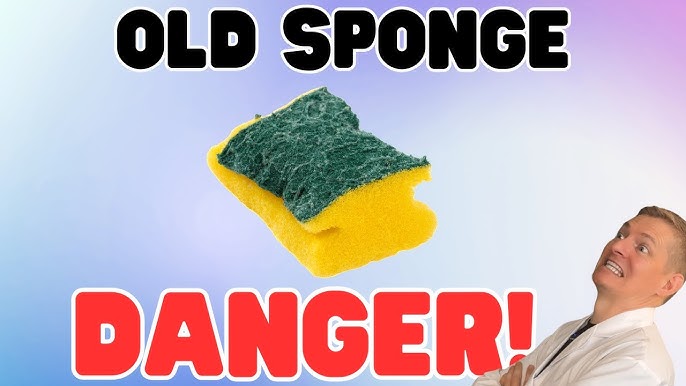
Spotting mold or mildew on your sponge is a sign that it’s time to toss it. Mold spores can spread quickly, contaminating your kitchen surfaces. Don’t risk your health by keeping a moldy sponge around.Color Fading
A faded sponge is another sign that it’s past its prime. Over time, sponges can lose their vibrancy due to frequent use and cleaning. If your sponge looks dull, consider it a cue for replacement. Keeping your kitchen sponge fresh is not only about cleanliness but also about ensuring your family’s safety. When was the last time you replaced your sponge? Take a moment to evaluate its condition and make a note to change it regularly. Your kitchen and health will thank you!Eco-friendly Sponge Options
Explore eco-friendly sponges made from natural materials. Clean them by soaking in vinegar or boiling water. Regular cleaning extends their lifespan and reduces waste.
Cleaning your kitchen sponge is essential, but have you ever thought about switching to eco-friendly alternatives? With the rising awareness of environmental issues, more people are turning to sustainable options. Eco-friendly sponges not only benefit the planet, but they can also be a healthier choice for your home. Let’s dive into some popular eco-friendly sponge options and how they can make your kitchen routine greener.Natural Sea Sponges
Natural sea sponges are biodegradable and harvested sustainably. They are known for their durability and ability to hold lots of soap and water. Unlike synthetic sponges, they don’t harbor bacteria as easily, making them a hygienic option.Cellulose Sponges
Cellulose sponges are made from wood fibers and are entirely biodegradable. They’re versatile and effective for cleaning various surfaces. If you’ve been using synthetic sponges, switching to cellulose can significantly reduce your plastic waste.Bamboo Sponges
Bamboo sponges are an eco-friendly choice due to the rapid growth rate of bamboo plants. These sponges are often combined with other natural fibers for added durability. Their antimicrobial properties make them ideal for kitchen use.Loofah Sponges
Loofah sponges come from a plant in the cucumber family, making them 100% natural. They are great for scrubbing dishes and can be composted after use. If you’re looking for a plastic-free alternative, loofahs are worth considering.Reusable Cloths
Reusable cloths, like those made from cotton or microfiber, can be washed and reused multiple times. They can replace traditional sponges for many tasks. By opting for reusable cloths, you reduce waste and save money in the long run. Which of these eco-friendly sponges resonates with you? Making a small change in your kitchen routine can have a significant impact on the environment. Try experimenting with different options to find the one that fits your needs best.
Credit: www.youtube.com
Expert Tips For Sponge Maintenance
Keeping kitchen sponges clean is essential. They can harbor bacteria. Regular cleaning extends their life. It also keeps your kitchen hygienic. Follow these expert tips for sponge maintenance.
Rinse Thoroughly After Each Use
After using your sponge, rinse it well with warm water. This removes food particles and soap. A clean rinse prevents bacteria buildup.
Use Vinegar For A Deep Clean
Vinegar is a natural disinfectant. Soak your sponge in vinegar for five minutes. This kills most bacteria and eliminates odors. Rinse thoroughly afterward.
Microwave For A Quick Disinfect
Place a damp sponge in the microwave. Heat it on high for one minute. This process kills harmful germs. Ensure the sponge is wet to avoid fire.
Rotate Sponges Regularly
Have more than one sponge in use. Rotate them every few days. This reduces wear and tear, extending their lifespan.
Dry Sponges Completely
A dry sponge is less likely to grow bacteria. Place it in a well-ventilated area. Ensure it dries completely between uses.
Replace Sponges Frequently
Sponges have a limited lifespan. Replace them every two weeks. This ensures you always have a clean sponge in the kitchen.
Frequently Asked Questions
What Is The Best Way To Sanitize A Kitchen Sponge?
Microwave the damp sponge for one minute to kill bacteria. Alternatively, soak it in vinegar or bleach solution. Replace sponges regularly to maintain hygiene. Always rinse thoroughly after each use to avoid germs. Ensure proper drying to prevent mold and bacteria growth.
Does Boiling A Sponge Sanitize It?
Boiling a sponge can help kill some bacteria and germs. It doesn’t completely sanitize the sponge. Some bacteria might survive the heat. Regular replacement or using a microwave method is more effective for sanitizing. Always ensure the sponge is wet before microwaving to prevent fire hazards.
Does Soaking A Sponge In Vinegar Kill Bacteria?
Soaking a sponge in vinegar can kill some bacteria. Vinegar’s acetic acid has antibacterial properties. It’s effective against certain germs, but not all. Regular cleaning and replacement of sponges are recommended for better hygiene. Using vinegar is a natural, eco-friendly option for maintaining kitchen cleanliness.
How To Clean A Really Greasy Sponge?
To clean a greasy sponge, soak it in hot water with dish soap for 15 minutes. Scrub thoroughly, rinse well, and microwave the damp sponge for one minute to disinfect. Let it cool before use. This method effectively removes grease and bacteria, keeping your sponge fresh and clean.
Conclusion
Keeping kitchen sponges clean is important. It helps avoid germs. Use hot water and soap frequently. Try microwaving sponges for safety. Vinegar and bleach work well too. Replace sponges regularly. Old sponges can spread bacteria. Clean sponges keep your kitchen healthy.
Simple steps make a big difference. Stay mindful of sponge hygiene. Small actions lead to safer cooking spaces. A clean sponge means a clean kitchen. Practice good habits. Enjoy a healthier home environment. Keep germs away with clean sponges. Your kitchen deserves it.