Imagine opening your kitchen pantry, only to be greeted by a flurry of tiny moths. It’s not just annoying; it’s a problem that can spoil your food and peace of mind.
Kitchen moths, those persistent invaders, can seem impossible to get rid of. But don’t worry, you’re not alone in this battle. Understanding how to eliminate these pests is crucial to reclaiming your kitchen space. In this guide, you will discover simple yet effective strategies to banish kitchen moths for good.
Whether you’re battling a full-blown infestation or just spotted the first signs, you’ll find practical solutions that work. Ready to take back control of your kitchen? Let’s dive in and uncover the secrets to a moth-free pantry.
Credit: www.womensweekly.com.sg
Identifying Kitchen Moths
Identifying kitchen moths is the crucial first step in reclaiming your pantry from these pesky invaders. They might seem like harmless little creatures, but their presence can lead to significant food waste and frustration. Understanding the types you’re dealing with and recognizing the signs of an infestation can empower you to tackle the problem effectively.
Common Types
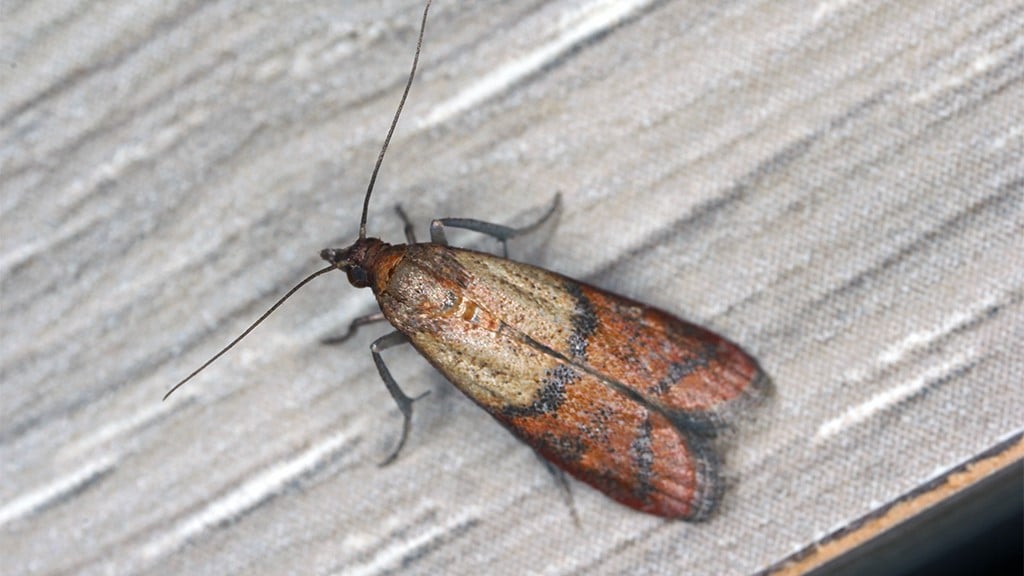
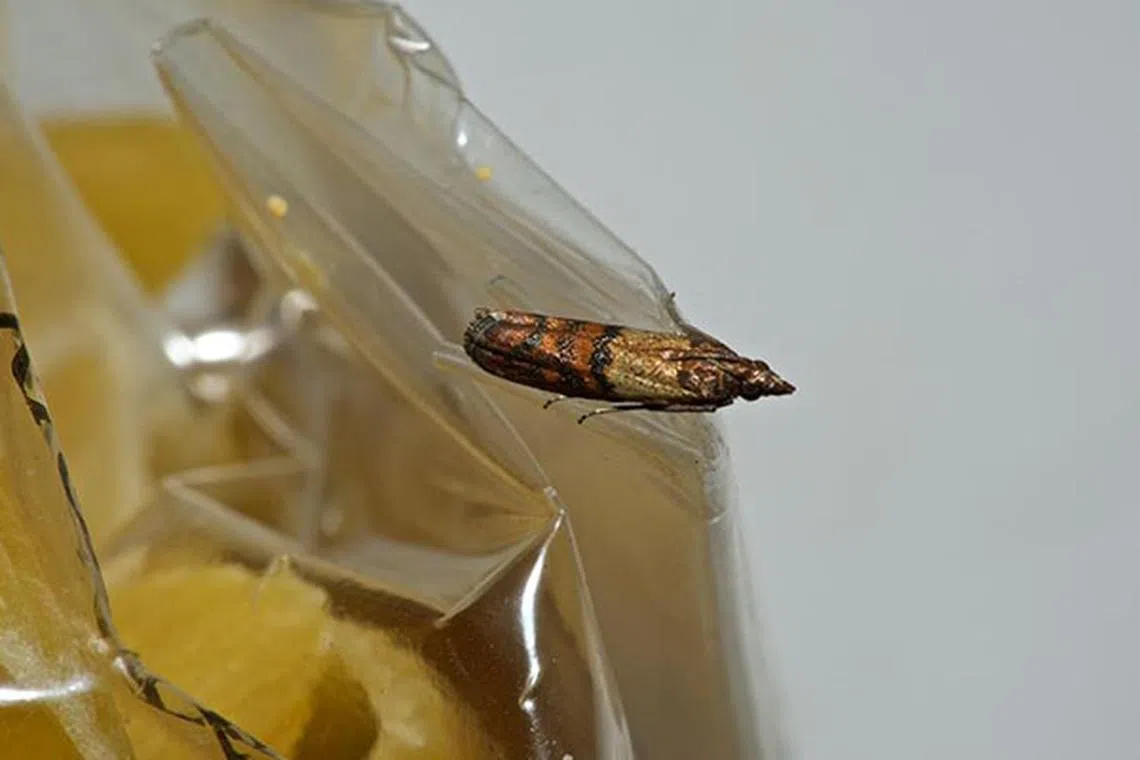
Kitchen moths often fall into two categories: the Indian meal moth and the Mediterranean flour moth. Indian meal moths are the more common culprits, with their distinctive copper-colored wings. They love dried goods like cereals, nuts, and pet food. On the other hand, Mediterranean flour moths have a penchant for flour-based products and can be recognized by their pale grey wings with dark lines. Knowing which type you’re dealing with can help in choosing the right extermination method.
Signs Of Infestation
Have you ever reached for a box of cereal only to find webbing or clumps inside? That’s a clear sign of moth infestation. Look for larvae in the corners of containers and moths fluttering around your pantry. They often hide in cracks and crevices, making them difficult to spot at first. Another tell-tale sign is the appearance of tiny holes in food packaging. If you notice these signs, it’s time to act quickly before the problem escalates.
Causes Of Infestation
Poor food storage and unsealed containers often lead to kitchen moth infestations. Leftover grains and pantry items attract these pesky invaders, causing them to breed and multiply rapidly. Regular cleaning and proper sealing can prevent their spread and keep your kitchen moth-free.
Understanding the causes of kitchen moth infestations is crucial for effective prevention and control. Often, these pesky intruders find their way into your home through unsuspecting channels or thrive due to favorable conditions. Knowing what attracts them can help you safeguard your kitchen and maintain a moth-free environment.Sources Of Moths
Kitchen moths, also known as pantry moths, can originate from various sources. Sometimes, they hitch a ride on grocery items like flour, grains, or even pet food. You might not notice them initially, as they often arrive in egg form, hidden within packaging. Another common entry point is from infested food items bought from stores. Always inspect packaging for tiny holes or signs of larvae before purchasing. Even a single infested item can lead to a full-blown infestation in your kitchen.Attractive Conditions
Certain conditions make your kitchen an inviting habitat for moths. Warm and humid environments are particularly appealing to them. They thrive in these climates, which are often found in kitchens due to cooking activities. Leaving food exposed is another magnet for moths. Open containers of grains, cereals, and dried fruits are like a buffet for these pests. Ensure all food items are sealed tightly in glass or plastic containers to deter them. Additionally, cluttered pantries can create hidden spots where moths can breed unnoticed. Regularly clean and organize your pantry to eliminate potential hiding places. This simple habit can be a game-changer in keeping your kitchen moth-free. Have you ever found yourself battling a sudden surge of these unwelcome guests? Identifying the source and understanding what makes your kitchen appealing to them is the first step in reclaiming your space.Preventive Measures
Seal food containers tightly to block kitchen moths from accessing grains and cereals. Regularly clean shelves and pantry areas to remove food particles and moth eggs. Use natural repellents like bay leaves or lavender to deter moths and keep your kitchen fresh.
Preventing a kitchen moth infestation is much easier than dealing with one. By focusing on preventive measures, you can keep these pesky insects at bay and maintain a clean, moth-free kitchen. Here are some practical steps to help you achieve this.Proper Food Storage
Ensure all your dry goods are stored in airtight containers. Moths can easily chew through paper and thin plastic packaging, so invest in sturdy glass or hard plastic containers. Labeling these containers can also help you monitor their contents and freshness. Consider keeping items like flour, grains, and nuts in the refrigerator or freezer, especially if you buy in bulk. Cold temperatures deter moths and extend the shelf life of your food. Have you ever found moths in your cereal box? It’s time to rethink your storage strategy.Regular Cleaning Routines
Maintaining a clean kitchen is key to preventing moth infestations. Start by wiping down shelves and pantry surfaces regularly. Use a mixture of vinegar and water for a natural, moth-repelling cleaner. Don’t forget the nooks and crannies where crumbs and spills tend to accumulate. These hidden areas can become breeding grounds for moths. Have you checked behind your appliances lately? Dispose of expired food items promptly. They can attract moths and other pests. Make a habit of reviewing your pantry contents monthly to ensure nothing is overlooked.Natural Remedies
Natural remedies provide effective solutions for getting rid of kitchen moths. Using eco-friendly methods not only protects your food but also keeps your kitchen safe. These remedies are easy to apply and cost-effective. They help maintain a healthy environment without harmful chemicals.
Herbal Repellents
Herbs can deter moths naturally. Bay leaves and lavender are popular choices. Place dried bay leaves in cupboards and pantries. Their scent repels moths effectively. Lavender sachets work well too. Hang them near food storage areas. This aromatic herb confuses moths, keeping them away from your food.
Essential Oils
Essential oils are powerful natural repellents. Peppermint and eucalyptus oils are ideal for moth control. Mix a few drops of oil with water. Spray the mixture in corners and shelves. It creates a barrier that moths avoid. Clove oil is another excellent option. Its strong scent acts as a deterrent. Soak cotton balls in clove oil. Place them strategically around the kitchen. This simple method keeps moths at bay.
Chemical Solutions
Kitchen moths can be quite the nuisance, invading your pantry and feasting on your food supplies. If you’ve tried natural remedies and are still battling these pesky insects, chemical solutions might be your next line of defense. While effective, using chemicals requires a careful approach to ensure both efficacy and safety. Let’s explore some options and precautions.
Insecticides
Insecticides are a powerful tool against kitchen moths. Many commercial products are available specifically targeting pantry pests. These typically come in spray or powder form, designed to eliminate moths at various stages of their lifecycle.
- Sprays:Apply directly to affected areas. Focus on crevices and corners where moths hide.
- Powders:Dust lightly in cupboards and along shelves. Ensure even distribution for maximum coverage.
Always read the label for specific instructions. Some products require you to vacate the kitchen for a few hours post-application. Others might necessitate multiple applications over several weeks for comprehensive results.
Safety Precautions
Your safety and that of your family should be a priority when using chemical solutions. Always wear gloves and a mask to avoid direct contact with insecticides. Ventilate the area well to prevent inhaling fumes.
- Storage:Keep chemicals out of reach of children and pets. A locked cabinet is ideal.
- Disposal:Follow local regulations for disposing of chemical products. Never pour them down the sink.
Before applying insecticides, ask yourself if all food items are adequately sealed. This ensures that no chemicals contaminate your food. Remember, a little preparation goes a long way in keeping your kitchen both moth-free and safe.
Professional Pest Control
Professional pest control is a reliable option for severe infestations. Kitchen moths can persist despite various home remedies. Experts bring advanced techniques and tools to the table. They ensure thorough eradication of pests from your kitchen.
When To Call Experts
Consider professional help if your efforts have failed. Persistent moths signify deeper issues. Multiple sightings or damaged food items indicate a serious infestation. Experts assess the situation quickly. They provide effective solutions tailored to your needs.
Choosing The Right Service
Research well before selecting a pest control service. Check reviews and ratings for quality assurance. Ensure they specialize in kitchen moth removal. Verify their use of safe and eco-friendly treatments. A reputable service offers detailed explanations of their methods. They also provide follow-up visits to ensure the moths don’t return.
Maintaining A Moth-free Kitchen
Keep your kitchen moth-free by storing food in airtight containers and regularly cleaning pantry shelves. Dispose of infested items promptly and use natural repellents like bay leaves or lavender to deter moths. Regular inspection helps maintain a clean, moth-free kitchen environment.
Maintaining a Moth-Free Kitchen involves more than just a one-time clean-up. It’s a commitment to keeping your kitchen safe and free from these pesky invaders. With a few strategic changes, you can ensure moths don’t find a home in your pantry again. Let’s explore some of the long-term strategies and routine inspections that will help you keep your kitchen moth-free.Long-term Strategies
To keep moths at bay, consider storing your grains and dry goods in airtight containers. This is one of the simplest ways to prevent moths from accessing their favorite foods. Glass jars or sturdy plastic containers work well. Regularly rotating your pantry items is another effective strategy. Use older items first, and keep an eye on expiration dates. This not only helps avoid waste but also ensures you spot potential infestation early. Consider using natural repellents like bay leaves or cloves in your storage areas. These can deter moths and add an extra layer of protection to your pantry.Routine Inspections
Make routine inspections a habit. Every month, take a moment to check your pantry and kitchen shelves for signs of moth activity. Look for webbing or larvae in corners or on packaging. Incorporate a cleaning schedule that includes vacuuming and wiping down shelves. Regular cleaning reduces the chances of moths laying eggs and helps you spot trouble before it escalates. Be observant of changes. If you notice damaged food packaging or strange smells, it might be time to investigate further. Addressing issues early can save you from a full-blown infestation.
Credit: moxieservices.com

Credit: maggiesfarmproducts.com
Frequently Asked Questions
Why Do I Have Moths In My Kitchen?
Moths in your kitchen often come from infested pantry items like grains, cereals, or flour. They thrive in warm, dark spaces and can enter through open windows or doors. Regularly inspect and seal food containers to prevent infestations. Cleaning shelves and disposing of contaminated items can help eliminate the problem.
What Kills Pantry Moths Instantly?
Use insecticidal sprays or aerosols designed for moths to kill pantry moths instantly. Direct contact ensures immediate elimination. Always follow product instructions for safe and effective use. Regular cleaning and vacuuming help prevent infestations. Seal food in airtight containers to protect from future moth invasions.
How Do I Get Rid Of A Moth Infestation In My Kitchen?
Clean your kitchen thoroughly. Store dry goods in airtight containers. Use pheromone traps to catch adult moths. Regularly vacuum shelves and pantry areas. Dispose of infested food immediately.
How Long Will It Take To Get Rid Of Pantry Moths?
Eliminating pantry moths can take a few weeks to a month. Clean thoroughly and discard infested items. Use airtight containers and traps to prevent recurrence. Regularly inspect and maintain cleanliness to ensure a moth-free pantry. Persistence and vigilance are key to effective eradication.
Conclusion
Kitchen moths can be a real nuisance. But with simple steps, they’re manageable. Clean your pantry regularly. Store food in airtight containers. Use natural repellents like bay leaves. Check groceries before storing them. Maintain cleanliness to prevent infestations. Keep an eye on potential hiding spots.
A little effort goes a long way in keeping moths away. Remember, prevention is the best strategy. Stay vigilant and protect your kitchen. A moth-free kitchen is possible with consistent habits. Implement these tips and enjoy a clean, pest-free space.
Your kitchen deserves the best care. Happy cooking!