How Do You Get Rid of Tiny Ants in Kitchen: Expert Tips
Executive Chef & Lead Commercial Kitchen Specialist at Daily Kitchup Test Lab
You walk into your kitchen, ready to start your day, only to find tiny ants marching across your countertop. It’s frustrating, isn’t it?
These little invaders seem to appear out of nowhere, and suddenly your kitchen feels less like a sanctuary and more like a battleground. But don’t worry; you’re not alone in this fight. You’re here because you’re looking for effective solutions to reclaim your space.
This article is your guide to understanding why these pesky ants have chosen your kitchen and, more importantly, how you can get rid of them for good. By the end, you’ll have the tools and knowledge to say goodbye to these unwelcome guests. So, let’s dive in and tackle this problem together!
Identify Ant Species
Before you can effectively tackle the problem of tiny ants in your kitchen, it’s crucial to identify the species you’re dealing with. Different ant species have distinct behaviors and preferences, which can affect the methods used to eliminate them. Knowing which type of ant has invaded your space allows you to target your approach more precisely.
Recognizing Common Ant Species
Some of the most common ant species found in kitchens include sugar ants, odorous house ants, and Argentine ants. Each has unique characteristics that can help you identify them. Sugar ants are small and often attracted to sweets, while odorous house ants emit a distinct smell when crushed. Argentine ants, on the other hand, are known for their large colonies.
Observing Ant Behavior
Pay attention to where the ants are congregating and what they’re attracted to. Are they swarming around sugary spills or marching towards the garbage can? Observing their behavior can give clues about their species and help tailor your approach to removing them.
Using Online Resources
There are plenty of online resources, including photos and descriptions, to help you identify the ants in your kitchen. Websites dedicated to pest control or entomology can provide valuable information. Take advantage of these resources to make a more informed decision about how to address your ant problem.
Consulting A Professional
If you’re still unsure, consider reaching out to a pest control professional for identification. They can provide expert advice on the type of ants present and recommend the most effective treatment options. This step ensures you don’t waste time on ineffective methods.
Identifying the ant species is a critical first step in reclaiming your kitchen from these pesky invaders. With the right knowledge, you can choose the most appropriate strategies and solutions.

Credit: www.simplepest.com
Locate Entry Points
Locate Entry Points Identify where ants enter your kitchen. Check windows, doors, and small cracks. Seal these gaps to prevent entry.
Locating entry points is crucial in controlling tiny ants in your kitchen. These pesky insects often find their way indoors through small cracks and crevices. Identifying these access points can help in sealing them effectively, preventing further invasions. Begin by examining common areas where ants might enter.Inspect Windows And Doors
Windows and doors are common entry points for ants. Check the seals and frames for gaps. Even tiny cracks can be an open invitation for ants. Use caulk or weather stripping to seal any visible gaps. This simple step can reduce the number of ants entering your home.Examine Plumbing And Pipes
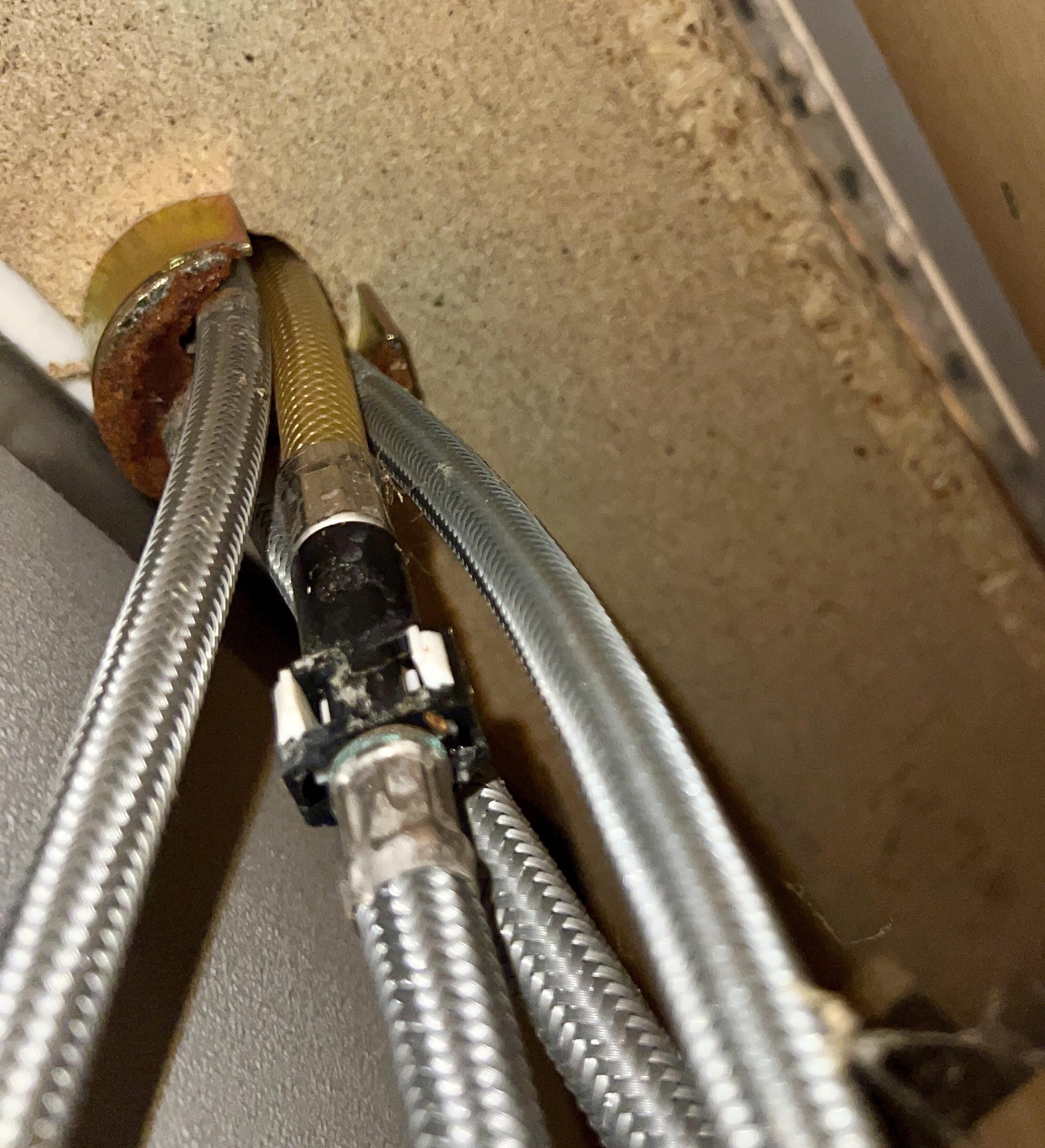
Plumbing and pipes can be another route for ants. Inspect areas around sinks and drains. Look for any leaks or openings where pipes enter walls. Seal these gaps with appropriate materials. This prevents ants from using pipes as a highway into your kitchen.Check For Cracks In Walls
Walls can have tiny cracks that are perfect for ants. Walk around your kitchen and inspect the walls thoroughly. Use a flashlight to spot small openings. Fill these cracks with suitable sealants. This helps in blocking ants from sneaking through unnoticed.Look Around Flooring
Flooring often has gaps where ants can enter. Check baseboards and edges for tiny openings. These areas are often overlooked. Use caulk or other sealants to close these entry points. This makes it harder for ants to infiltrate your kitchen from the ground level.Inspect Kitchen Countertops
Countertops can have seams and edges where ants might crawl in. Examine these areas carefully. Apply sealant to close any gaps. Regular checks can ensure countertops remain secure from ant invasions. By thoroughly inspecting these areas, you can effectively limit ants from entering your kitchen. Taking time to seal these entry points can lead to a pest-free environment.Natural Deterrents
Tiny ants in the kitchen can be quite a nuisance. Many people prefer natural solutions to deal with these pesky intruders. Natural deterrents are safe and effective ways to keep ants at bay without using harsh chemicals. These methods are not only eco-friendly but also easy to implement.
Essential Oils
Essential oils work wonders in repelling ants. Peppermint oil is a popular choice. Mix a few drops with water and spray around ant entry points. Lavender oil is another excellent option. Ants dislike the strong scent. Use a cotton ball soaked in lavender oil to wipe surfaces. Tea tree oil is effective too. Dilute with water and spray where ants roam.
Vinegar Solutions
Vinegar disrupts ant trails. Ants use scent trails to navigate. Mix equal parts of vinegar and water in a spray bottle. Spray around baseboards and counters. The smell fades for humans but confuses ants. White vinegar works best. Use daily for maximum effect.
Diatomaceous Earth
Diatomaceous earth is a natural powder. It harms ants physically. Spread a thin layer near entry points. It dehydrates ants, killing them. Ensure it’s food-grade diatomaceous earth. Safe for humans and pets. Reapply after cleaning surfaces or if moisture occurs.
Chemical Treatments
Tiny ants in the kitchen can be eliminated using chemical treatments. Apply bait stations or sprays designed for ants. These products target the colony and prevent future infestations.
Chemical treatments can effectively eliminate tiny ants in your kitchen. They act quickly and target ant colonies. Choose the right product for your situation. Each type offers unique benefits.Ant Baits
Ant baits attract ants with a sweet lure. The ants carry the bait back to their colony. This spreads the poison throughout the nest. Place baits near ant trails and entry points. Be patient; it may take a few days.Sprays And Powders
Sprays and powders kill ants on contact. They provide immediate results. Sprays can reach into cracks and crevices. Powders work well on surfaces and in hard-to-reach areas. Use these treatments where you see ant activity. Always follow the product instructions carefully.Preventive Measures
Keeping tiny ants out of your kitchen can be a real challenge, but it’s crucial to tackle the problem head-on. Prevention is always better than having to deal with the aftermath of an ant invasion. By implementing simple preventive measures, you can make your kitchen an unwelcoming place for these persistent pests. Let’s dive into some practical steps you can take to safeguard your kitchen.
Seal Cracks And Gaps
Ants are tiny creatures that can squeeze through the smallest of openings. Inspect your kitchen thoroughly for any cracks or gaps in walls, floors, and around windows. Even the tiniest crevice can be a gateway for ants to invade your space. Use caulk or sealant to close these entry points.
A few years ago, I discovered ants marching in through a gap behind my kitchen cabinet. A quick trip to the hardware store for sealant solved the problem almost immediately. It was a simple fix, but it made a huge difference in keeping ants at bay. Have you checked your cabinets lately?
Maintain Cleanliness
Ants are drawn to food crumbs and spills like magnets. Keeping your kitchen spotless is a powerful deterrent. Wipe down surfaces regularly, especially after meal prep, and make sure crumbs don’t linger on counters or floors. Don’t forget to clean behind appliances.
- Store food in airtight containers to prevent enticing smells from escaping.
- Take out the trash frequently to avoid attracting ants to your waste bin.
- Ensure there’s no sticky residue left behind after spills.
I once left a sugary drink spill unattended overnight, and the ants were relentless the next morning. Lesson learned: a quick cleanup can save you a lot of hassle. Are there areas of your kitchen you often overlook when cleaning?
By sealing entry points and maintaining cleanliness, you’re taking significant steps towards an ant-free kitchen. Remember, consistency is key. What other small changes can you make to fortify your kitchen against these tiny invaders?

Credit: www.eatingwell.com
Professional Pest Control
Tiny ants in the kitchen can be troublesome. Professional pest control identifies entry points and uses safe treatments to eliminate them. Regular cleaning and sealing cracks help prevent future infestations.
Hiring professional pest control can effectively eliminate tiny ants in the kitchen. Experts use specialized tools and techniques to tackle ant infestations. This approach ensures a thorough and lasting solution.Identifying The Source Of Infestation
Professionals first identify where ants are entering your home. They locate nests and track ant trails. This step is crucial for effective treatment.Using Safe And Effective Treatments
Experts apply safe treatments tailored to your home’s needs. They use products that are both effective and environmentally friendly. This ensures the safety of your family and pets.Preventive Measures And Tips
After treatment, professionals offer tips to prevent future infestations. They advise on sealing entry points and maintaining cleanliness. This helps keep ants away for good.Regular Monitoring And Maintenance
Pest control services often include regular follow-ups. They check for any signs of returning ants. This ensures your kitchen remains ant-free over time.Long-term Prevention
Sealing cracks and storing food tightly helps prevent tiny ants in the kitchen. Regular cleaning removes crumbs and spills. Use natural repellents like vinegar or citrus to deter ants.
Long-term prevention is the key to keeping your kitchen free from tiny ants. While quick fixes might work temporarily, maintaining a clean and uninviting environment for these persistent pests is crucial. Let’s explore some practical strategies that you can implement to ensure ants don’t make a comeback.Regular Inspections
Conducting regular inspections can help you catch ant issues before they become a full-blown problem. Set a routine to check common entry points like windowsills, doors, and plumbing for any signs of ant activity. Look for trails or nests, and take immediate action if you notice anything unusual. Use a flashlight to inspect dark corners and under appliances where ants might hide. By staying vigilant, you can address small problems before they escalate.Seasonal Tips
Different seasons bring different challenges, and ants often adjust their behavior based on the weather. In the warmer months, ants might be more active, so seal cracks and crevices around your kitchen to block their entry. During rainy seasons, ants may seek shelter indoors, making your home more appealing. Ensure that food containers are sealed tightly and clean up spills immediately. As the weather cools, ants may look for warmth. Keep your kitchen clutter-free and check storage areas regularly to ensure they remain ant-free. By adapting your prevention methods to the changing seasons, you can keep ants at bay throughout the year.
Credit: www.youtube.com
Frequently Asked Questions
Why Do I Suddenly Have Tiny Ants In My Kitchen?
Tiny ants often invade kitchens searching for food or water. Seal cracks and store food properly. Clean spills and crumbs to deter them. Ants might enter during warmer months or through small openings. Consider using natural repellents or traps to manage the infestation effectively.
How Do I Get Rid Of Tiny Ants In My Kitchen?
Seal all entry points to prevent ants. Clean surfaces with vinegar or lemon juice. Use ant baits or traps. Keep food sealed and areas dry. Regularly dispose of garbage.
What Is The Fastest Way To Get Rid Of Small Ants In The House?
Use vinegar or lemon juice to disrupt ant trails. Seal entry points and remove food sources. Apply diatomaceous earth near ant nests. Set bait traps for effective control. Regularly clean surfaces to prevent re-infestation.
How Do I Find Out Where Ants Are Coming From In My Kitchen?
Check for ant trails leading to small cracks or gaps in walls, floors, or countertops. Inspect windows, doors, and plumbing fixtures for entry points. Seal potential entryways and maintain cleanliness to prevent attraction. Use a flashlight to spot trails during early morning or late evening when ants are most active.
Conclusion
Tiny ants in the kitchen can be a nuisance. To tackle them, use natural remedies like vinegar or lemon juice. Regular cleaning helps keep them away. Seal food properly to prevent attracting ants. You can also try ant baits for a lasting solution.
Block their entry points to stop them from coming in. Consistency is key in keeping your kitchen ant-free. With patience and persistence, you can enjoy an ant-free kitchen. Keep your space clean and monitor for any signs of return. Stay proactive, and soon, ants will be a problem of the past.

Similar Posts