How to Get Rid of Tiny Black Ants in Kitchen: Proven Tips
Executive Chef & Lead Commercial Kitchen Specialist at Daily Kitchup Test Lab
Picture this: you’re about to enjoy a peaceful morning in your kitchen, only to find tiny black ants marching across your countertop. It’s frustrating, right?
These little invaders seem to appear out of nowhere, making themselves at home in your space. But don’t worry; you’re not alone in this battle against tiny black ants. These pests are a common nuisance, but the good news is you can reclaim your kitchen without stress.
In this guide, we’ll explore simple and effective ways to get rid of those pesky ants for good. You’ll learn why they’re drawn to your kitchen, the best methods to keep them at bay, and how to prevent them from returning. So, if you’re ready to say goodbye to these unwanted guests and enjoy an ant-free kitchen, keep reading. Your solution is just a few scrolls away!
Identify The Ant Species
Identifying the ant species in your kitchen is the first step to effectively getting rid of them. Different species have varying behaviors and require specific strategies for elimination. Knowing exactly what you’re dealing with will help you tackle the problem efficiently.
Understanding Common Ant Species
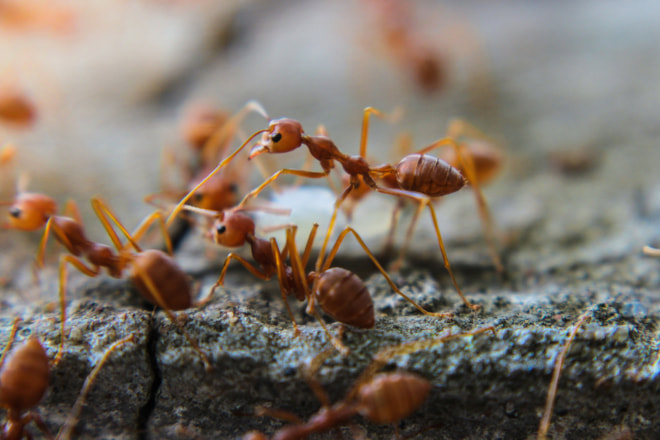
Black ants in your kitchen could be any of several common species. The most prevalent are pavement ants and Argentine ants. Pavement ants are small, about 1/8 inch long, and often found in cracks or under stones. Argentine ants, slightly larger, are known for forming huge colonies.
Observing The Ants’ Behavior
Take a moment to observe their trails and activity. Are they forming long trails towards food sources or scattered around? Pavement ants typically travel in small groups, while Argentine ants form distinct trails. Noticing these patterns can clue you into their species.
Using Simple Tools For Identification
You can use a magnifying glass to examine the ants closely. Look for specific characteristics like body shape and size. Pavement ants have parallel lines on their heads, while Argentine ants have a smooth, shiny appearance. These distinctions are crucial for proper identification.
Why Accurate Identification Matters
Once you identify the species, you can choose the right method to eliminate them. Some ants might respond to bait traps, while others might require targeted pesticides. Accurate identification saves time and frustration, ensuring you don’t waste efforts on ineffective solutions.
What If You’re Unsure?
If you’re still uncertain, consider consulting a professional pest control service. They can provide expert identification and suggest tailored treatment options. Remember, the key to success is understanding your tiny intruders completely.
Ever noticed how ants seem to appear out of nowhere? It’s fascinating but also a bit annoying. Identify them first; it’s your best bet to reclaiming your kitchen space. What surprising ant facts have you come across in your quest to get rid of them?

Credit: m.youtube.com
Locate The Ant Nest
Find the ant trail by observing their movement in your kitchen. Follow the ants to locate their nest. Identifying their entry points helps target treatment effectively.
Finding the ant nest is crucial to solving your kitchen ant problem. Ants often build their nests close to food sources. This is why they invade kitchens. By locating their nest, you can stop them at the source. This process requires patience and observation. Here are some effective ways to find their nest.Follow The Ant Trail
Ants leave behind a pheromone trail. This helps them find their way back to their nest. Follow the ants as they move. Watch where they go and how they behave. They usually move in a line, making it easier to trace. This trail will lead you to their nest.Check Hidden Spots
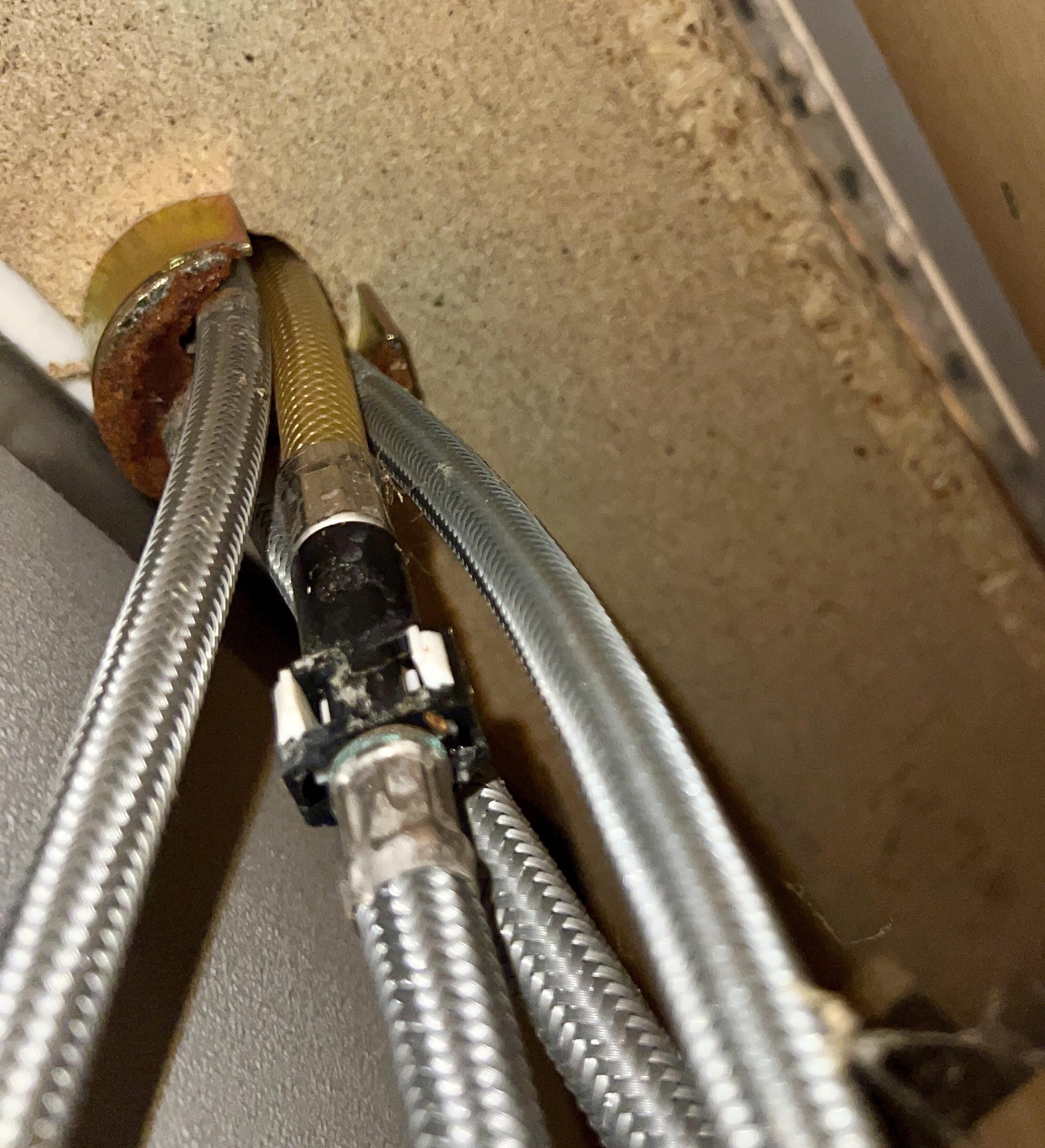
Ants prefer hidden and protected areas. Look under sinks, behind appliances, and inside cabinets. These spots may seem unlikely, but they provide safety. Check for small cracks or holes. Ants use these to enter and exit their nests.Inspect Moist Areas
Ants are attracted to moisture. Inspect areas with water sources. Look around the sink, pipes, and any leaky spots. Moisture helps ants survive and thrive. Finding wet areas can lead you to their nest.Observe Ant Behavior
Ant behavior can reveal nest locations. Watch how they carry food and interact. Look for ants carrying bits back to their nest. Observe their patterns and movement. This will give clues to the nest’s location.Seek Professional Help
If you struggle to find the nest, consider expert help. Pest control professionals have experience and tools. They can identify and eliminate ant nests effectively. This ensures a comprehensive solution to your ant problem.Seal Entry Points
Sealing entry points is crucial to keeping tiny black ants out. These small invaders often find their way through tiny gaps and cracks. Identifying and sealing these openings can prevent their intrusion. This simple step can significantly reduce ant invasions in your kitchen. Let’s explore how to effectively seal entry points.
Inspect Your Kitchen Thoroughly
Begin by inspecting your kitchen for small holes and gaps. Look near windows, doors, and baseboards. Ants can enter through the tiniest openings. Check under sinks and near pipes. These areas often have hidden gaps. Use a flashlight to find hard-to-see openings.
Use Caulk To Seal Cracks
Caulk is effective for sealing small cracks and gaps. Choose a silicone-based caulk for durability. Apply it to any openings found during inspection. Ensure the caulk is applied evenly and fills the gap completely. Allow it to dry before checking for other openings.
Install Weather Stripping
Weather stripping helps seal gaps around doors and windows. It prevents ants from entering through small openings. Measure the area needing weather stripping. Cut the strip to the required length. Attach it firmly, ensuring there are no gaps left uncovered.
Use Door Sweeps
Door sweeps block ants from entering under doors. They are easy to install and effective. Choose a sweep matching your door size. Attach it to the bottom of the door. Check if it creates a tight seal when the door closes.
Seal Around Pipes And Vents
Pipes and vents often have gaps that allow ants entry. Use expanding foam or pipe sealant for these areas. Apply it around the base of pipes. Ensure vents are tightly sealed with mesh covers. Regularly inspect these areas for new gaps.
- Check for new cracks regularly.
- Replace old caulk and weather stripping.
- Ensure door sweeps remain effective.
Sealing entry points is key to keeping ants away. Regular inspections and maintenance are essential. Keep your kitchen ant-free with these simple solutions.

Credit: www.youtube.com
Maintain A Clean Kitchen
Eliminate tiny black ants by keeping countertops spotless and storing food in airtight containers. Regularly empty trash bins and wipe spills immediately. Ant deterrents like vinegar can help maintain an ant-free zone.
Maintaining a clean kitchen is vital to eliminate tiny black ants. Ants are attracted to food crumbs and spills. Keeping your kitchen spotless deters them effectively. Here’s how you can keep your kitchen ant-free by ensuring cleanliness.Wipe Down Surfaces
Wiping down surfaces keeps ants away. Use a mild soap solution for cleaning. Pay special attention to countertops and tables. Clean these areas after every meal. Ants follow scent trails left by others. Cleaning disrupts these trails.Store Food Properly
Proper food storage prevents ant infestations. Use airtight containers for storing food. Keep sugary items and snacks sealed. Ants are drawn to open food sources. Ensure jars and containers are closed tightly. This reduces the chance of ant invasions.Regular Garbage Disposal
Dispose of garbage regularly to avoid ant problems. Ants are attracted to food waste. Empty your kitchen bin daily. Use a bin with a tight-fitting lid. This keeps the smell contained and ants away. Clean the bin often to remove residue.Use Natural Deterrents
Natural deterrents can effectively repel tiny black ants in the kitchen. Try using vinegar or lemon juice to disrupt their scent trails. Additionally, sprinkle cinnamon or coffee grounds near entry points to discourage them from entering.
Getting rid of tiny black ants in your kitchen doesn’t need harsh chemicals. Natural deterrents are effective and safe alternatives. They help maintain a clean and healthy environment. Let’s explore some natural solutions that keep those pesky ants away.Vinegar Solutions
Vinegar disrupts ant pheromone trails. Mix equal parts of vinegar and water in a spray bottle. Spray it along ant trails and entry points. The smell deters ants and masks their scent paths. Reapply daily for best results. Use white vinegar for its strong scent and effectiveness.Essential Oils
Essential oils like peppermint and tea tree oil repel ants. Mix 10 drops of essential oil with a cup of water. Use a spray bottle to apply the solution where ants enter. Refresh the mixture every few days. The strong aroma confuses ants, keeping them away naturally.Diatomaceous Earth
Diatomaceous earth is a natural powder that kills ants on contact. Sprinkle it lightly along ant trails and near entry points. Ensure it’s food-grade for kitchen safety. It works by dehydrating ants, leading to their demise. Reapply after cleaning or if it gets wet. Use it safely around pets and children, as it is non-toxic.Apply Chemical Treatments
Chemical treatments can effectively eliminate tiny black ants in the kitchen. Use ant baits or sprays that target ant colonies. Ensure careful application to prevent contamination of food areas.
Applying chemical treatments can be an effective way to eliminate tiny black ants in your kitchen. These treatments are designed to target ants directly, providing quick and reliable results. While natural methods might be preferred by some, chemical solutions often offer a more comprehensive approach. Below are two common types of chemical treatments: ant baits and insecticide sprays.Ant Baits
Ant baits are a popular choice for tackling ant infestations. They contain a mix of food and poison. The bait attracts ants, who then carry the poison back to the colony. This method ensures that the entire colony is affected. Baits are easy to use and can be placed in various kitchen areas. They work best when positioned along ant trails. Make sure to keep baits away from food items and pets.Insecticide Sprays
Insecticide sprays offer immediate results, killing ants on contact. These sprays can be applied directly to surfaces where ants are seen. Sprays are ideal for treating hidden nests and cracks. Choose a spray that is safe for indoor use. Always follow the instructions on the label for best results. Wear protective gear while applying sprays to ensure safety.Monitor And Reassess
Regularly check for ant activity and adjust your approach as needed. Keep an eye on bait effectiveness and cleanliness. Consider professional help if infestations persist.
Monitoring and reassessing your efforts is crucial in ensuring those pesky tiny black ants don’t make a comeback in your kitchen. It’s easy to get complacent once you notice a decrease in ant activity, but vigilance is key. You need a proactive approach to keep your kitchen ant-free for the long term.Track Ant Activity
Keep an eye on common ant trails, especially around windowsills, countertops, and under sinks. These are popular pathways for ants. Regularly inspect these areas to catch any new activity early. Set up a simple ant monitoring system using sticky traps. Place them in strategic locations to help you see if there’s a resurgence of ants. This will give you a clear indication of your ant control success.Evaluate The Effectiveness Of Your Methods
Review the strategies you have implemented. Did the natural remedies or commercial products work effectively? Assess their impact and determine if adjustments are needed. If you’ve used a combination of methods, identify which ones had the most significant impact. This can guide your future efforts, ensuring you invest time and resources in what truly works.Stay Informed On Ant Behavior
Understanding ant behavior can give you an edge in your control efforts. Did you know ants can change their foraging patterns with weather changes? Staying updated on such behaviors helps you anticipate and act accordingly. Consider joining online forums or local community groups. Sharing experiences and tips can provide new insights and strategies to combat ants effectively.Reapply Or Adjust Solutions As Needed
Sometimes, the initial solution might not be enough. Be ready to reapply treatments or try new ones if ant activity resumes. Consistency and adaptability are your allies in this ongoing battle. Don’t hesitate to switch up your tactics. If a particular method isn’t yielding results, explore other options to maintain your kitchen’s ant-free status. Are you ready to take control and keep those tiny black ants at bay? Your vigilance and adaptability can make all the difference. Keep monitoring and reassessing, and you’ll be one step ahead in the ant control game!
Credit: www.express.co.uk
Prevent Future Infestations
Seal cracks and crevices to block entry points for ants. Clean kitchen surfaces regularly to remove food traces. Store food in airtight containers to prevent attracting ants.
Preventing future infestations of tiny black ants is crucial if you want to keep your kitchen ant-free. While getting rid of an existing problem is important, ensuring they don’t return is equally vital. Here are some practical tips to help you maintain an ant-free kitchen environment.Regular Inspections
Regular inspections can be your first line of defense against a potential ant invasion. Make it a habit to check common entry points like windowsills, door frames, and baseboards. Spotting and sealing any cracks or gaps early can prevent ants from finding their way into your kitchen. It’s also wise to keep an eye on areas that are prone to moisture, such as under sinks. Ants are drawn to water sources, so addressing leaks promptly can deter them. Consider using a flashlight to thoroughly inspect these hidden spots.Proper Food Storage
Proper food storage plays a significant role in keeping ants at bay. Ensure that all food items are stored in airtight containers. This simple step can prevent ants from detecting food odors, which are a major attraction. Don’t forget about your pantry staples like sugar, flour, and cereals. These should be kept in sealed containers as well. Regularly cleaning your pantry and disposing of expired items will further reduce the risk of attracting ants.Outdoor Maintenance
Your outdoor area can have a direct impact on indoor ant infestations. Trim back trees and bushes that are close to your home, as they can serve as bridges for ants. Keep your yard tidy by removing debris and fallen leaves where ants might hide. Consider applying a natural ant repellent around the perimeter of your home. This can create a barrier that discourages ants from approaching. Regularly inspecting and maintaining your outdoor space can significantly reduce the chances of ants finding their way inside.Frequently Asked Questions
What Attracts Tiny Black Ants In Kitchens?
Tiny black ants are attracted to food sources like crumbs and spills. They seek moisture from leaks and pet water bowls. Keeping your kitchen clean and dry can prevent infestations. Regularly sealing food containers and promptly fixing leaks are effective deterrents against ants.
How Can I Prevent Ants Naturally?
To prevent ants naturally, use vinegar or lemon juice as a deterrent. These disrupt ants’ scent trails. Essential oils like peppermint or tea tree can repel them. Keeping your kitchen clean and dry also helps. Regularly wiping surfaces and fixing leaks can prevent ants from entering.
Are Chemical Ant Killers Safe For Kitchens?
Chemical ant killers can be effective but must be used cautiously in kitchens. Ensure they are food-safe and follow instructions. Consider natural alternatives for safer use. Regular cleaning, sealing food, and fixing leaks can help prevent infestations without chemicals.
Can I Use Vinegar To Repel Ants?
Yes, vinegar is an effective natural repellent for ants. It disrupts their scent trails, making it harder for them to navigate. Mix equal parts of water and vinegar, and spray around entry points. Regular application can prevent ants from entering your kitchen.
Conclusion
Getting rid of tiny black ants in your kitchen takes patience. Regular cleaning helps keep ants away. Seal food containers tightly to prevent attraction. Consider natural remedies like vinegar or essential oils. These can deter ants effectively. Check for ant entry points and block them.
Professional pest control may be necessary for persistent problems. A clean kitchen keeps ants at bay. Stay vigilant and maintain your routine. Prevent ants from returning with consistent effort. Your kitchen will become ant-free over time. Enjoy your pest-free space and peace of mind.

Similar Posts