How Long Should You Use a Kitchen Sponge: Expert Insights
Executive Chef & Lead Commercial Kitchen Specialist at Daily Kitchup Test Lab
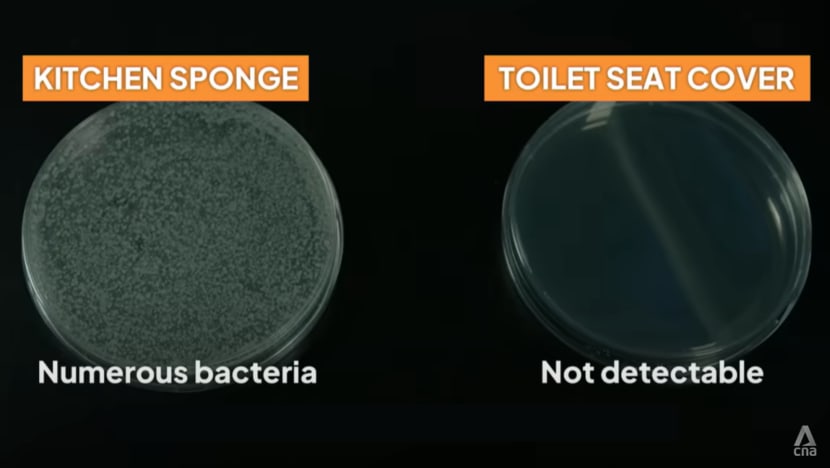
Are you aware of what’s lurking in your kitchen sponge? This little cleaning tool might seem harmless, but it can be a surprising hotspot for bacteria.
You use it every day to clean dishes and wipe surfaces, but how often do you think about replacing it? Many people don’t realize that a kitchen sponge can become a breeding ground for germs if used for too long.
This can not only affect your hygiene but also your health. By understanding how often you should replace your kitchen sponge, you can keep your kitchen cleaner and safer. Curious to know if you’re using yours for too long? Let’s dive into the surprising facts and simple solutions to ensure your kitchen remains a healthy environment.
Lifespan Of A Kitchen Sponge
The humble kitchen sponge is an unsung hero in our daily cleaning routine. Yet, despite its frequent use, we often overlook its lifespan. Have you ever wondered how long you should really keep using that sponge? It’s a question worth exploring to ensure your kitchen stays hygienic and safe.
Understanding The Lifespan Of A Kitchen Sponge
Kitchen sponges can be surprisingly resilient, but they’re not invincible. Typically, a sponge should be replaced every two weeks. However, its exact lifespan can depend on how often you use it and how well you maintain it. Are you diligent about cleaning it? If not, you might need to replace it sooner.
Signs Your Sponge Needs Replacing
- Foul odor emanating from the sponge
- Visible mold or mildew on the surface
- The sponge feels slimy or begins to fall apart
These signs are a clear indication that your sponge is past its prime. A sponge that smells bad is a breeding ground for bacteria, and using it can spread germs around your kitchen.
Best Practices For Extending Sponge Life
Want to extend the life of your sponge? Rinse it thoroughly after each use. Squeeze out all excess water and store it in a dry area. Regularly sanitize your sponge by microwaving it for two minutes or soaking it in a vinegar solution. This simple routine can add days, sometimes weeks, to its lifespan.
Environmental Considerations
Throwing out sponges frequently may seem wasteful. Consider biodegradable options or reusable dishcloths as alternatives. They can reduce environmental impact while still keeping your kitchen clean. Think about how you can balance hygiene with sustainability in your kitchen practices.
What Happens If You Don’t Replace Your Sponge?
Continuing to use an old sponge can lead to contamination of your kitchen surfaces and potentially your food. Sponges can harbor bacteria like E. coli and Salmonella, posing health risks. Ask yourself, is the risk worth it? Keeping a clean and safe kitchen should always be a priority.
Factors Affecting Sponge Longevity
Kitchen sponges are essential for cleaning. Their lifespan depends on various factors. Understanding these factors can help maintain hygiene and efficiency.
Material Composition
The material of a sponge affects its durability. Natural sponges are biodegradable but wear out faster. Synthetic sponges last longer but may harbor bacteria. Choose a sponge that suits your cleaning needs and hygiene preferences.
Frequency Of Use
How often you use a sponge impacts its lifespan. Daily use wears out a sponge quickly. Less frequent use extends its life. Consider having multiple sponges for different tasks. This can distribute wear and tear.
Type Of Cleaning Tasks
Different cleaning tasks affect sponge longevity. Heavy-duty tasks can damage a sponge faster. Gentle tasks preserve the sponge longer. Match the sponge type to the task for optimal use.
Signs A Sponge Needs Replacement
Kitchen sponges show signs of wear like foul odors, discoloration, and tearing. Replace every two weeks to maintain hygiene. Fresh sponges prevent bacteria buildup and ensure effective cleaning.
Signs a Sponge Needs Replacement A kitchen sponge is a vital cleaning tool. Over time, it can show signs it needs replacing. Recognizing these signs ensures your kitchen stays clean and hygienic. Below are key indicators that your sponge might need a swap.
Visible Wear And Tear
Inspect your sponge regularly for damage. Look for fraying edges or holes. A worn sponge can’t clean effectively. Replace it to maintain cleanliness.
Persistent Odors
Smell your sponge after use. A lingering bad smell indicates bacteria. Even after washing, odors mean it’s time for a new sponge. Keep your kitchen fresh and safe.
Reduced Cleaning Efficiency
Notice if your sponge struggles to clean surfaces. It might leave streaks or residue. A sponge that no longer works well should be replaced. Ensure your cleaning routine stays effective.
Credit: www.channelnewsasia.com
Proper Sponge Maintenance
Proper sponge maintenance is crucial for a clean kitchen. A well-maintained sponge effectively removes dirt and bacteria. It also lasts longer, saving you money. Let’s explore how to care for your sponge.
Regular Cleaning Techniques
Sponges need regular cleaning to stay effective. Here are some methods:
- Microwave: Moisten the sponge and heat it for 1-2 minutes. This kills bacteria.
- Dishwasher: Place the sponge in the top rack. Run a hot wash cycle.
- Vinegar Soak: Soak the sponge in vinegar for 5 minutes. Rinse well.
Storage Tips To Extend Life
How you store your sponge affects its lifespan. Follow these tips:
- Drying: Always let the sponge dry completely between uses. This prevents mold.
- Avoid Crowding: Do not store sponges in crowded spaces. Allow air circulation.
- Designated Holder: Use a holder with drainage. This helps keep the sponge dry.
Alternative Cleaning Tools
Kitchen sponges should be replaced every week to prevent bacteria buildup. Consider using silicone scrubbers or bamboo brushes as sustainable alternatives. These tools last longer and are easier to clean, promoting a healthier kitchen environment.
Switching out your kitchen sponge regularly can prevent germs from spreading. But what if you could use something that lasts longer and is kinder to the environment? Let’s explore some alternative cleaning tools that might fit your lifestyle better.
Eco-friendly Options
Using eco-friendly cleaning tools can help reduce waste and keep your kitchen clean. Consider using loofah sponges made from natural materials. They are biodegradable and can be composted when worn out. Bamboo dish brushes are another great option. They are durable, have replaceable heads, and are made from sustainable materials. Plus, they add a touch of elegance to your kitchen with their sleek design. If you prefer something more familiar, cellulose sponges are a good choice. Made from natural materials, they break down much faster than synthetic sponges.
Durable Alternatives
If longevity is what you’re after, consider investing in silicone sponges. They don’t hold onto bacteria as traditional sponges do, and they last significantly longer. Plus, they are easy to clean—just pop them in the dishwasher. Copper scrubbers are perfect for tackling tough grime. They don’t rust, and they last much longer than steel wool pads. The best part? They are gentle on your hands but tough on pots and pans. Then there are microfiber cloths. These are versatile, can be used wet or dry, and are machine washable. They are perfect for those who like a minimalist approach to kitchen cleaning. With these alternatives, you can maintain a clean kitchen and contribute to a healthier planet. Which one will you try first?

Credit: www.goodhousekeeping.com
Expert Recommendations
Kitchen sponges are essential tools for cleaning. Experts provide helpful recommendations for their use. Proper care can extend a sponge’s lifespan and maintain hygiene. Knowing when to replace a sponge prevents bacteria buildup. Keep your kitchen safe with expert advice.
Best Practices For Sponge Use
Follow these tips to maximize sponge efficiency:
- Rinse thoroughly after each use to remove food particles.
- Squeeze out excess water to prevent mold growth.
- Store in a dry area to keep it fresh longer.
- Sanitize weekly with boiling water or microwave.
Adopting these habits keeps your sponge clean. It also reduces the risk of bacterial spread.
When To Dispose Of A Sponge
Replace your sponge regularly to ensure cleanliness. Experts suggest a timeline for disposal:
- Every two weeks if used daily.
- Immediately if it smells bad or feels slimy.
- After cleaning raw meat or eggs to prevent cross-contamination.
Monitor your sponge’s condition. A fresh sponge ensures a healthier kitchen environment.

Credit: www.channelnewsasia.com
Frequently Asked Questions
How Often Should You Replace Kitchen Sponges?
Replace kitchen sponges every 1-2 weeks to maintain hygiene. Bacteria accumulate quickly, making frequent replacement essential. Regularly sanitizing sponges can help, but frequent replacement is best. Choose alternatives like silicone sponges for longer-lasting options. Keep your kitchen clean and safe by adhering to this simple routine.
How Often Should I Throw Away My Kitchen Sponge?
Replace your kitchen sponge every two weeks to prevent bacterial growth. Regularly disinfect in between replacements. Use hot water and soap for cleaning. Store it in a dry, airy place to extend its life. Avoid using the sponge on raw meat surfaces to maintain hygiene.
How Long Should You Use Dish Sponges For?
Replace dish sponges every one to two weeks. Bacteria build-up quickly, making frequent changes essential. Regularly sanitize between uses.
When Should You Stop Using A Sponge?
Replace your sponge every two weeks or sooner if it smells or falls apart. Regular replacement prevents bacteria buildup and ensures cleanliness. Discard sponges that remain dirty after cleaning or show signs of mold. Opt for alternatives like silicone scrubbers for longer-lasting hygiene.
Conclusion
Using kitchen sponges wisely keeps your space clean and safe. Change sponges every one to two weeks. Old sponges can hold germs. Wash them often, too. This simple task helps keep your kitchen healthy. A clean sponge means cleaner dishes and surfaces.
Remember, regular checks are important. Look for signs of wear. A fresh sponge works better. Better cleaning means happier cooking. Make it a routine. Your kitchen deserves care. Stay mindful and keep things fresh. Simple habits lead to a healthier home.
Start today and enjoy a cleaner tomorrow.

Similar Posts