Does your kitchen grout look dingy and stained, no matter how often you clean it? You’re not alone.
Grout, the material filling the spaces between your tiles, can be a magnet for dirt, grease, and grime. This can make your sparkling kitchen look less than its best. But don’t worry — there’s a solution. Imagine walking into your kitchen and seeing bright, fresh grout lines that make your entire space feel cleaner and more inviting.
In this guide, we’ll reveal simple yet effective methods to restore your grout to its original glory. You’ll discover insider tips and tricks that make the task easier than you ever thought possible. Keep reading to learn how you can transform your kitchen with just a little effort and the right approach.
:max_bytes(150000):strip_icc()/spr-stardrops-the-pink-stuff-marisa-viglione-08-f6d92394a1cf490c932fe891704520cd.jpeg)
Credit: www.thespruce.com
Importance Of Clean Grout
Clean grout in your kitchen is more than just aesthetics. It plays a vital role in maintaining a hygienic space. Grout lines can easily trap dirt, grease, and bacteria. This buildup can lead to unpleasant odors and even health issues. Keeping grout clean can prevent stains and prolong the life of your tiles.
Why Dirty Grout Is A Problem
Grout absorbs spills and moisture. This can cause mold and mildew growth. It can also discolor tiles, making them look old and dingy. Dirty grout can be a breeding ground for germs, affecting your kitchen’s cleanliness.
Health Risks Of Unclean Grout
Unclean grout can harbor harmful bacteria. These bacteria can lead to infections and respiratory issues. Mold spores can trigger allergies, especially in sensitive individuals.
Impact On Kitchen Aesthetics
Clean grout enhances your kitchen’s appearance. It gives tiles a fresh and new look. Well-maintained grout can increase your home’s value.
Benefits Of Regular Grout Cleaning
Regular cleaning prevents permanent stains. It extends the life of your tiles. It also ensures a healthier cooking environment for your family. Clean grout makes cleaning spills easier and more effective.
Simple Cleaning Methods
Use a mixture of baking soda and water. Scrub with a stiff brush. Vinegar can also help dissolve grime. Regular cleaning keeps grout looking its best.
Essential Tools And Materials
Cleaning grout in the kitchen can be daunting. But having the right tools makes it manageable. This section will guide you through the essential tools and materials needed. Ensure you have everything prepared before starting. It will make the process smoother and more efficient.
Cleaning Solutions
Choosing the right cleaning solution is crucial. You can use store-bought cleaners designed for grout. They are effective and easy to apply. For a natural approach, mix baking soda with water to form a paste. Another option is vinegar, which is good for tackling tough stains. Always test a small area first to avoid damage.
Scrubbing Brushes
The right brush is important for cleaning grout. Use a stiff-bristled brush for effective scrubbing. It reaches into the grout lines and removes dirt. For delicate surfaces, choose a softer brush. Toothbrushes can also work for tight spots. Ensure your brush is clean before use to avoid spreading dirt.
Protective Gear
Protective gear is necessary for safety. Wear gloves to protect your hands from chemicals. They also prevent skin irritation. Safety goggles shield your eyes from splashes. If using strong chemicals, consider a mask to avoid inhaling fumes. Safety should be your top priority during cleaning.
Preparation Steps
Gather cleaning supplies like a brush, baking soda, and vinegar. Make a paste with baking soda and water. Apply paste to grout, scrub gently, and rinse with water.
Preparation Steps Cleaning grout requires careful preparation for effective results. Start by organizing your workspace. This ensures a smooth cleaning process without interruptions. Preparing well can save time and effort. It also protects your kitchen surfaces from damage.
Clearing The Area
Begin by removing items from the countertops. This gives you access to the grout lines. Move appliances like toasters and coffee makers. Consider relocating decorative items to another room. Clearing the area reduces the risk of accidents. It also prevents damage to your belongings. Ensure you have ample space for cleaning tools. This makes the process efficient and quick.
Protecting Nearby Surfaces
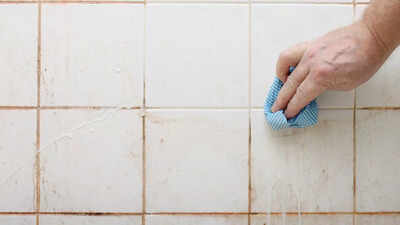
Protecting surfaces is crucial to avoid damage. Cover countertops with old towels or plastic sheeting. This prevents cleaning solutions from staining them. Use painter’s tape to shield the edges of cabinets. Ensure the tape is securely fastened. This keeps cleaning solutions from seeping onto surfaces. Consider using drop cloths for the floor. This avoids slips and protects tiles from harsh chemicals. Proper protection is essential for preserving your kitchen’s look.
Credit: timesofindia.indiatimes.com
Homemade Cleaning Solutions
Natural solutions can effectively clean kitchen grout. Mix baking soda and vinegar for a powerful, yet gentle scrub. This method removes dirt and brightens grout lines, leaving your kitchen fresh and clean.
Cleaning kitchen grout doesn’t need expensive products. Homemade solutions work wonders. They are natural and often found in your pantry. Let’s explore three effective options.
Baking Soda Paste
Baking soda is a powerful cleaner. It’s gentle yet effective on grout. Create a paste with baking soda and water. Use equal parts of both. Apply the paste onto the grout lines. Let it sit for about 10 minutes. Scrub with a toothbrush. Rinse with warm water. This method removes stains and brightens grout.
Vinegar Mixture
Vinegar is a natural disinfectant. It’s great for cutting through grime. Mix equal parts vinegar and water in a spray bottle. Spray the solution onto the grout. Let it sit for a few minutes. Scrub with a brush to remove dirt. Rinse the area with clean water. This mixture cleans and deodorizes effectively.
Lemon Juice Option
Lemon juice is a natural bleaching agent. It’s perfect for lightening grout stains. Squeeze fresh lemon juice onto the grout. Let it soak for about 10 minutes. Scrub with a toothbrush. Rinse the grout with water. Enjoy the fresh citrus scent. Lemon juice not only cleans but leaves a pleasant aroma.
Commercial Cleaners
Cleaning kitchen grout can be simple with the right approach. Use a mixture of baking soda and vinegar to scrub away dirt and stains. Let it sit for a few minutes, then rinse with warm water for a fresh look.
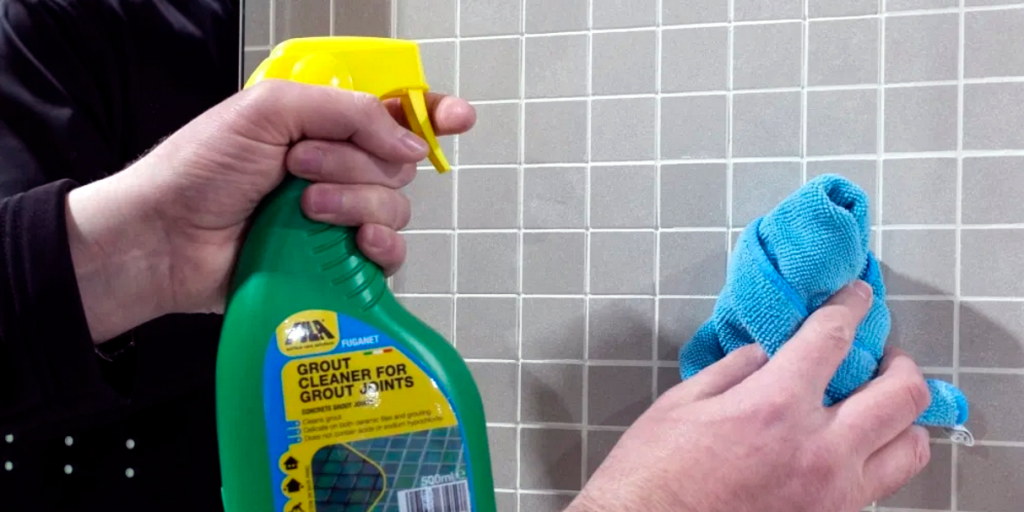
Cleaning grout in your kitchen can be a daunting task, especially when stubborn stains refuse to budge. While homemade solutions are popular, sometimes you need a commercial cleaner to tackle the grime effectively. Commercial cleaners are specifically designed to dissolve dirt and restore the grout to its original color, saving you time and effort. But with so many products on the market, how do you choose the right one?
Choosing The Right Product
When selecting a commercial grout cleaner, consider the type of tiles in your kitchen. Some cleaners are specifically formulated for ceramic tiles, while others may work better on natural stone. Look for products that promise to remove mold and mildew, as these are common culprits of dirty grout. Read reviews and check ratings from other users to ensure the cleaner delivers on its promises. A cleaner that frequently comes up in positive testimonials is likely a safe bet. It’s also wise to choose a product that is labeled as non-toxic, as you’ll want to protect your family and pets from harmful chemicals.
Safety Precautions
Safety should be your top priority when using commercial cleaners. Always wear gloves to protect your skin from chemical burns or irritation. Eye protection is equally important, as splashes can occur unexpectedly. Ensure the kitchen is well-ventilated by opening windows or turning on a fan. Some cleaners emit strong fumes that can be overwhelming. If you’re using a spray bottle, be mindful of your surroundings to avoid inhaling the mist. Finally, read the instructions carefully and follow them to the letter. Skipping steps or using excess cleaner can result in damage to your tiles or grout. By taking these precautions, you can clean your grout effectively without compromising safety. Have you ever found yourself scrubbing endlessly with no results? Sometimes, stepping up your cleaning game with commercial products can make all the difference. But remember, the right choice and safety measures are key to a hassle-free experience.
Step-by-step Cleaning Process
Scrub the grout with a paste of baking soda and water. Spray with vinegar, then let it fizz. Finally, rinse with warm water and wipe dry. This process helps keep kitchen grout looking fresh and clean.
Cleaning grout in the kitchen can seem like a daunting task. But with the right steps, it’s straightforward and rewarding. Grout often collects dirt and stains over time. This simple guide will help restore its original look. Let’s break it down into easy steps.
Applying The Solution
Start by preparing your cleaning solution. Mix equal parts of baking soda and water. This forms a paste. Apply the paste to the grout using a toothbrush. Ensure the entire grout line is covered. Allow it to sit for 10 minutes. This helps loosen the dirt.
Scrubbing Techniques
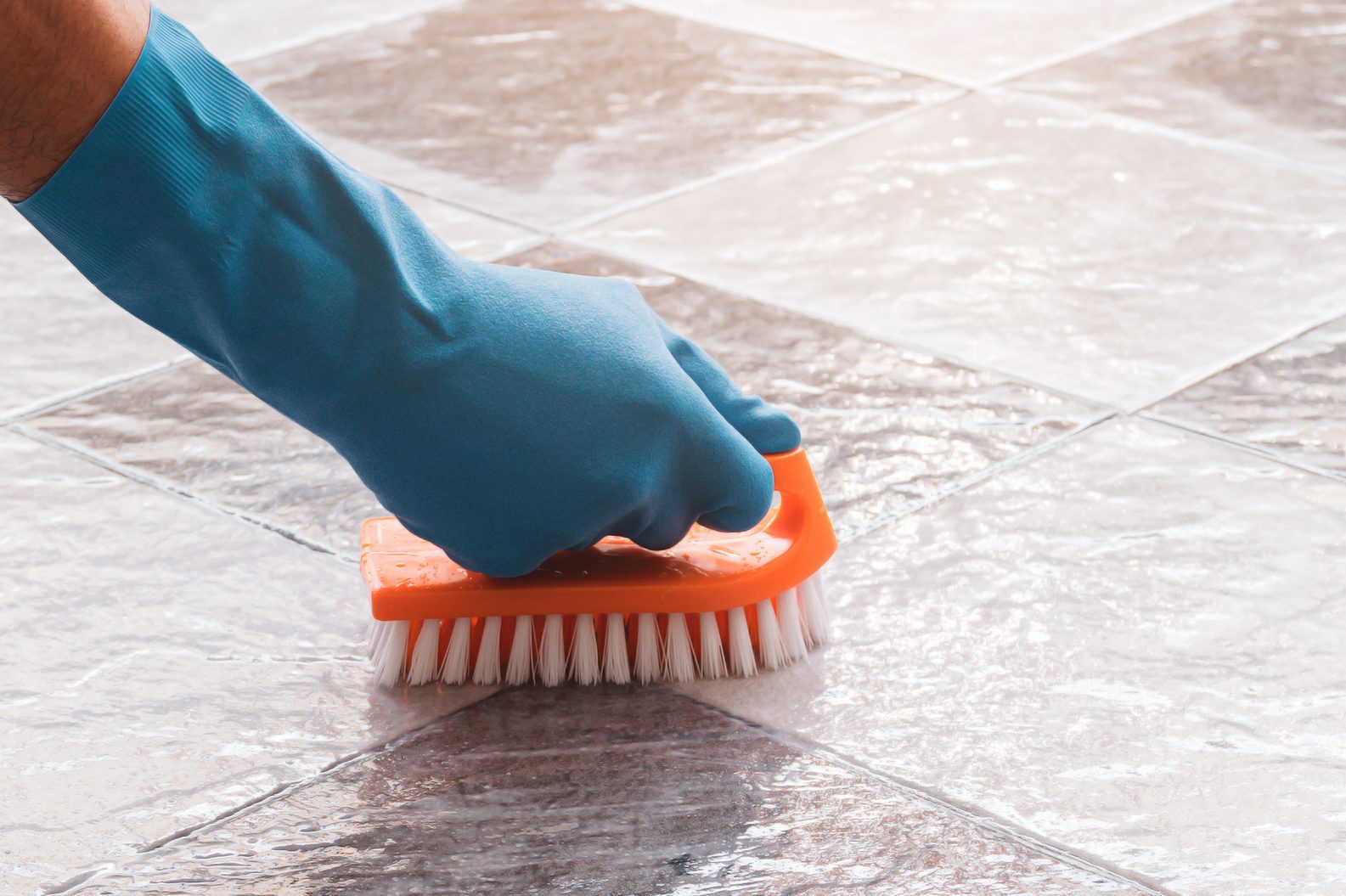
Use a stiff brush for scrubbing. A toothbrush works great for small areas. Scrub the grout lines with firm pressure. Focus on stained sections. You might need to scrub a few times. This helps lift stubborn grime. Work in small sections for best results.
Rinsing And Drying
After scrubbing, rinse the area with warm water. Use a clean cloth to wipe away residue. This ensures no paste is left behind. Dry the grout with a towel. Ensure it is fully dry to prevent mold. A fan can speed up the drying process. Proper drying keeps grout looking fresh longer.
Dealing With Stubborn Stains
Grout in the kitchen can be a magnet for stubborn stains. These stains can ruin the look of your tiles. Cleaning them requires patience and effective techniques. Let’s explore two powerful methods to tackle stubborn stains.
Using Hydrogen Peroxide
Hydrogen peroxide is a great stain remover. It targets tough stains with ease. First, mix it with baking soda to form a paste. Apply this paste to the stained grout. Let it sit for 15 minutes. This allows the mixture to break down the stain. Use a toothbrush to scrub the grout gently. Rinse with warm water. The stains should fade away.
Steam Cleaning Method
Steam cleaning is effective for stubborn stains. It uses high-pressure steam to lift dirt. Begin by filling your steam cleaner with water. Turn it on and let it heat up. Once ready, direct the steam nozzle at the stained grout. Move it slowly over the area. The steam will loosen dirt and grime. Wipe away the residue with a cloth. This method is both chemical-free and efficient.
Preventive Measures
Regular cleaning prevents stubborn stains on kitchen grout. Use a mixture of baking soda and water. Scrub gently with a brush to maintain a fresh look.
Cleaning grout can feel like an uphill battle, but with some preventive measures, you can keep it looking fresh with minimal effort. The key lies in consistent care and smart strategies. Let’s dive into a couple of effective techniques to keep your kitchen grout spotless.
Sealing The Grout
Sealing is your grout’s best defense against stains and mold. It creates a barrier that repels dirt and moisture, reducing the frequency of deep cleaning. Apply a penetrating sealer to new grout after installation. If you’ve never sealed your grout, it’s never too late to start. You can find grout sealers at any home improvement store. Make this a weekend project. Clean the grout thoroughly, let it dry, and apply the sealer as directed. You might be surprised at how much longer your grout stays clean.
Regular Maintenance Tips
Regular upkeep can save you from the hassle of extensive cleaning sessions. Start by wiping down your kitchen surfaces with a damp cloth after cooking. This simple habit prevents grime from accumulating in the grout. Use a pH-neutral cleaner for routine cleaning. Harsh chemicals can wear down the grout over time, making it more susceptible to stains. Instead, a mild cleaner will keep your grout in good condition. Consider setting a reminder to clean your grout every month. This way, you’ll never forget to give it the attention it needs. Have you ever noticed how easy it is to ignore tasks that aren’t scheduled? By investing a little time in these preventive measures, you can maintain a cleaner kitchen with less effort. Isn’t it satisfying to know that with just a few smart habits, you can keep your kitchen looking its best?
When To Call A Professional
Tough stains or stubborn dirt can be signs to call a professional for grout cleaning. Persistent mold or discoloration might require expert tools and techniques for effective results.
Cleaning grout in your kitchen can be a daunting task. While DIY approaches can be effective, sometimes the grime refuses to budge no matter how hard you scrub. That’s when calling a professional becomes a smart choice. Professionals not only bring expertise but also have access to specialized tools that can make your kitchen look spotless. But how do you know when it’s time to bring in the experts?
Persistent Stains
If you’ve tried every home remedy and commercial cleaner but the stains still linger, it might be time to call a professional. Some stains are deeply embedded and require industrial-grade solutions that only professionals have access to. Don’t let stubborn stains ruin the aesthetics of your kitchen.
Extensive Grout Damage
Grout that’s cracked or missing in large sections can be a sign of underlying issues. Professionals can assess the damage and offer solutions that go beyond mere cleaning, such as repair or replacement. They can help ensure the problem doesn’t recur, saving you time and effort in the long run.
Mold And Mildew
If you notice mold or mildew, especially if it’s widespread, it’s best to call an expert. Mold can be hazardous to health and requires specialized treatment to ensure it’s completely eradicated. Professionals can remove mold effectively and offer advice on preventing future growth.
Lack Of Time
Let’s face it, life can get busy. If you’re juggling work, family, and other responsibilities, finding time for deep cleaning can be challenging. Hiring a professional can free up your schedule while guaranteeing a thorough job. It’s a worthwhile investment in both your time and your kitchen’s cleanliness.
Upcoming Events
Planning a big event at home? You want your kitchen to shine. Calling in professionals ensures your grout looks pristine and ready for guests. It’s one less thing to stress about when preparing for a gathering. Have you ever called a professional for grout cleaning? If not, what stopped you? Sometimes investing in expert help can transform your kitchen more than you imagined.
Credit: www.tasteofhome.com
Frequently Asked Questions
What Is The Best Way To Clean Grout In The Kitchen?
To clean kitchen grout, mix baking soda and water into a paste. Scrub with a toothbrush. Rinse with warm water. For stubborn stains, apply vinegar to the paste. Let it sit for five minutes, then scrub and rinse. Always dry the area thoroughly to prevent mold growth.
How Do I Get My Kitchen Grout White Again?
Clean kitchen grout using a mixture of baking soda and hydrogen peroxide. Apply it, scrub gently, and rinse. For tough stains, try vinegar and water. Regularly seal grout to prevent discoloration. Use a toothbrush for detailed cleaning. Consistent maintenance keeps grout white and fresh.
What Should You Not Use To Clean Grout?
Avoid using acidic cleaners like vinegar or lemon juice on grout. They can damage or discolor it. Harsh chemicals such as bleach or ammonia are also unsuitable, as they can erode grout. Stick to gentle, pH-neutral cleaners for safe grout maintenance.
Is Vinegar Or Bleach Better For Cleaning Grout?
Bleach effectively cleans grout by removing tough stains and killing mold. Vinegar is better for light cleaning and preventing mold. Choose based on stain severity and sensitivity to harsh chemicals.
Conclusion
Grout cleaning keeps your kitchen neat and fresh. Regular cleaning prevents stains and grime. Use simple tools like a brush and mild detergent. Scrubbing in small circles helps remove dirt effectively. Rinse thoroughly to avoid residue. Dry the area with a clean cloth.
Repeat monthly for best results. A clean kitchen boosts your mood and hygiene. It shows care and attention to details. Enjoy a sparkling kitchen that feels inviting and looks pristine. Happy cleaning!