How to Disinfect a Kitchen Sponge: Ultimate Guide
Imagine this: you’ve just finished cleaning up after a delicious meal, and your kitchen looks spotless. But lurking right there in plain sight is the kitchen sponge—a tiny hub for germs and bacteria.
While it might seem harmless, this everyday tool can be a breeding ground for unwanted guests, potentially compromising your family’s health. How often do you think about disinfecting your sponge? You might be surprised to learn how easy it is to keep it clean and safe.
You’ll discover simple, effective methods to disinfect your kitchen sponge, ensuring it stays fresh and hygienic. With these straightforward tips, not only will you protect your loved ones, but you’ll also extend the life of your sponge, saving you money in the long run. Dive in to uncover the secrets to a cleaner, healthier kitchen environment.

Credit: tidyhere.com
Importance Of A Clean Kitchen Sponge
A clean kitchen sponge prevents bacteria spread in your kitchen. Disinfecting a sponge involves soaking it in water and microwaving it for two minutes to kill germs. Regular cleaning ensures safe food preparation.
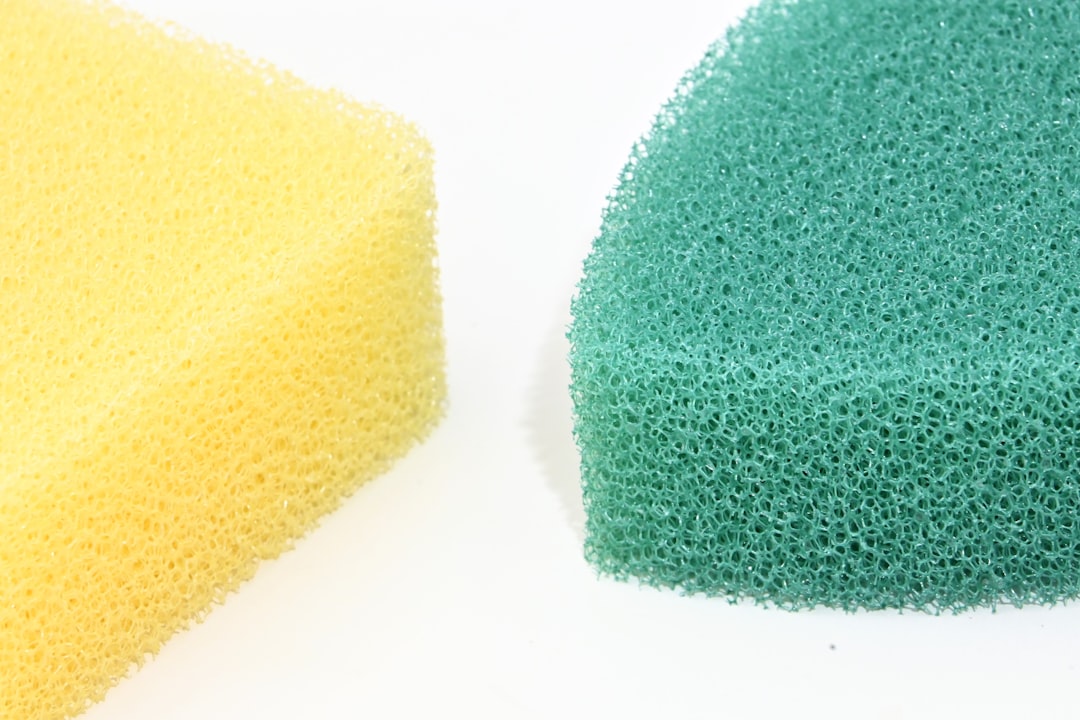
The kitchen sponge is a small tool, yet it plays a big role. It helps us clean dishes, counters, and more. But it often harbors germs. A dirty sponge can spread bacteria. This can lead to health risks. Keeping it clean is crucial for a healthy kitchen. A clean sponge ensures a safer environment.Why Germs Thrive In Sponges
Sponges are porous. They hold water, which attracts bacteria. Warm kitchens speed up bacterial growth. Sponges touch food particles, adding to the problem. This can make them breeding grounds for germs.Health Risks Of A Dirty Sponge
A dirty sponge spreads bacteria. It can contaminate surfaces and food. This may lead to illnesses. Food poisoning is a common risk. Keeping a sponge clean helps prevent these issues.Signs Your Sponge Needs Cleaning
A foul smell is a warning. It signals bacterial growth. Discoloration is another sign. A slimy texture means it’s time to clean. Regular checks help keep it safe.Benefits Of A Clean Sponge
A clean sponge prevents germ spread. It ensures cleaner dishes and surfaces. It reduces the risk of illness. It also lasts longer. Regular cleaning saves money and health.Simple Ways To Clean Your Sponge
Cleaning a sponge is easy. Use hot water for rinsing. Microwave it for sanitation. Soak it in vinegar or bleach. Let it dry completely. Doing this weekly keeps it safe.Maintaining Sponge Hygiene
Replace sponges regularly. Use separate sponges for different tasks. Store them in a dry place. Avoid leaving them wet. This reduces bacterial growth. Keep a routine for better hygiene.Eco-friendly Sponge Options
Consider natural materials. Bamboo sponges are biodegradable. Cotton sponges are washable. These options are safer for the environment. They reduce waste and pollution.Common Germs Found On Sponges
Kitchen sponges can harbor harmful germs like E. coli and Salmonella. Regular cleaning helps prevent bacterial growth and odors.
Keeping your kitchen clean is crucial, and the humble kitchen sponge plays a significant role in this daily ritual. However, did you know that your sponge could be harboring more germs than your toilet seat? It’s a breeding ground for bacteria, and understanding the types of germs that thrive there is the first step to maintaining a healthy kitchen.Escherichia Coli (e. Coli)
E. coli is often associated with food poisoning. These bacteria can find their way onto your sponge from raw meat or unwashed produce. Regularly disinfecting your sponge can help prevent these harmful bacteria from spreading to your kitchen surfaces.Salmonella
Salmonella is another common germ found on kitchen sponges. This bacteria can cause severe foodborne illnesses. It often spreads through cross-contamination, especially when you use the same sponge for different tasks without proper cleaning.Staphylococcus Aureus
Staphylococcus aureus, or Staph, is a bacterium that can cause skin infections and other illnesses. Kitchen sponges can easily become contaminated if you have a cut on your hand while handling food. Ensuring the cleanliness of your sponge is critical to preventing these infections.Pseudomonas Aeruginosa
This bacterium loves moist environments and can be dangerous for people with weakened immune systems. Pseudomonas aeruginosa can thrive in your sponge’s damp conditions. Regularly drying your sponge can help reduce the risk of this germ flourishing.Enterobacter Cloacae
Enterobacter cloacae can cause urinary and respiratory infections. This germ often makes itself at home in the cellulose fibers of your sponge. Using a disinfectant regularly can keep these bacteria at bay. Are you surprised by how many germs can live on your kitchen sponge? Taking simple actions like disinfecting and replacing your sponge can make a big difference in maintaining a hygienic kitchen. Remember, a clean sponge is a step towards a healthier home.Signs Your Sponge Needs Disinfecting
A kitchen sponge can become a breeding ground for bacteria. It often looks harmless but can spread germs quickly. Recognizing the signs that your sponge needs disinfecting is crucial. Keeping your kitchen clean starts with a fresh sponge.
Strange Odor
Does your sponge smell bad? A strong odor means bacteria are present. This smell is a clear sign that your sponge needs cleaning.
Discoloration
Is your sponge changing color? Spots or stains indicate dirt and germs. Discoloration shows it’s time for disinfecting.
Texture Changes
Does your sponge feel slimy or rough? A slimy texture means bacteria growth. A rough texture suggests wear and tear.
Visible Mold
Can you see mold on your sponge? Mold is dangerous and can spread germs. Visible mold means immediate cleaning is needed.
Frequent Use
Do you use your sponge daily? Frequent use leads to bacteria buildup. Regular disinfecting keeps your sponge safe.
Long Time Since Last Cleaning
When did you last clean your sponge? Long gaps between cleaning allow bacteria to grow. Clean your sponge regularly to avoid problems.
Methods To Disinfect A Sponge
Microwave the damp sponge for a minute to kill bacteria. Soak in a vinegar solution for 5 minutes. Dishwasher sanitization also works effectively.
Disinfecting a kitchen sponge might seem trivial, but it is vital for maintaining a clean and healthy kitchen. Sponges can harbor bacteria, mold, and germs, which can spread to your dishes and surfaces. Understanding various methods to disinfect a sponge can empower you to choose the best option for your lifestyle. Let’s dive into these practical techniques that can help keep your kitchen safe and spotless.Microwave Method
Using a microwave is a quick and effective way to disinfect your sponge. Simply soak the sponge in water to prevent it from catching fire, then microwave it on high for about one to two minutes. The heat kills most bacteria and germs. Be cautious when removing the sponge from the microwave, as it will be hot.Boiling Method
Boiling is another straightforward method. Submerge your sponge in boiling water for about five minutes. This intense heat eradicates bacteria effectively. After boiling, let the sponge cool before using it again. Have you ever noticed how boiling water has a way of washing away worries? It seems to do the same for germs.Dishwasher Method
If you regularly run your dishwasher, this method is both convenient and efficient. Place the sponge in the dishwasher with your dishes during a full cycle. The hot water and detergent work together to disinfect the sponge. It’s like giving your sponge a shower alongside your plates!Bleach Solution
Bleach is a potent disinfectant. Mix one tablespoon of bleach in a gallon of water, and soak the sponge for five minutes. This method is especially effective against bacteria and viruses. Ensure you rinse the sponge thoroughly afterward to remove any bleach residue. Consider this: would you feel comfortable using a sponge that hasn’t been thoroughly disinfected?Vinegar Soak
For a natural approach, vinegar is your ally. Soak the sponge in full-strength white vinegar for about five minutes. Vinegar’s acidic nature helps eliminate germs and bacteria. This eco-friendly method not only cleans your sponge but also leaves you with the satisfaction of using a natural solution. Incorporating these methods into your routine can significantly reduce the risk of contamination in your kitchen. Which method resonates with you?Pros And Cons Of Each Method
Microwaving a sponge kills bacteria quickly but may damage its texture. Boiling is effective but time-consuming. Vinegar soaks disinfect naturally, though smell can linger. Using bleach is powerful but harsh on the environment.
When it comes to disinfecting your kitchen sponge, there are several methods available, each with its own advantages and disadvantages. Some methods are more convenient, while others might be more effective in killing bacteria. Choosing the right method depends on factors like ease, cost, and your personal preferences. Below, we’ll dive into the pros and cons of each method, so you can make an informed decision on how to keep your kitchen sponge clean and safe.Microwave Method
Microwaving is a popular choice for disinfecting sponges because it’s quick and easy. – Pros: – Speed: Takes just a minute or two to kill bacteria and germs. – Convenience: You likely already have a microwave in your kitchen. – Cons: – Risk of Fire: A dry sponge can catch fire if microwaved too long. Always make sure it’s damp. – Damage: High heat may degrade the sponge material over time.Boiling Method
Boiling is an old-school technique that’s highly effective in killing bacteria. – Pros: – Effectiveness: Boiling kills most bacteria and is a reliable method. – Cost-Effective: Requires only water and heat. – Cons: – Time-Consuming: Takes longer to boil water and soak the sponge. – Potential Damage: Prolonged boiling can weaken sponge fibers.Dishwasher Method
Using your dishwasher is another hands-off approach to disinfect your sponge. – Pros: – Convenience: Simply toss the sponge in with your dishes. – Dual Purpose: Cleans both dishes and sponge simultaneously. – Cons: – Not Always Effective: Some bacteria may survive if the water isn’t hot enough. – Wear and Tear: Frequent cycles can wear down the sponge faster.Bleach Solution
Using a bleach solution is a powerful method to sanitize sponges. – Pros: – Highly Effective: Kills a wide range of bacteria and viruses. – Economical: Requires only a small amount of bleach. – Cons: – Chemical Use: Involves handling potentially harmful chemicals. – Odor: Can leave a lingering bleach smell on the sponge.Vinegar Solution
For a more natural approach, vinegar is a popular choice for sponge cleaning. – Pros: – Eco-Friendly: Uses natural ingredients without harsh chemicals. – Deodorizes: Helps remove odors from the sponge. – Cons: – Less Effective: Not as potent as bleach or boiling for killing bacteria. – Smell: Vinegar smell may not appeal to everyone. As you consider these methods, think about what matters most to you. Is it speed, effectiveness, or perhaps minimizing chemical use? Your kitchen sponge deserves a little attention, so choose the method that fits your lifestyle and keeps your kitchen clean.Frequency Of Disinfection
Have you ever wondered how often you should disinfect your kitchen sponge? That little tool you rely on daily can harbor a surprising amount of bacteria if not cleaned regularly. Understanding the frequency of disinfection can help keep your kitchen hygienic and safe. So, how often should you give your sponge a thorough clean?
Disinfecting your kitchen sponge should be a regular task. Ideally, you should aim to clean it every day or at least every other day. This frequent disinfection helps prevent bacteria from multiplying and spreading. If you’re using your sponge for heavy-duty cleaning, consider doing it more often.
Think of your sponge as a mini bacterial hub. After washing dishes or cleaning countertops, it’s likely to pick up germs and food particles. Regular disinfection ensures these don’t linger and multiply. If you’ve ever noticed an odd smell from your sponge, it’s a clear sign that it’s overdue for a clean.
Do you use your sponge for different tasks like wiping spills or scrubbing pots? Then, you may need to disinfect it more frequently. The type of tasks can increase the likelihood of bacterial growth. Consider having separate sponges for different chores to minimize cross-contamination.
But how can you tell if daily disinfection is necessary? Think about how many people are using the kitchen and the types of meals being prepared. A busy kitchen with frequent cooking might require more frequent cleaning than a less active one.
Remember, a clean sponge not only keeps your kitchen bacteria-free but also prolongs its life. Regular cleaning prevents wear and tear, saving you money on replacements. Plus, who doesn’t love the fresh smell of a clean kitchen?
By maintaining a routine for sponge disinfection, you contribute to a healthier home environment. Are you ready to make sponge cleaning a habit?
When To Replace Your Sponge
Disinfecting kitchen sponges regularly helps maintain hygiene. Soak in vinegar or bleach solution for five minutes. Rinse thoroughly, and replace every two weeks to prevent bacteria buildup.
When to Replace Your Sponge Kitchen sponges are essential for cleaning. They help keep dishes spotless. Over time, they collect bacteria. This makes them less effective and unhygienic. Knowing when to replace your sponge is crucial.Signs Your Sponge Needs Replacing
A foul smell is a clear sign. If your sponge smells bad, toss it. It should be fresh and clean.Visible Wear And Tear
A sponge with holes or tears is not useful. Replace it if it’s falling apart. A new sponge cleans better.After Illness In The Household
Replace your sponge after someone is sick. Germs can linger. Keeping a clean sponge helps prevent spreading sickness.Frequency Of Use
Daily use wears out a sponge quickly. Replace it often if you use it every day. Weekly replacements are ideal for heavy use.After Cleaning Raw Meat
Cleaning raw meat can contaminate your sponge. Replace it immediately after use. This ensures safety in your kitchen.Regular Monthly Replacement
A monthly replacement is a good habit. Even if it looks clean, a new sponge is safer. Regular replacement keeps your kitchen hygienic. Remember to keep your kitchen clean and safe. Regularly replacing your sponge is a simple step. It ensures cleanliness and hygiene.Tips For Maintaining Sponge Cleanliness
Microwave a damp kitchen sponge for one minute to kill bacteria. Soak it in a vinegar-water solution for five minutes. Regularly replace sponges to maintain hygiene.
Maintaining kitchen sponge cleanliness is vital for a healthy kitchen environment. Sponges can harbor harmful bacteria and mold. Regular cleaning ensures they remain safe for use. Here are some effective tips to keep your sponges clean and fresh.Regularly Rinse And Squeeze
Rinse your sponge thoroughly after every use. Squeeze out excess water to prevent mold. A dry sponge is less likely to breed bacteria.Use Vinegar Soaks
Soak the sponge in vinegar for five minutes. Vinegar kills many germs. It’s a natural cleaning agent, making it safe for kitchen use.Microwave For Deep Cleaning
Place the wet sponge in the microwave for one minute. Heat kills bacteria. Ensure the sponge is not dry to avoid fire.Rotate Sponges Often
Have several sponges on hand. Rotate them frequently. This reduces wear and contamination, extending the sponge’s life.Dishwasher Cleaning
Place the sponge in the dishwasher during a hot cycle. This method effectively sanitizes. It uses high temperatures to kill germs.Store Sponges Properly
Keep sponges in a dry, airy place. This prevents moisture buildup. Avoid leaving them in the sink.Replace Sponges Regularly
Dispose of old sponges promptly. Replace them every two weeks. This ensures a consistently clean environment.Eco-friendly Alternatives To Sponges
Boiling sponges for five minutes kills germs effectively. Microwaving a damp sponge for two minutes is also beneficial. Vinegar soak for an hour disinfects naturally.
Switching to eco-friendly alternatives in the kitchen is a small yet impactful step towards sustainability. Traditional sponges, often made from synthetic materials, contribute to landfill waste and take years to decompose. Fortunately, there are several green options available that not only help the environment but are also effective and durable.Reusable Dishcloths
Reusable dishcloths, often made from natural fibers like cotton or bamboo, are a fantastic alternative. They are highly absorbent and can be easily washed and reused multiple times. Imagine the convenience of simply tossing a dishcloth into the washing machine with your regular laundry.Biodegradable Sponges
Biodegradable sponges are crafted from natural materials such as cellulose, which breaks down much quicker than synthetic sponges. These sponges offer the same cleaning power without the environmental guilt. The next time you replace your sponge, consider choosing one that won’t linger in a landfill for years.Loofah Scrubbers
Loofah scrubbers, made from the fibrous interior of the loofah plant, are another excellent choice. They are effective for scrubbing dishes and can be composted at the end of their life. Have you ever thought about using a natural plant product for your dishwashing needs?Coconut Husk Scrubbers
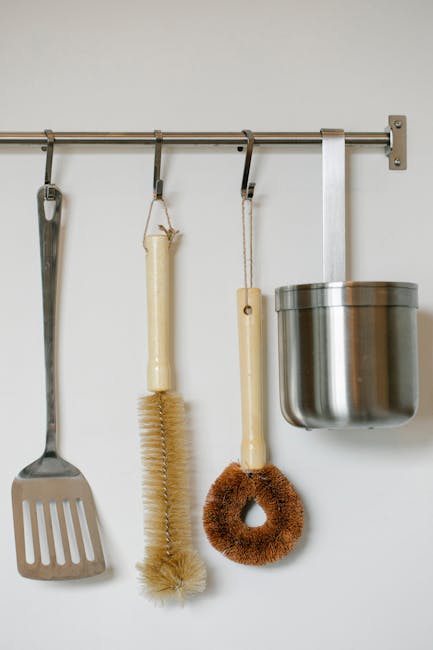
Coconut husk scrubbers utilize the tough fibers of coconut shells, which are both durable and biodegradable. These scrubbers are particularly good for tackling tough grime without scratching surfaces. Embrace the power of nature with these robust and sustainable cleaning tools.Silicone Scrubbers
Silicone scrubbers are designed to be long-lasting and can be sanitized easily, reducing the need for frequent replacements. While not biodegradable, their longevity means less waste overall. How about investing in a cleaning tool that stands the test of time and reduces your carbon footprint? By choosing these eco-friendly alternatives, you’re not just keeping your kitchen clean—you’re also contributing to a healthier planet. Which option will you try first?:max_bytes(150000):strip_icc()/hydrogen-peroxide-uses-home-4174809-05-3c126f03778d46f4858d75c2780429a9.jpg)
Credit: www.thespruce.com

Credit: www.facebook.com
Frequently Asked Questions
Does Microwaving A Sponge Sanitize It?
Microwaving a sponge can kill some bacteria, but it doesn’t fully sanitize it. Bacteria may survive in the sponge’s moist areas. Regular cleaning and replacement are essential for hygiene. Consider using a dishwasher or boiling for better sanitization. Always ensure the sponge is microwave-safe before attempting this method.
Does Soaking A Sponge In Vinegar Kill Bacteria?
Yes, soaking a sponge in vinegar can kill bacteria. Vinegar’s acetic acid disinfects and eliminates germs effectively. To ensure thorough cleaning, soak the sponge for at least five minutes. Regular vinegar use helps maintain a hygienic kitchen environment by reducing bacterial growth on sponges.
Does Boiling Water Kill Bacteria In Sponges?
Boiling water can kill bacteria in sponges. Ensure the sponge is submerged for at least five minutes. Regularly boiling sponges helps maintain hygiene. Replace sponges often to prevent bacterial buildup. Always allow sponges to dry completely after boiling to minimize mold and bacteria growth.
How To Keep Kitchen Sponges Germ Free?
Microwave damp sponges for 1-2 minutes to kill germs. Replace them every 1-2 weeks. Air dry sponges completely after use. Use a dishwasher to clean them regularly. Consider using silicone sponges, which are more resistant to bacteria.
Conclusion
Keeping your kitchen sponge clean is essential. It helps maintain a healthy kitchen. Try simple methods like boiling or microwaving your sponge. Vinegar and bleach solutions also work well. Regular cleaning prevents harmful bacteria buildup. Replace sponges every couple of weeks.
A clean sponge means safer food preparation. Make cleaning your sponge a routine. Your kitchen will be fresher and safer. Small efforts make a big difference. Enjoy a healthier kitchen environment every day. Remember, a clean sponge equals a clean kitchen.
Stay consistent with these easy steps for the best results.