How to Get Rid Ants in the Kitchen: Effective Solutions
Executive Chef & Lead Commercial Kitchen Specialist at Daily Kitchup Test Lab
Ants in the kitchen can feel like an invasion. One moment you’re making coffee, and the next, there’s a parade of tiny intruders marching across your countertop.
You might feel frustrated as you watch them scout out crumbs and invade every nook and cranny. But don’t worry, you’re not alone in this battle, and there are effective ways to reclaim your kitchen. Imagine feeling at ease in your own space, knowing it’s free from unwanted guests.
This guide will show you simple, proven methods to send those ants packing and keep them from returning. You’ll discover why ants are so attracted to your kitchen and learn practical tips to stop them in their tracks. By the end of this article, you’ll have the confidence and tools you need to enjoy a pest-free kitchen once more. Keep reading, and let’s kick those ants out for good!
Identify Ant Species
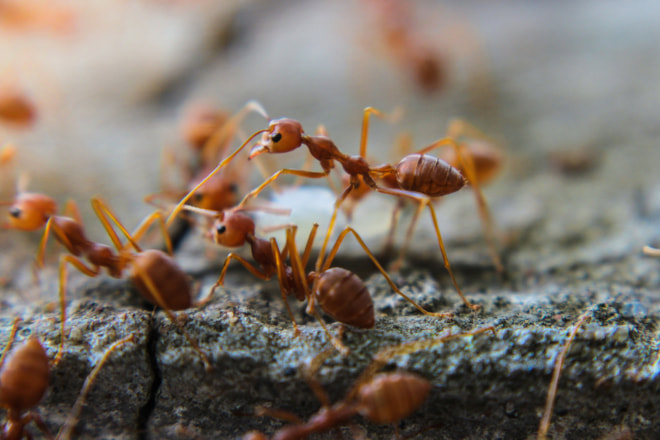
Identifying ant species helps target effective removal methods. Different ants require different approaches to control them. Recognizing the species ensures you choose the right solution to eliminate ants from your kitchen.
Identifying the ant species invading your kitchen is a crucial first step towards effective eradication. Different species have unique behaviors and preferences, which means a one-size-fits-all approach won’t work. By pinpointing the specific type of ant, you can tailor your strategy for getting rid of them more successfully.Understanding The Importance Of Identification
Knowing the species helps you target their specific nesting sites and food sources. Consider how you’d tackle a problem if you knew its exact nature. This approach saves time and resources, ensuring you don’t waste effort on ineffective solutions.Common Kitchen Invaders
Most kitchens are prone to sugar ants, odorous house ants, or pavement ants. Each has distinct characteristics, like size, color, and movement patterns. Have you ever noticed a peculiar smell when squashing an ant? That’s a telltale sign of odorous house ants. Recognizing these traits can be your first clue.Spotting Physical Differences
Ants may look similar at first glance, but subtle differences in their bodies can reveal their identity. Size, antennae shape, and even the number of nodes on their waist are key identifiers. Next time you see an ant, take a closer look. You might be surprised by what you notice.Behavioral Observations
Different ant species exhibit unique behaviors. Some prefer sweet foods, while others are drawn to protein-rich items. Observing what they’re attracted to can narrow down their species. Have you ever seen ants swarming over a spilled drink? That’s likely sugar ants making a beeline for the sweetness.Utilizing Online Resources
The internet is a treasure trove of information. Numerous websites and forums offer guides on identifying ant species with detailed images and descriptions. Why not make use of these resources to get a clearer picture of your kitchen invaders? It’s a practical way to enhance your ant-fighting strategy. Identifying the ant species can transform your approach to pest control. With the right knowledge, you’re equipped to tackle the problem head-on, ensuring your kitchen remains ant-free.Credit: alphapestcontrol.com.au
Locate Entry Points
Identify cracks and gaps where ants enter the kitchen. Seal these openings with caulk or weatherstripping.
Locating entry points is crucial to dealing with ants in your kitchen. These tiny invaders often find ingenious ways to infiltrate your home, making it seem like they appear out of thin air. By identifying and sealing these entry points, you can significantly reduce the ant traffic in your kitchen.Find The Source Of The Trail
Start by observing the ant trail. Where does it begin? Ants usually follow pheromone trails left by scouts, leading them from the food source back to their nest. Trace the trail to find out where they are entering your kitchen. This step is often overlooked but is essential in pinpointing the exact entry spots.Inspect Windows And Doors
Windows and doors are common entry points for ants. Check for gaps or cracks around frames. Even the tiniest opening can serve as a gateway for ants. Consider using weather stripping or caulk to seal these potential entryways.Examine Pipes And Vents
Ants can also enter through pipes and vents. Look for gaps around plumbing fixtures and vents. These areas might not be immediately obvious, but ants can squeeze through very small spaces. Using sealant around these structures can prevent ants from finding a way in.Check For Cracks In Walls And Floors
Walls and floors can have hidden cracks that serve as entry points. Carefully inspect your kitchen for any such openings. If you find any, fill them with caulk or plaster to deter ants from using them as a passage.Use Light To Reveal Hidden Openings
A flashlight can be your best friend in locating hidden entry points. Shine a light around suspected areas and look for light coming through from the outside. This simple technique can help you spot openings that are not visible in regular lighting conditions.Consider Your Personal Experience
Think about previous ant invasions you’ve dealt with. Did you notice any patterns regarding where they entered? Your past experiences can provide clues that help you anticipate where ants might try to enter next. Finding entry points is a proactive step that can make a big difference. Have you ever wondered how much your kitchen layout might be aiding their invasion? Identifying these secret gateways is like finding the missing pieces of a puzzle in your battle against ants.Natural Remedies
Keep ants away from your kitchen using natural remedies. Sprinkle cinnamon or vinegar around entry points. These scents disrupt ant trails and deter them.
Getting rid of ants in the kitchen can be a challenging task, but using natural remedies is a safe and effective way to keep these pesky insects at bay. You might be surprised by how everyday household items can transform into powerful ant deterrents. Not only are these solutions environmentally friendly, but they are also easy to implement without the need for harsh chemicals. Let’s dive into some practical and natural ways you can tackle your ant problem.Vinegar And Water Solution
Mix equal parts of vinegar and water in a spray bottle. This solution works wonders in disrupting ant trails. Ants rely heavily on scent trails to navigate, and vinegar effectively masks these scents. Spray the mixture directly onto ant trails and entry points. You’ll notice that ants will start to disappear from your kitchen. Keep the spray handy and reapply every few days to ensure ants don’t return. It’s a simple trick, yet incredibly effective at keeping your space ant-free.Essential Oils
Certain essential oils like peppermint, tea tree, and citrus oils are known to repel ants. You can create a potent mix by adding a few drops of these oils to water and using it as a spray. Ants detest the strong smell and will steer clear of areas treated with this concoction. Consider using the oils on cotton balls and placing them in corners or places ants frequent. It’s a fragrant way to keep ants out and your kitchen smelling fresh.Lemon Juice
Lemon juice is another natural remedy that ants find unappealing. Use fresh lemon juice to wipe down surfaces where you’ve spotted ant activity. The acidity and strong scent deter ants and make your kitchen less inviting to them. You could also squeeze some lemon juice along the edges of windowsills and door thresholds. It’s a simple yet effective way to fortify your kitchen against unwanted ant invasions. With these natural remedies, you can reclaim your kitchen without resorting to harmful chemicals. Have you tried any of these methods before? Or perhaps you have your own secret trick for keeping ants away?Chemical Solutions
Combat kitchen ants effectively with chemical solutions. Utilize specialized sprays and powders to eliminate ant trails and nests. Ensure safe application by following product instructions and keep areas clean to prevent future infestations.
Chemical solutions offer a practical approach to eliminating ants. They target ant colonies effectively and provide quick results. Understanding different chemical methods helps choose the right solution for your kitchen. Here are some effective chemical options.Ant Baits
Ant baits attract ants with sweet or protein-rich substances. They contain slow-acting poison. Ants carry the bait back to their colony. This leads to the elimination of the entire colony. Place baits near ant trails for best results. Use different baits for different ant species. Monitor bait stations regularly. Replace them if necessary.Insecticide Sprays
Insecticide sprays offer immediate action against ants. They kill ants on contact. Sprays reach into cracks and crevices where ants hide. Choose sprays with residual effects for longer protection. Apply them carefully to avoid contaminating food. Always read labels and follow directions. Wear gloves when using sprays for safety.Powdered Solutions
Powdered solutions create barriers that ants avoid. They are easy to apply on surfaces. Powders work well in dry areas. They disrupt ant pheromone trails. Choose powders with diatomaceous earth for natural control. Apply them in corners and under appliances. Reapply if powder gets wet or dusty.Maintain Cleanliness
Regularly clean surfaces to remove crumbs and spills that attract ants. Store food in airtight containers to keep them away. Seal entry points like cracks and crevices to prevent ants from entering the kitchen.
Maintaining cleanliness is crucial for keeping ants out of your kitchen. Ants are attracted to food crumbs and spills. A clean kitchen removes their food sources. Consistent cleaning habits will make a big difference. Focus on these key areas to keep your kitchen ant-free.Regular Cleaning
Wipe down countertops daily. Clean spills immediately to prevent attracting ants. Sweep and mop floors regularly. Pay attention to corners and under appliances. Remove crumbs from tables and counters. Use a mild cleaner to avoid harsh chemicals. Keep sinks clean and dry. Ants are drawn to moisture.Proper Food Storage
Store food in airtight containers. This keeps ants away from your supplies. Use glass or plastic containers with tight lids. Keep fruits and vegetables in the fridge. Avoid leaving food out on counters. Seal bags of chips and snacks tightly. Check your pantry for open packages. Transfer them to sealed containers.Garbage Disposal
Take out the trash regularly. Garbage is a magnet for ants. Use a trash can with a tight-fitting lid. Clean the trash can to remove odors. Avoid leaving food scraps in the sink. Compost food waste if possible. This reduces the chance of attracting ants. Keep your garbage area clean and tidy.Preventive Measures
Seal food containers tightly to prevent ants from accessing food sources. Clean spills and crumbs immediately to eliminate attractants. Use natural repellents like vinegar or lemon juice around entry points to deter ants effectively.
Preventive Measures Finding ants in your kitchen can be more than just an annoyance; it’s a sign that you might need to bolster your defenses. Taking preventive measures is key to ensuring that these tiny invaders don’t make a repeat appearance. Implementing a few simple strategies can make all the difference in keeping your kitchen ant-free.Seal Cracks And Gaps
Ants are tiny but relentless. They can squeeze through the smallest cracks and gaps to find food. Inspect your kitchen thoroughly for any openings, especially around windows, doors, and baseboards. Use caulk or weatherstripping to seal any found gaps. This simple act can prevent ants from entering and also help maintain energy efficiency in your home.Keep Kitchen Dry
Ants are attracted to moisture just as much as food. Even a few drops of water can be enough to lure them in. After cleaning, ensure your countertops, sinks, and floor are dry. Think about those times you’ve left a damp dishcloth overnight. It’s an open invitation to ants. By keeping your kitchen dry, you remove one of their essential survival needs.Regular Inspections
Perform regular inspections to catch problems early. Check under sinks, behind appliances, and in the pantry. You never know where ants might be hiding or what might be attracting them. Consider making it a weekly ritual. This habit can help you spot potential entry points and food sources before they become an issue. Regular vigilance can be your best defense against future invasions.Professional Pest Control
Effective pest control strategies can help you eliminate ants in the kitchen. Regular cleaning and sealing cracks deter ants. Professional services offer targeted treatments for persistent infestations.
Hiring a professional pest control service might seem like an extreme step, but it can be a game-changer in your battle against ants in the kitchen. These experts bring an arsenal of knowledge and tools that can effectively handle even the most stubborn infestations. If home remedies and DIY solutions haven’t worked, or if you’re simply tired of fighting this battle on your own, it might be time to call in the pros.Understanding The Extent Of The Infestation
When you first notice ants in your kitchen, the visible ones are just the tip of the iceberg. A professional pest control service can accurately assess the full extent of the infestation. With their expertise, they identify the source and the hidden colonies that you might not even know exist.Customized Treatment Plans
Professional pest control services provide tailored solutions that cater specifically to your situation. They consider the type of ants and the layout of your home to develop a strategy that effectively targets the infestation. This personalized approach ensures more effective and longer-lasting results.Use Of Safe And Effective Products
One of the biggest advantages of hiring professionals is their access to safe, high-quality pest control products. These products are often stronger and more effective than over-the-counter options, yet they are safe for use around your family and pets. Professionals know the correct application methods to minimize risks.Long-term Prevention Strategies
Professionals don’t just eliminate the current problem; they also help prevent future infestations. They provide advice on how to make your kitchen less attractive to ants, such as sealing entry points and storing food properly. Their insights can be invaluable in keeping your kitchen ant-free in the long run.Peace Of Mind
Dealing with ants can be stressful and time-consuming. By hiring professionals, you can focus on other aspects of your life without worrying about these pesky invaders. Knowing that experts are handling the situation gives you peace of mind and confidence that the problem will be resolved efficiently. Have you ever considered how much time and energy you spend battling ants on your own? Sometimes, investing in professional help can save you more than just money—it saves your sanity too.Credit: www.callnorthwest.com
Frequently Asked Questions
How Do I Get Rid Of Ants In My Kitchen Fast?
Seal entry points and clean up food spills. Use vinegar or lemon juice to disrupt trails. Place ant baits or traps near activity areas. Keep countertops and floors clean to prevent attraction. Call pest control if the problem persists.
Why Am I Getting So Many Ants In My Kitchen?
Ants invade kitchens searching for food and water sources. Clean spills and store food in airtight containers. Seal entry points, such as cracks and crevices. Regularly take out the trash and rinse recyclables. Use natural repellents like vinegar or peppermint oil to deter them effectively.
What Is The Safest Ant Killer For Kitchen?
Use diatomaceous earth as a safe ant killer in the kitchen. It is non-toxic and effective. Ensure it’s food-grade quality. Sprinkle it in areas where ants are present. It kills ants by dehydrating them. Keep it away from direct contact with food.
What Do Ants Hate The Most In The Kitchen?
Ants hate vinegar, citrus, and peppermint in the kitchen. These strong scents repel them effectively. Keep your kitchen clean and store food properly to prevent ant invasions. Regularly wiping surfaces with vinegar or citrus solutions can help keep ants away.
Conclusion
Eliminating ants in the kitchen takes patience and careful planning. Start with identifying their entry points. Seal cracks and crevices. Clean surfaces regularly. Remove food crumbs immediately. Use natural deterrents like vinegar or lemon. Consider commercial ant baits if needed.
Keep trash bins tightly closed. Ants are persistent, but consistent action helps. Try different solutions until you find what works best. Remember, a clean kitchen deters ants. Maintain these habits to keep them away. Enjoy a pest-free kitchen environment. Your efforts will pay off with time and diligence.
Stay proactive and keep your kitchen safe.

Similar Posts