How to Clear a Kitchen Sink Clog: Quick Fix Guide
Executive Chef & Lead Commercial Kitchen Specialist at Daily Kitchup Test Lab
A clogged kitchen sink is more than just an inconvenience; it can disrupt your daily routine and lead to bigger plumbing issues if not addressed promptly. You know the feeling—you’re doing the dishes, and suddenly the water starts rising, refusing to drain.
Panic sets in as you imagine costly plumber bills or hours of grappling with tools you rarely use. But what if clearing that stubborn clog was simpler than you thought? Imagine the relief of seeing water flow smoothly down the drain, restoring order to your kitchen and peace of mind to your day.
In this guide, you’ll discover practical, easy-to-follow steps to tackle that pesky clog on your own, saving you time and money. Ready to reclaim your kitchen sink and restore its functionality? Let’s dive into the solutions that will get things flowing again.
Credit: www.familyhandyman.com
Identify The Cause
First, pinpoint the clog’s location in your kitchen sink. Check the drain, garbage disposal, or P-trap. Identifying the problem ensures effective solutions.
Identifying the cause of a kitchen sink clog is crucial to effectively clearing it. Understanding what might be blocking your sink helps you choose the right solution. The challenge is, clogs can be caused by various culprits. Are you dealing with food scraps, grease build-up, or something else entirely? Let’s dive into how you can pinpoint the cause of your kitchen sink clog.Check For Food Particles
Food particles are often the main offenders in clogging kitchen sinks. They can accumulate over time, especially if you don’t use a strainer. Have you noticed leftover rice or pasta swirling around your drain? These starchy foods can expand and block pipes.Inspect For Grease Build-up
Grease is a sneaky substance that solidifies as it cools. This means pouring hot grease down your sink can lead to a sticky situation later. Do you often cook bacon or fry food? These activities could be contributing to a greasy blockage in your pipes.Examine Hair And Soap Residue
Though less common in kitchen sinks, hair and soap residue can still cause clogs, especially in households with long-haired individuals. Check if hair is visible around the sink area or if soap scum is lining the drain.Look For Foreign Objects
Sometimes, items accidentally fall into the sink and cause clogs. Have you dropped a spoon or small toy down the drain recently? Even tiny objects can create major blockages.Assess Pipe Condition
Older pipes can be more prone to clogs due to corrosion or narrow passages. Consider the age of your plumbing system. Are your pipes showing signs of wear and tear? This can make them more susceptible to blockages.Gather Essential Tools
Begin by gathering essential tools like a plunger, plumber’s snake, and baking soda. These items will help tackle the clog effectively. A bucket and towels are useful for cleanup and managing water overflow.
Gathering the right tools is crucial for clearing a kitchen sink clog. With the proper equipment, the task becomes easier and more efficient. Before diving into the task, ensure you have everything you need. This preparation will save time and reduce frustration.Plunger
A plunger is essential for unclogging a sink. It creates suction to dislodge the blockage. Choose a cup plunger for sinks. It has a flat rim, ideal for sealing over the drain.Plumbing Snake
A plumbing snake is useful for stubborn clogs. It’s a flexible tool that reaches deep into pipes. It can hook or break apart debris causing the blockage.Baking Soda And Vinegar
Natural cleaners like baking soda and vinegar are effective. They help break down clogs without harsh chemicals. This method is eco-friendly and safe for pipes.Bucket
A bucket is handy to catch excess water. Place it under the sink to avoid a mess. It helps keep your workspace clean and dry.Adjustable Wrench
An adjustable wrench is needed for pipe fittings. It helps loosen or tighten connections. Ensure it’s the right size for your kitchen sink pipes.Rubber Gloves
Rubber gloves protect your hands from grime. They provide a better grip on tools. Always wear them when working on plumbing tasks.Flashlight
A flashlight helps illuminate dark areas. It’s useful for seeing inside pipes. Ensure you have one with fresh batteries. Gather these tools before starting. Proper preparation makes the task smoother and quicker.Use Boiling Water
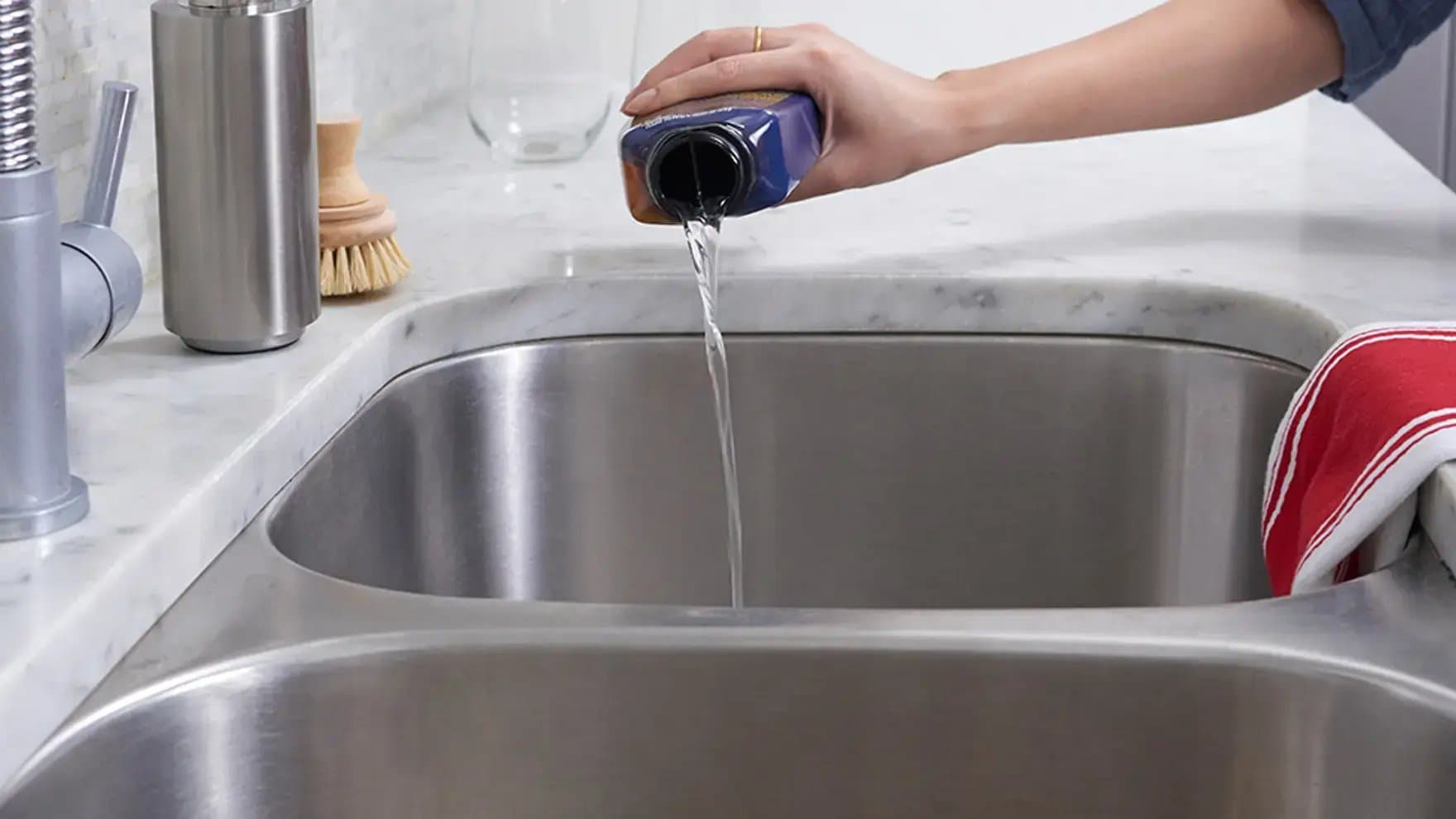
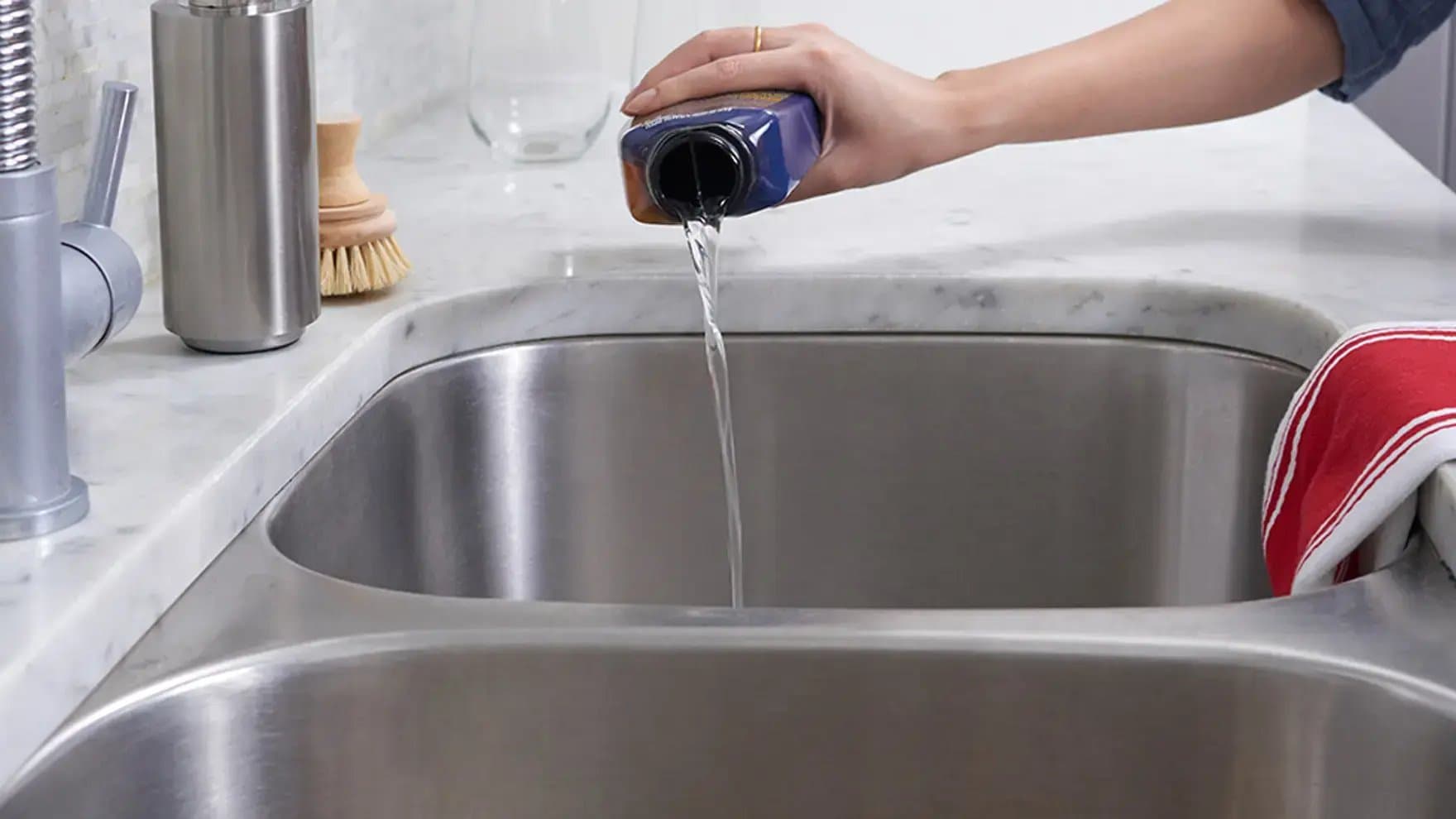
Pour boiling water down the sink to break up clogs caused by grease and soap. Repeat this process until the drain clears. Ensure you use boiling water for effective results.
Clearing a kitchen sink clog can be simple. One effective method is using boiling water. This approach requires minimal tools and is environmentally friendly. It works best for minor clogs caused by grease or soap buildup. Follow these steps to safely and effectively clear your sink.Gather Your Materials
You need a kettle or pot to boil water. Ensure it’s large enough to hold several cups. A heat-resistant container may also be helpful. This is for pouring the water safely down the sink.Prepare The Sink
Remove any standing water from the sink. Use a cup or small container to scoop it out. Ensure the sink is mostly empty before proceeding. This allows the hot water to target the clog directly.Boil The Water
Fill the kettle or pot with water. Place it on the stove. Heat until it reaches a rolling boil. This ensures the water is hot enough to dissolve debris.Pour Boiling Water Into The Drain
Carefully pour the boiling water down the drain. Use a steady, slow stream. This helps avoid splashback. Repeat this step if necessary.Check Drain Flow
Run the tap to see if the clog is cleared. Use warm water to test the flow. If the sink drains smoothly, the clog is removed. If not, consider repeating the process.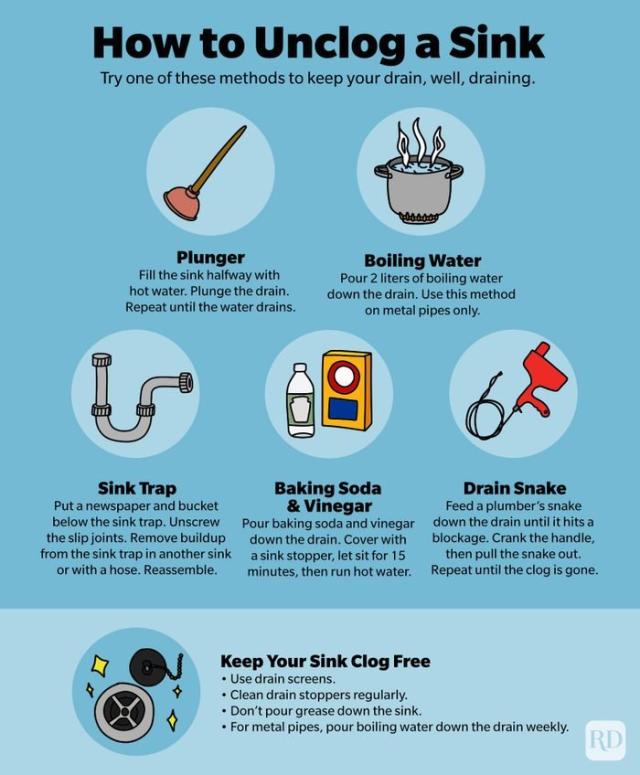
Credit: www.aol.com
Plunge The Sink
Plunging the sink is a straightforward yet powerful method to tackle a clog. Whether you’re dealing with a minor blockage or a stubborn clog, using a plunger can often be the hero of the day. But, how do you ensure that your plunging is effective and efficient? Below, we’ll dive into choosing the right plunger and mastering plunging techniques to keep your kitchen sink flowing smoothly.
Choose The Right Plunger
Not all plungers are created equal, especially when it comes to kitchen sinks. Look for a plunger with a flat cup; it’s designed specifically for flat surfaces like sink drains. Avoid toilet plungers with flange cups as they’re not suitable for sinks.
Consider the size of the plunger. A larger cup can create a better seal and more force, making it ideal for kitchen sinks. But ensure it fits comfortably in your hand and is easy to maneuver.
Have you ever considered the material of your plunger? Opt for a durable rubber plunger that can withstand repeated use without cracking or losing flexibility.
Effective Plunging Techniques
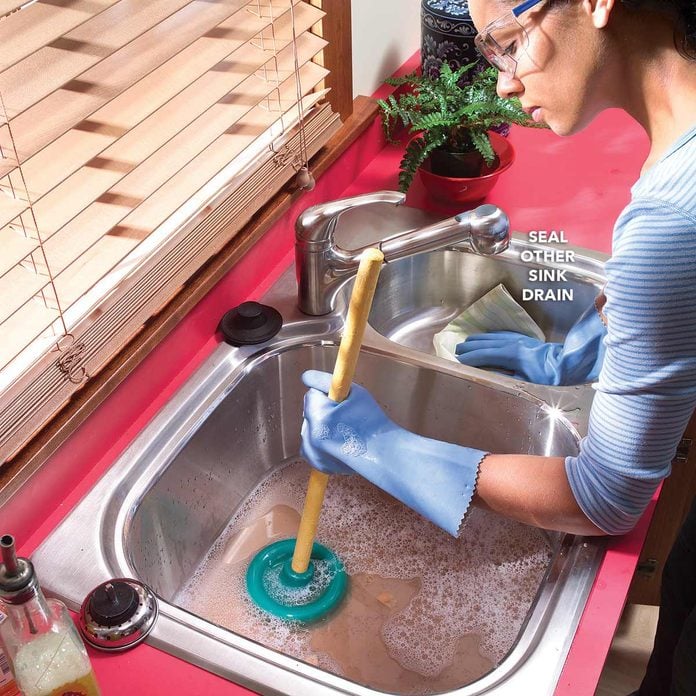
Begin by filling the sink with enough water to cover the plunger’s cup. This water helps create a seal and provides the necessary pressure to dislodge the clog.
Position the plunger directly over the drain and press down gently to seal the edges. The key is to create a strong suction, not just push air around.
- Start with a few gentle thrusts to test the seal.
- Increase the force gradually, maintaining a consistent rhythm.
- Keep your strokes smooth to maximize the suction power.
Did you know that an uneven rhythm can break the seal? Keep your plunging steady for best results.
After several plunges, check if the water drains. If not, repeat the process. Sometimes, stubborn clogs need a bit more persistence.
What’s your experience with plunging? Have you ever discovered unexpected items causing a clog? Share your stories in the comments below.
Baking Soda And Vinegar Solution
When your kitchen sink is clogged, you might not need an expensive plumber or harsh chemical solutions. Sometimes, the simplest ingredients in your pantry can do the trick. Baking soda and vinegar, two household staples, can effectively clear out clogs and freshen up your drains. This eco-friendly method is not only cost-effective but also gentle on your pipes. Let’s dive into how you can harness the power of these two ingredients to solve your kitchen sink woes.
Mixing The Solution
Start with equal parts of baking soda and vinegar. A good rule of thumb is to use half a cup of each. Baking soda acts as a gentle abrasive that can break down grime, while vinegar, with its acidic properties, helps to dissolve grease and mineral build-up. Mix these two in a small bowl until they form a paste. Watching the fizz as they interact is always fascinating, isn’t it?
Application Process
Now that you have your mixture, it’s time to put it to work. Pour the paste directly into the sink drain. You might hear some fizzing sounds as the solution starts breaking down the clog. Let it sit for about 15 to 20 minutes. This wait allows the mixture to fully penetrate the blockage. Afterward, rinse it away with hot water. Did you know that hot water further helps in dissolving stubborn grease?
Have you ever tried this method before? If not, give it a shot next time your sink is slow to drain. It’s surprising how effective these common kitchen ingredients can be!

Credit: www.youtube.com
Utilize A Drain Snake
A clogged kitchen sink can disrupt daily routines. A drain snake offers an effective solution. It’s a simple tool that clears stubborn blockages. Even beginners can use it with ease.
Inserting The Snake
First, remove the sink stopper. This gives clear access to the drain. Next, insert the drain snake into the drain. Gently push it down while twisting the handle. The twisting helps navigate curves and bends. Feed the snake until you feel resistance. This signals the clog’s location.
Removing The Clog
Once resistance is felt, rotate the snake. This action dislodges the blockage. Continue twisting and pushing gently. Pull the snake back gradually. Check for debris on the snake’s end. Remove any debris and repeat if necessary. Once clear, run water to ensure smooth drainage.
Check The P-trap
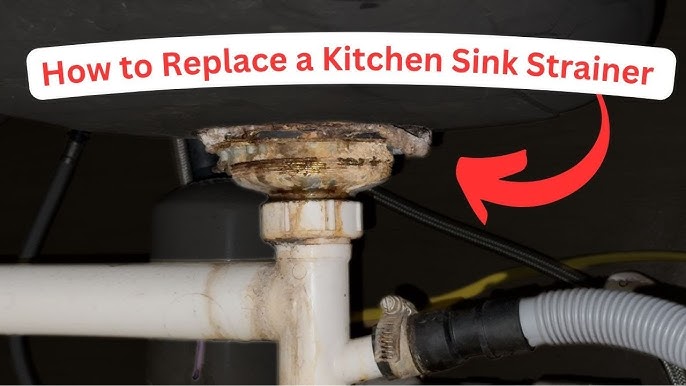
Clogged kitchen sinks are frustrating. An obstructed P-trap might be the culprit. The P-trap is that curved pipe under your sink. It holds water to block sewer gases. But it can also trap debris, causing clogs. Checking and cleaning it can restore flow. Here’s how to handle your P-trap like a pro.
Removing The P-trap
First, place a bucket under the P-trap. It will catch any water. Use a wrench to loosen the slip nuts on both ends. Twist the nuts counterclockwise. Carefully remove the P-trap. Watch out for water and debris spilling out. Set the P-trap aside for cleaning.
Cleaning The P-trap
Inspect the P-trap for blockages. Remove any visible debris by hand. Rinse the P-trap with water. Use a brush to scrub the inside. Ensure it’s free from grease and gunk. Rinse again for good measure. Once clean, reattach the P-trap. Tighten the slip nuts securely. Test your sink to see if the clog is gone.
Prevent Future Clogs
Prevent future clogs by disposing of grease and food scraps properly. Use a sink strainer to catch debris and clean pipes regularly with baking soda and vinegar.
Preventing future clogs in your kitchen sink can save you time and avoid the hassle of dealing with messy blockages. By adopting simple habits and being mindful of what goes down your drain, you can maintain a smooth-flowing sink. Let’s explore some practical tips to keep your kitchen sink clog-free.Regular Cleaning Tips
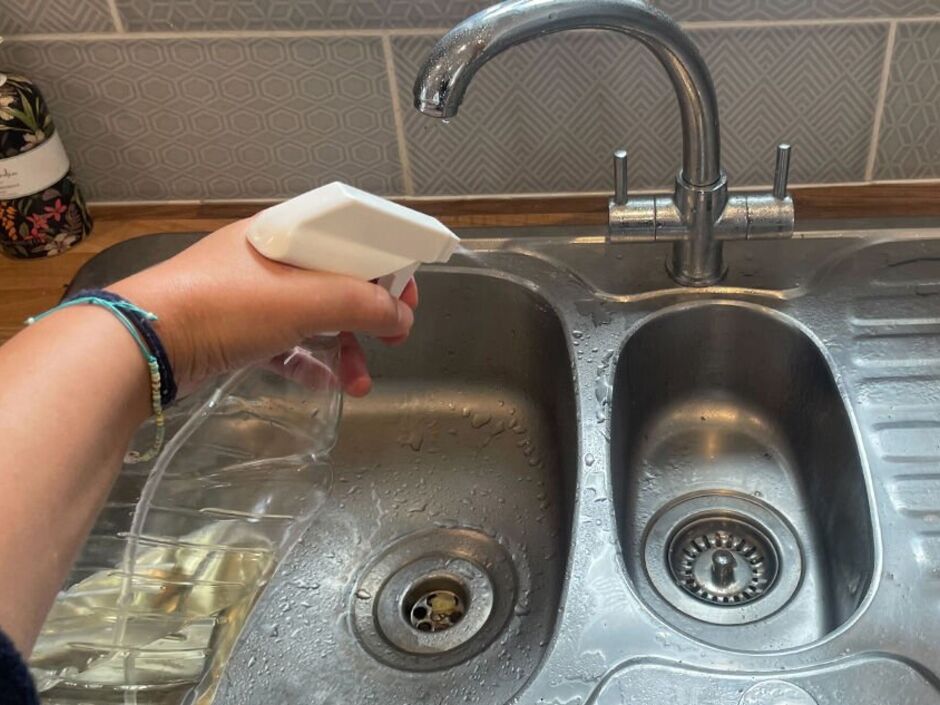
Keeping your sink clean is crucial to prevent clogs. Make it a habit to flush your sink with hot water after each use. This helps clear out any grease or food particles that may have started to accumulate. Consider using a mixture of baking soda and vinegar once a week to naturally cleanse your pipes. Pour a half-cup of baking soda followed by a half-cup of vinegar down the drain, let it sit for about 15 minutes, then flush with hot water. This not only helps in breaking down potential clogs but also keeps your sink smelling fresh.Items To Avoid In The Sink
Certain items should never go down your kitchen sink if you want to prevent clogs. Grease, coffee grounds, and eggshells are notorious for clogging pipes. Grease can solidify, and coffee grounds and eggshells can form a thick paste that blocks your drain. Be cautious with fibrous foods like celery and potato peels as they can wrap around your disposal blades and cause jams. Instead, compost these items or dispose of them in the trash. Reflect on this: How often do you think about what goes down your sink? Small changes in daily habits can make a big difference in preventing clogs. Take control of your kitchen maintenance and enjoy a hassle-free sink experience.Frequently Asked Questions
What Is The Best Way To Unclog A Clogged Kitchen Sink?
Use a plunger to dislodge debris in the sink. Pour boiling water to dissolve grease. Combine baking soda and vinegar, let it fizz, then rinse with hot water. For persistent clogs, use a plumber’s snake or contact a professional. Regular maintenance prevents future clogs.
Do Baking Soda And Vinegar Work Better Than Drano?
Baking soda and vinegar can unclog drains effectively but may not outperform Drano for tough clogs. Drano is designed for severe blockages. Use natural methods for mild clogs to avoid chemicals. Regular maintenance with baking soda and vinegar helps prevent future problems, offering an eco-friendly alternative to chemical drain cleaners.
How Do You Unblock A Severely Blocked Sink?
Use a plunger to dislodge the blockage. Pour a mix of baking soda and vinegar down the drain. Flush with hot water. If needed, use a plumber’s snake to remove stubborn clogs. Regular maintenance prevents future blockages.
What Will Dissolve A Blocked Drain?
Use baking soda and vinegar to dissolve a blocked drain. Pour hot water first, then add the mixture. Let it fizz and clear the blockage. For stubborn clogs, try a commercial drain cleaner or call a professional plumber. Regular maintenance prevents future blockages and keeps drains flowing smoothly.
Conclusion
Clearing a kitchen sink clog doesn’t have to be hard. Try simple tools first. Use a plunger or snake to loosen debris. Baking soda and vinegar work wonders. Pour hot water to flush the pipe. Keep drains clean with regular checks.
Avoid putting grease down the sink. Use strainers to catch food particles. These easy steps can prevent future clogs. Save time and stress with regular maintenance. A clean sink keeps your kitchen running smoothly. Remember, prevention is better than cure.
Keep your sink clog-free with simple habits. Enjoy a hassle-free kitchen experience!

Similar Posts