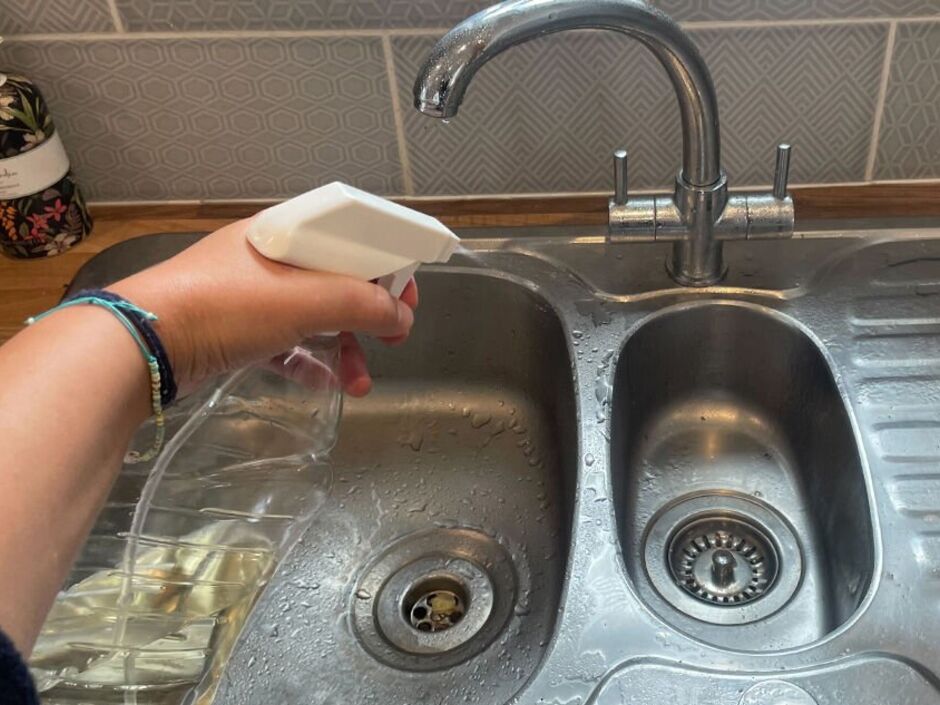
Are you tired of dealing with a clogged kitchen sink that disrupts your daily routine? Don’t worry; you’re not alone.
Many people face this frustrating issue, but the good news is that you don’t always need harsh chemicals or expensive plumbers to fix it. Imagine the satisfaction of solving this problem using simple, natural methods you already have at home.
Not only will you save money, but you’ll also protect the environment and keep your kitchen safe from harmful substances. Intrigued? Keep reading to discover how you can easily and effectively unclog your kitchen sink using natural ingredients. You’ll be amazed at how straightforward and efficient these methods are!
Common Causes Of Clogged Sinks
Food scraps and grease are typical culprits behind clogged kitchen sinks. Soap residue and hair can also contribute to blockages. Natural solutions like baking soda and vinegar can help clear these obstructions effectively.
Clogged kitchen sinks are an all-too-common household hassle, often causing frustration and inconvenience. Understanding the root causes of these blockages is the first step in preventing them. By identifying what typically leads to a clogged sink, you can take proactive measures to keep your kitchen running smoothly. Here are some of the most common culprits that might be lurking right under your nose.Food Residue
Bits of food left on plates can gradually accumulate in your sink’s pipes. Have you ever scraped a plate directly into the sink, only to regret it later? Those small pieces can cling to the pipe’s walls and lead to blockages. Consider composting or scraping into a trash bin instead to avoid this buildup.Grease And Oil
Pouring cooking oil down the drain is a recipe for disaster. Once cooled, grease solidifies and coats the pipes, gradually reducing water flow. Instead, collect used oil in a container and dispose of it properly.Soap Scum
You might be surprised that soap can contribute to clogging. Soap residue combines with minerals in water to form a hard deposit known as soap scum. Opt for liquid soap or use a mesh strainer to minimize buildup.Mineral Buildup
Living in an area with hard water? Mineral deposits can accumulate over time. These can narrow your pipes, making it easier for clogs to form. A water softener can help mitigate this problem.Foreign Objects
Sometimes, things fall into the sink accidentally—think rings or bottle caps. These objects can obstruct water flow, leading to a clog. A sink stopper can prevent these mishaps and save you from future headaches. Preventing sink clogs starts with awareness. What habits might you need to change in your kitchen routine to avoid these common culprits? Taking small, proactive steps can make a big difference in maintaining a healthy, clog-free sink.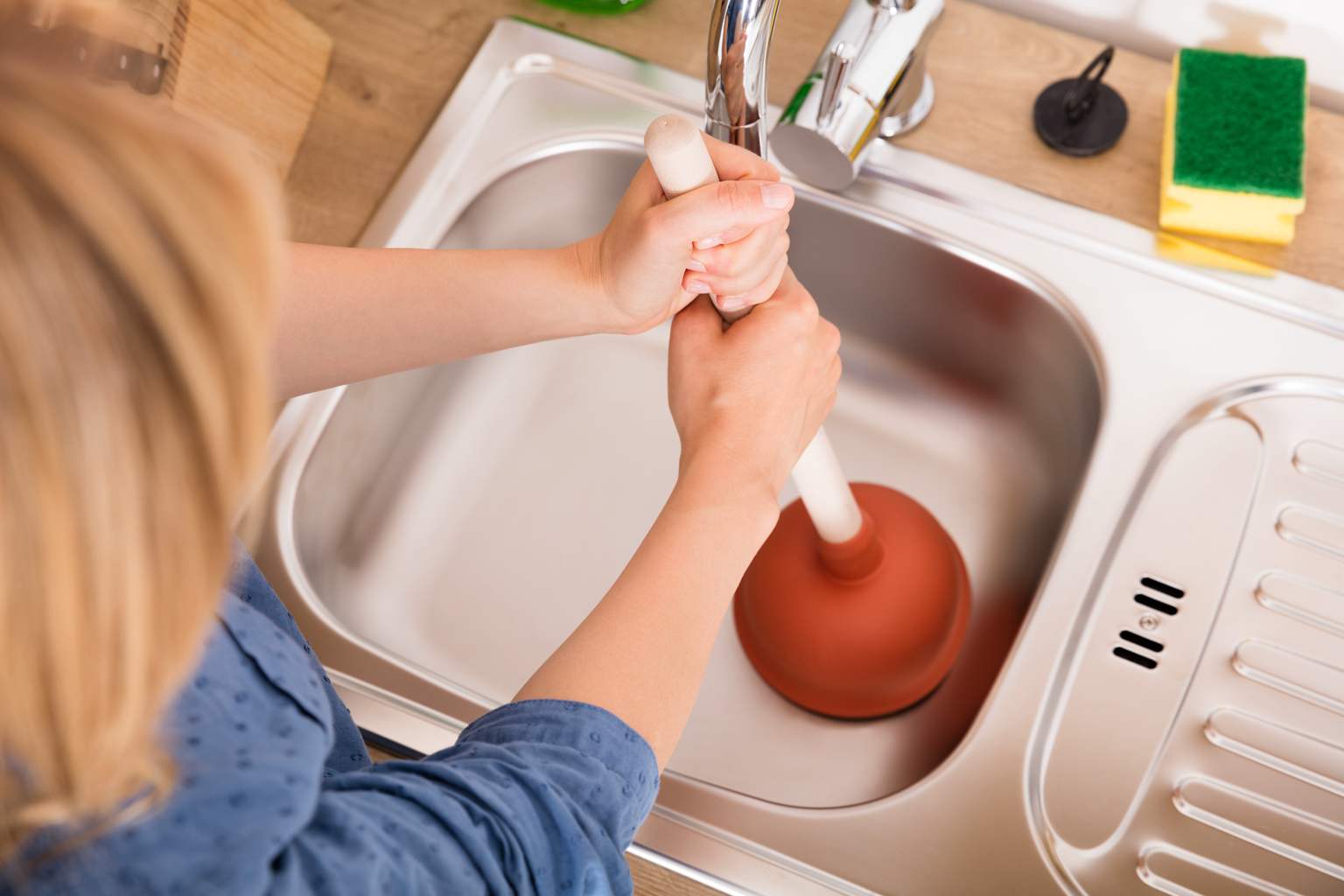
Credit: www.cmu.fr
Preventive Measures
Baking soda and vinegar can effectively clear kitchen sink clogs. First, pour baking soda down the drain. Then, add vinegar and let it fizz. Finish by rinsing with hot water to remove debris. Regular use can prevent future blockages and keep your sink flowing smoothly.
Preventive Measures A clogged kitchen sink disrupts daily routines. Taking preventive measures can save time. Regular maintenance keeps your sink in good condition. Simple actions prevent blockages and maintain smooth water flow.Regular Cleaning
Regular cleaning prevents build-up in the pipes. Use hot water weekly to flush grease. Baking soda and vinegar help maintain cleanliness. Pour a mixture down the drain monthly. This natural solution clears residues. Wipe the sink after use. Remove food particles promptly. This prevents them from entering the drain. Clean the area around the drain regularly. This ensures no debris accumulates.Using Sink Strainers
Sink strainers catch food particles. They prevent large debris from entering pipes. Choose a strainer that fits well. Ensure it covers the drain completely. Clean the strainer daily to ensure effectiveness. Remove trapped food scraps immediately. This prevents them from rotting. Rinse the strainer under warm water. This removes small particles. Regular maintenance ensures strainer efficiency.Baking Soda And Vinegar Method
Baking soda and vinegar can clear kitchen sinks naturally. Pour baking soda into the drain, then add vinegar. This combination fizzes and breaks down clogs, leaving your sink clean and fresh.
The Baking Soda and Vinegar Method is a simple way to unclog your kitchen sink without harsh chemicals. It’s a safe and effective approach using items you likely have at home. This method relies on the natural reaction between baking soda and vinegar to break down the blockage. It’s easy, quick, and helps keep your kitchen environment clean and chemical-free.Materials Needed
- 1 cup of baking soda
- 1 cup of vinegar
- Boiling water
- Sink stopper or rag
Step-by-step Guide
- Begin by boiling water. Pour it down the drain to loosen debris.
- Next, add baking soda. Pour one cup directly into the sink drain.
- Follow with vinegar. Carefully pour one cup over the baking soda.
- Use a stopper to cover the drain. This keeps the reaction contained.
- Let the mixture sit. Allow 15 minutes for the reaction to work.
- Finish with boiling water. Pour another pot down the drain to flush.
:max_bytes(150000):strip_icc()/SPR-how-pro-cleaners-clean-a-sink-11781060-6d7babfdf0074ca79564864a6c7325dd.jpg)
Credit: www.thespruce.com
Salt And Boiling Water Technique
Combine salt and boiling water to naturally unclog your kitchen sink. Pour salt down the drain, then flush with boiling water. This simple method helps dissolve blockages effectively.
Unclogging a kitchen sink can be a daunting task. But, the salt and boiling water technique offers a simple, natural solution. This method is both effective and easy on your pipes. It utilizes common household items, making it accessible and budget-friendly.How It Works
Salt acts as a natural abrasive. It helps break down stubborn residues. Boiling water melts away grease and soap build-up. Together, they work to dislodge blockages and restore flow. This technique is eco-friendly, avoiding harsh chemicals that can harm your plumbing.Application Steps
- Clear the sink of any standing water.
- Pour a cup of salt directly into the drain.
- Boil a pot of water until it reaches a rolling boil.
- Slowly pour the boiling water into the drain.
- Allow a few minutes for the mixture to work.
- Run the tap with hot water to flush the drain.
- Repeat the process if necessary.
Lemon Juice And Baking Soda Solution
Lemon juice and baking soda make a powerful duo for unclogging kitchen sinks naturally. This mixture cleans effectively, breaking down residue and grime. Simply pour the solution down the drain for a fresh and smooth flow.
Unclogging your kitchen sink doesn’t always require harsh chemicals. A natural alternative that many people swear by is the lemon juice and baking soda solution. This combination not only helps clear the blockage but also leaves your kitchen smelling fresh. Curious about why this method works so well?Benefits Of Lemon
Lemons are naturally acidic, which makes them an excellent cleaning agent. The citric acid in lemon juice can break down stubborn grease and grime that often cause clogs. Additionally, lemons have antibacterial properties, helping to sanitize the sink as you unclog it. Who wouldn’t want a clean and fresh-smelling kitchen?Application Process
The process is simple and takes just a few minutes. Start by pouring half a cup of baking soda down the clogged sink drain. Next, squeeze the juice of one lemon (about half a cup) and pour it directly over the baking soda. You’ll notice a fizzing reaction—this is the magic happening! Let the mixture sit for about 15 minutes. Finish by rinsing the drain with hot water to flush away the loosened debris. You might be surprised by how effective this natural method can be. Why not give it a try before reaching for those chemical-laden drain cleaners? Your sink will thank you!
Credit: www3.drano.com
Using A Plunger Effectively
Unclogging a kitchen sink naturally can feel overwhelming. Using a plunger effectively can be a simple solution. A plunger helps create pressure to dislodge the blockage. This method requires some basic techniques and the right tool.
Choosing The Right Plunger
Not all plungers are the same. Choose a plunger with a flat cup for sinks. This type seals well on flat surfaces. A toilet plunger won’t work as efficiently. Look for a durable, flexible rubber cup. The handle should be easy to grip. A sturdy handle aids in better control.
Proper Plunging Technique
Start by filling the sink with a bit of water. This helps the plunger create suction. Place the plunger over the drain opening. Ensure a tight seal between the cup and the sink. Push the plunger down gently, then pull up sharply. Repeat this motion several times. The pressure can dislodge the blockage. Keep the handle vertical for the best result.
After plunging, check if the water drains. If not, repeat the process. Sometimes, it takes a few tries to clear the blockage. Patience is key to success.
When To Call A Professional
Unclogging a kitchen sink naturally is often effective, but sometimes it’s necessary to seek professional help. Knowing the signs and finding a trustworthy plumber is crucial. Here’s what to consider when calling a professional.
Signs Of Severe Blockage
Some blockages are too stubborn for DIY methods. Watch for these signs:
- Water drains extremely slowly or not at all.
- Unpleasant odors persist despite cleaning.
- Multiple drains in the home are clogged.
- Gurgling sounds come from the pipes.
If you notice any of these signs, a professional assessment is wise. Ignoring severe blockages can lead to bigger issues and costly repairs.
Finding A Reliable Plumber
Choosing the right plumber ensures quality service. Consider these tips:
- Check online reviews and ratings.
- Ask friends or neighbors for recommendations.
- Verify the plumber’s license and insurance.
- Request a detailed quote before starting the work.
Finding a reliable plumber might take a little time, but it’s worth the effort. Good service can prevent future problems and save money in the long run.
Maintaining A Clog-free Sink
Unclog kitchen sinks naturally using baking soda and vinegar. Pour baking soda down the drain, followed by vinegar. Let it fizz and sit for 30 minutes. Flush with hot water to clear the blockage. This eco-friendly method helps maintain a clog-free sink without harsh chemicals.
Maintaining a Clog-Free Sink Keeping your kitchen sink free from clogs not only saves you time and hassle but also extends the life of your plumbing. A little effort in routine maintenance can prevent stubborn clogs and the need for harsh chemical solutions. Let’s dive into simple yet effective strategies to keep your sink running smoothly.Routine Maintenance Tips
Regular attention to your kitchen sink can work wonders. Start by running hot water through the drain after each use. This helps clear away any greasy residue. Consider using a drain strainer to catch food particles. It’s a small investment that can save you from bigger headaches. Once a week, mix a tablespoon of baking soda with a cup of hot water and pour it down the drain. This simple practice can help in dissolving minor build-ups before they become major blockages.Natural Cleaning Alternatives
When my sink was sluggish, I turned to a natural solution. A mixture of vinegar and baking soda can do wonders for your drain. Pour half a cup of baking soda followed by a cup of vinegar down the sink. Let it fizz and sit for about 15 minutes, then flush it with hot water. This combination can break down grime and eliminate odors without chemicals. Lemon juice is another excellent alternative. Its acidity helps break down build-ups, and it leaves a fresh scent behind. Try squeezing a lemon directly into the drain, followed by hot water, for a clean and pleasant-smelling sink. By integrating these natural methods into your routine, you’re not only protecting your plumbing but also the environment. Isn’t it time you tried these simple tricks in your own kitchen?Frequently Asked Questions
What’s The Best Home Remedy To Unclog A Kitchen Sink?
Pour boiling water down the sink, followed by baking soda and vinegar. Wait 15 minutes, then flush with hot water again. This natural solution often clears minor clogs effectively.
How To Quickly Unblock A Kitchen Sink?
Use a plunger to dislodge the blockage. Pour boiling water down the drain. Add baking soda and vinegar. Let it fizz for 5 minutes. Flush with hot water to clear the sink.
How To Fix A Slow Draining Kitchen Sink?
To fix a slow draining kitchen sink, remove debris using a plunger. Clean the P-trap under the sink. Use baking soda and vinegar to clear the drain. Flush with hot water. Consider using a plumber’s snake for stubborn clogs. Regular maintenance prevents future issues.
What Will Dissolve A Blocked Drain?
Vinegar and baking soda can dissolve blockages in drains. Pour baking soda, then vinegar, wait, and flush with hot water. Chemical drain cleaners can also be effective but should be used cautiously due to potential pipe damage. Regular maintenance with these methods can prevent future clogs.
Conclusion
Unclogging a kitchen sink naturally is simple and effective. Natural solutions can save time and money. Baking soda and vinegar are great tools. They clear blockages without harsh chemicals. Regular maintenance can prevent future clogs. Try these methods to keep your sink flowing.
Clean pipes mean a healthier home. Remember to stay patient and consistent. Small steps make a big difference. Your kitchen will thank you for it. Enjoy a clog-free sink with ease. Keep these tips in mind for a smoother kitchen experience.