Why Does Kitchen Sink Smell? Discover Quick Fixes
Executive Chef & Lead Commercial Kitchen Specialist at Daily Kitchup Test Lab
Have you ever walked into your kitchen, ready to whip up a delicious meal, only to be stopped in your tracks by an unpleasant smell wafting from your sink? You’re not alone.
A smelly kitchen sink can turn your culinary haven into a nightmare and leave you wondering what on earth is causing that stink. The good news? You’re about to uncover the mystery behind this common household issue. By understanding why your kitchen sink smells, you can effectively tackle the problem and restore freshness to your kitchen.
Stay with us, and you’ll discover simple solutions to eliminate those odors for good, making your kitchen a more inviting place to cook and gather.
Credit: mtdrain.com
Chemical Solutions For Persistent Odors
Kitchen sink odors often stem from trapped food particles and bacteria buildup. Chemical solutions can effectively neutralize these persistent smells, ensuring a fresh and clean kitchen environment. Regular maintenance and targeted cleaning can help keep unwanted odors at bay.
Chemical solutions can tackle the stubborn smells in kitchen sinks. These products break down odor-causing substances. They offer a quick fix for unpleasant smells. Choosing the right chemical solution is crucial. Some products are harsh and can damage pipes. Others are gentle and effective. Below are two popular types to consider.Store-bought Drain Cleaners
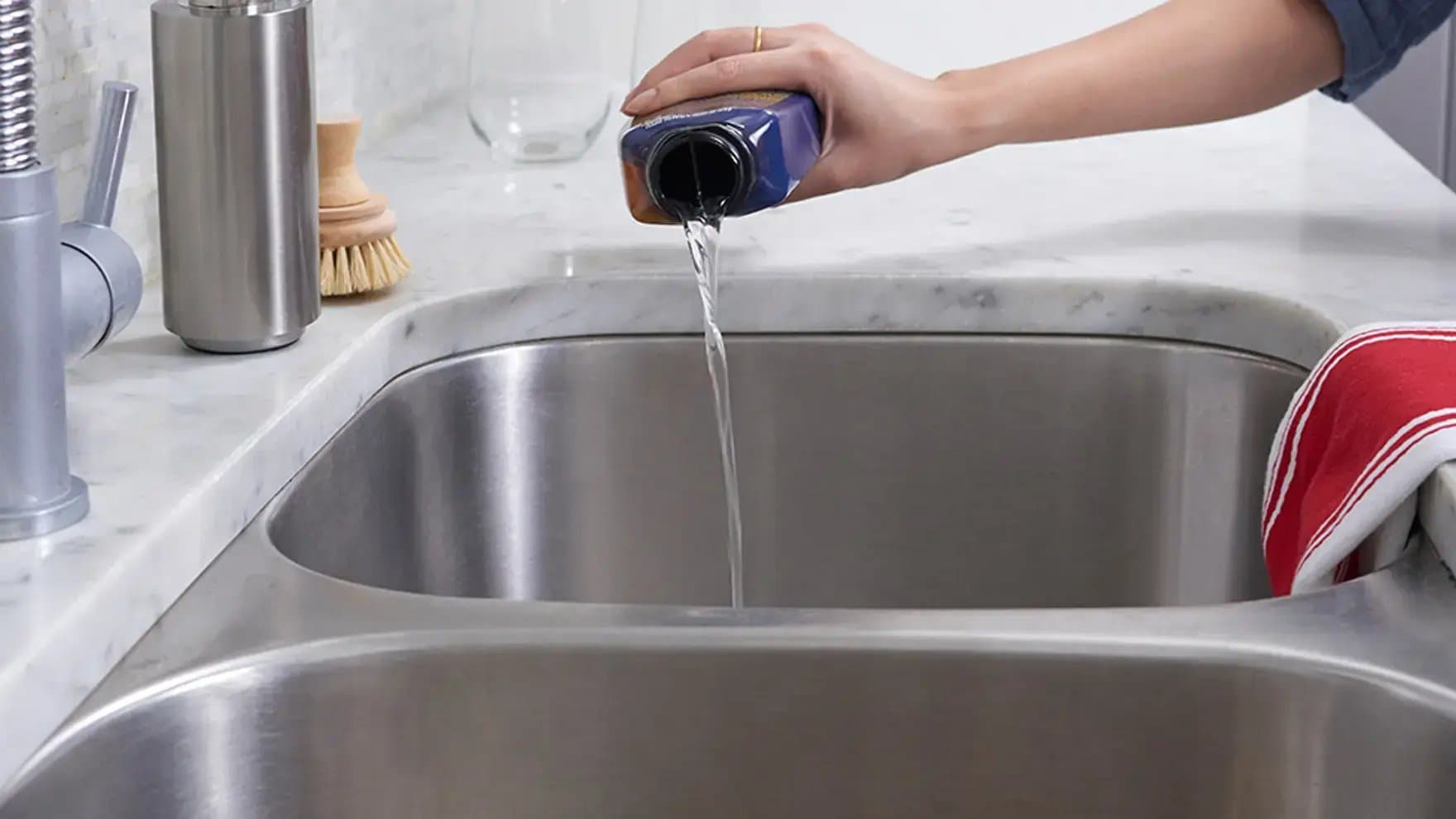
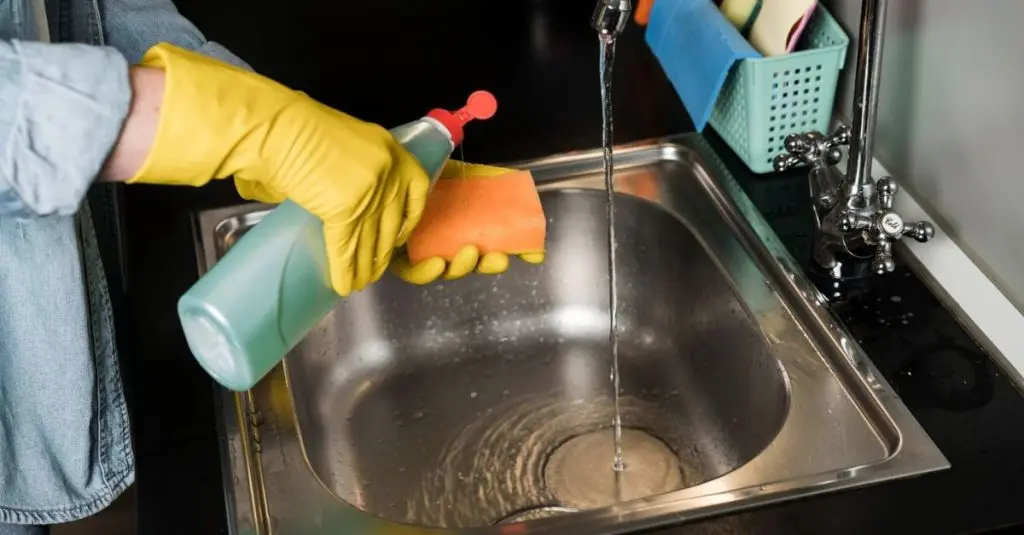
Store-bought drain cleaners are powerful. They contain chemicals that dissolve clogs and eliminate odors. These cleaners are easy to use. Pour the cleaner into the drain and wait. Follow the instructions on the label. Safety is important. Use gloves and avoid contact with skin. These cleaners can be effective but may have strong fumes. Ensure your kitchen is well-ventilated when using them. They work fast and can clear tough blockages. Regular use can prevent future smells.Enzymatic Drain Cleaners
Enzymatic drain cleaners are gentler. They use natural enzymes to break down waste. These cleaners are safe for pipes and the environment. They work slower than chemical cleaners. But they are effective in removing odors. Enzymes digest organic matter causing smells. Pour the cleaner into the drain and let it sit. Enzymatic cleaners need time to work. They are ideal for regular maintenance. These cleaners are less harsh and cause no damage. They are a good choice for eco-friendly cleaning.When To Call A Professional
Your kitchen sink is a crucial part of your home, but when it starts to smell, it can quickly become a source of frustration. While some odors are easily fixed with a little DIY effort, others might signal a bigger problem that needs professional attention. Knowing when to call a plumber can save you time, money, and a lot of stress. But how do you determine if it’s time to reach for the phone? Let’s explore some key indicators.
Identifying Severe Blockages
Severe blockages in your kitchen sink can cause water to drain slowly or not at all. If you’ve tried using a plunger or a drain snake with no success, it may be time to bring in a professional. A plumber can use specialized tools to effectively clear stubborn clogs that DIY methods can’t handle.
Ignoring severe blockages can lead to leaks or even a burst pipe. Don’t let a minor inconvenience turn into a major repair project. Consider how much time and effort you’ve already spent trying to resolve the issue on your own. Is it worth risking further damage?
Recognizing Plumbing Issues
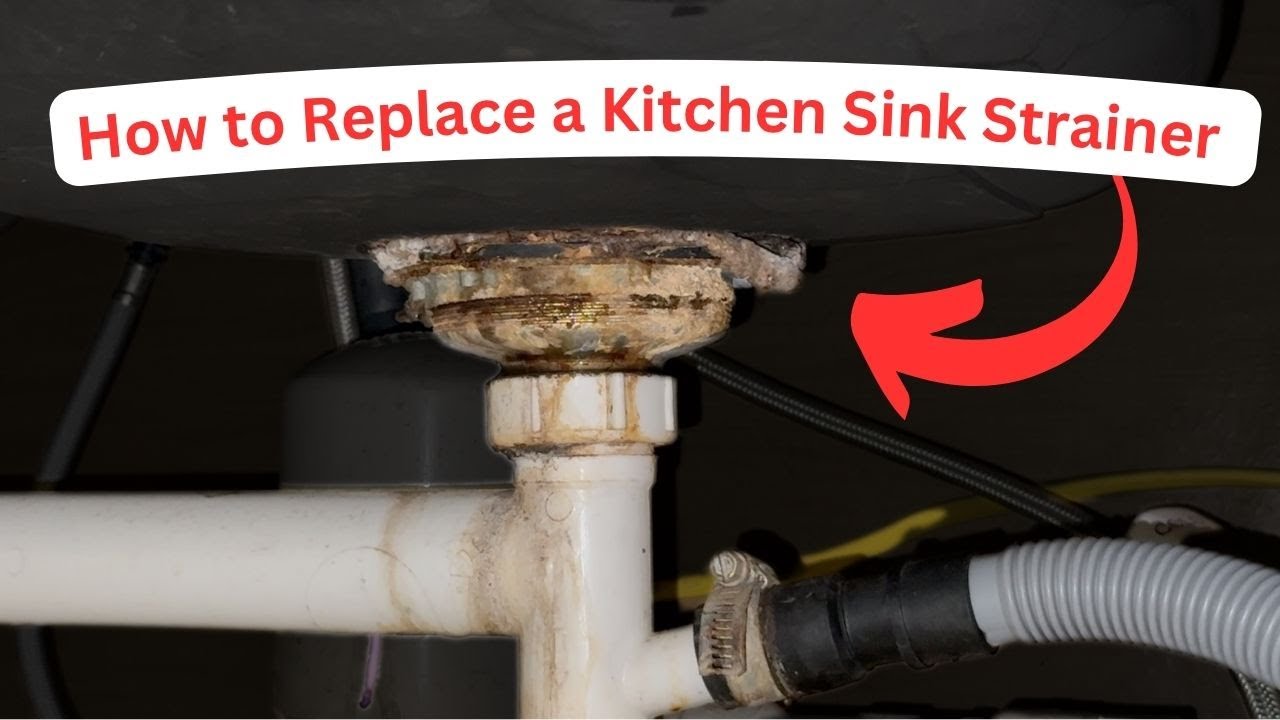
Sometimes a smelly sink is more than just a surface problem. It could be a sign of deeper plumbing issues, like a broken pipe or a faulty seal. If you notice persistent odors that don’t go away even after thorough cleaning, it’s wise to consult a professional.
Pay attention to any other signs of plumbing trouble, such as unusual noises or a sudden drop in water pressure. These can be indicators of underlying issues that require expert diagnosis. A professional can assess your plumbing system and provide solutions that prevent future problems.
Remember, addressing potential plumbing issues early can prevent costly repairs down the line. Have you noticed any warning signs lately? Don’t hesitate to seek help from a trusted professional.
Credit: www.vevor.com
Maintaining A Fresh-smelling Kitchen
The kitchen is often considered the heart of the home, where delightful aromas can fill the air. But sometimes, unpleasant odors from your sink can put a damper on the atmosphere. The key to maintaining a fresh-smelling kitchen lies in regular upkeep and thoughtful cleaning practices. Let’s explore some simple yet effective strategies to keep your kitchen sink smelling fresh.
Routine Maintenance Tips
- Clear the Drain Regularly:Food particles often get trapped in the drain, leading to foul smells. Use a sink strainer to catch debris and empty it daily.
- Flush with Hot Water:Pour hot water down the drain once a week to help dissolve grease and wash away any residue.
- Check for Leaks:A damp environment under the sink can breed mold, contributing to odors. Regularly inspect pipes for leaks to keep the area dry.
Eco-friendly Cleaning Practices
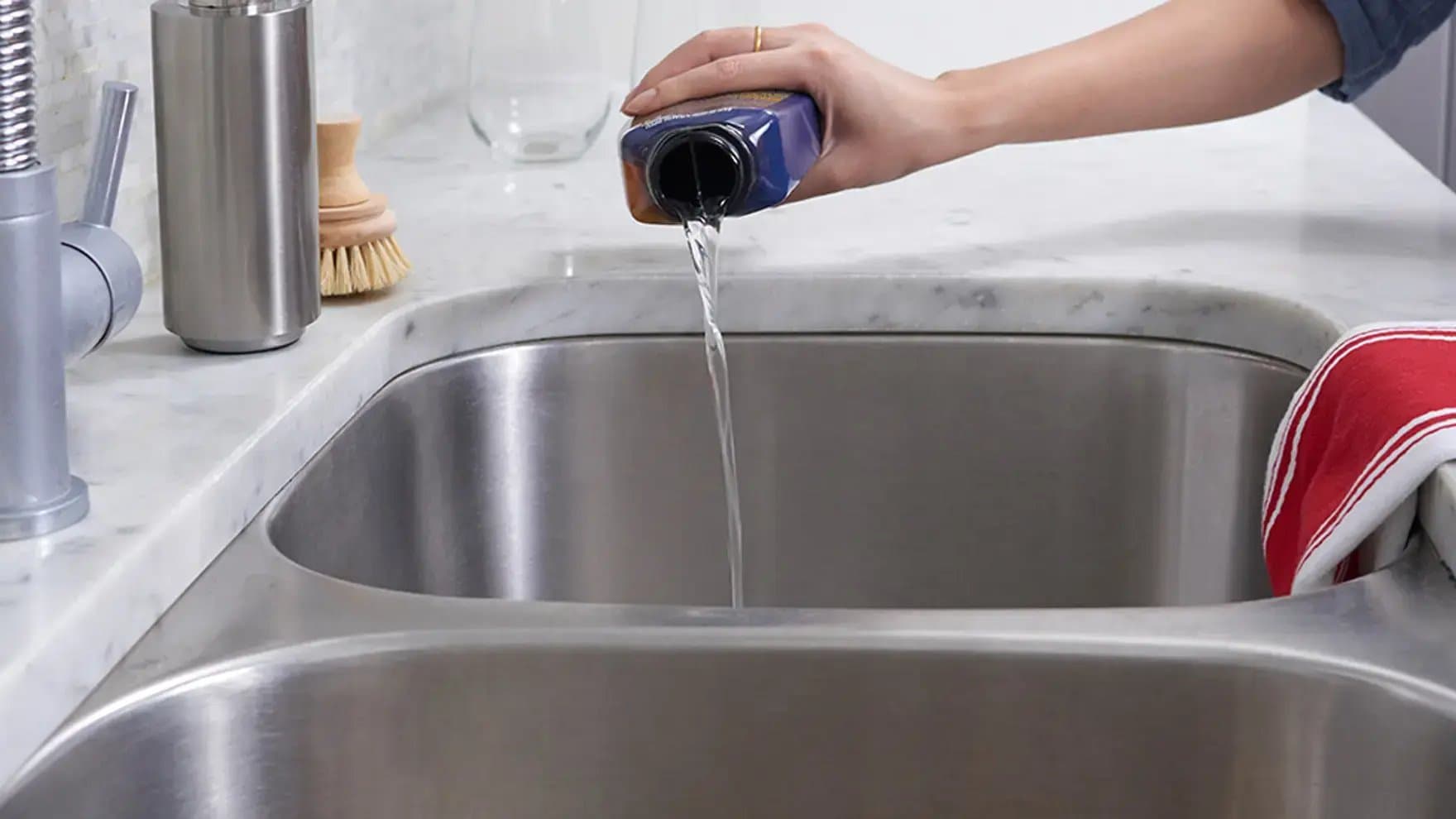
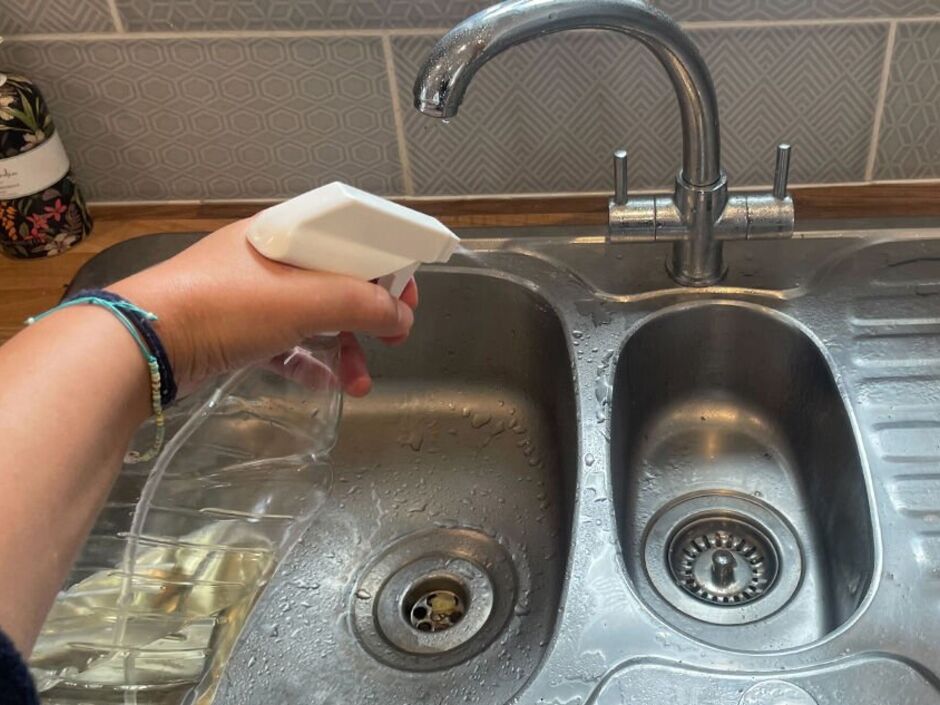
- Baking Soda and Vinegar:These natural ingredients work wonders. Sprinkle baking soda down the drain, followed by vinegar. Let it fizz for a few minutes, then rinse with hot water.
- Lemon Peels:Freshen up the sink by grinding lemon peels in the garbage disposal. The citrus scent is uplifting and neutralizes odors.
- Essential Oils:Add a few drops of essential oils like tea tree or lavender to the drain for a pleasant aroma.
Have you ever noticed that a clean kitchen often feels more inviting? Taking small steps to manage sink odors can transform your kitchen into a welcoming space. What practices will you adopt to keep your kitchen fresh? By integrating these habits, you can enjoy a kitchen that smells as good as it looks.
Frequently Asked Questions
How Do I Stop My Kitchen Sink From Smelling?
Clean the drain with baking soda and vinegar. Flush with hot water. Use lemon peels for a fresh scent. Ensure the garbage disposal is clear. Regularly check and clean the sink trap.
How Do You Get Rid Of Smelly Drains?
Clean smelly drains by pouring a mixture of baking soda and vinegar. Let it sit, then flush with hot water. Regularly remove debris and use drain covers to prevent odors. Use lemon or essential oils for a fresh scent. Maintain drains to keep them odor-free and functional.
What Causes A Kitchen Sink To Smell?
A smelly kitchen sink is often caused by food debris, grease build-up, or bacterial growth in the drain. Regular cleaning and maintenance can prevent these odors by removing the residue that causes them.
How Can I Prevent Sink Odors Naturally?
To prevent sink odors naturally, use baking soda and vinegar. Pour half a cup of each down the drain and let them sit for 15 minutes. Flush with hot water to remove any remaining debris and odor.
Conclusion
Solving kitchen sink smells is easier than you think. Regular cleaning prevents bad odors. Use baking soda and vinegar to fight smells. Keep drains clear from food scraps. Check pipes for leaks or blockages. Simple actions make a big difference.
Smells in sinks can be fixed with patience. Enjoy a fresh kitchen space with these tips. Your sink should smell clean, not musty. A little effort goes a long way. Remember, a clean sink means a happy kitchen. Stay proactive, and stop odors before they start.
Keep your kitchen smelling fresh daily.

Similar Posts