How to Unclog a Kitchen Sink Without a Plunger: Easy Hacks
Executive Chef & Lead Commercial Kitchen Specialist at Daily Kitchup Test Lab
You’re in the middle of preparing a delicious meal, and suddenly, your kitchen sink decides to stage a protest. Water isn’t draining, and you’re left with a growing pool of murky water.
Panic sets in as you realize you don’t have a plunger on hand. But don’t worry, there’s no need to call in a costly plumber or dash out to the store just yet. You can tackle this problem using simple, everyday items you likely already have at home.
Imagine the satisfaction of clearing that stubborn clog with your own hands, using clever techniques that are both effective and budget-friendly. Read on to discover how you can unclog your kitchen sink without a plunger and restore order to your kitchen chaos.
Common Causes Of Clogs
Kitchen sinks can get clogged for various reasons. Understanding these causes helps prevent future blockages. A clogged sink disrupts daily tasks and can lead to unpleasant odors. Let’s explore common culprits behind kitchen sink clogs.
1. Food ParticlesMany clogs start with leftover food particles. These bits may escape the strainer and accumulate in the pipes. Over time, they form a stubborn blockage. Avoid rinsing large food scraps down the drain.
2. Grease and OilPouring grease or oil down the sink is a major mistake. They solidify in pipes, causing clogs. Grease can also trap other debris, making the problem worse. Dispose of grease in a separate container instead.
3. Soap ScumSoap scum builds up over time. It mixes with minerals in water, forming a sticky residue. This residue narrows the pipe and catches other particles. Regular cleaning can reduce soap scum buildup.
4. Small ObjectsNon-food items sometimes fall into the sink. These may include small utensils, rings, or other objects. They can get lodged in the pipes, causing blockages. Use a sink strainer to catch such items.
5. Mineral BuildupHard water leads to mineral deposits in pipes. This buildup decreases water flow and causes clogs. Regular descaling can help prevent mineral buildup in the plumbing.
Identifying these causes can help maintain a clog-free kitchen sink. Regular maintenance and mindful disposal habits go a long way.
Essential Tools And Materials
Gather baking soda, vinegar, and boiling water for an effective solution. Use a flashlight to inspect the sink. A wire hanger can help remove debris from deep within the drain.
Unclogging a kitchen sink without a plunger can be simple. You need the right tools and materials. These essential items will make the task easier and more effective. Let’s explore what you’ll need.Basic Cleaning Tools
To start, gather a few basic cleaning tools. A bucket is handy for catching any water. A pair of rubber gloves will protect your hands. A flashlight can help you see inside the pipes.Common Household Materials
Some materials are already in your home. Baking soda and vinegar are great for breaking down clogs. You may also need salt. Boiling water is another useful tool for loosening debris.Handy Tools For The Job
Certain tools make the process smoother. A wire coat hanger can be straightened to reach blockages. A plumber’s snake is useful for deeper clogs. A wrench may be needed to loosen pipe connections.Natural Cleaning Solutions
Natural solutions are effective and safe. Mix baking soda with vinegar for a fizzy reaction. This can help dissolve stubborn clogs. Salt mixed with boiling water can also clear blockages.Protective Gear
Protective gear is important. Always wear rubber gloves to protect your skin. Safety goggles can shield your eyes. Use them if you’re working with strong solutions.Optional Tools For Stubborn Clogs
Some clogs are more stubborn. A plumber’s snake can reach deep blockages. A wet/dry vacuum can suck out clogs. These tools are useful if basic methods fail.Boiling Water Technique
Boiling water can help unclog kitchen sinks effectively. Carefully pour hot water down the drain in stages. This process helps dissolve and dislodge blockages, restoring water flow.
The Boiling Water Technique is a straightforward method to unclog a kitchen sink. It’s simple, effective, and requires no plunger. This technique uses heat to break down any blockage. By pouring boiling water down the drain, you can loosen debris and restore flow. It’s a quick fix for minor clogs and doesn’t require chemicals or tools.Prepare Boiling Water
First, boil a pot of water. Use a kettle or saucepan. Ensure the water reaches a rolling boil. This means bubbles form and rise quickly. Hot water is key for softening and breaking up clogs.Pour Water Slowly
Carefully pour the boiling water down the sink. Do it slowly. This ensures maximum contact with the blockage. Pouring too fast might cause splashes. Aim for steady control as you pour.Repeat As Needed
Sometimes, one round isn’t enough. If the water drains slowly, boil another pot. Repeat the pouring process. Persistent clogs may need several attempts. Don’t rush. Allow time for the hot water to work.Check Drain Flow
After pouring, test the drain. Run the tap and observe the water flow. If it’s smooth, the clog is gone. If not, try another method or repeat the process. Keep an eye on any signs of improvement.Baking Soda And Vinegar Solution
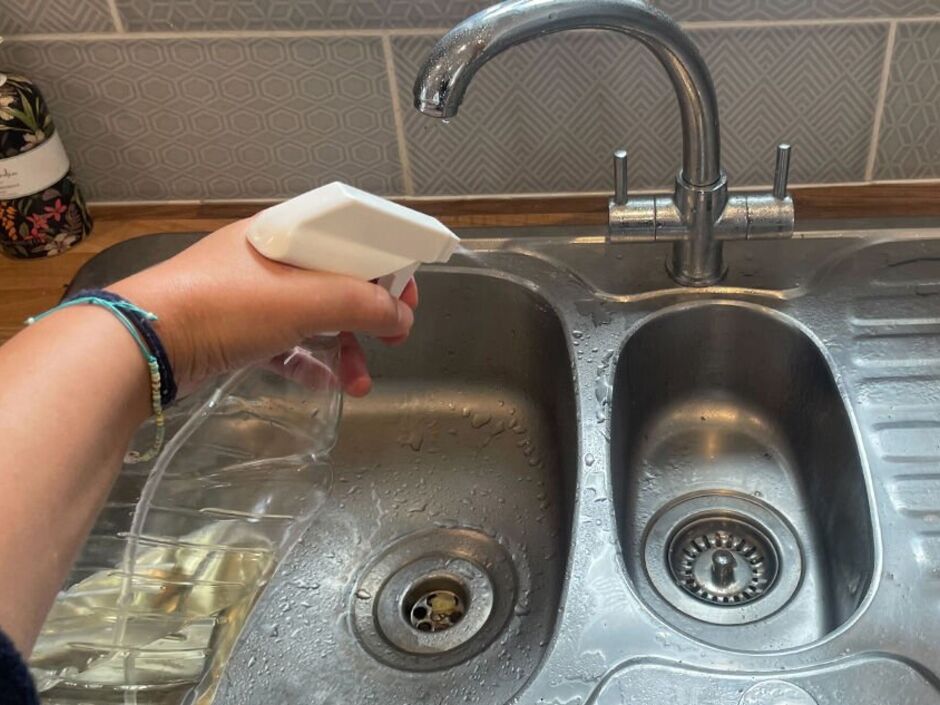
Baking soda and vinegar offer a simple way to unclog a kitchen sink. Sprinkle baking soda down the drain, then pour vinegar. The fizzing reaction helps break down blockage, clearing the way for water to flow smoothly again. This natural method is cost-effective and easy to try.
Baking soda and vinegar make a powerful cleaning duo. They can unclog your kitchen sink effectively. This natural solution is safe for pipes and the environment. It uses common household items that are inexpensive. The process is simple and doesn’t require a plunger. With a few easy steps, you can tackle stubborn clogs.Baking Soda Application
Start with a clean sink. Remove any debris or standing water. Pour one cup of baking soda down the drain. Baking soda is a mild alkali. It helps break down grease and grime. Let it sit for a few minutes. This allows the baking soda to settle in the pipe.Vinegar Addition
Next, add one cup of vinegar. Vinegar reacts with baking soda. This reaction creates fizzing bubbles. The bubbles help loosen the clog. Pour the vinegar slowly. Ensure it mixes well with the baking soda. Cover the drain with a stopper or cloth. This keeps the fizzing action concentrated.Waiting Period
Allow the mixture to work for 15 to 20 minutes. This time is crucial. It lets the reaction continue. The bubbles will push through the blockage. Be patient during this waiting period. It’s important for effective results.Hot Water Flush
After the waiting period, boil some water. Carefully pour the hot water down the drain. The hot water helps clear the loosened debris. It washes away any remaining residue. Repeat the process if necessary. Sometimes stubborn clogs need a second attempt.Regular Maintenance
Use this method regularly for maintenance. Baking soda and vinegar keep pipes fresh. They prevent future clogs from forming. It’s an easy routine to maintain. Keep your sink running smoothly with this natural solution.Salt And Hot Water Mix
Mix salt with hot water to clear kitchen sink clogs. Salt helps dissolve debris and grease buildup. Pour the mixture down the drain for effective results without a plunger.
Unclogging your kitchen sink can be a daunting task, especially when you don’t have a plunger at hand. But did you know that a simple household item like salt, when combined with hot water, can work wonders to dissolve the blockage? This method is not only cost-effective but also environmentally friendly. Let’s dive into how you can use this approach effectively.Understanding The Salt’s Role
Salt isn’t just for seasoning your favorite dish; it has abrasive properties that can help break down the clog. When you pour salt down the drain, it starts to loosen up the debris. It’s like giving your sink a gentle scrub from the inside.Preparing The Hot Water
Hot water is crucial in this method. It helps dissolve grease and soap scum, which are common culprits of kitchen sink clogs. Make sure the water is boiling hot to maximize its effectiveness.Combining Salt And Hot Water
Pour about half a cup of salt down the drain, followed by the boiling water. The heat, combined with salt, will work on breaking down the blockage. Wait a few minutes and check the flow. Repeat the process if necessary.When To Use This Method
This technique works best for minor clogs caused by grease or soap buildup. If you’ve just noticed your sink draining slowly, it’s a good time to try this method. However, if your sink is completely clogged, you might need a more intensive solution. Wouldn’t it be great if you never had to deal with a clogged sink again? Regularly using this salt and hot water mix can help prevent future blockages. Make it a monthly routine and save yourself from last-minute panic. Engaging with such simple solutions might raise the question: what other household items could be used to tackle everyday problems like this? Are there other tricks up your sleeve for maintaining a clog-free kitchen sink?
Credit: www.appliancecity.co.uk
Dish Soap And Hot Water Method
Encountering a clogged kitchen sink can disrupt your daily routine. Fortunately, there’s a simple solution that doesn’t require a plunger. The dish soap and hot water method can effectively tackle stubborn blockages. This technique is easy, using common household items to clear your sink.
Using Dish Soap Effectively
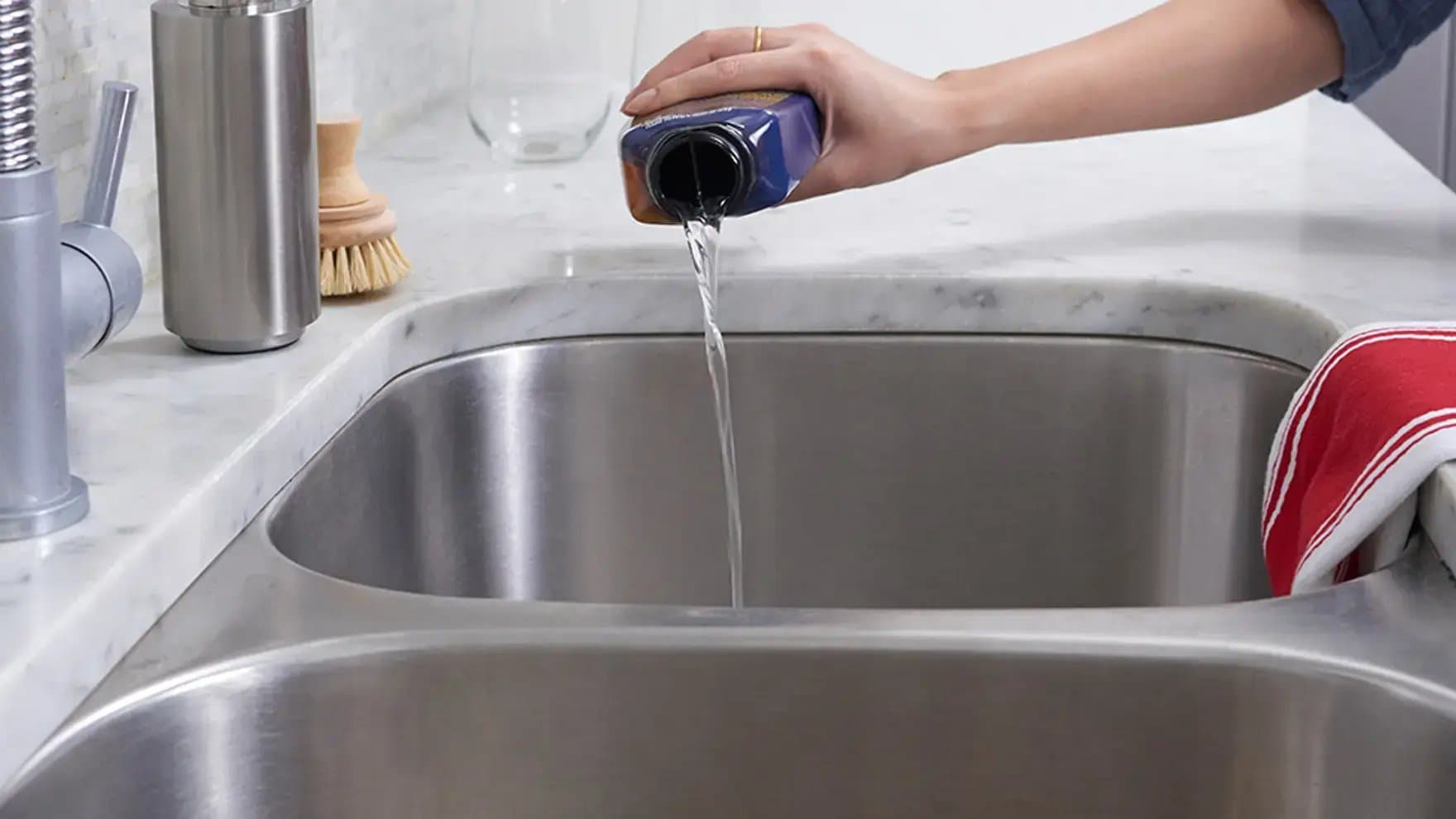
Begin by selecting a grease-cutting dish soap. Pour a generous amount directly into the sink drain. The soap helps break down grease and debris, loosening the clog.
Preparing Hot Water
Heat water until it’s almost boiling. You can use a kettle or a pot on the stove. Ensure the water is hot enough to aid the soap in breaking down the blockage.
Combining Soap And Hot Water
Carefully pour the hot water into the drain. The heat and soap work together to dissolve grease and clear the blockage. Be cautious to avoid splashes.
Repeat If Necessary
If the sink remains clogged, repeat the process. Sometimes blockages need multiple treatments. Persisting with this method can help restore your sink’s functionality.
Regular Maintenance Tips
To prevent future clogs, clean your sink routinely. Use dish soap and hot water weekly. This keeps your pipes clear and your kitchen running smoothly.
Wire Hanger Trick
Try using a wire hanger to unclog a kitchen sink. Straighten the hanger and create a small hook at the end. Gently insert it into the drain to pull out debris, helping water flow smoothly again.
Unclogging a kitchen sink can seem like a daunting task, especially without a plunger. But, sometimes, the solution might be hanging right in your closet. The wire hanger trick is a simple yet effective method to tackle those stubborn clogs. It requires minimal effort and materials, making it a go-to option for many. Why not give it a try next time your sink is playing hard to get?Gather Your Materials
Start by grabbing a basic wire hanger from your closet. You might be surprised by how versatile this household item can be. Straighten out the hanger, but keep the hook intact. This hook will be your secret weapon against the clog.Prepare The Wire Hanger
Once you’ve got your hanger, manipulate it into a long, straight piece. You want it to be as straight as possible to reach deep into the drain. Ensure the hook is small enough to fit through the drain opening. This allows you to maneuver it easily inside the pipes.Insert The Wire Hanger
Carefully insert the hooked end into the sink drain. Gently wiggle it around to catch any debris. Feel for resistance as you move the hanger. This is where the clog is likely hiding.Remove The Blockage
Twist and pull the hanger to snag the blockage. You might need to repeat this step a few times. As you pull the hanger out, check if you’ve caught any debris or if the water starts draining.Test Your Success
Run water to check if the sink drains smoothly. If the clog persists, you may need to try another method or call a professional. Remember, persistence is key. Sometimes a few attempts are needed to fully clear stubborn blockages. Have you ever used a simple household item to fix a major problem? The wire hanger trick might just be your next great discovery.Using A Drain Snake
Using a drain snake is an effective way to unclog a kitchen sink without a plunger. Insert the snake into the drain, twist it, and pull out debris causing the blockage. This simple tool can help restore smooth water flow in minutes.
Unclogging a kitchen sink can be a daunting task, especially when you don’t have a plunger on hand. But fear not, because a drain snake can be your best ally in this situation. A drain snake, also known as a plumber’s snake, is a flexible tool that can reach deep into your pipes to dislodge stubborn clogs. It’s an essential tool for any homeowner, and using it can save you a call to the plumber. Are you ready to take control of your kitchen sink woes?What Is A Drain Snake?
A drain snake is a slender, flexible tool used to dislodge clogs in plumbing. It typically consists of a coiled metal wire with a handle on one end. This tool can navigate through the twists and turns of pipes that a plunger can’t reach. Using a drain snake is simple. Insert the metal wire into the drain and twist the handle to break up the blockage. If you’ve never used one before, it might seem intimidating, but with a little practice, it becomes straightforward.How To Use A Drain Snake
Using a drain snake requires a bit of patience and finesse. – Insert the Snake: Slowly push the snake into the sink drain. Keep feeding it into the pipe until you feel resistance. This indicates you’ve reached the clog. – Rotate the Handle: Once you feel resistance, rotate the handle to break up the clog. This might take a few turns, so don’t rush it. – Remove the Snake: Gently pull the snake out of the drain. Be prepared for some messy gunk to come out with it. If the clog persists, repeat the process. Sometimes, stubborn clogs need more than one attempt.Benefits Of Using A Drain Snake
A drain snake is a cost-effective solution. It eliminates the need for harsh chemical drain cleaners, which can damage pipes over time. It’s also environmentally friendly. Using physical means to clear a clog avoids introducing potentially harmful substances into the water system. Moreover, owning a drain snake means you’re always prepared. You can tackle clogs immediately without waiting for professional help.Tips For Success
– Be Patient: Rushing can lead to frustration and potential damage. Take your time to work through the clog. – Stay Safe: Wear gloves when using a drain snake. The process can get messy, and it’s best to protect your hands. – Practice Makes Perfect: If it’s your first time, don’t be discouraged. Like any tool, it gets easier with practice. Have you ever tried using a drain snake before? What was your experience like? Share your thoughts in the comments below.Preventing Future Clogs
Clogged sinks can disrupt your kitchen routine. Preventing future clogs is essential for smooth kitchen operations. Simple habits can make a big difference. Here’s how to keep your sink flowing freely.
Regular Cleaning Tips
Regular cleaning keeps your sink in top condition. Use hot water weekly to flush out potential blockages. Mix baking soda and vinegar monthly to clear build-up. Pour half a cup of baking soda down the drain. Follow with a cup of vinegar. Let it bubble for a few minutes. Rinse with hot water. This natural solution breaks down debris. It’s safe and effective.
Proper Waste Disposal
Proper waste disposal is key. Avoid putting grease down the sink. It solidifies and clogs pipes. Instead, pour grease into a container. Let it cool and discard it in the trash. Use a strainer to catch food particles. Empty it into the trash regularly. Do not pour coffee grounds down the sink. They can clump and cause blockages. Dispose of them in the compost or trash instead.
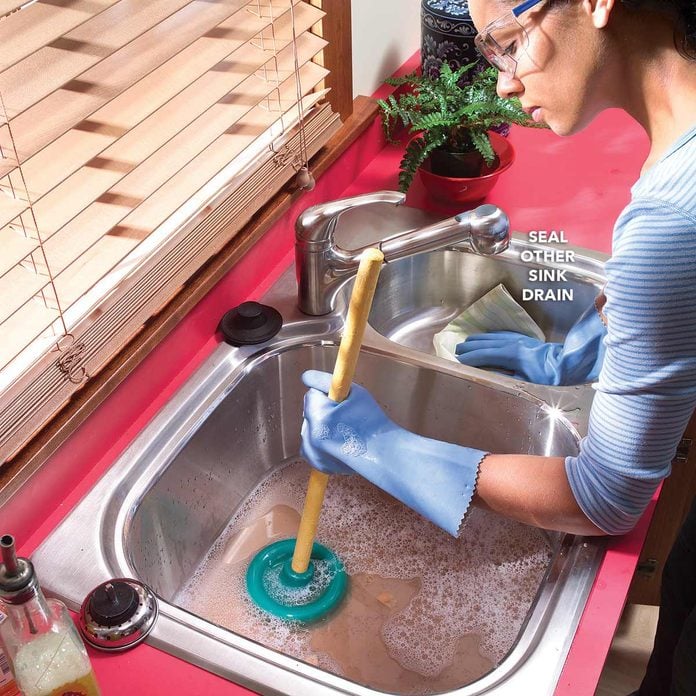
Credit: www.familyhandyman.com

Credit: www.yahoo.com
Frequently Asked Questions
How Do I Unblock My Kitchen Sink Without A Plunger?
Pour boiling water down the sink to dissolve grease. Use baking soda and vinegar for stubborn clogs. Let it fizz, then rinse with hot water. Alternatively, remove the drain cover and manually clear debris using a wire hanger or plumber’s snake.
Ensure regular cleaning to prevent future blockages.
What Is The Best Home Remedy To Unclog A Kitchen Sink?
Use baking soda and vinegar to unclog a kitchen sink. Pour half a cup of baking soda, then half a cup of vinegar down the drain. Cover the drain and wait 15 minutes. Flush with hot water for effective results.
This simple method is eco-friendly and cost-effective.
How Do You Unclog A Sink With Standing Water?
To unclog a sink with standing water, use a plunger to create suction. Pour boiling water to dissolve the clog. Alternatively, use a mixture of baking soda and vinegar. Wait for 15 minutes, then flush with hot water. Repeat if necessary until the water drains smoothly.
Why Should You Never Use Baking Soda And Vinegar To Unclog A Drain?
Baking soda and vinegar create a fizz that often lacks the strength to clear stubborn clogs effectively. The combination may temporarily move debris, but doesn’t dissolve it. Using them can sometimes worsen blockages, leading to more severe plumbing issues. Opt for stronger solutions or professional help.
Conclusion
Unclogging a kitchen sink without a plunger is possible. Try simple tools like baking soda and vinegar. Use boiling water to clear minor blockages. A wire coat hanger can reach deeper clogs. Dish soap helps with greasy buildup. These methods are budget-friendly and easy to follow.
No need for professional help. Maintain your sink regularly to prevent future clogs. Keep pipes clear with monthly cleaning. Remember, patience and persistence pay off. Your kitchen sink will thank you. Enjoy a free-flowing sink with these easy steps.

Similar Posts