How to Get Rid of Ants in My Kitchen: Effective Solutions
Executive Chef & Lead Commercial Kitchen Specialist at Daily Kitchup Test Lab
Are tiny invaders marching across your kitchen countertops, turning your peaceful cooking space into an ant battleground? You’re not alone.
Ants are persistent little creatures, and once they find their way into your kitchen, it can feel like an endless invasion. But don’t worry; you’re about to discover practical, effective strategies to reclaim your kitchen from these unwelcome guests. Imagine enjoying a clean, ant-free kitchen where you can cook and eat without spotting even a single ant.
Sounds like a dream, right? Keep reading to learn how to get rid of ants in your kitchen for good, using simple techniques that truly work. Say goodbye to ants and hello to peace of mind.
Identify Ant Species
Identifying ant species is crucial for effective kitchen pest control. Different ants require specific methods for removal. Understanding their habits helps target the problem accurately and maintain a clean kitchen environment.
Identifying the ant species invading your kitchen is crucial. Different species require specific methods for elimination. Knowing your enemy ensures a targeted approach that is effective. Observing their size, color, and behavior can help distinguish them.Common Kitchen Ants
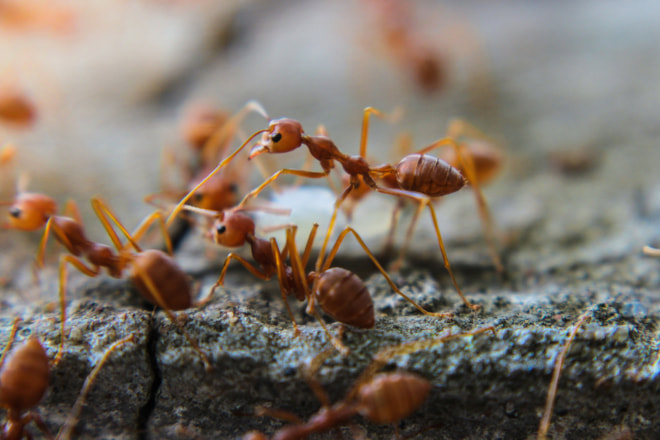
Several ant species frequently invade kitchens. The most common are odorous house ants. These are small and dark brown or black. They emit a strong smell when crushed. Another common species is the pavement ant. They have parallel lines on their bodies and are often brown or black. Pharaoh ants are also frequent visitors, yellow or light brown and hard to eliminate.Behavior Patterns
Ants have distinct behavior patterns. Odorous house ants follow scent trails to food sources. They prefer sweet substances and can nest indoors. Pavement ants often enter through cracks and feast on greasy foods. Pharaoh ants are drawn to warm areas and can nest in small spaces. Understanding these patterns helps in targeting the right treatment.Locate Ant Entry Points
Ants in your kitchen can be more than just a nuisance. They can spoil your food and spread germs. The first step to eliminating these pesky intruders is finding out how they’re getting in. Identifying entry points is crucial for keeping ants out for good.
Inspect Windows And Doors
Windows and doors are common entry points for ants. Check for small gaps around frames. Look closely at weather stripping. Ensure seals are tight and intact. Replace any damaged parts to block ant access. Close doors promptly to prevent ant entry.
Check Plumbing And Cracks
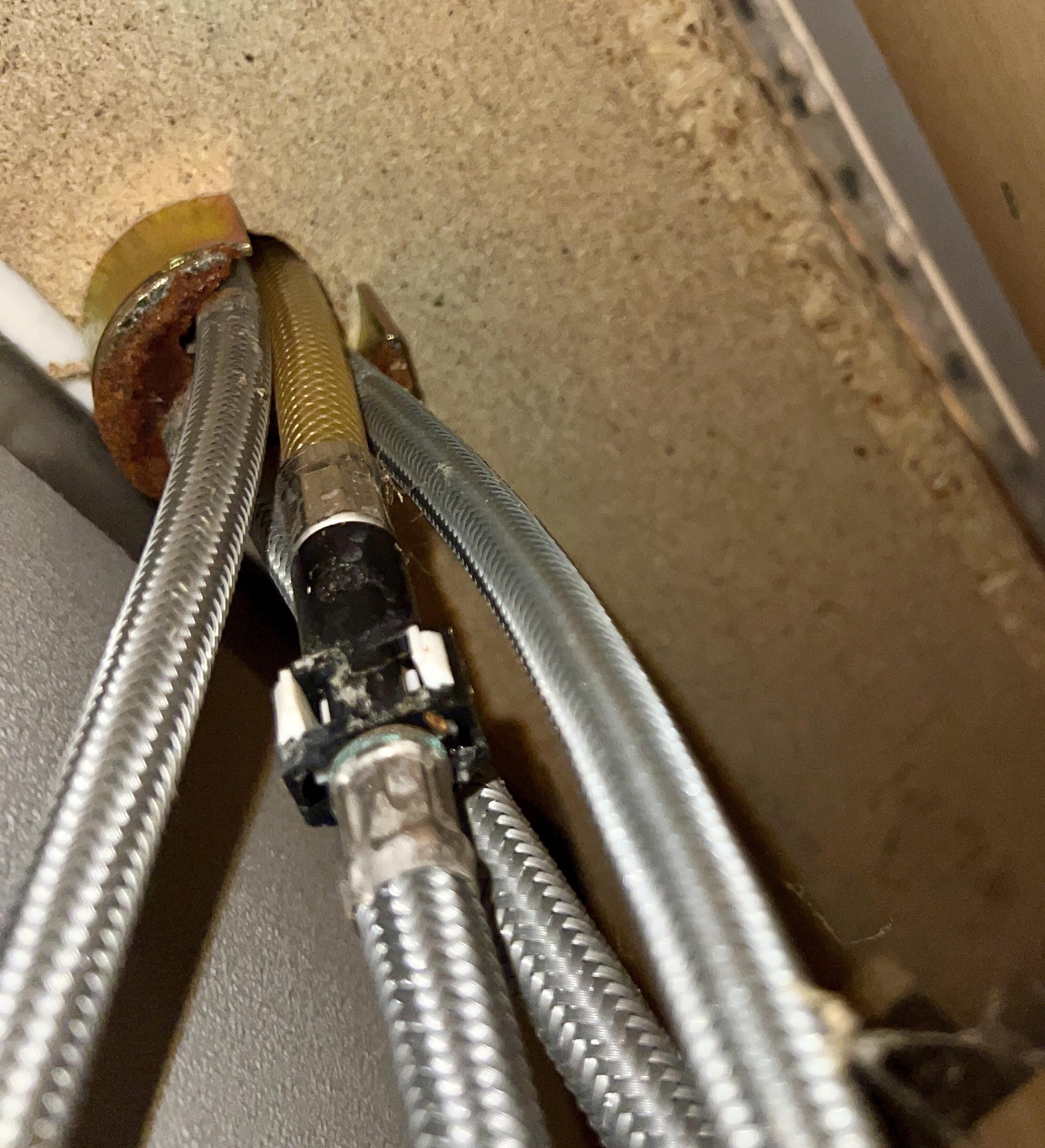
Plumbing areas can offer hidden paths for ants. Examine under sinks and around pipes. Look for leaks or gaps. Seal any openings with caulk. Check walls for cracks. Even tiny cracks can invite ants inside. Repair these to keep your kitchen ant-free.
Natural Repellents
Ants marching through your kitchen can be a nuisance, but you don’t need harsh chemicals to send them packing. Natural repellents provide a gentle yet effective way to reclaim your space. These eco-friendly solutions not only help in banishing ants but also maintain a safe environment for you and your family. Curious about how everyday items in your pantry can become your secret weapons?
Vinegar And Water Solution
Mix equal parts of vinegar and water in a spray bottle. This simple concoction disrupts the ants’ scent trails, effectively confusing them. Plus, it’s a handy cleaner for your kitchen surfaces!
Spray this solution on countertops, floors, and entry points. You’ll notice how ants start to scatter away. Vinegar’s pungent odor is something ants despise, making it a powerful deterrent.
Essential Oils
Did you know that certain essential oils can be ant repellents? Peppermint and tea tree oils are particularly effective. They offer a strong aroma that ants dislike, driving them away naturally.
Add a few drops of essential oil to water and use it as a spray. Alternatively, soak cotton balls and place them near ant trails and entry points. This method not only banishes ants but leaves your kitchen smelling fresh.
Have you tried using essential oils to keep ants at bay? If not, it might be time to experiment. Your kitchen could soon be free of pests and brimming with delightful scents!
Credit: alphapestcontrol.com.au
Homemade Ant Baits
Mix sugar and borax to create an effective homemade ant bait. Place the bait near ant trails in the kitchen. Ants are attracted to sugar and carry the borax back to their colony, eliminating the problem.
If you’ve ever battled ants in your kitchen, you know how frustrating it can be. Those tiny invaders seem to appear out of nowhere, marching in lines and raiding your pantry. While commercial ant sprays and traps can be effective, they often contain chemicals that you might not want around your food or family. That’s where homemade ant baits come in. They’re simple to make, use common household ingredients, and can be surprisingly effective at tackling the ant problem. Let’s explore some easy recipes you can try at home.Sugar And Borax Mix
This classic homemade ant bait combines sugar and borax, a natural mineral that’s toxic to ants but safe to use around your home. – Ingredients: You’ll need 1 cup of sugar, 1 tablespoon of borax, and 1/2 cup of warm water. – Instructions: Mix the sugar and borax thoroughly, then add the warm water until everything is dissolved. Soak cotton balls in the mixture and place them in areas where you’ve noticed ant activity. This method works by attracting ants with sugar. They carry the borax back to their colony, gradually eliminating the population. Make sure to keep the bait out of reach of pets and children. If you’re concerned about borax, consider wearing gloves while handling the solution.Peanut Butter And Baking Soda
Ants love peanut butter, and combining it with baking soda can create an effective trap. – Ingredients: Use 1 tablespoon of peanut butter and 1 tablespoon of baking soda. – Instructions: Mix the peanut butter and baking soda together until well combined. Spread small amounts on pieces of cardboard or plastic lids and place them where ants are frequently seen. Baking soda disrupts the ants’ digestive system, and when combined with the irresistible lure of peanut butter, it becomes an effective deterrent. Monitor the baits regularly to see if they’re being consumed and replace them as needed. If you notice a decrease in ant activity, it means the method is working. The best part? You probably already have these ingredients in your pantry. By using these homemade ant baits, you can address your ant problem without resorting to harsh chemicals. Have you tried any of these methods before? What other natural solutions have worked for you? Share your experiences in the comments!Commercial Ant Baits
Commercial ant baits offer a practical solution to eliminate ants in the kitchen. These products attract ants and poison them, disrupting their colony effectively. Place the bait in areas where ants are commonly seen for best results.
Commercial ant baits are a popular solution for kitchen ant problems. They work by attracting ants with a tempting substance. Ants consume this bait, carry it back to their colony, and share it. This method targets the source of the infestation, aiming to eliminate the entire colony over time.Choosing The Right Product
Selecting the best ant bait requires understanding your ant problem. Different ants are attracted to different baits. Some prefer sweet baits, while others go for protein-based options. Read product labels to find the bait type. Also, check reviews for effectiveness. Consider the product’s form, like gels, liquids, or granules. Each type suits different areas in your kitchen. Gels work well for cracks, while granules cover larger surfaces.Safety Precautions
Safety is crucial when using ant baits in your kitchen. Keep baits out of reach of children and pets. Use bait stations to contain the poison. Follow the manufacturer’s instructions carefully. Store unused baits in a safe, dry place. Dispose of used baits responsibly to prevent accidental exposure. Always wash hands after handling baits. These steps help ensure your family and pets stay safe.Keep Kitchen Clean
Keep your kitchen free from ants by sealing food in airtight containers. Clean up crumbs and spills quickly to deter them. Use natural repellents like vinegar and lemon juice to disrupt their scent trails. Regularly take out the trash and keep surfaces dry to maintain a pest-free environment.
Keeping your kitchen clean is crucial in the battle against ants. These tiny invaders are always on the hunt for food and water, and an unclean kitchen is like an open invitation. By maintaining a tidy space, you’re not only preventing ants from finding what they’re looking for but also creating a less attractive environment for them to explore.Store Food Properly
Storing food correctly is your first line of defense. Always use airtight containers to keep ants at bay. Plastic bags or loose packaging won’t cut it, as ants can easily find their way inside. Remember the time you left a cereal box slightly open, only to find it swarming with ants? It’s a lesson learned: seal everything tight. Consider storing perishables in the fridge or freezer. Not only does this keep food fresh, but it also prevents ants from accessing it. You’d be surprised how persistent these little creatures can be once they catch a whiff of your leftovers.Regular Cleaning Routine
A regular cleaning routine is essential to keep ants out of your kitchen. Wipe down surfaces daily to remove crumbs and spills. You might think a tiny crumb doesn’t matter, but to an ant, it’s a feast. Sweep and mop floors frequently. Ants can find food particles in the most unexpected places, like under the fridge or stove. A quick sweep can make all the difference. Don’t forget to take out the trash regularly. Ants are drawn to trash cans like magnets. Emptying the bin every day, especially if it contains food waste, can significantly reduce the chances of an ant invasion. By maintaining a clean kitchen, you not only deter ants but also create a more inviting space for yourself. Isn’t it nicer to cook in a clean, ant-free kitchen?Seal Entry Points
Identify and seal small gaps in walls, floors, and windows to prevent ants from entering your kitchen. Use caulk or weather stripping to block these entry points effectively. Keeping areas sealed ensures ants stay outside, away from food and cooking spaces.
Sealing entry points is crucial to keeping ants out of your kitchen. Ants find their way inside through small cracks and gaps. By sealing these entry points, you create a barrier. This makes your kitchen less inviting to ants.Use Of Caulk
Caulk is effective for sealing cracks and gaps. It is easy to apply and affordable. Use caulk to seal cracks in walls and around windows. Check for gaps near kitchen counters and baseboards. Ensure all visible cracks are covered with caulk. This will block ants from entering through tiny spaces.Weather Stripping
Weather stripping helps seal gaps around doors and windows. It keeps ants and drafts out. Inspect the areas where doors meet the frame. Check windows for any small openings. Install weather stripping to fill these gaps. This creates a tight seal, deterring ants from entering. Use adhesive-backed strips for an easy installation.Credit: www.facebook.com
Outdoor Prevention
Seal cracks and crevices around your home to stop ants from entering. Keep food stored in airtight containers. Regularly clean countertops and floors to remove crumbs and spills.
Outdoor prevention is key to keeping ants away from your kitchen. By managing the outside environment, you can reduce the chance of ants entering your home. Focus on maintaining a clean and tidy yard to deter these pesky invaders.Trim Vegetation
Ants use plants as bridges to enter your home. Keep vegetation trimmed and away from your house. Ensure no branches touch windows or walls. This reduces the pathways ants use to get inside. Regular trimming also helps spot any ant trails early.Remove Debris
Ants thrive in cluttered areas. Remove debris like leaves, wood piles, and rocks near your home. These provide shelter and food for ants. A clean yard offers fewer hiding spots for them. Regularly clear out the clutter to keep ants at bay.When To Call Professionals
Persistent ant invasions in the kitchen may require professional pest control services. Professionals handle severe infestations effectively, ensuring ants don’t return. If home remedies fail, it’s time to call experts.
Having ants in your kitchen is more than just a minor inconvenience; it can quickly escalate into a significant problem. While DIY solutions may work for small infestations, there are times when you need to call in the professionals. Knowing when to make that call can save you time, stress, and possibly even money in the long run.Persistent Infestations
If you’ve tried every home remedy you can think of—vinegar sprays, borax traps, or even sealing up every tiny crack—and the ants keep coming back, it’s time to consider professional help. Persistent infestations often indicate a larger problem lurking behind walls or under floors that only experts can handle. You might be dealing with a species of ant that’s particularly tough to eradicate on your own. Professionals have access to specialized tools and treatments that are more effective than over-the-counter products. Plus, they can identify the ant species and tailor their approach accordingly. Have you ever wondered why your DIY efforts seem fruitless? Ants can adapt to some methods, making them less effective over time. Professionals can assess the situation and provide a targeted solution, ensuring the pesky intruders don’t return.Large Colonies
When you find a massive colony in or around your kitchen, it might be more than you can handle. Large colonies can mean thousands of ants—and possibly multiple queens—requiring more than just a surface-level solution. A professional exterminator can locate the colony’s heart, which is often hidden in hard-to-reach places. They will use powerful treatments that can eradicate the entire colony, not just the workers you see. Is your kitchen becoming ground zero for an ant metropolis? Large colonies can cause structural damage and even compromise food safety. Bringing in a professional ensures that the problem is thoroughly dealt with, protecting your home and health. In the end, the goal is to enjoy a clean, ant-free kitchen where you can prepare meals without worry. Knowing when to call in the experts is a crucial step in achieving that peace of mind.Credit: www.callnorthwest.com
Frequently Asked Questions
How Do I Get Rid Of Ants In My Kitchen Fast?
Seal food containers and clean spills to remove attractants. Use vinegar or lemon juice to disrupt ant trails. Place ant baits or traps near entry points. Seal cracks and entry points with caulk. Consider natural repellents like peppermint oil or hire pest control for persistent issues.
Why Do I Have Ants In My Kitchen?
Ants are attracted to your kitchen due to food crumbs, spills, or accessible water sources. They enter through tiny gaps seeking food. Regular cleaning and sealing entry points can help prevent them.
What Do Ants Hate The Most In The Kitchen?
Ants detest strong odors like vinegar, citrus, and peppermint oil. These scents disrupt their scent trails. Keep counters clean and use natural repellents to deter them. Seal food tightly to prevent attraction. Regularly clean up crumbs and spills to maintain an ant-free kitchen environment.
What Is The Best Homemade Ant Killer?
Mix equal parts of white vinegar and water in a spray bottle. Spray directly on ants and entry points. This solution disrupts their scent trails, deterring them effectively. For added potency, sprinkle diatomaceous earth around entry points, which dehydrates and kills ants upon contact.
Conclusion
Ants in the kitchen can be frustrating. Simple steps can help. Start by keeping your kitchen clean. Seal food containers tightly. Use natural repellents like vinegar and lemon. Regularly check for entry points. Seal cracks and gaps. Ant traps can assist in controlling them.
Consistent effort leads to a pest-free kitchen. Remember, patience is key. Ants may return, but persistence pays off. Your kitchen will become a safe, clean space once more. Enjoy cooking without the worry of ants. Keep these tips handy. They are simple but effective.
Happy cooking!

Similar Posts