How to Get Rid of Moths in the Kitchen: Proven Tips
Executive Chef & Lead Commercial Kitchen Specialist at Daily Kitchup Test Lab
Are you tired of those pesky moths invading your kitchen? You’re not alone.
These tiny intruders can be a real nuisance, fluttering around your pantry and finding their way into your food. But don’t worry, there’s good news. You can take control and reclaim your kitchen from these unwelcome guests. Imagine opening your pantry and finding it free of any creepy crawlers.
Sounds great, right? You’ll discover simple and effective strategies to say goodbye to moths for good. Let’s dive into the solutions that will bring back your peace of mind and keep your kitchen moth-free. Stick around—you’ll be glad you did.
Credit: www.aosom.com
Identify Moth Species
Identifying moth species is essential to tackle infestations. Check pantry for webbing, larvae, or adult moths. Clean thoroughly and store food in airtight containers to prevent future invasions.
Identifying moth species in your kitchen is crucial to effectively eliminating these pesky intruders. Not all moths are the same, and knowing which species you’re dealing with can help you tailor your approach to get rid of them. Are you familiar with the different types of moths that might invade your kitchen? Understanding their unique characteristics can be the key to a moth-free home.Common Kitchen Moths
Several moth species might find their way into your kitchen, but two are the most common culprits. The Indian Meal Moth, with its distinctive reddish-brown wings, is notorious for infesting pantry staples like grains and nuts. On the other hand, the Mediterranean Flour Moth, pale gray in color, targets flour and cereal products. Recognizing these moths isn’t just about knowing their names. Look for subtle differences in wing color and body size. This knowledge can make all the difference when selecting the right prevention and elimination methods.Signs Of Infestation
Spotting moths is one thing, but recognizing signs of an infestation is another. Have you noticed webbing or sticky secretions in your food containers? These are telltale signs of moth larvae at work. Little holes in packaging or a dusty residue on shelves are additional red flags. You might even find larvae wriggling in your dry goods or flying moths escaping from a forgotten bag of flour. Take note of these indicators, as they can help you pinpoint the source of the problem and act swiftly to eradicate it.
Credit: moxieservices.com
Immediate Actions
Discovering moths in your kitchen can be unsettling. But worry not, immediate actions can effectively deal with this nuisance. The key is to act quickly and decisively to prevent further infestation. Start by assessing and tackling the situation with targeted steps.
Remove Contaminated Food
Your first priority should be to identify and remove any contaminated food. Moths love to hide in grains, cereals, and dried goods. Check for webs, larvae, or adult moths in your pantry staples. Toss any infested items immediately.
As you sift through your shelves, don’t forget to inspect packaging integrity. A slight tear can be an open invitation for moths. Consider airtight containers as a safeguard against future invasions.
Clean Affected Areas
Once the contaminated food is gone, shift focus to cleaning the affected areas. Use a vacuum to suck up any remaining larvae or eggs from shelves, corners, and crevices. A thorough wipe down with a vinegar solution can deter moths, thanks to its pungent smell.
Remember, cleanliness is your ally in this battle. Regularly cleaning your pantry not only removes any hidden moths but also keeps you alert to potential infestations. How often do you clean your kitchen spaces?
Preventative Measures
Seal food containers tightly to keep moths away. Regularly clean pantry shelves and dispose of infested items. Use natural repellents like bay leaves or lavender to deter moths effectively.
Preventing moths in the kitchen requires consistent and effective measures. It’s essential to adopt habits that keep these pesky insects at bay. By focusing on proper food storage and regular cleaning, you can safeguard your kitchen from unwanted moths.Proper Food Storage
Moths love to invade open food containers. Store dry goods in airtight containers. Glass, metal, or heavy-duty plastic containers work best. Ensure lids are tightly sealed to block moths. Keep grains, nuts, and cereals in these containers. Regularly check for signs of infestation. Discard any compromised items immediately. Place bay leaves or cloves in pantry corners. They act as natural moth repellents. Also, consider vacuum-sealing bags for long-term storage.Regular Cleaning Habits
A clean kitchen discourages moths from settling. Wipe down shelves and surfaces weekly. Remove crumbs and spills promptly. Moths thrive in dirty environments. Vacuum pantry corners and shelves often. Pay special attention to cracks and crevices. Wash food containers and jars before refilling. Regularly inspect pantry and kitchen items. Look for moth eggs and larvae. Dispose of infested goods promptly. Keep trash bins covered and emptied regularly.Natural Remedies
Getting rid of moths naturally is effective and eco-friendly. Natural remedies ensure a safe kitchen without harsh chemicals. These methods use items you might already have at home.
Herbs And Spices
Certain herbs and spices repel moths effectively. Bay leaves are a popular choice. Place them in pantry corners or inside containers. Their strong scent keeps moths away. Lavender is another excellent option. Use dried lavender sachets in drawers and cabinets. It adds a pleasant aroma while deterring moths. Cloves and rosemary can also be useful. Scatter them around storage areas to protect your food.
Homemade Traps
Homemade traps can capture and eliminate moths. A simple trap uses vinegar and sugar. Mix equal parts in a shallow bowl. Moths are attracted to the smell and get trapped in the liquid. Another trap involves sticky tape. Place double-sided tape near infested areas. Moths will stick to the tape as they fly by. You can also use a jar with a small light inside. Moths are drawn to the light and get caught in the jar.
Chemical Solutions
Chemical solutions offer an effective way to eliminate moths in the kitchen. These solutions target moth larvae and adults, ensuring a pest-free environment. Use them carefully to protect your food and maintain a clean kitchen space.
Tackling a moth infestation in your kitchen can be daunting. Chemical solutions offer a swift and effective way to reclaim your space from these pesky invaders. While some might hesitate to use chemicals, modern insecticides are designed to be both safe and efficient, ensuring that your kitchen remains a clean and healthy environment.Safe Insecticides
Not all insecticides are created equal. When choosing a product, look for those labeled specifically for kitchen use. These are typically formulated to target moths without posing a risk to your food or family. Brands like Raid and Ortho offer products specifically designed for indoor use, minimizing potential hazards. Before application, always read the label carefully. This ensures you’re using the product correctly and safely. Remember, safety is paramount, especially in spaces where you prepare food.Application Tips
Applying insecticides efficiently can make a world of difference. Start by identifying the infested areas. Moths often hide in pantries, cupboards, and other dark corners. Use the insecticide sparingly, focusing on these hotspots. Consider removing all food items and thoroughly cleaning the area before application. This not only ensures better contact with the moths but also prevents contamination of your food. If you’re worried about safety, look for natural-based options like neem oil sprays. Have you ever noticed a resurgence of moths after treatment? Sometimes, improper application can leave eggs untouched. Reapply as instructed on the label to ensure all life stages of the moths are eliminated. Remember, a clean kitchen is less inviting to pests. Regularly inspect your pantry and discard expired items. This simple habit, combined with strategic use of chemical solutions, can help keep your kitchen moth-free.Long-term Prevention
Seal food containers tightly to prevent moth infestations. Regularly clean shelves and corners to remove eggs and larvae. Store dry goods in airtight containers to maintain a moth-free kitchen environment.
Long-term prevention is key to keeping moths out of your kitchen. These pests can return if not managed properly. Regular practices and vigilance can help maintain a moth-free environment.Routine Inspections
Regularly check your pantry for signs of moths. Look for webbing or larvae. Inspect food packages for holes or damage. This helps catch infestations early. Clean shelves and containers to remove potential moth habitats. Consider organizing your pantry to make inspections easier. Use clear containers to spot any issues quickly.Sealing Entry Points
Moths can enter through small gaps. Seal cracks and crevices in walls and cabinets. Use caulk or weather-stripping around doors and windows. Ensure screens are intact and fit well. Check ventilation ducts for damage or gaps. A well-sealed kitchen keeps moths at bay. This also prevents other pests from entering. Regularly inspect these areas to maintain your defenses. Maintaining a moth-free kitchen involves ongoing efforts. Routine inspections and sealing entry points are crucial. Keep your kitchen clean and secure to ensure long-term prevention.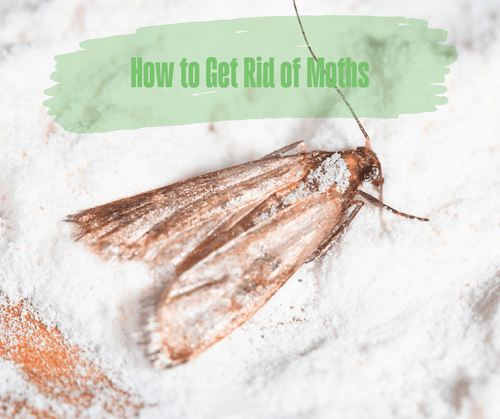
Credit: maggiesfarmproducts.com
Frequently Asked Questions
Why Do I Have Moths In My Kitchen?
Moths in your kitchen often come from infested food items like grains or cereals. They thrive in warm, humid environments. Check food packaging for holes and store items in airtight containers. Regular cleaning and inspection can prevent moth infestations. Use natural repellents like bay leaves or vinegar to deter moths.
How Do I Get Rid Of A Moth Infestation In My Kitchen?
Clean your kitchen thoroughly to remove food sources. Seal all food in airtight containers. Dispose of infested items. Use natural repellents like bay leaves or cedar. Regularly check for signs of moths and maintain cleanliness.
What Smells Do Moths Hate?
Moths hate the smell of lavender, cedar, peppermint, and cloves. These scents can deter them effectively. Use essential oils or sachets to keep moths away naturally. Regularly refresh these scents for the best results in repelling moths from your home.
Why Is It So Hard To Get Rid Of Pantry Moths?
Pantry moths lay numerous eggs hidden in food packages, making them hard to eliminate. Their larvae contaminate food, and adults can quickly reproduce. Proper cleaning and sealing food items are crucial to prevent reinfestation. Regularly inspecting and discarding infested items helps control their spread.
Conclusion
Taking control of kitchen moths is simpler than it seems. Regular cleaning helps prevent infestations. Store food in airtight containers for added protection. Check pantry items often to catch issues early. Consider natural repellents like bay leaves or essential oils.
These small steps make a big difference. A moth-free kitchen ensures food stays safe and fresh. Stay vigilant, and enjoy a pest-free space. Remember, consistency is key in keeping moths away. Keep your kitchen clean and organized for peace of mind.
Your efforts will pay off with a healthier home.

Similar Posts