How to Organize a Kitchen: Expert Tips Unveiled
Executive Chef & Lead Commercial Kitchen Specialist at Daily Kitchup Test Lab
Your kitchen is the heart of your home, a place where you gather with loved ones, prepare meals, and create memories. But when clutter takes over, it can quickly turn into a source of stress rather than a sanctuary.
Imagine walking into your kitchen and finding everything you need at your fingertips, effortlessly. How does that sound? Organizing your kitchen doesn’t just make it look great; it can also save you time, reduce stress, and even inspire healthier eating habits.
In this guide, we’ll show you simple steps to transform your kitchen into a well-organized space. Ready to take control and make your kitchen work for you? Let’s get started!
Kitchen Layout Optimization
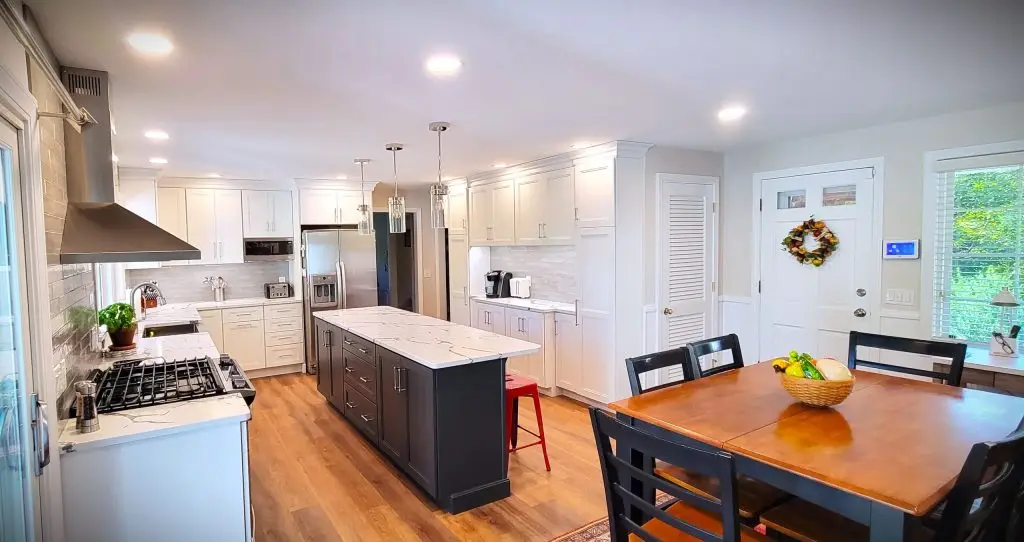
Optimizing your kitchen layout isn’t just about aesthetics—it’s about creating a space that enhances functionality and efficiency. Imagine stepping into your kitchen, and everything you need is within arm’s reach. Whether you’re a seasoned chef or someone who just loves cooking, an organized kitchen can make meal preparation a joy rather than a chore.
Assessing Your Space
Start by evaluating the current setup of your kitchen. Look at the size and shape of the room. Is it a spacious area or more of a cozy nook?
Consider the placement of your appliances and cabinets. Are they conveniently located, or do you find yourself walking back and forth excessively?
Identify any bottlenecks or clutter. Think about how you move around while cooking. Do obstacles slow you down?
Choosing Functional Zones
Divide your kitchen into distinct zones. Each zone should cater to a specific task such as prep, cooking, and cleaning.
Place prep tools like knives and cutting boards near the sink. This minimizes the distance between washing and chopping.
Set up the cooking zone around the stove. Keep pots, pans, and spices within easy reach to streamline the cooking process.
Designate a cleaning zone with your dishwasher and trash can close to the sink. This makes post-meal tidying up a breeze.
Reflect on your cooking habits. Do you often find yourself needing a particular item that’s stored far away? Adjust your zones accordingly.
By optimizing your kitchen layout, you create a space tailored to your needs. How will you transform your kitchen into a haven of efficiency?

Credit: www.realsimple.com
Decluttering Strategies
Organizing your kitchen can seem like a daunting task, but with effective decluttering strategies, you can transform it into a functional space that inspires creativity and efficiency. Whether your kitchen is small and cozy or spacious and modern, decluttering is key to making it work for you. Let’s dive into some practical ways to streamline your kitchen, ensuring every item has a purpose and a place.
Identifying Unnecessary Items
Start by taking stock of what you have. Open every cabinet, drawer, and pantry door. You might be surprised by the number of duplicate utensils, expired spices, or gadgets you rarely use.
- Set aside anything you haven’t used in the past year.
- Consider items that serve the same purpose. Do you really need four spatulas?
Have you ever found a tool in your kitchen and wondered what it even does? If you can’t remember its purpose, it’s probably time to let it go.
Implementing A Minimalist Approach
Embrace simplicity by adopting a minimalist approach. Keep only the items you truly love and use regularly. Ask yourself: does this item make my life easier or better?
Think about how often you cook certain meals. Do you need specialized equipment for rare occasions, or can multi-purpose tools do the trick?
Consider donating items you no longer need. Someone else might find them useful, and you’ll gain valuable space.
Using fewer items often leads to more creativity in the kitchen. When you have less clutter, you can focus more on the cooking process itself rather than digging through drawers.
How much easier would meal prep be if everything you needed was at arm’s reach? Implementing these strategies can lead to a more streamlined and enjoyable cooking experience.
Efficient Storage Solutions
Having an organized kitchen makes cooking more enjoyable. Efficient storage solutions can transform a cluttered kitchen into a functional space. These solutions allow you to maximize available space, keep items accessible, and maintain order. Explore methods to optimize every inch of your kitchen.
Utilizing Vertical Space
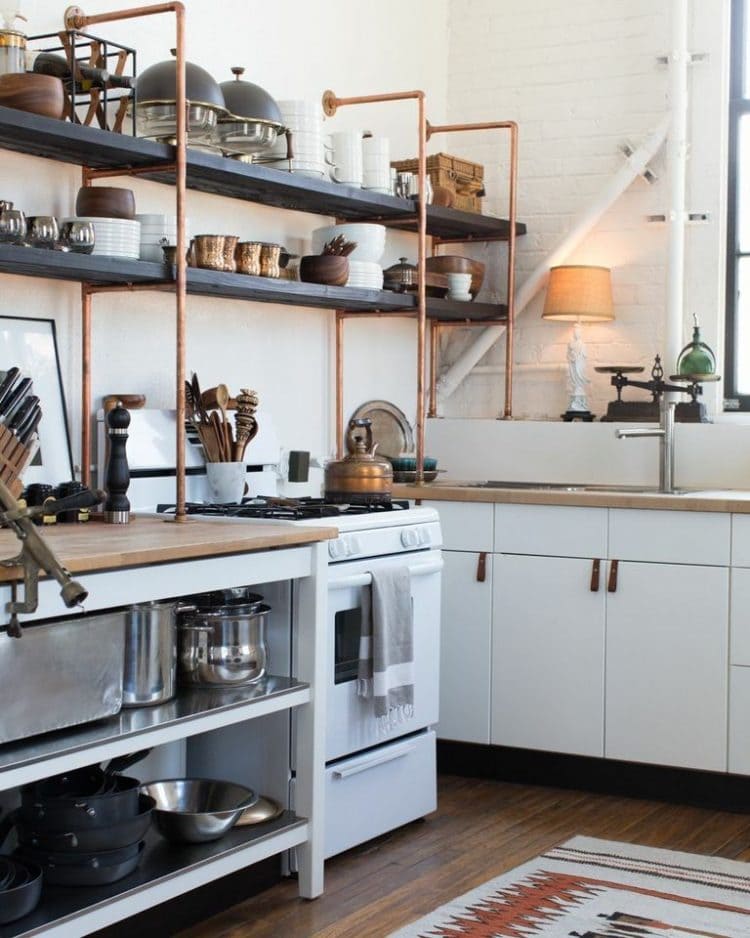
Vertical storage is perfect for small kitchens. It helps utilize wall space effectively. Install shelves above countertops to store dishes or ingredients. Use hooks to hang pots, pans, and utensils. Consider stacking containers and jars. This can free up valuable counter space. Magnetic strips can hold knives and other metal tools.
A pegboard wall can be a versatile storage option. It allows you to arrange items as needed. Adjustable shelves can accommodate varying heights. This flexibility makes it easier to store different items. Tall cabinets are ideal for storing rarely used items. This keeps them out of the way but still accessible.
Incorporating Drawer Dividers
Drawer dividers help keep items organized. They prevent clutter by separating utensils and gadgets. Dividers come in various sizes and materials. This allows customization according to drawer content. Use them to sort cutlery, spices, or baking tools.
Adjustable dividers can be repositioned as needed. This feature is useful when storage needs change. Clear dividers make it easy to see stored items. They prevent time wasted searching through cluttered drawers. Consider using dividers with labels for quick access. This helps in maintaining organization over time.
Smart Pantry Organization
Smart pantry organization transforms your kitchen into a well-arranged space. Use clear containers for easy visibility. Group similar items together for quick access.
Organizing your pantry is not just about making it look neat, but about creating a functional space that works for you. A well-organized pantry can save you time, reduce food waste, and make meal prep more enjoyable. Let’s dive into some smart pantry organization strategies to transform your kitchen.Categorizing Food Items
Start by grouping similar items together. It makes it easier to find what you need and helps prevent buying duplicates. Think about how grocery stores organize products—canned goods in one area, snacks in another. Consider creating categories like baking supplies, breakfast items, and snacks. Use clear bins or baskets to keep items contained and visible. This method not only looks tidy but also simplifies your shopping list creation.Labeling And Rotation Techniques
Labels are your pantry’s best friend. They help everyone in the household know where things belong. Use a label maker or simple sticky notes to mark your bins and shelves. Implement a first-in, first-out system by placing newer items at the back and older items at the front. This technique minimizes waste and ensures you use items before they expire. Think about how often you overlook a can of beans tucked away at the back. Regularly rotating items will keep your pantry fresh and functional. Are you ready to make your pantry work for you? Start organizing today!Maximizing Counter Space
Organize kitchen essentials by using vertical storage solutions like wall racks and shelves. Stack pots and pans efficiently to free up space. Store lesser-used items in cabinets to keep countertops clear and clutter-free.
Maximizing counter space in the kitchen is crucial for smooth meal preparation. More space means less clutter and more room to work. A well-organized counter can make cooking less stressful and more enjoyable. It can even inspire you to try new recipes. Let’s dive into two essential strategies for keeping your counters clear and functional.Appliance Placement
Place frequently used appliances within easy reach. Consider tucking away lesser-used gadgets in cabinets. This clears valuable counter space. A coffee maker and toaster might deserve a spot on the counter. But a blender or food processor can stay stored until needed. Use corner spaces for appliances. This keeps the main area open and free. Wall-mounted shelves can also hold small appliances. This keeps surfaces open for prep work.Clear Surface Maintenance
Keep counters free from unnecessary items. Only leave out essentials you use daily. After cooking, wipe down surfaces to keep them clean. Regularly declutter to remove items that don’t belong. Store utensils and tools in drawers or holders. This prevents them from taking up counter space. Use hooks or racks for hanging items. This clears up more room on the counters. A clear counter makes cooking and cleaning easier. It also creates a more inviting kitchen environment.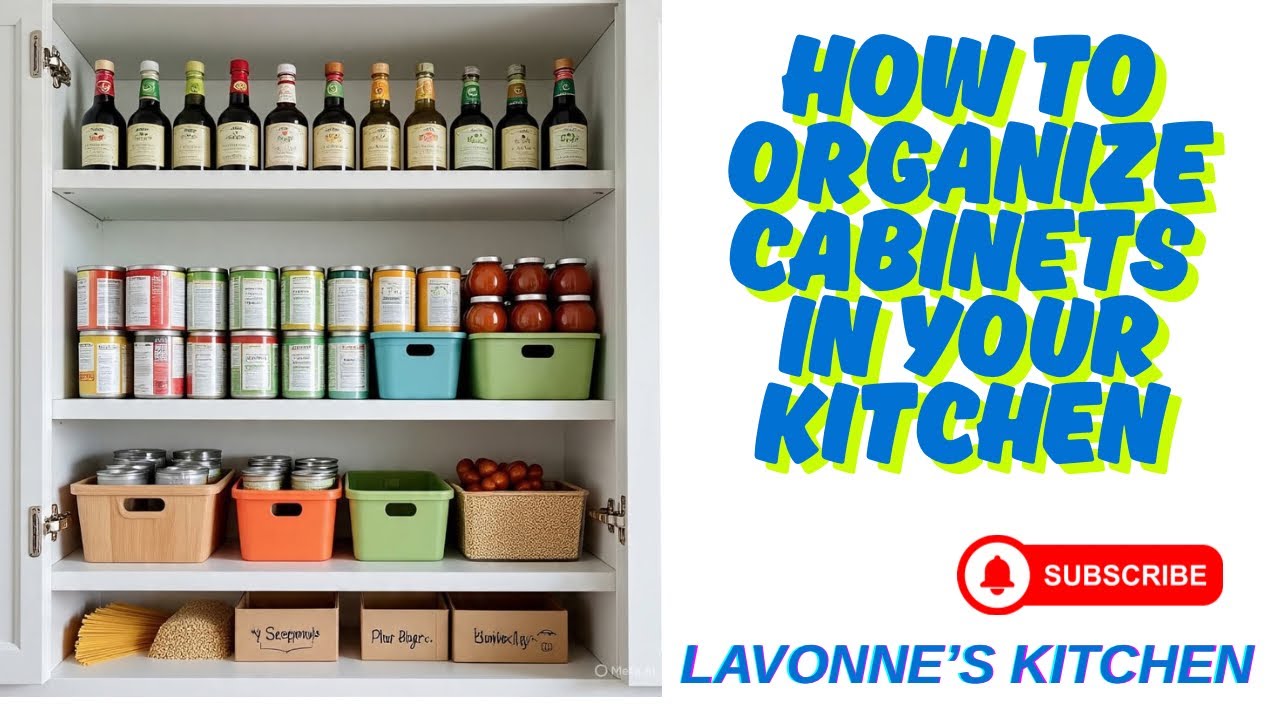
Credit: www.youtube.com
Eco-friendly Kitchen Practices
Organize your kitchen with eco-friendly practices by choosing reusable containers and reducing plastic waste. Arrange shelves efficiently to minimize clutter and maximize space.
Eco-Friendly Kitchen Practices Creating an eco-friendly kitchen can be a rewarding endeavor. It contributes to a healthier planet and can save you money. Simple changes can make a big difference. Focus on reducing waste and choosing sustainable products. These practices can transform your kitchen into a green haven.Reducing Food Waste
Food waste is a major issue. It harms the environment and wastes resources. Start by planning meals carefully. Use a shopping list to avoid buying unnecessary items. Store food properly to extend its life. Composting is an excellent way to recycle food scraps. It enriches your garden soil, completing the cycle. Another tip is to use leftovers creatively. Make soup or stir-fry to minimize waste.Sustainable Product Choices
Choosing sustainable products is key to an eco-friendly kitchen. Look for items made from recycled materials. Bamboo and stainless steel are great choices. They are durable and environmentally friendly. Opt for reusable cloths instead of paper towels. This reduces landfill waste significantly. Consider energy-efficient appliances. They consume less power and reduce your carbon footprint. Glass containers are perfect for food storage. They last longer and are free from harmful chemicals.Maintaining An Organized Kitchen
Organizing a kitchen begins with decluttering countertops and cabinets. Group similar items together for easy access. Use labeled containers and shelves to maximize space and keep essentials within reach.
Maintaining an organized kitchen is not just about arranging items neatly; it’s about creating a space that promotes efficiency and joy in cooking. An orderly kitchen saves you time, reduces stress, and can even inspire creativity with your meals. But how do you keep it consistently tidy?Regular Cleaning Routines
Develop a habit of daily cleaning to keep your kitchen fresh and inviting. Wipe down countertops, sweep the floor, and take out the trash every day. Schedule a more thorough cleaning weekly, focusing on areas like the stove, fridge, and sink. This not only maintains hygiene but also keeps clutter at bay. Consider setting alarms or reminders to prompt you, especially if you struggle with consistency. It’s amazing how a 10-minute daily cleanup can transform your kitchen space.Seasonal Reassessment
Every few months, take the time to reassess your kitchen organization. Open every cabinet and drawer to evaluate their contents. Ask yourself if you’ve used each item in the past season. If not, it might be time to donate, sell, or store it elsewhere. Reorganize your pantry and fridge based on seasonal ingredients. This not only maximizes space but also keeps your cooking aligned with fresh, seasonal produce. Reflect on your kitchen layout and workflow. Does it still serve your needs, or have your cooking habits changed? Adjusting the setup might enhance your culinary experience. A seasonal check-in helps you stay connected to your space, ensuring it evolves with your lifestyle.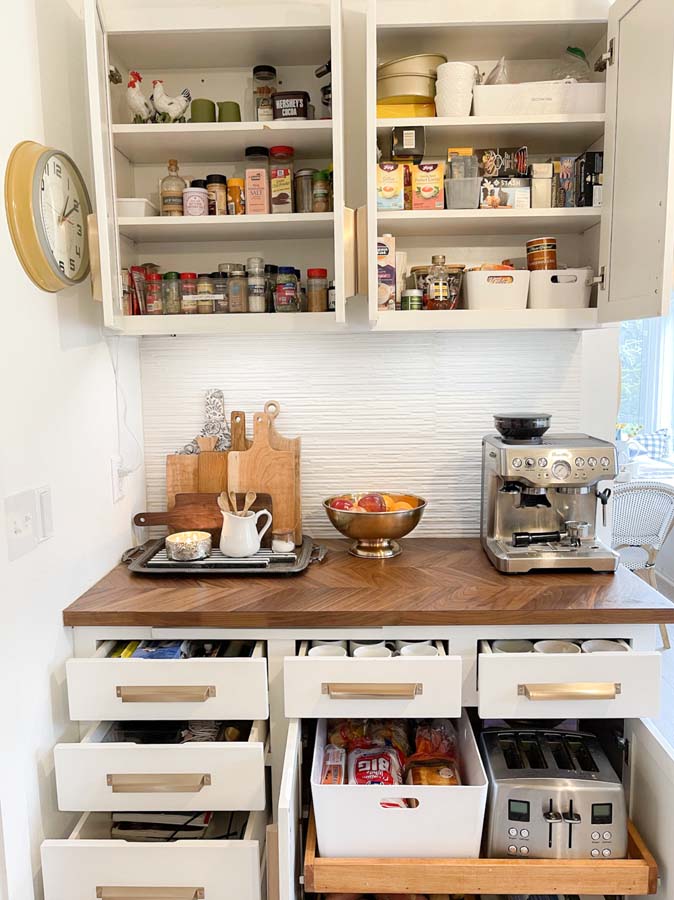
Credit: www.hallstromhome.com
Frequently Asked Questions
How Do I Decide Where To Put Things In My Kitchen?
Organize kitchen items by frequency of use. Place frequently used tools near cooking areas. Store less-used items in higher cabinets. Group similar items together for easy access. Keep countertops clear to maximize workspace. Prioritize functionality and convenience.
What Is The Proper Way To Arrange A Kitchen?
Arrange a kitchen by organizing items into zones: prep, cooking, cleaning, storage, and food. Keep frequently used items within easy reach. Store similar items together. Maintain clear countertops for efficiency. Use vertical space with shelves or hooks. Ensure ample lighting for safety and functionality.
What Is The Best Way To Layout A Kitchen?
The best kitchen layout enhances workflow and maximizes space. Consider the triangle design connecting stove, sink, and fridge. Opt for ample storage, efficient lighting, and accessible workspaces. Choose durable materials and prioritize safety features. Customize based on your needs, ensuring functionality and style blend seamlessly.
Where To Put Plates And Cups In The Kitchen?
Store plates in cabinets close to the dishwasher or sink for easy access. Place cups on lower shelves within reach. Keep frequently used items at eye level to enhance convenience. Organize by type and size to maximize space and maintain order.
Ensure everything is easy to reach and neatly arranged.
Conclusion
A tidy kitchen makes cooking a joy. Every item has its place. Use labeled bins for easy access. Store frequently used items within reach. Keep countertops clear for food prep. Regularly declutter to maintain order. Choose smart storage solutions. Use vertical space for more room.
Hang pots and pans for easy grab. Clean as you cook to save time later. These simple steps make kitchen life smoother. An organized kitchen boosts efficiency. Cooking becomes less stressful. Enjoy a clean, organized space. It’s easier than you think.
Give it a try today!

Similar Posts