How to Store Cutting Boards in Kitchen: Expert Tips
Imagine this: You’re in the middle of preparing a delicious meal, your hands are busy, and suddenly, you’re stuck searching for a cutting board buried under a pile of kitchen chaos. Frustrating, right?
Keeping your kitchen organized, especially when it comes to essential tools like cutting boards, can save you time and stress. But how do you store them so that they’re always within reach, easy to find, and in good condition? This article is crafted just for you, to help transform your kitchen into a more efficient and pleasant space.
Discover simple, practical solutions that fit your lifestyle and cooking habits. By the end, you’ll know exactly how to store your cutting boards in a way that makes your kitchen work for you, not the other way around. Don’t let disorder reign in your cooking space—read on to find the key to a more organized kitchen and a smoother cooking experience.
Choosing The Right Spot
Finding the perfect spot for cutting boards ensures easy access and keeps your kitchen tidy. Store them upright in a cabinet or on a counter stand to save space. Keep them away from heat and moisture to maintain their quality.
Choosing the right spot to store your cutting boards in the kitchen is crucial for maintaining both efficiency and hygiene. Imagine reaching for your favorite cutting board without fumbling through a stack of mismatched sizes. By selecting an optimal location, you ensure that your cooking process is smooth and organized. Plus, a proper storage spot helps prolong the life of your cutting boards, keeping them safe from unnecessary wear and tear.Assess Your Kitchen Space
Start by evaluating the available space in your kitchen. Do you have a small nook or a spacious counter area? Understanding your kitchen layout will help you determine where your cutting boards can fit seamlessly. You might find that a vertical slot near the sink is perfect, or perhaps a drawer is more suitable.Consider Frequency Of Use
Think about how often you use your cutting boards. If you reach for them daily, placing them in an easily accessible spot is essential. Storing them in a spot that’s out of the way can lead to frustration and disrupt your cooking flow. Keep them within arm’s reach to streamline your meal prep.Account For Board Size And Shape
Cutting boards come in various sizes and shapes, and it’s important to store them accordingly. A small board can easily get lost in a large space, while a large board can be cumbersome in a tiny spot. Make sure each board has its place, whether stacked, slotted, or upright.Prioritize Air Circulation
Ensure your cutting boards have proper air circulation to prevent moisture buildup. Avoid storing them in tightly packed areas where air cannot flow freely. This will help keep them dry and reduce the risk of bacteria growth.Utilize Wall Space
Consider using wall-mounted racks or hooks to store your cutting boards. This not only saves counter space but also keeps your boards visible and within easy reach. Wall storage can be an efficient solution, especially in smaller kitchens where every inch counts.Balance Aesthetics And Functionality
While functionality is key, don’t forget about the aesthetics of your kitchen. Choose a storage spot that complements the overall design and keeps your space looking tidy. A visually pleasing kitchen can make cooking more enjoyable and inspire creativity.Wall-mounted Solutions
Wall-mounted solutions are perfect for organizing cutting boards in your kitchen. They save counter space and keep your boards easily accessible. Plus, they add a touch of style to your kitchen decor. Discover various ways to mount cutting boards on your kitchen walls.
Hooks And Racks
Hooks and racks are simple and effective for hanging cutting boards. Install them on walls for easy access. Choose sturdy hooks that can hold the weight of your boards. Racks can hold multiple boards, keeping them organized. Consider spacing them evenly for a neat appearance. Metal racks offer durability and a sleek look.
Magnetic Strips
Magnetic strips are modern and convenient for storing cutting boards. They hold metal boards securely. If your boards aren’t metal, attach small metal plates to them. This allows the magnets to grip effectively. Magnetic strips keep boards flat against the wall. They are a space-saving solution that blends well with modern kitchens.
Drawer Storage Techniques
Optimize drawer space by storing cutting boards vertically. Use adjustable dividers to keep them organized and easily accessible.
Storing cutting boards efficiently in your kitchen can make a significant difference in your cooking experience. Drawer storage techniques offer a practical and neat way to keep your boards easily accessible yet out of sight. By optimizing your drawer space, you not only maintain a tidy kitchen but also enhance your workflow during meal prep.Vertical Dividers
Imagine opening your drawer to find your cutting boards neatly aligned, each one standing upright and ready to be used. Vertical dividers can transform a deep drawer into a custom storage space for your cutting boards. These dividers can be easily installed by adding thin panels or adjustable racks within the drawer. This setup prevents boards from sliding around, reducing the risk of damage. It also allows you to quickly grab the size you need without rummaging through a messy pile.Slide-out Trays
Slide-out trays are another ingenious way to store cutting boards within drawers. Think of them as pull-out shelves specifically designed for your kitchen essentials. These trays maximize space by allowing you to stack boards horizontally while still maintaining easy access. Installing slide-out trays in your kitchen drawers can be a weekend DIY project or a task for a handyman. They offer the added benefit of utilizing the full depth of your drawer, which is perfect for those who have a large collection of cutting boards. Plus, the smooth sliding mechanism ensures that even the heaviest boards are easy to reach. Consider how these simple adjustments can streamline your cooking process. Wouldn’t it be delightful to never again struggle to find the right cutting board amidst a cluttered kitchen drawer?
Credit: www.amazon.com.au
Using Countertop Stands
Using countertop stands keeps cutting boards organized and accessible. It saves space and enhances kitchen aesthetics.
Storing cutting boards efficiently enhances kitchen functionality and aesthetics. Countertop stands offer a practical and stylish solution. These stands keep cutting boards within easy reach. They also add charm to your kitchen decor. Countertop stands come in various materials and designs. Choose one that matches your kitchen style. These stands save space and prevent clutter. They also protect cutting boards from damage. By using a stand, boards dry properly, reducing bacteria growth.Choose The Right Material
Select stands made from durable materials. Wood, metal, and plastic are common options. Wooden stands add warmth. Metal stands offer a sleek look. Consider your kitchen’s overall design.Assess Your Space
Measure your countertop space before buying a stand. Ensure the stand fits without overcrowding. This ensures a neat, organized kitchen.Consider Board Size And Shape
Choose a stand that accommodates your cutting board sizes. Some boards are round, others are rectangular. Ensure the stand holds them securely.Look For Multi-slot Stands
Multi-slot stands store several boards. This is useful for kitchens with limited space. They keep boards organized and easy to access.Maintain Accessibility
Place the stand in a convenient location. Ensure it’s near your food prep area. This saves time during cooking.Enhance Kitchen Aesthetics
Choose a stand that complements your kitchen decor. It can become a decorative piece. This adds visual interest to your countertop.Consider Portability
Select a stand that is easy to move. This allows flexibility in your kitchen layout. You can rearrange as needed.Ensure Stability
Check that the stand is stable. It should not tip over easily. This protects your cutting boards from damage.In-cabinet Storage Ideas
Keeping your kitchen organized can be a delightful challenge, especially when it comes to storing those essential yet often bulky cutting boards. In-cabinet storage offers a smart solution to maintain order without sacrificing accessibility. Imagine opening your cabinet and effortlessly reaching for the perfect cutting board. Let’s dive into some creative in-cabinet storage ideas that can transform your kitchen space.
Pull-out Shelves
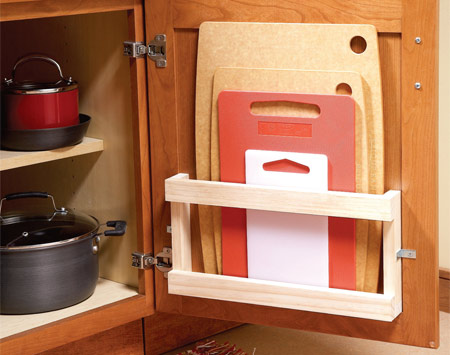
Pull-out shelves are a fantastic addition to your kitchen cabinets. They allow easy access to cutting boards without the hassle of rearranging other items. You can install them in lower cabinets for quick reach or higher cabinets to save floor space.
- Consider a sliding mechanism that smoothly brings the shelf forward when needed.
- Ensure the shelf is sturdy enough to hold multiple boards of varying sizes.
- Think about adding dividers to keep each board in its place.
Have you ever struggled to find the right board amidst a chaotic stack? Pull-out shelves could be your answer.
Adjustable Organizers
Adjustable organizers provide flexibility and customization. They allow you to tweak the storage space according to your board collection, which might vary in size and shape.
- Look for organizers with movable dividers to fit different board dimensions.
- Ensure they are easy to adjust, allowing you to change configurations effortlessly.
- Choose materials that won’t scratch or damage your cutting boards.
Imagine the ease of adjusting your cabinet space as your kitchen needs evolve. Would this make your cooking experience more enjoyable?
Creative Diy Options
Creative DIY options for storing cutting boards can add a unique flair to your kitchen while maximizing space. Whether you’re repurposing materials or crafting custom built-ins, there’s a solution for every style and budget. Let’s dive into some inventive ways to keep your cutting boards accessible and tidy.
Repurposing Materials
Why not give new life to items you already have? Transform an old magazine rack into a chic cutting board holder. Its narrow slots are perfect for holding boards upright, saving valuable counter space.
If you have leftover wood from previous projects, consider crafting a simple wall-mounted holder. Just a few pieces of wood and some nails can create an elegant storage solution that showcases your cutting boards like art.
Think outside the box—an old crate can be flipped on its side and mounted to the wall. This rustic option adds character and keeps your boards within arm’s reach.
Custom Built-ins
Imagine a kitchen where everything has its place, including your cutting boards. Custom built-ins can make this dream a reality. Consider adding a slim drawer under your countertops specifically designed for cutting board storage.
Incorporating vertical slots into existing cabinetry can also be a game-changer. This approach keeps your boards organized and easily accessible, allowing you to grab the right one with ease.
Have you thought about a pull-out shelf? These can be tailored to fit your space and preferences, offering a seamless way to store multiple boards without clutter.
What creative ideas have you come across for storing cutting boards? With a bit of imagination, your kitchen can be both functional and stylish, showcasing your personality through practical design choices.
Maintaining Cleanliness
Store cutting boards upright to prevent moisture accumulation and bacterial growth. Use a rack or holder for better airflow. Keep them away from heat sources to maintain their durability and cleanliness.
Maintaining cleanliness in your kitchen is essential, especially for items like cutting boards. Proper storage not only extends their lifespan but also keeps your kitchen safe and hygienic. A clean cutting board prevents cross-contamination and maintains the quality of your food. Let’s explore effective ways to keep your cutting boards clean and free from harmful bacteria.Regular Cleaning
Clean your cutting boards after every use. Use hot, soapy water to wash them thoroughly. Scrub the surface with a brush or sponge. Rinse well and dry immediately with a clean towel. Consider using a mixture of vinegar and water for extra sanitation. This natural solution helps remove stubborn bacteria.Avoiding Moisture
Moisture is the enemy of cutting boards. It can lead to warping and mold. Always dry cutting boards immediately after washing. Store them upright to allow air circulation. This helps them dry completely. Avoid stacking them flat when still wet. Ensure the storage area is dry and well-ventilated. This reduces the risk of moisture buildup. Use a rack or stand to keep them upright and separate. This simple step keeps your cutting boards in top condition.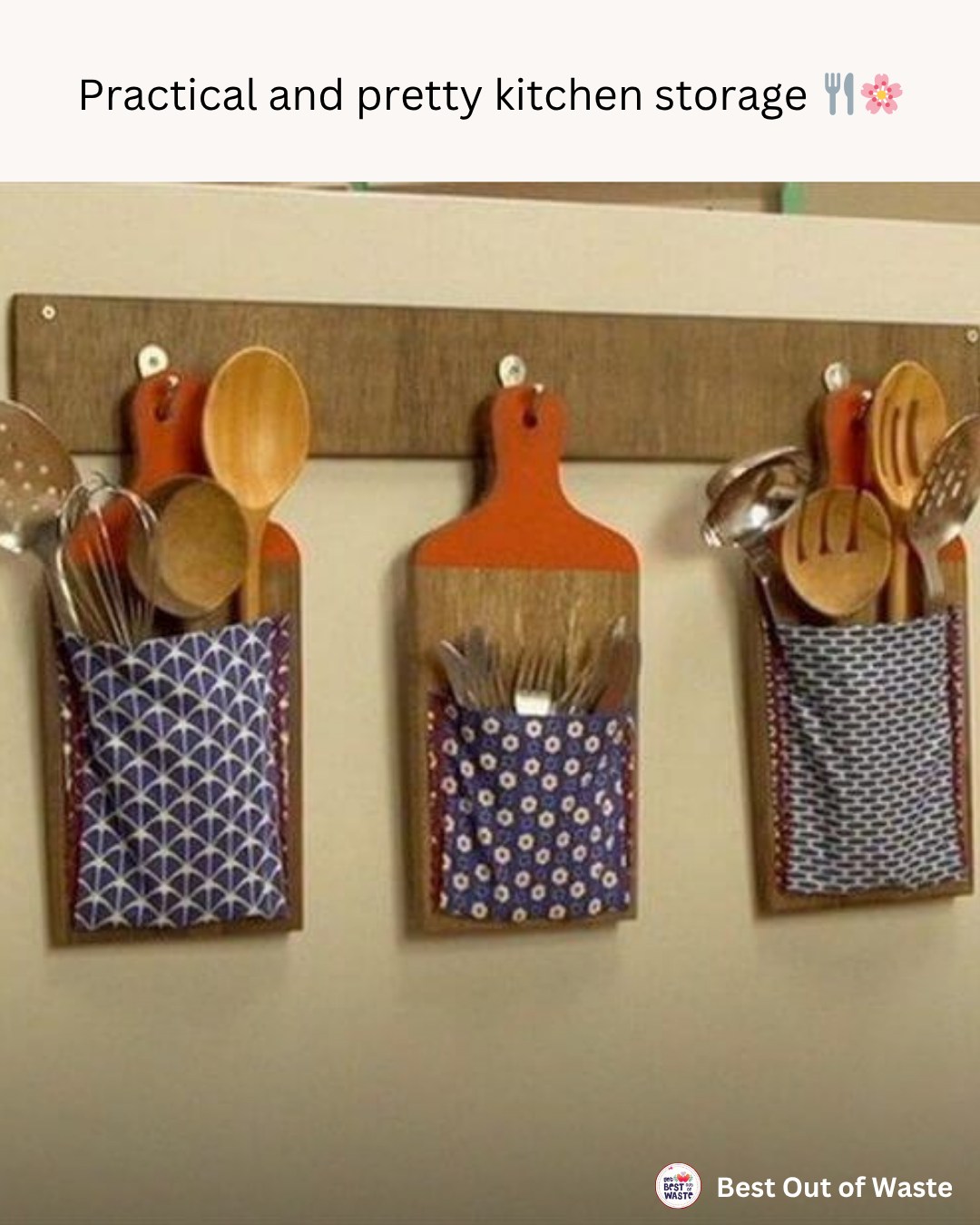
Credit: www.facebook.com
Maximizing Space Efficiency
Organizing cutting boards effectively saves valuable kitchen space. Utilize vertical storage racks inside cabinets for easy access. Consider wall-mounted hooks to keep cutting boards within reach yet out of the way.
Maximizing kitchen space is crucial for a neat and organized cooking area. Cutting boards often take up valuable space, but there are efficient ways to store them. Focus on stacking techniques and versatile holders to make the most of your kitchen.Stacking Methods
Stacking cutting boards can save significant space. Use boards of similar size for uniformity. Arrange them vertically to reduce clutter. Ensure easy access by placing the most used board at the top. Consider using a designated shelf or cabinet. This keeps them upright and minimizes surface area usage. Alternatively, use a pegboard with hooks to hang boards. This technique frees counter space and creates a visually appealing display.Multi-purpose Holders
Multi-purpose holders are ideal for storing cutting boards efficiently. Choose holders that fit multiple boards and other kitchen tools. Opt for wall-mounted racks to utilize vertical space. This keeps boards visible and accessible. Consider a holder with adjustable slots. It accommodates different board sizes and shapes. This flexibility is perfect for kitchens with limited space. Some holders even include compartments for knives or other utensils. This dual function maximizes storage and organization.
Credit: www.instagram.com
Frequently Asked Questions
Where To Store Cutting Board In The Kitchen?
Store the cutting board in a dry, accessible spot like a cabinet or on the counter. Keep it upright to save space. Ensure it’s away from moisture and heat sources to prevent damage. Prioritize easy access for daily use. Organize with similar kitchen tools for efficiency.
Should Cutting Boards Be Stored Vertically?
Yes, storing cutting boards vertically is recommended. It promotes airflow, preventing moisture buildup and bacteria growth. This method also saves kitchen space and keeps boards easily accessible. Ensure they are thoroughly dry before storing to maintain hygiene and longevity.
How To Keep A Chopping Board In The Kitchen?
Store the chopping board upright in a dry area. Clean after every use to prevent bacteria. Use separate boards for different foods. Apply mineral oil monthly to keep it conditioned. Avoid dishwashers to maintain the board’s quality.
How To Store Large Chopping Boards?
Store large chopping boards vertically in a rack or against a wall. Use hooks or pegs for easy access. Ensure proper ventilation to prevent moisture buildup. Consider storing in a cupboard if space allows. Regular cleaning helps maintain hygiene and longevity.
Conclusion
Storing cutting boards can save space and keep your kitchen tidy. Use wall hooks or a rack for easy access. Stack boards vertically in a cabinet to save room. Ensure they are dry to prevent mold. Consider a drawer for a clutter-free look.
These methods make your kitchen more organized. They also help prolong the life of your boards. Storing them right protects them from damage. Try these tips for a neat kitchen and longer-lasting boards. Enjoy a more efficient cooking space. Keep things simple and clean.
Happy organizing!