
What was Jackson’S Kitchen Cabinet: Unveiling Political Secrets
Are you curious about the intriguing history behind the term “Jackson’s Kitchen Cabinet”? Imagine a group of informal advisors influencing the decisions of one of the most powerful figures in American history.
This isn’t a tale from a political drama; it’s a real story from the era of President Andrew Jackson. These unofficial advisors met in the comfort of his kitchen, away from the formality and scrutiny of the official cabinet meetings.
If you’ve ever wondered how a small circle of trusted confidants could shape the course of a nation, you’re in the right place. Dive deeper to uncover the fascinating dynamics and hidden influences of Jackson’s inner circle that changed the course of American politics. Keep reading to discover how this unconventional advisory group left its mark on history and what it tells us about power and influence.
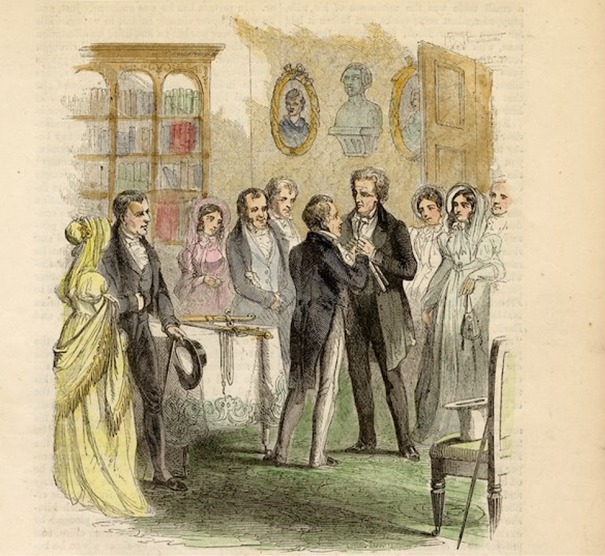
Credit: www.facebook.com
Origins Of The Kitchen Cabinet
Jackson’s Kitchen Cabinet was an informal group of trusted advisors. It formed during Andrew Jackson’s presidency. These advisors were not official cabinet members, but they held significant influence in decision-making.
The origins of Jackson’s Kitchen Cabinet reveal an intriguing aspect of U.S. political history. During Andrew Jackson’s presidency, he faced skepticism from many traditional politicians. He sought advice from a group of trusted friends and informal advisors. This circle became known as the Kitchen Cabinet. They played a crucial role in shaping his decisions outside of the official government channels.Understanding Jackson’s Presidency
Andrew Jackson took office in 1829. His leadership style was unique. He distrusted the established political elite. Jackson believed they were disconnected from the common people. He often bypassed formal processes. He preferred direct advice from close allies.Formation Of The Kitchen Cabinet
The Kitchen Cabinet was formed from Jackson’s confidants. They were not official cabinet members. Yet, they influenced major policies. These advisors met in informal settings. Often, discussions happened in kitchens or parlors.Key Figures In The Kitchen Cabinet
Several individuals were part of this informal group. They included newspaper editors and longtime friends. Amos Kendall and Francis Preston Blair were notable members. Their perspectives were valuable to Jackson.Impact On Political Decisions
The Kitchen Cabinet significantly influenced Jackson’s decisions. They advised on matters like banking and tariffs. Their input shaped his populist approach. This group helped Jackson connect with the public.Controversy And Criticism
The Kitchen Cabinet faced criticism from political opponents. They argued it undermined formal government structures. Critics saw it as too secretive. Nonetheless, Jackson valued their guidance. Their advice was pivotal during his presidency.Key Members And Influencers
Understanding the key members and influencers of Andrew Jackson’s Kitchen Cabinet provides a fascinating glimpse into the informal group that played a pivotal role in shaping the policies of his administration. Unlike the official Cabinet, these advisors were trusted confidants who wielded significant influence. Their insights often guided Jackson’s decisions, reflecting a blend of political acumen and personal loyalty.
Notable Figures In The Inner Circle
Among the prominent figures was Martin Van Buren, who, although part of the official Cabinet, also acted as a critical unofficial advisor. His diplomatic skills and political strategies were invaluable to Jackson. Another key member was Amos Kendall, a journalist whose persuasive communication skills helped shape public opinion in favor of Jackson’s policies.
Francis Preston Blair, a journalist and editor of the Washington Globe, was another influential member. He used his publication to support Jackson’s political agenda, ensuring the President’s messages reached a broad audience. Roger B. Taney, who later became the Chief Justice of the Supreme Court, also offered legal advice that was crucial to the administration.
Roles And Contributions
Martin Van Buren’s contributions extended beyond mere advice; he was instrumental in solidifying the Democratic Party’s foundation. His knack for political organization helped establish a robust support system for Jackson.
Amos Kendall’s role was pivotal in managing Jackson’s image. His writing and editorial skills were crucial in crafting speeches and public statements that resonated with the public. This ensured that Jackson’s policies were communicated effectively.
The influence of Francis Preston Blair cannot be overstated. By controlling the narrative through the Washington Globe, he ensured that Jackson’s viewpoints were presented favorably, thus swaying public opinion.
Roger B. Taney’s legal expertise provided Jackson with a sound understanding of constitutional matters, aiding in judicial and legislative decisions. His advice helped Jackson navigate complex legal challenges during his presidency.
As you reflect on these individuals, consider the impact of trusted advisors in today’s political landscape. How do these informal networks shape the decisions of leaders now? Your insights on this could offer a fresh perspective on the dynamics of power and influence.
Impact On Andrew Jackson’s Presidency
Jackson’s Kitchen Cabinet greatly influenced his presidency. This informal group of advisors had significant power. Their impact was visible in various aspects of his administration. Jackson often bypassed his official cabinet. He preferred advice from his trusted Kitchen Cabinet. This approach shaped key policy decisions and affected public perception.
Policy Decisions
Jackson’s Kitchen Cabinet played a role in shaping policy. The group included journalists and friends. They provided insights that influenced Jackson’s decisions. Their guidance impacted issues like banking and tariffs. These advisors supported Jackson’s veto of the national bank. This decision was controversial but aligned with his beliefs.
Public Perception And Criticism
The Kitchen Cabinet drew public criticism. Many saw it as secretive and undemocratic. Critics argued it bypassed official channels. The public felt uneasy about its influence. Political opponents used it against Jackson. They claimed it undermined transparency and accountability. Despite criticism, Jackson valued his Kitchen Cabinet’s counsel.

Credit: www.facebook.com
Controversies And Criticisms
Andrew Jackson’s Kitchen Cabinet stirred many controversies and criticisms. This informal group of advisors operated outside traditional government channels. The concept challenged established norms, leading to varied reactions from different circles. Many viewed it as a departure from transparency and accountability.
Opposition From Traditional Cabinet
Jackson’s official cabinet felt sidelined and undermined. They believed decisions bypassed their expertise and responsibilities. This caused tension within the government. Many traditional cabinet members voiced their discontent. They argued that the Kitchen Cabinet lacked authority and legitimacy.
Media And Public Backlash
The media criticized Jackson’s reliance on unofficial advisors. Newspapers questioned the transparency of his administration. They published articles highlighting potential abuses of power. Public opinion was divided on Jackson’s approach. Many citizens feared unchecked influence by unelected individuals.
Legacy And Influence On Future Administrations
Jackson’s Kitchen Cabinet was an informal group of advisors. It influenced future administrations by showing the power of unofficial counsel. This approach shaped decision-making, impacting presidential advisory structures in years to come.
Jackson’s Kitchen Cabinet was a group of informal advisors who played a crucial role in shaping the presidency of Andrew Jackson. This unconventional advisory group left a lasting legacy, influencing how future administrations approached political advice and decision-making. The Kitchen Cabinet’s impact went beyond Jackson’s presidency, setting a precedent for informal influence in the political realm. Let’s delve into its long-term implications and how it compares to modern political advisors.Long-term Political Implications
The Kitchen Cabinet changed how presidents received counsel. It showed the power of trusted confidants. These advisors had no official titles but held significant sway. Future presidents saw the benefits of having trusted, informal advisors. It created a blueprint for blending official advice with personal insights. This approach encouraged presidents to look beyond formal channels. It highlighted the value of diverse perspectives.Comparison With Modern Political Advisors
Modern political advisors often follow the Kitchen Cabinet’s model. Presidents now have both official and unofficial advisors. This mix allows for varied viewpoints. Today, advisors include family, friends, and close allies. They offer personal insights along with professional guidance. While the structure has evolved, the core idea remains. Informal advice complements formal strategies, enhancing decision-making. This blend of advisors echoes Jackson’s innovative approach.
Credit: vivaciousvictorian.com
Frequently Asked Questions
What Did Jackson’s Kitchen Cabinet Do?
Jackson’s Kitchen Cabinet advised President Andrew Jackson informally. They influenced decisions outside official cabinet meetings. This group consisted of trusted friends and political supporters. They provided guidance on policy and administration, often bypassing the formal cabinet. Their influence shaped key aspects of Jackson’s presidency.
What Was Andrew Jackson’s Cabinet?
Andrew Jackson’s cabinet included key figures like Martin Van Buren, John Eaton, and Roger B. Taney. They served roles such as Secretary of State and Secretary of War. Jackson’s cabinet experienced turmoil, notably the “Petticoat affair,” which influenced political dynamics during his presidency.
What Were Jackson’s Unofficial Cabinets Called?
Jackson’s unofficial cabinets were called the “Kitchen Cabinet. ” This group included his trusted advisors and friends. They met informally to discuss policy and strategy. The Kitchen Cabinet played a significant role in shaping Jackson’s administration and decisions. These meetings bypassed the formalities of the official cabinet.
What Was The Nickname For Jackson’s Cabinet?
Jackson’s cabinet was nicknamed the “Kitchen Cabinet. ” This informal group of advisors influenced his presidency. They often met in the White House kitchen, hence the name. These advisors were trusted friends and political supporters, not official cabinet members. The term highlights the informal nature of their influence.
Conclusion
Jackson’s Kitchen Cabinet was an informal group of advisors. It included friends and supporters. This group held private meetings. They helped Jackson with important decisions. Many felt it bypassed official channels. Critics argued it lacked transparency. Despite this, it shaped policies.
It influenced Jackson’s presidency significantly. Understanding this group reveals insights. It shows how power and influence worked then. This helps explain political dynamics of that era. History tells us much. It teaches us about leadership styles. And the impact of personal networks.
Jackson’s Kitchen Cabinet remains a fascinating part of history. A unique glimpse into past politics.