How to Unclog a Kitchen Sink: Quick DIY Solutions
Is your kitchen sink refusing to drain? A clogged sink can be a real headache, especially when you’re in the middle of meal prep or cleaning up after dinner.
You might think it’s time to call in a professional plumber, but hold on! Before you reach for the phone, there are simple steps you can take to tackle this common problem yourself. Imagine the satisfaction of watching water flow smoothly down the drain again—all without spending a dime on professional help.
In this guide, you’ll discover easy and effective methods to unclog your kitchen sink. Ready to rescue your sink and save money? Let’s dive in!
Credit: www.familyhandyman.com
Common Causes Of Clogged Sinks
Clogged kitchen sinks can be a nuisance, disrupting daily chores. Understanding common causes helps prevent future blockages. Often, these issues stem from everyday kitchen activities. Here are some typical culprits:
Food Debris
Food scraps often end up in the sink. Small bits of vegetables or grains can accumulate over time. This can lead to blockages, especially in older plumbing. Even tiny particles can build up and restrict water flow.
Grease Buildup
Grease is a silent troublemaker. It might flow easily when hot, but cools and solidifies in pipes. This creates sticky layers inside, catching other debris. Grease from cooking oils or fatty foods can worsen the problem.
Foreign Objects
Sometimes, unexpected items find their way into the sink. Small utensils or packaging can accidentally drop in. They might not clog the drain immediately but can cause issues later. These objects can trap food particles and build up over time.
Essential Tools And Supplies
Plunger, drain snake, and baking soda are crucial for unclogging a kitchen sink. A wrench helps remove the trap for deeper cleaning. Vinegar and hot water can dissolve minor blockages effectively.
Unclogging a kitchen sink is a task many dread, but it can be easily managed with the right tools and supplies. Imagine the satisfaction of watching water flow smoothly down the drain after a successful unclogging mission. Let’s dive into the essential tools you’ll need to tackle this common household issue.Plunger
A plunger is the go-to tool for many clogged drains. Its simple design creates suction, which can dislodge minor blockages. Make sure to have a dedicated sink plunger, as it’s more effective than the larger toilet version.Drain Snake
A drain snake is a flexible tool that reaches deep into pipes. It’s perfect for stubborn clogs that a plunger can’t handle. The first time I used one, I was amazed at how much debris it pulled out. It’s like having a plumber’s skill in your hands.Baking Soda And Vinegar
This duo is a natural and effective way to clear minor clogs. Pour half a cup of baking soda down the drain, followed by half a cup of vinegar. The fizzing action helps break down gunk and grime. It’s a science experiment that can transform your plumbing.Boiling Water
Boiling water is a surprising ally in unclogging drains. It can dissolve soap scum and minor grease build-up. Simply pour a kettle of boiling water down the drain in stages, allowing it to work its magic. Do you have these tools on hand? If not, consider stocking up. They can save you time and a call to the plumber. With the right supplies, you’re equipped to handle most kitchen sink clogs like a pro.Using A Plunger Effectively
Using a plunger effectively can be a game changer when it comes to unclogging your kitchen sink. This simple tool can save you from the hassle of calling a plumber and spending unnecessary money. But have you ever wondered why sometimes plunging seems to work like magic, while other times it feels like you’re just splashing water around?
Proper Plunger Technique
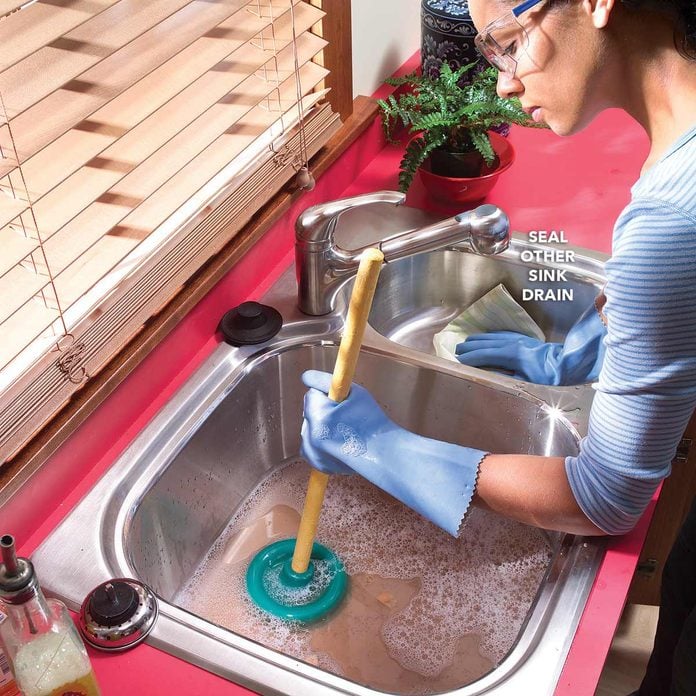
Getting the technique right is crucial for effective plunging. First, ensure you have a good seal over the drain. This means the plunger cup should completely cover the opening and create suction. If you’re using a plunger with a flange, make sure it’s positioned correctly for maximum seal.
Start with gentle plunges to create suction, then increase the force gradually. You might be tempted to go all out from the start, but slow and steady wins this race. Remember, it’s not about brute strength; it’s about rhythm and control. Do you feel the difference when you vary the speed and intensity?
When To Use A Plunger
Knowing when to reach for the plunger can save you time and effort. It’s most effective when the clog is near the drain, so if your sink is draining slowly or not at all, it might be time to give it a try. But if you notice water backing up in other areas, like the dishwasher or other sinks, the problem might be deeper in the plumbing system.
A plunger can be your first line of defense before resorting to chemical cleaners or calling for professional help. Ask yourself, is it worth trying a simple tool before taking more drastic measures? Often, the answer is yes.
Clearing The Sink With A Drain Snake
Clearing a kitchen sink with a drain snake is simple. Insert the snake into the drain, twist, and pull out debris. This tool helps remove clogs effectively, keeping your sink flowing smoothly.
Clearing a clogged kitchen sink with a drain snake is effective. This tool reaches deep into pipes, breaking up blockages. Unlike chemical cleaners, a drain snake is safe for your plumbing. It offers a direct way to tackle stubborn clogs.Inserting The Drain Snake
Before inserting, remove the sink stopper. This creates a clear path. Insert the drain snake into the drain slowly. Rotate the handle as you push it in. This helps it navigate bends in the pipe. Keep feeding the snake until you feel resistance. This indicates the snake has reached the clog.Removing The Clog
Once you hit the clog, rotate the snake. This action breaks up the blockage. Continue rotating and pushing gently. You may need to pull back slightly. This ensures the clog breaks apart. Once cleared, retract the snake slowly. Rinse the sink with hot water. This removes any remaining debris.Natural Solutions: Baking Soda And Vinegar
Unclogging a kitchen sink doesn’t always require harsh chemicals or expensive tools. In fact, you might already have the perfect solution sitting in your pantry. Baking soda and vinegar are a dynamic duo for tackling stubborn clogs naturally. These everyday items can work wonders when combined, helping clear your pipes without harming the environment or your wallet.
Mixing The Solution
Start by pouring a cup of baking soda down the drain. Baking soda acts as a mild abrasive and deodorizer, setting the stage for a thorough clean. Next, add a cup of vinegar. As soon as vinegar hits the baking soda, you’ll notice a fizzing reaction. This bubbling action helps to break down the gunk and grime causing the clog. Let the mixture sit for about 15 minutes to maximize its effectiveness. It’s like giving your drain a gentle, natural scrubbing.
Flushing With Water
After letting the baking soda and vinegar mixture work its magic, the next step is crucial. Boil a kettle of water and slowly pour it down the drain. The hot water helps to flush out the loosened debris and residue. Feel free to repeat this process if the clog persists. You might be surprised at how effective this simple solution can be. Have you ever wondered why such everyday items can solve such pesky problems?

Credit: www.yahoo.com
Preventive Measures
Use strainers to catch food scraps before they enter the drain. Avoid pouring grease or oil down the sink. Regularly flush the drain with hot water to prevent buildup.
Preventive Measures Keeping your kitchen sink clog-free is easier than you might think. By adopting a few simple habits, you can prevent blockages and maintain a smoothly running kitchen. Consider these practical preventive measures that can save you time and hassle.Regular Cleaning
Make it a habit to clean your kitchen sink regularly. Use a mixture of baking soda and vinegar for a natural and effective solution. Pour half a cup of baking soda followed by half a cup of vinegar down the drain, let it fizz for a few minutes, and flush with hot water. This routine helps dissolve any buildup before it becomes a problem. How often do you give your sink a good scrub? Consistency is key to preventing clogs.Using A Sink Strainer
A simple sink strainer can be your sink’s best friend. It catches food particles and debris that might otherwise find their way into your pipes. Opt for a durable strainer that fits snugly in your drain to maximize its effectiveness. Have you ever thought about how much debris goes down your drain daily? Using a strainer can significantly reduce the risk of clogs, saving you from future headaches.Proper Disposal Of Grease
Grease is a notorious culprit for clogged sinks. Instead of pouring it down the drain, collect it in a container and dispose of it in the trash. If you cook with grease often, consider keeping an old jar or can handy to make disposal easy. Are you guilty of letting grease slip down the sink? Making this small change can make a big difference in maintaining your kitchen sink’s health. Remember, prevention is always easier than a messy fix.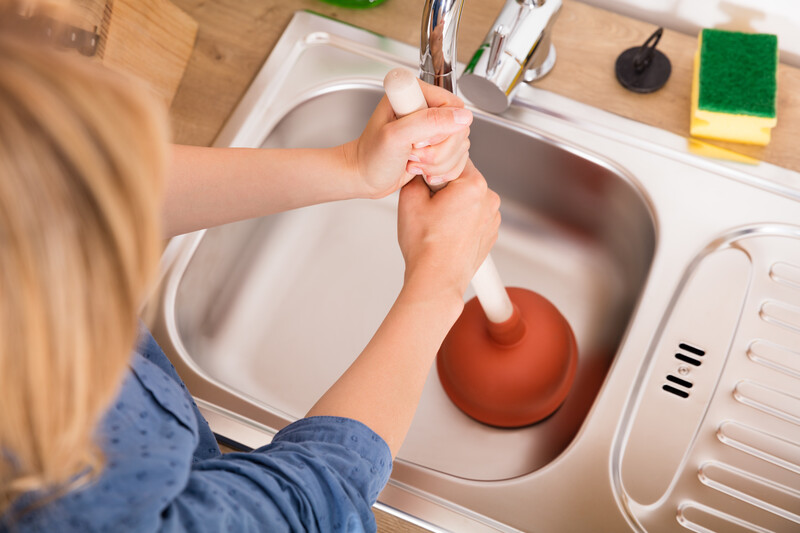
Credit: www.homeserve.com
Frequently Asked Questions
What Is The Best Way To Unclog A Kitchen Sink?
Use baking soda and vinegar to unclog the kitchen sink. Pour hot water first, add baking soda, then vinegar. Wait 10 minutes and flush with more hot water. This eco-friendly method helps clear minor blockages effectively. For stubborn clogs, consider using a plunger or a plumbing snake.
How Do You Unblock A Badly Blocked Sink?
Use a plunger to create suction and dislodge the blockage. Pour boiling water to clear grease. Try baking soda and vinegar for a natural solution. Use a drain snake for stubborn clogs. Regular maintenance prevents future blockages.
What Will Dissolve A Blocked Drain?
Use baking soda and vinegar to dissolve a blocked drain. Pour boiling water to flush it out. Consider a commercial drain cleaner if necessary. Always wear gloves and ventilate the area. Avoid using excessive force to prevent pipe damage. Regular maintenance helps prevent future blockages.
How Do You Unblock A Kitchen Sink With Standing Water?
Use a plunger to dislodge the clog. Pour boiling water to dissolve grease. Try baking soda and vinegar for natural cleaning. Use a plumber’s snake if needed.
Conclusion
Fixing a clogged kitchen sink doesn’t have to be hard. With simple tools, you can solve the problem efficiently. Remember to prevent future clogs by cleaning the sink regularly. A little effort keeps your pipes clear. Knowing how to unclog a sink saves time and money.
Use the right methods for different types of clogs. Regular maintenance can prevent major issues later. So, keep your sink clean and flowing smoothly. Your kitchen will thank you with better functionality. Happy cleaning!