How to Use Kitchen Thermometer: Master Cooking Precision
Executive Chef & Lead Commercial Kitchen Specialist at Daily Kitchup Test Lab
Are you tired of serving overcooked or undercooked meals? Do you want to impress your family and friends with perfectly cooked dishes?
The secret weapon you need in your kitchen is a reliable thermometer. Using a kitchen thermometer can transform your cooking experience, ensuring your meals are cooked to perfection every time. Imagine the satisfaction of slicing into a juicy steak or tasting a moist, tender chicken, all thanks to the precise temperature readings you can achieve.
In this guide, you’ll discover how to effectively use a kitchen thermometer, making it your go-to tool for culinary success. Get ready to take the guesswork out of cooking and elevate your dishes to new heights!
Credit: www.facebook.com
Cleaning And Maintenance
Ensure a clean thermometer by washing it with warm soapy water after each use. Dry it carefully to prevent rust. Regular calibration keeps readings accurate, ensuring safe cooking temperatures for your dishes.
Cleaning and maintaining your kitchen thermometer is crucial for ensuring accurate readings and prolonging its lifespan. Proper care not only helps avoid cross-contamination but also keeps your device in top shape for reliable use every time you cook. Let’s dive into the essential steps for keeping your thermometer clean and ready for action.Sanitizing The Probe
Cleaning the probe is a task you should never skip. After each use, wipe it down with a damp cloth and mild soap. Once cleaned, sanitize the probe using alcohol wipes or a diluted bleach solution. This prevents the buildup of bacteria and ensures hygiene. Remember, a clean probe means safe food and accurate temperature readings. Have you ever noticed how a dirty probe can affect readings?Storing Properly
Proper storage is key to maintaining your kitchen thermometer’s accuracy. Always store it in a dry, cool place to prevent moisture damage. Use a protective case if available, or simply wrap it in a soft cloth to avoid scratches. Keeping your thermometer easily accessible ensures you won’t skip this important kitchen tool when needed. How do you store your kitchen gadgets to keep them in perfect condition?Troubleshooting Common Issues
Using a kitchen thermometer correctly helps ensure food safety. Avoid common issues by calibrating it regularly. Insert the probe into the thickest part of the food without touching bones or the cooking surface.
Troubleshooting Common Issues Accurate readings are essential for cooking success. Sometimes, kitchen thermometers may cause confusion. Knowing how to fix common problems can help.Inaccurate Readings
Incorrect readings can ruin a dish. Ensure the thermometer is properly calibrated. Check if the probe is inserted correctly. Clean the probe before each use. Dirt can affect accuracy. Test the thermometer in boiling water. It should read 212°F or 100°C.Battery Problems
Battery issues can stop a thermometer from working. Check if the battery is inserted correctly. Replace old batteries with new ones. Use the right battery type for your thermometer. A weak battery can give false readings. Store the thermometer in a cool, dry place. This can extend battery life.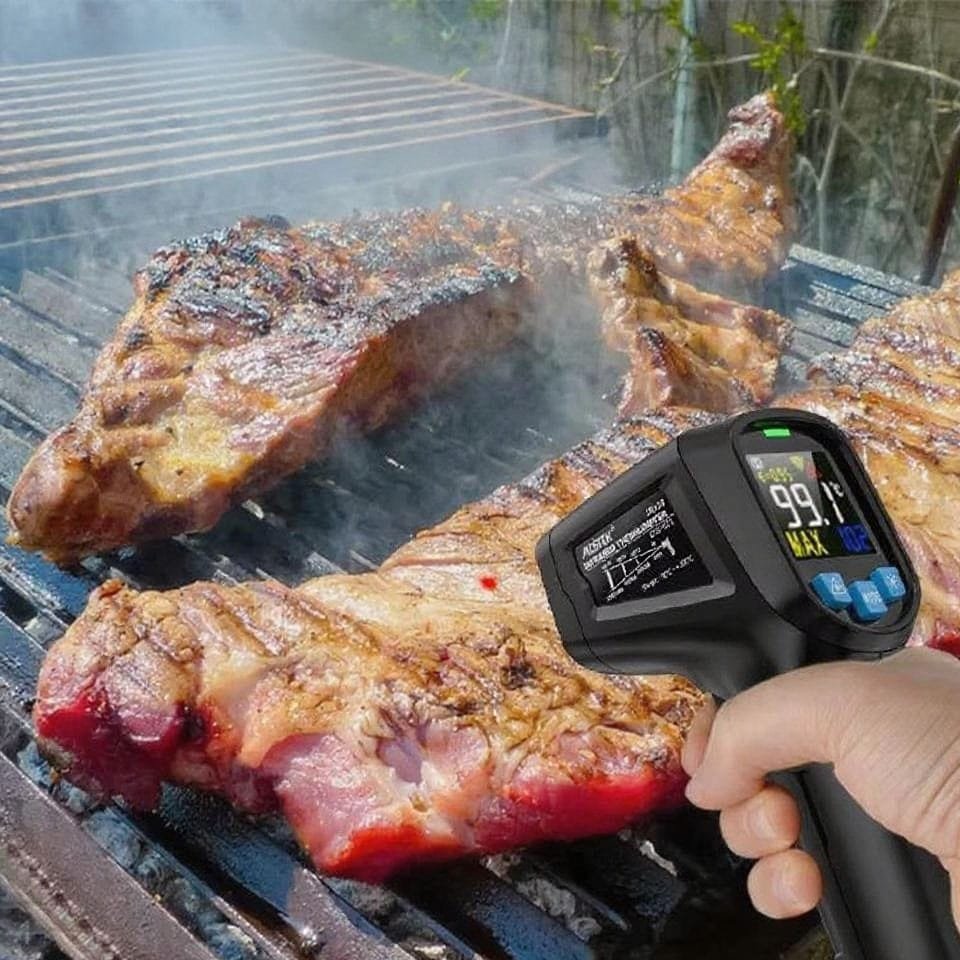
Credit: mestekinstruments.com
Frequently Asked Questions
What Is The Proper Way To Use A Thermometer When Cooking?
Insert the thermometer into the thickest part of the food. Avoid touching bone or fat. Wait for the temperature to stabilize. Ensure the food reaches the recommended safe internal temperature. Clean the thermometer after each use.
What Are The Three Rules For Using A Food Thermometer?
Use a food thermometer to check the internal temperature of meat. Insert it into the thickest part without touching bone. Clean the thermometer before and after each use.
How Does A Kitchen Thermometer Work?
A kitchen thermometer measures temperature using a metal probe. The probe conducts heat, causing a sensor to generate an electronic signal. The signal converts into a digital readout, displaying the food’s temperature. This ensures accurate cooking by indicating when the food reaches the desired temperature.
How To Read A Kitchen Thermometer?
Insert the thermometer into the food’s thickest part. Wait for the reading to stabilize. Ensure it’s not touching bone or pan. Check the temperature against safe cooking guidelines. Clean the thermometer after use.
Conclusion
Using a kitchen thermometer simplifies cooking. It ensures food safety and proper taste. Always clean your thermometer before and after use. Check the temperature at the thickest part of the meat. Avoid touching bones. This gives the most accurate reading.
Practice often for better results. Keep the thermometer handy in your kitchen. It saves time and prevents guesswork. Enjoy perfectly cooked meals with less stress. A small tool, but very important. Make it a regular part of your cooking routine.
Your dishes will be more consistent and delicious every time.

Similar Posts