How to Sew Kitchen Towels: Easy DIY Guide
Are you tired of store-bought kitchen towels that just don’t last? Or perhaps you’re looking to add a personal touch to your kitchen with a splash of color and creativity?
Learning how to sew your own kitchen towels might be the perfect solution for you. Imagine the satisfaction of crafting something both beautiful and functional, all while saving money and customizing it to fit your style. In this guide, we’ll walk you through the simple steps to create your own kitchen towels, even if you’ve never sewn a stitch before.
You’ll discover how easy it is to turn a few pieces of fabric into something uniquely yours, boosting not just your kitchen’s aesthetic but also your confidence in a new craft. Stick with us, and you’ll soon be the proud creator of towels that are as practical as they are pretty. Let’s dive in and unlock your inner designer!
Credit: sewverycrafty.com
Materials Needed
Gather fabric, thread, scissors, and a sewing machine. Include pins, measuring tape, and an iron for neat edges. Consider decorative trims or buttons for a personalized touch.
To sew kitchen towels, gathering the right materials is crucial. Proper selection ensures durability and functionality, making your sewing project successful. This section outlines the essential components you need to get started.Fabric Selection
Choosing the right fabric is vital. Cotton is a popular choice for kitchen towels due to its absorbency. Linen is another option, known for its durability and luxurious feel. Opt for fabrics that withstand frequent washing and drying. Consider patterns and colors that complement your kitchen decor.Essential Tools
Equipping yourself with essential tools simplifies the sewing process. A sewing machine is fundamental for precise stitching. Scissors are necessary for cutting fabric accurately. Pins hold pieces together while sewing. A measuring tape ensures correct sizing. A seam ripper helps fix any mistakes quickly.Additional Supplies
Additional supplies enhance your sewing experience. Thread matching your fabric color is essential for a neat finish. Fabric markers allow you to make precise markings. An ironing board and iron are needed for pressing fabric. Bias tape adds decorative edges. A needle set helps with hand-sewing details.
Credit: sewcraftyme.com
Preparing The Fabric
Preparing the fabric involves washing and ironing it to remove any creases or shrinkage. Cut the fabric into desired sizes, ensuring straight edges for easier sewing.
Preparing the fabric is a crucial step in sewing kitchen towels. Proper preparation ensures your towels are durable and look great. This section covers measuring, cutting, pre-washing, and ironing techniques.Measuring And Cutting
Accurate measurements are essential for perfectly sized towels. Use a fabric ruler for precision. Measure twice to avoid mistakes. Cut the fabric using sharp scissors or a rotary cutter. This prevents frayed edges and uneven lines.Pre-washing Tips
Pre-washing removes any shrinkage surprises later. Use mild detergent in a warm wash cycle. Dry the fabric completely before sewing. This process softens the fibers and enhances absorbency.Ironing Techniques
Ironing smooths out wrinkles and sets the fabric. Use a medium heat setting to prevent burns. Iron the fabric on both sides for a crisp finish. This step ensures neat seams and a polished look.Basic Sewing Techniques
Sewing kitchen towels is a useful and rewarding skill. It adds a personal touch to your kitchen. With a few basic techniques, even beginners can create beautiful towels. This guide covers three essential techniques to start your sewing journey.
Straight Stitching
Straight stitching is the foundation of sewing. It creates strong and neat seams. Begin by threading your needle and bobbin. Use a straight stitch setting on your sewing machine. Guide the fabric gently, keeping the stitches even. Practice on scrap fabric to improve your control. Straight stitching keeps the towel edges neat and tidy.
Serging Edges
Serging edges prevents fraying and gives a clean finish. A serger trims the fabric while stitching the edge. If you don’t have a serger, use a zigzag stitch on your sewing machine. This will also protect the edges. Serging adds durability to your kitchen towels. Secure edges enhance the towel’s lifespan and appearance.
Finishing Touches
Finishing touches add style to your kitchen towels. Consider adding a decorative border or a simple hem. Use contrasting thread for a pop of color. Iron the towels after sewing to set the stitches. This ensures a crisp and professional look. Personalized labels or loops for hanging can be added as well. These details make your towels unique and functional.

Credit: www.youtube.com
Decorative Additions
Add charm to your kitchen with homemade towels. Choose vibrant fabrics and stitch them with simple techniques. Personalize with trims or embroidery for a unique touch.
Decorative additions can elevate your kitchen towels from simple to stunning. They showcase your creativity. Personalize your space with charming touches that reflect your style. Explore various techniques to make your towels unique. Whether you prefer simple designs or intricate embellishments, there is something for everyone.Adding Borders
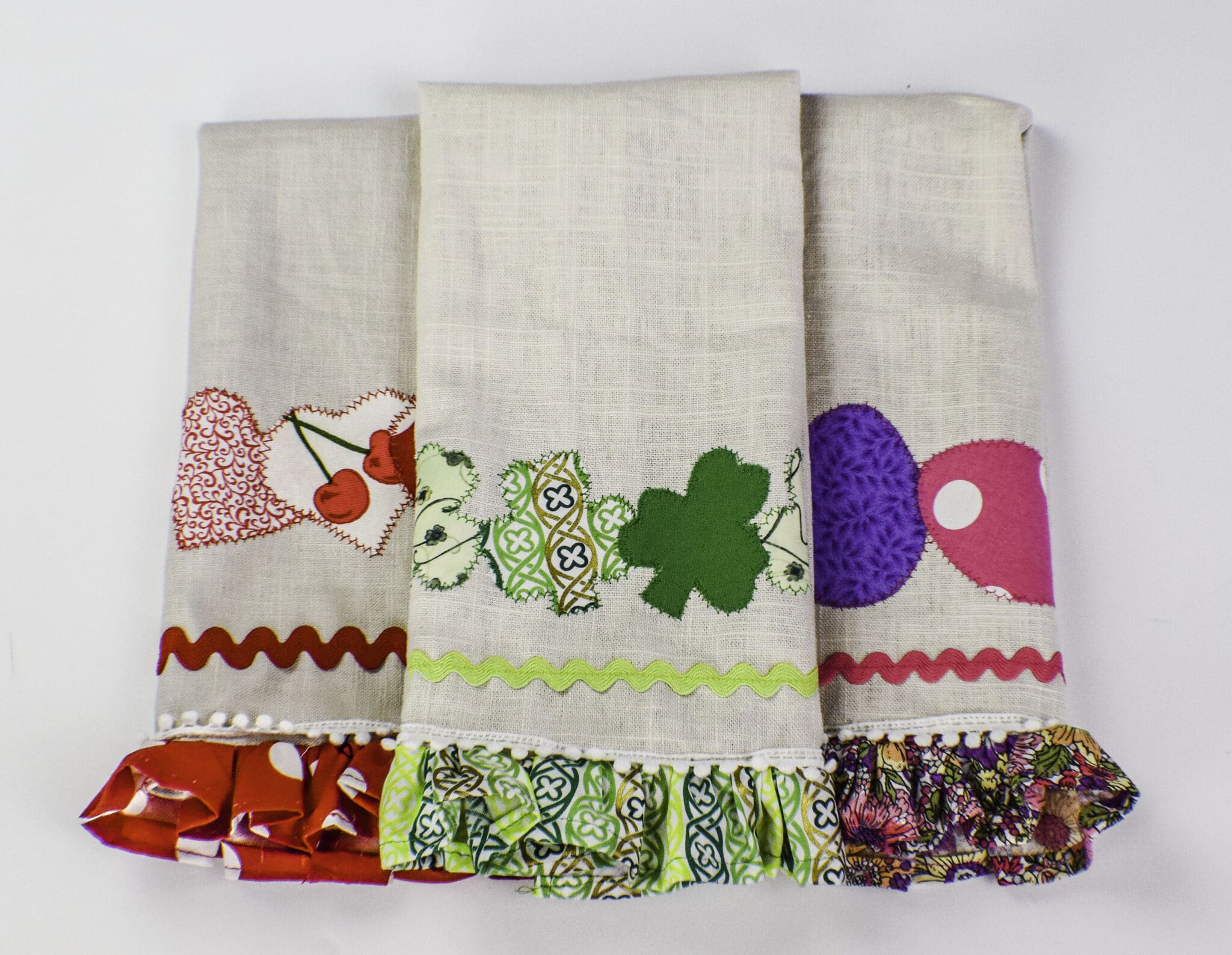
Borders can add elegance to your kitchen towels. Choose fabrics that complement your kitchen theme. Use contrasting colors for a bold look. Sew the fabric onto the towel edges for a neat finish. You can use lace or ribbon for a more delicate appearance. Borders frame the towel beautifully.Embroidery Ideas
Embroidery adds a personal touch to your kitchen towels. Select simple patterns for a quick project. Choose floral designs or geometric shapes. Use vibrant threads for a pop of color. Embroider initials for a personalized gift. Hand embroidery adds charm and warmth to any towel.Using Fabric Paint
Fabric paint offers endless possibilities for decoration. Create your own stencil designs. Use a brush or sponge for even coverage. Paint bold patterns or soft pastels. Let your imagination guide you. Ensure the paint is dry before using the towel. Fabric paint adds a splash of creativity.Troubleshooting Common Issues
Sewing kitchen towels can come with common challenges like uneven seams or fabric bunching. Adjusting tension settings and using the right needle size can help. Practice on scrap fabric to gain confidence and achieve smoother results.
Troubleshooting common issues while sewing kitchen towels can transform your sewing experience from frustrating to fulfilling. Even seasoned sewists encounter hiccups that require a bit of patience and know-how to resolve. Let’s tackle these issues head-on and ensure your kitchen towels turn out beautifully.Fixing Uneven Edges
Uneven edges can be a common hurdle, but they’re easy to fix with a few adjustments. Start by laying your towel on a flat surface and checking the alignment of your fabric. Use a rotary cutter and a ruler to trim any excess fabric, ensuring straight lines. Don’t forget to pin your fabric before sewing. This simple step helps keep everything in place. Have you ever noticed how a small shift in fabric can lead to a big difference in your final product?Dealing With Loose Threads
Loose threads can make your towels look untidy. To combat this, ensure your sewing machine is threaded correctly. Re-threading can often solve the problem. Check your bobbin too. Sometimes, simply re-inserting it can make a world of difference. Snip off any loose threads immediately after sewing to keep your project neat.Correcting Fabric Tension
Fabric tension issues can lead to puckering or loose stitches. Adjusting the tension dial on your sewing machine can help. Start with a small adjustment and test on a scrap piece of fabric. Keep an eye on the thread spool and bobbin. They should unwind smoothly. Have you ever wondered why some fabrics behave differently under the needle? Experimenting with different tension settings might just be the key to mastering your materials. Incorporate these tips into your sewing routine, and enjoy the satisfaction of overcoming these common sewing challenges. Remember, each mistake is just a step toward improving your skills!Care And Maintenance
Ensuring your handmade kitchen towels last and maintain their functionality requires proper care and maintenance. It’s not just about keeping them clean, but also storing them correctly and knowing how to fix minor damages. Here’s how you can extend the life of your kitchen towels with thoughtful care.
Washing Guidelines
Start by choosing the right detergent. A mild detergent protects the fabric and preserves its vibrant colors. Avoid bleach, as it can weaken fibers over time. Wash your towels in cold water to prevent shrinkage and fading.
Consider air drying them instead of using a dryer. Air drying is gentle on fabric and saves energy. If you prefer using a dryer, opt for a low heat setting. This minimizes wear and tear, keeping your towels soft and absorbent.
Storage Tips
Proper storage is crucial for maintaining the quality of your towels. Fold them neatly and store them in a dry, cool place. Avoid keeping them in humid areas to prevent mold and mildew.
Use baskets or shelves to organize your towels. This keeps them accessible and tidy, adding a touch of style to your kitchen. Have you ever thought about hanging them on a decorative hook? It’s a practical yet charming way to keep them within reach.
Repairing Wear And Tear
Even the best-quality towels can show signs of wear over time. Don’t toss them away; repair them! Small tears can be sewn with a simple needle and thread. It’s a quick fix that adds life to your towels.
Frayed edges can be trimmed and hemmed. This prevents further damage and keeps your towels looking fresh. If you’re unsure about sewing, consider using fabric glue for minor repairs. It’s easy to use and effective for quick touch-ups.
Frequently Asked Questions
What Fabric Is Used For Kitchen Towels?
Kitchen towels are typically made from cotton for its absorbency and durability. Linen is another popular choice for its quick-drying properties. Both fabrics are ideal for handling kitchen tasks efficiently. Cotton and linen ensure effective cleaning and drying, making them preferred materials for kitchen towels.
How To Sew A Loop Onto A Towel?
To sew a loop onto a towel, choose a durable fabric strip. Fold and stitch the ends securely to the towel’s edge. Ensure the loop size fits your hanging needs. Use a strong thread for lasting attachment. Trim excess fabric for a neat finish.
What Is The Best Weave For Kitchen Towels?
The best weave for kitchen towels is the herringbone weave. It offers durability, absorbency, and quick drying. This weave is perfect for handling spills and drying dishes efficiently, making it a popular choice for kitchen use. Choose towels with herringbone patterns for optimal performance and longevity.
What Fabric Is Best For Making Tea Towels?
Cotton is the best fabric for tea towels. It is absorbent, durable, and easy to wash. Linen is also popular for its quick-drying properties. Both materials provide excellent performance in kitchen tasks, offering versatility and longevity. Choose quality fabric to ensure efficient drying and cleaning results.
Conclusion
Sewing kitchen towels is a simple, rewarding project. You learn useful skills and create something practical. Start with basic techniques and materials. Experiment with different fabrics and styles. Enjoy the process and make it personal. Share your creations with friends and family.
They appreciate your handmade touch. Sewing towels can be a relaxing hobby. It brings satisfaction and joy. Plus, it adds a personal touch to your kitchen. Perfect for gifts or just to brighten your space. Dive in, and let your creativity flow.
Happy sewing!