What is a Range in a Kitchen: Essential Cooking Guide
Imagine walking into your kitchen, ready to whip up a delicious meal, only to realize you’re unsure about one of its most essential features: the kitchen range. You might ask yourself, “What exactly is a range in a kitchen, and why is it so vital?”
Understanding the role of a kitchen range can transform your cooking experience, turning it from a mundane task into a culinary adventure. You’ll discover the ins and outs of kitchen ranges, from what they are to how they can enhance your cooking.
Whether you’re a seasoned chef or a cooking novice, knowing the specifics of your kitchen range can empower you to make the most of your culinary space. Stick around to uncover tips, insights, and perhaps even a few surprises about this indispensable kitchen tool. Your culinary journey is about to get a whole lot more exciting!
Kitchen Range Basics
Understanding the basics of a kitchen range can transform your cooking experience. The range is often the centerpiece of a kitchen, combining both a cooktop and an oven. It’s where culinary magic happens, whether you’re simmering sauces, baking cookies, or roasting a chicken. But have you ever wondered about the specifics that make a kitchen range essential for your home?
Components Of A Kitchen Range
The kitchen range typically consists of two main components: the cooktop and the oven. The cooktop is where you use pots and pans, and can be gas, electric, or induction. Each type offers different benefits—gas provides instant heat control, while induction is known for its energy efficiency. The oven, situated below the cooktop, is perfect for baking, roasting, and broiling. You might choose between convection or conventional ovens based on your cooking style.
Types Of Kitchen Ranges
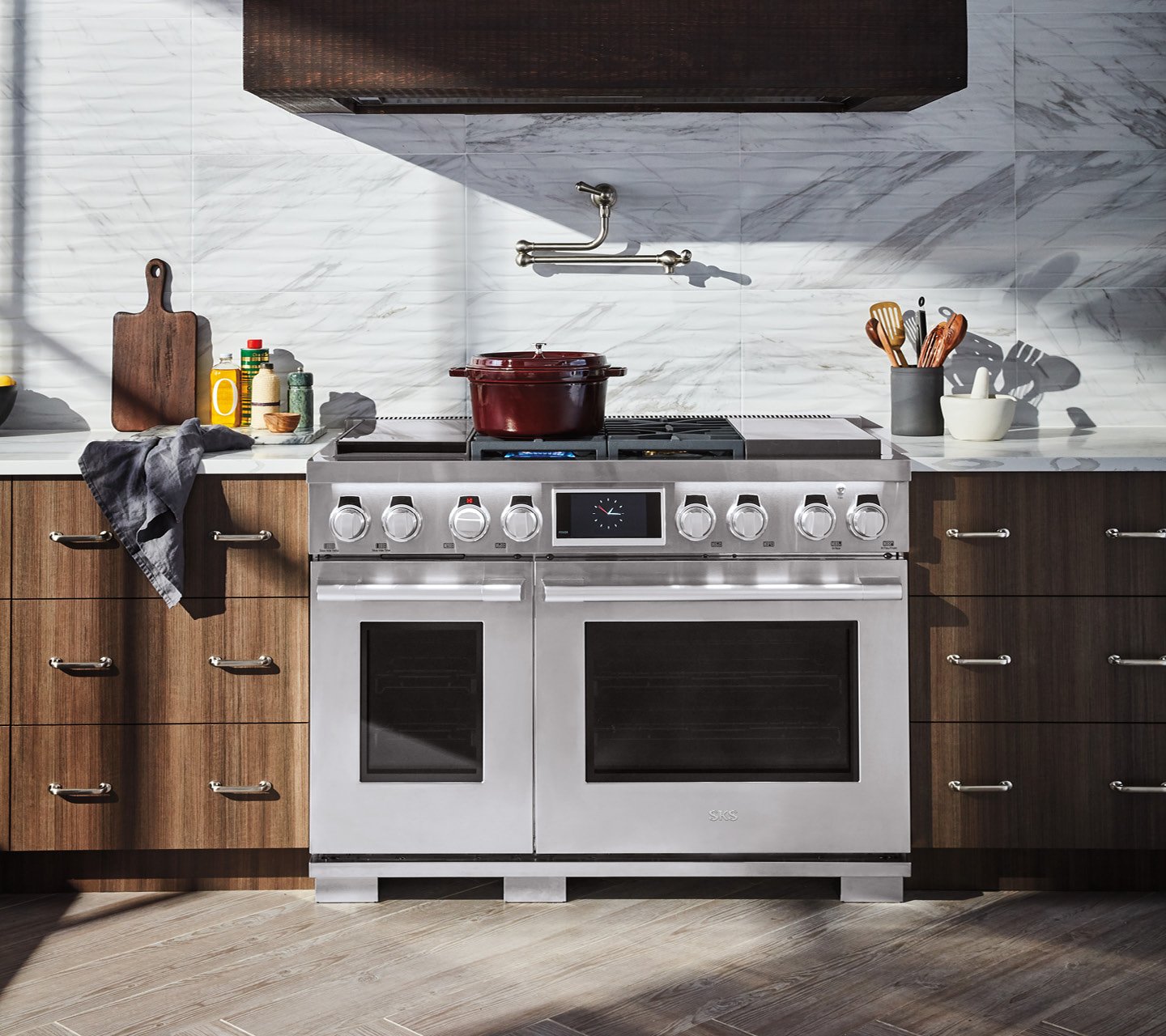
Ranges come in various types to suit different kitchen layouts and cooking needs. Freestanding ranges are versatile and can fit anywhere in the kitchen. Slide-in ranges offer a seamless look, as they slide between cabinets. If you love hosting, a double oven range might be your best friend, allowing you to cook multiple dishes at different temperatures simultaneously. Consider your kitchen space and cooking habits before making a choice.
Choosing The Right Size
Size matters when selecting a kitchen range. Standard ranges are typically 30 inches wide, but if you have a larger kitchen or love cooking, you might opt for a 36-inch range or even larger. Think about the space available in your kitchen and the size of meals you usually prepare. Is a bigger range worth the extra space, or would a compact version suffice for your needs?
Features To Look For
Modern ranges are packed with features that enhance cooking efficiency. Look for models with smart technology, like Wi-Fi connectivity, which lets you control the oven remotely. Self-cleaning options can save you time and effort. Consider the burner types—do you need high-output burners for quick boiling, or simmer burners for delicate sauces? Evaluate the features that align with your cooking style and daily routine.
Maintenance And Care
Keeping your range in top condition requires regular maintenance. Clean the cooktop and oven regularly to avoid buildup of grease and food particles. Check gas lines or electrical connections periodically for safety. If you notice uneven cooking, it might be time for a professional check-up. A well-maintained range not only lasts longer but also ensures your meals are cooked to perfection every time.
Choosing the right kitchen range can elevate your culinary creations. So, what features are most important to you in a kitchen range? What’s your favorite cooking style that your range should support? Dive into these considerations to find a range that truly suits your kitchen and cooking needs.
Credit: www.signaturekitchensuite.com
Types Of Kitchen Ranges
Choosing the right kitchen range can transform your cooking experience. With various types available, it’s essential to understand how each design impacts your kitchen space and cooking style. From freestanding to drop-in options, each range type offers unique benefits and challenges.
Freestanding Ranges
Freestanding ranges are the most common type, offering flexibility and ease of installation. These ranges come with finished sides, allowing them to stand alone or be placed between cabinets. If you enjoy rearranging your kitchen often, a freestanding range might be your best bet. Its adaptability means you can change your kitchen layout without worrying about compatibility.
Slide-in Ranges
Slide-in ranges provide a seamless, built-in look, perfect for contemporary kitchens. They have unfinished sides, designed to fit snugly between cabinets. The controls are positioned at the front, eliminating the need to reach over hot pots. If you prefer a sleek, integrated appearance, the slide-in range offers a sophisticated touch. Imagine the satisfaction of a kitchen that feels custom-designed just for you.
Drop-in Ranges
Drop-in ranges are less common but offer a clean, customized look. These ranges sit on a cabinet base and require custom cabinetry for installation. They are ideal for those who want a streamlined appearance with no gaps or crevices. If you’re planning a kitchen remodel, a drop-in range can elevate the aesthetic, making your cooking space look intentional and personalized.
As you consider these options, think about your cooking habits and kitchen design. Does flexibility matter more than aesthetics? Or do you dream of a bespoke kitchen look? Your choice of range could redefine your cooking experiences and kitchen interactions.
Fuel Options
A kitchen range combines a stove and an oven in one appliance. Fuel options include gas, electric, or dual fuel. Each offers unique benefits for cooking flexibility.
Fuel options in kitchen ranges offer diverse cooking experiences. Each type caters to different needs and preferences. Choosing the right fuel option can enhance your cooking style and efficiency.Gas Ranges
Gas ranges use natural gas or propane. They provide instant heat control, allowing precise temperature adjustments. This is ideal for cooking techniques like sautéing or boiling. The open flame offers even heat distribution. Many chefs prefer gas for its responsiveness and reliability. Gas ranges also work during power outages. Installation might require a gas line connection.Electric Ranges
Electric ranges offer consistent heat with smooth surfaces. They are easy to clean and maintain. These ranges come with coil or smooth-top options. Electric ranges provide a steady heat, perfect for baking or simmering. They are often more energy-efficient compared to gas. Installation is simple, needing only an electrical outlet. They may take longer to heat up compared to gas.Dual-fuel Ranges
Dual-fuel ranges combine gas and electric features. They offer the best of both worlds for versatile cooking. Gas burners provide quick heat control for stovetop cooking. Electric ovens ensure precise and even baking. This combination is favored by many home cooks and professionals. Dual-fuel ranges typically cost more due to their advanced features. They require both a gas line and electrical connection.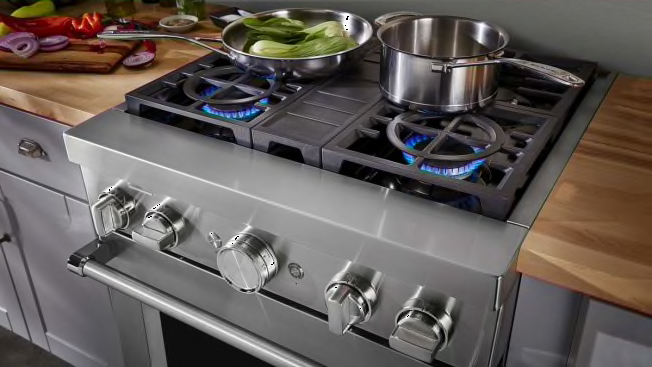
Credit: www.consumerreports.org
Key Features To Consider
Key Features to Consider A range in a kitchen combines a cooktop and an oven. Fuel type is crucial; choose between gas, electric, or dual-fuel. Consider the size based on kitchen space and cooking needs. Look for features like self-cleaning ovens and convection cooking for convenience.
When choosing a range for your kitchen, understanding the key features is essential to making an informed decision. A range is not just an appliance; it’s the heart of your culinary adventures. Whether you’re an aspiring chef or a busy parent, selecting the right features can make cooking both efficient and enjoyable.Oven Capacity
Oven capacity is a crucial factor to consider. Do you often find yourself hosting large gatherings or preparing multiple dishes at once? A larger oven can accommodate big meals, like a Thanksgiving turkey, without a hitch. Smaller ovens, on the other hand, heat up faster and are perfect for everyday cooking. They can still handle a decent-sized pizza or a batch of cookies. Consider your cooking habits and space constraints to find the perfect balance.Cooktop Configuration
The cooktop configuration can significantly impact your cooking style. Some ranges offer four burners, while others provide five or six, perfect for multitasking. Think about the types of dishes you prepare most often. If you enjoy experimenting with different cuisines, having a variety of burner sizes and types, such as a griddle or a wok burner, can be a game-changer.Self-cleaning Options
Self-cleaning options are a blessing for those who dislike scrubbing stubborn oven stains. Pyrolytic cleaning burns off residues at high temperatures, turning them into ash that you can easily wipe away. Alternatively, steam cleaning uses moisture to soften grime, making it easier to clean. Imagine spending more time enjoying your meals rather than cleaning up after them. Which self-cleaning option suits your lifestyle better? Choosing a kitchen range involves more than just aesthetics. By focusing on these key features, you can find a range that perfectly matches your cooking needs and enhances your kitchen experience.Benefits Of A Kitchen Range
A kitchen range combines a stove and oven in one appliance, offering versatile cooking options. It saves space and enhances efficiency, allowing you to bake, roast, and cook in the same unit. Ideal for any kitchen setup, it simplifies meal preparation and brings convenience to everyday cooking.
The kitchen range is a staple in many homes. It combines a cooktop and an oven in one unit. This design offers several advantages, making it a popular choice.Space Efficiency
A kitchen range saves space. It combines two appliances into one. This is ideal for small kitchens. You get both a cooktop and an oven without extra space. It allows more room for other kitchen essentials. This efficient use of space keeps your kitchen organized.Versatility In Cooking
Kitchen ranges offer cooking variety. You can bake, boil, and fry with one appliance. This makes meal prep easier and faster. You can cook multiple dishes at once. This is perfect for family dinners or gatherings. It simplifies cooking and enhances your culinary skills.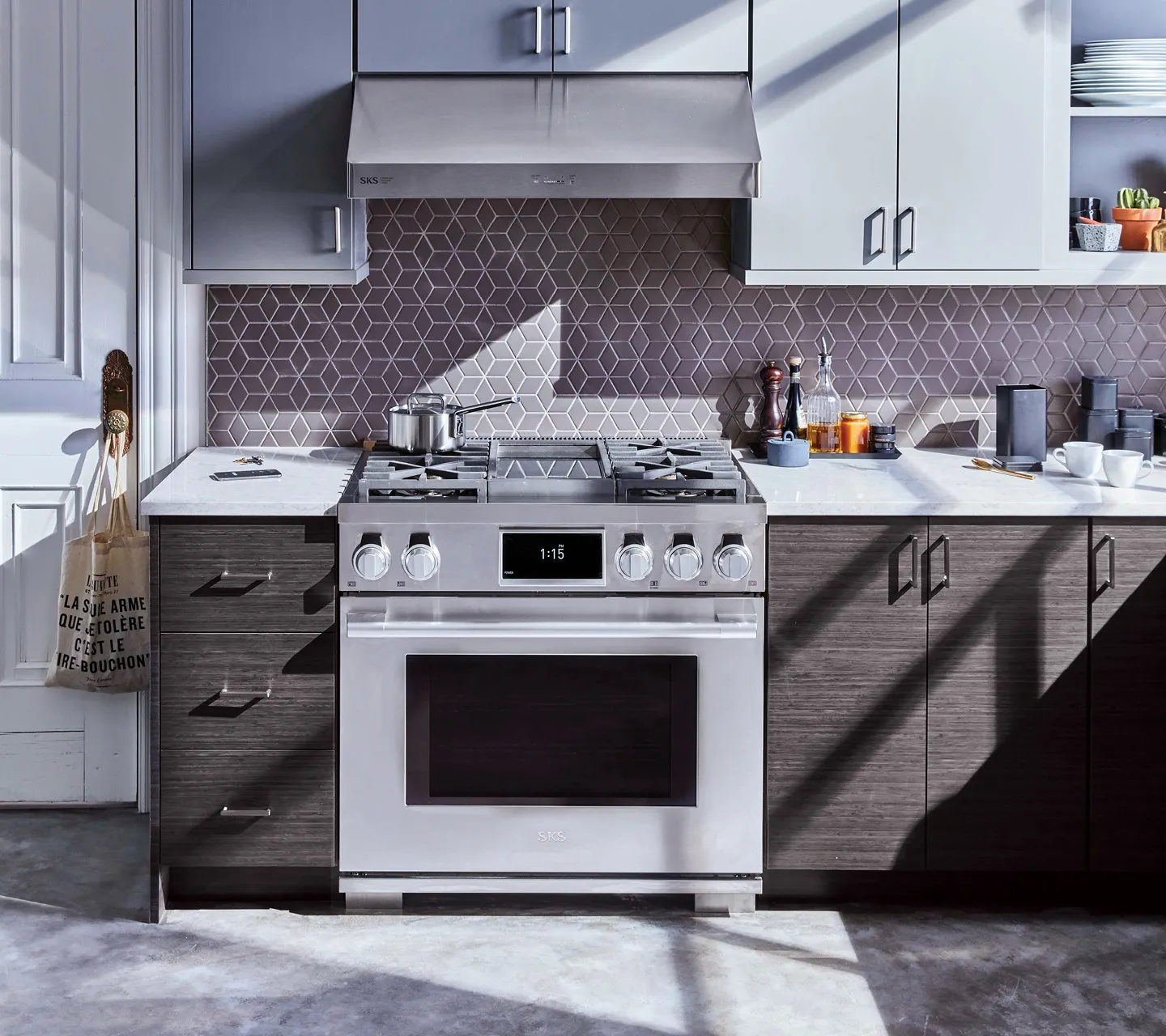
Credit: www.signaturekitchensuite.com
Maintenance Tips
A range in a kitchen is a versatile appliance for cooking. It combines an oven and a stovetop. Regular cleaning and checking for gas leaks ensure it functions efficiently.
Maintaining your kitchen range is essential for ensuring its longevity and performance. A well-kept range not only makes cooking more enjoyable but also helps prevent costly repairs down the line. Whether you’re a seasoned chef or a cooking newbie, taking a few moments to care for your range can make a significant difference in your kitchen’s functionality. Let’s explore some practical maintenance tips that can keep your range in top shape.Regular Cleaning
Regular cleaning is crucial for keeping your range in pristine condition. After each use, wipe down the stovetop with a damp cloth to remove spills and splatters. For stubborn stains, a mixture of baking soda and water can work wonders. Don’t forget about the oven! Every few weeks, remove the racks and clean them with warm soapy water. Run a self-cleaning cycle if your oven has one, or tackle any baked-on residue with a gentle scrub. A clean range not only looks better but also functions more efficiently. Plus, it minimizes the risk of smoke and unpleasant odors during cooking.Inspection Of Components
Regularly inspecting the components of your range can prevent unexpected breakdowns. Check the burners to ensure they ignite quickly and evenly. A weak flame could indicate a blockage that needs clearing. Take a moment to inspect the oven door seal. A tight seal is crucial for maintaining consistent temperatures inside the oven. If the seal is worn or cracked, it might be time for a replacement. Consider the knobs and controls. Are they responsive and easy to use? If they’re sticking or feel loose, it might be worth tightening them or looking into replacements. Is there a maintenance tip you’ve found particularly effective for your kitchen range? Share your thoughts and experiences in the comments below!Choosing The Right Range
Choosing the right range for your kitchen is an important decision that can significantly enhance your cooking experience. Whether you’re a seasoned chef or someone who enjoys occasional cooking, the range you select can make a difference in how you prepare meals. It’s not just about functionality; it’s about finding a balance between your cooking needs, budget, and the space you have available.
Assessing Cooking Needs
Consider the type of cooking you often engage in. Are you a baking enthusiast or more of a stovetop chef? If you love baking, a dual-fuel range with a gas stovetop and an electric oven might be ideal. Electric ovens provide even heating for baking, while gas burners offer precise temperature control for stovetop cooking.
Think about the number of burners you need. If you frequently cook large meals or entertain guests, a range with more burners can be beneficial. Reflect on your cooking style and habits to determine what features will best support your culinary adventures.
Budget Considerations
Your budget plays a crucial role in the range you choose. While high-end ranges offer advanced features and durability, many mid-range options provide excellent performance without breaking the bank. Set a budget that aligns with your financial situation and stick to it.
Remember, investing in a quality range can be a long-term benefit, saving you money on repairs and replacements. Explore options within your budget that offer the best value for your needs.
Space And Design Compatibility
Measure the space available in your kitchen before purchasing a range. Consider not just the width but also the depth and height to ensure it fits comfortably without crowding your kitchen.
Think about the design and style of the range. Does it complement your kitchen’s aesthetic? A sleek, modern range can enhance a contemporary kitchen, while a classic design might suit a traditional space better. Choose a range that blends seamlessly with your kitchen’s look and feel.
Ultimately, the right range is one that meets your cooking needs, fits within your budget, and complements your kitchen’s design. By carefully considering these aspects, you can make an informed decision that enhances your culinary experience. What kind of meals do you dream of cooking with the perfect range?
Frequently Asked Questions
What Is The Difference Between A Range And A Stove?
A range combines an oven and cooktop in one unit, while a stove refers to just the cooktop. A stove lacks an integrated oven, unlike a range. Both are kitchen appliances used for cooking and baking. Choose based on your cooking needs and kitchen space.
What Is Considered A Range In A Kitchen?
A kitchen range combines a stove and an oven into one unit. It serves for cooking and baking. Ranges can be powered by gas, electricity, or both. They often include various burners or heating elements. This appliance is a central component in many kitchens.
Why Is A Cooktop Called A Range?
A cooktop is called a range because it combines both cooking surfaces and an oven in a single unit. This term originates from the old English word “range,” meaning a cooking area. Today, it signifies versatility and efficiency in modern kitchens, blending multiple cooking functions seamlessly.
What Does A Range Do In The Kitchen?
A kitchen range combines a stove and oven for cooking. It heats food through burners or heating elements. Ranges offer versatile cooking options, allowing you to bake, roast, boil, fry, and simmer. They are essential appliances, providing efficient cooking and meal preparation.
Choose from gas, electric, or dual-fuel models.
Conclusion
A kitchen range is more than just an appliance. It’s the heart of cooking. Choosing the right range can make cooking enjoyable and efficient. Consider style, size, and features that suit your needs. Gas and electric ranges each offer unique benefits.
Understand your kitchen space and energy preference. Remember, the right range enhances your cooking experience. Finding the perfect range takes time and research. It’s worth the effort. Equip your kitchen with a range that fits your lifestyle. Cook with ease and comfort, creating meals you love.
Happy cooking!