What is Good to Clean Kitchen Cabinets: Top Tips
Have you ever noticed how the kitchen is the heart of your home? It’s where meals are prepared, conversations happen, and memories are made.
But with all that activity, your kitchen cabinets can quickly become the forgotten victims of sticky fingers, grease splatters, and dust build-up. You might find yourself wondering, “What is good to clean kitchen cabinets? ” The answer might surprise you.
Imagine walking into a kitchen that not only looks spotless but feels fresh and inviting. You deserve to have a kitchen that reflects the warmth and comfort of your home. You’ll discover simple yet effective methods to bring your cabinets back to life, making them shine like new. Let’s dive in and unlock the secrets to maintaining a pristine kitchen space you’ll be proud of!
Cleaning Essentials
Vinegar and water mix works well for cleaning kitchen cabinets. Mild dish soap can also be effective. Use a soft cloth to avoid scratches and gently remove dirt and grease.
Cleaning kitchen cabinets requires the right tools and products. Having the right cleaning essentials can make your task easier and more efficient. This section will guide you through basic supplies and natural cleaners. These essentials will help you keep your kitchen cabinets fresh and spotless.Basic Supplies
Start with a soft microfiber cloth. It gently removes dust and grime without scratching surfaces. A soft-bristled brush is ideal for corners and crevices. It can reach areas where cloths cannot. Sponges are also important. Use them for tougher stains or greasy spots. Choose non-abrasive ones to avoid damage. A bucket of warm water is essential too. It helps rinse and dilute cleaning solutions. Keep a spray bottle handy. Fill it with your chosen cleaning solution. This allows you to control the amount used. It also helps in even distribution. Rubber gloves protect your hands from chemicals or hot water.Natural Cleaners
Vinegar is a fantastic natural cleaner. It cuts through grease and disinfects. Mix equal parts vinegar and water in a spray bottle. Spray on cabinets and wipe with a cloth. Baking soda is another excellent choice. It removes odors and stains. Make a paste with water. Apply it to problem areas, then scrub gently. Lemon juice is great for tackling grease. Its natural acidity breaks down grime. Mix it with water for a refreshing cleaner. Olive oil can polish wooden cabinets. Mix it with vinegar for a natural shine. Apply with a cloth and buff for a smooth finish. These natural cleaners are effective and safe. They are gentle on surfaces and kind to the environment. Using them regularly will keep your kitchen cabinets in top condition.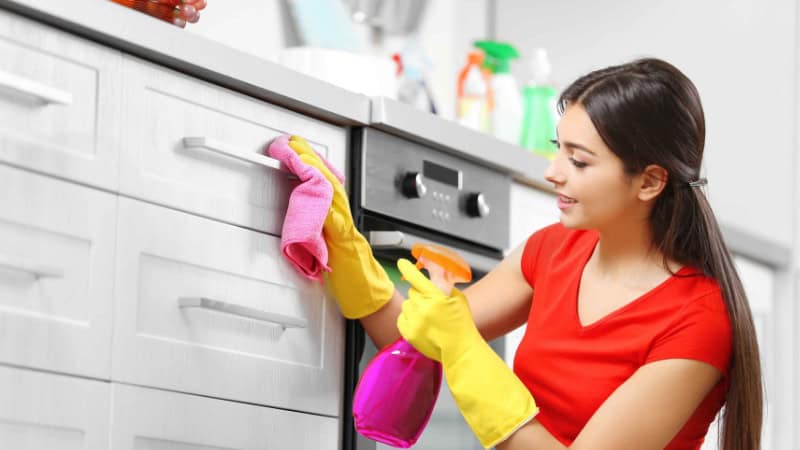
Credit: modern-maids.com
Daily Maintenance
Maintaining the cleanliness of your kitchen cabinets on a daily basis can extend their life and keep your kitchen looking pristine. By integrating simple habits into your routine, you can prevent the build-up of grime and stains. Daily maintenance is not only about keeping things tidy but also about preserving the beauty and functionality of your cabinets.
Wiping Techniques
Start by using a soft microfiber cloth to gently wipe down your cabinets. This material is great for trapping dust and debris without scratching the surface. You should use a mild soap solution or a mixture of vinegar and water—avoid harsh chemicals that can damage the finish.
Consider paying special attention to areas like handles and edges where dirt tends to accumulate. A quick wipe here can make a significant difference. Have you noticed how sometimes the smallest details make the biggest impact?
Handling Spills
Acting promptly with spills is crucial. A quick response prevents liquids from seeping into the wood and causing lasting damage. Blot the spill gently with a clean cloth; never rub, as this can spread the stain.
For stubborn spills, using baking soda mixed with water can be effective. Apply it gently and watch how this simple solution works wonders. Have you ever thought about how you handle spills? It might be time to rethink your strategy for better results.
Deep Cleaning Methods
Vinegar and water solution effectively cleans kitchen cabinets. Mix equal parts vinegar and warm water. Use a soft cloth to wipe surfaces. For stubborn stains, baking soda paste works well. Apply gently, then rinse with water. Regular cleaning maintains cabinet shine and prevents buildup.
Deep cleaning your kitchen cabinets is essential for maintaining a fresh and hygienic space. Over time, cabinets can accumulate grease, stains, and grime that regular cleaning might miss. It’s important to tackle these stubborn residues with effective methods that ensure your kitchen remains sparkling and welcoming. Let’s dive into some practical techniques for removing tough grease and treating unsightly stains.Grease Removal
Grease can cling to kitchen cabinets, especially those near the stove. To effectively remove it, mix equal parts of white vinegar and warm water. This solution is powerful yet gentle, making it safe for most surfaces. Use a microfiber cloth to wipe the cabinets, focusing on areas with visible grease build-up. The vinegar’s natural acidity helps break down the grease without damaging the finish. For more persistent grease, consider using a paste made from baking soda and water. Apply it to the affected areas, let it sit for a few minutes, and then scrub gently with a soft brush.Stain Treatments
Stains on kitchen cabinets can be a real eyesore. Begin by identifying the type of stain you’re dealing with. Water stains can often be removed with a mix of baking soda and water. Rub the paste gently over the stain with a cloth until it fades. For food stains, dish soap mixed with warm water can be surprisingly effective. Apply the solution with a sponge, scrubbing lightly. If stubborn stains persist, try using hydrogen peroxide on a cotton ball for extra cleaning power. Have you ever noticed how a sparkling kitchen can transform your cooking experience? By implementing these deep cleaning techniques, you can enjoy a spotless kitchen that inspires culinary creativity. Remember, a little effort goes a long way in maintaining the heart of your home.
Credit: www.facebook.com
Material-specific Care
Vinegar mixed with warm water effectively cleans kitchen cabinets. Dish soap and baking soda remove stubborn grease stains. Avoid harsh chemicals to preserve cabinet finish.
Material-Specific Care is essential for maintaining kitchen cabinets. Different materials require unique cleaning methods. Proper care extends their lifespan and keeps them looking fresh. Let’s explore how to clean wood and laminate cabinets effectively.Wood Cabinets
Wood cabinets need gentle cleaning to preserve their finish. Use a mild soap mixed with warm water. Avoid harsh chemicals that can damage the wood. Wipe with a soft cloth in the direction of the grain. Dry immediately to prevent water spots. For tough stains, use baking soda paste. Apply, let sit, then gently wipe away.Laminate Cabinets
Laminate cabinets are more durable and easier to clean. Use a mixture of vinegar and water for regular cleaning. Spray and wipe with a microfiber cloth. Avoid abrasive pads that can scratch the surface. For sticky spots, use a mild detergent. Rinse thoroughly and dry to avoid streaks.Protective Measures
Vinegar and water make an effective cleaner for kitchen cabinets. Add a few drops of dish soap for extra grease-cutting power. Use a soft cloth to gently wipe away dirt and grime.
Cleaning your kitchen cabinets is not just about maintaining aesthetics but also about ensuring their longevity. Taking protective measures is essential to keep them looking new and functioning well. By understanding how to protect your cabinets, you can avoid unnecessary damage and extend their life.Sealing Tips
Sealing your cabinets can significantly enhance their durability. Choose a high-quality sealant that matches the material of your cabinets. Whether they’re wood, laminate, or metal, a sealant acts as a barrier against moisture and stains. Before you seal, make sure the surfaces are clean and dry. Applying sealant to a dirty surface can trap grime and reduce effectiveness. Regularly check the sealant’s condition to ensure it remains intact.Avoiding Damage
Prevention is better than repair when it comes to your kitchen cabinets. Use soft, non-abrasive cloths when cleaning to prevent scratches. Avoid using harsh chemicals as they can strip the finish and cause discoloration. Consider installing cabinet liners. They add a layer of protection against spills and stains, especially in areas where you store oils or sauces. Always wipe spills immediately to prevent them from seeping into the material. What are some other protective measures you use for your kitchen cabinets?
Credit: www.express.co.uk
Eco-friendly Options
Opt for vinegar and water to clean kitchen cabinets. This mixture effectively removes grime without harsh chemicals. Baking soda paste can tackle stubborn stains gently, ensuring eco-friendly cleaning.
Choosing eco-friendly options for cleaning your kitchen cabinets not only contributes to a healthier home but also helps protect our planet. Many commercial cleaners contain harsh chemicals that can harm the environment and your health. Fortunately, there are sustainable alternatives that can effectively clean your cabinets without causing harm. Here are some practical, eco-friendly solutions you can try.Homemade Solutions
Creating your own cleaning solutions at home is a great way to be eco-conscious. You might already have the ingredients in your pantry. A simple mixture of vinegar and water can effectively clean grease and grime from your cabinets. Combine equal parts of vinegar and warm water in a spray bottle. Spray the solution onto the cabinet surfaces and wipe with a soft cloth. Baking soda is another powerful cleaning agent. Make a paste using baking soda and water to tackle stubborn stains. Apply the paste, let it sit for a few minutes, and then scrub gently with a soft brush.Recyclable Materials
Using recyclable materials in your cleaning routine further enhances your eco-friendly efforts. Consider using old t-shirts or towels as cleaning rags instead of paper towels. This reduces waste and gives a second life to fabric items. You can also find scrub brushes made from recycled materials. Look for those with handles made from recycled plastic or sustainably sourced wood. These tools are not only effective but also align with eco-friendly practices. Are you aware of any other eco-friendly cleaning hacks? Share your experiences and help others make greener choices!Organizational Tips
Keeping kitchen cabinets organized not only enhances their appearance but also improves efficiency. A well-organized kitchen makes cooking more enjoyable and reduces stress. Read on for some practical tips to declutter and optimize your cabinet space.
Decluttering Cabinets
Begin by emptying each cabinet. Group similar items together. This helps identify duplicates and unused items.
- Discard expired or old food items.
- Donate or recycle unwanted kitchen tools.
- Keep only essentials and frequently used items.
Clearing the clutter creates more space and makes organization easier.
Space Optimization
Maximize cabinet space with smart storage solutions. Use shelf risers to create additional layers. This allows better stacking and easy access to items.
- Install hooks inside cabinet doors for hanging utensils.
- Use dividers to separate and organize pans and lids.
- Label containers to quickly identify contents.
These strategies enhance functionality and keep cabinets neat.
Frequently Asked Questions
What Is The Best Thing To Clean Kitchen Cabinets With?
Use a mixture of warm water and mild dish soap to clean kitchen cabinets. Apply with a soft cloth. For tough stains, use a baking soda paste. Rinse with clean water and dry with a towel. Avoid harsh chemicals to preserve the cabinet finish.
Is Murphy’s Oil Soap Good For Kitchen Cabinets?
Murphy’s Oil Soap effectively cleans kitchen cabinets without damaging the wood finish. It removes grease, grime, and dirt. Apply with a damp cloth, then wipe dry. Regular use maintains the cabinets’ natural shine. Always test on a small area first to ensure compatibility with your cabinet’s material.
Can I Use Dawn To Clean My Kitchen Cabinets?
Yes, you can use Dawn to clean kitchen cabinets. Mix with warm water for effective cleaning. Test on a small area first.
How Do You Clean Kitchen Cabinets Without Damaging The Finish?
Clean cabinets using a mild detergent mixed with warm water. Use a soft cloth to gently wipe surfaces. Dry immediately with a clean towel to prevent water damage. Avoid harsh chemicals and abrasive pads that can scratch or dull the finish.
Regular maintenance keeps cabinets looking new.
Conclusion
Cleaning kitchen cabinets doesn’t have to be tough. Using the right products makes it easy. Gentle cleaners work best on wood surfaces. Avoid harsh chemicals that cause damage. Warm, soapy water is often effective for regular cleaning. Vinegar and water can handle sticky spots.
Baking soda helps with stubborn stains. Remember to dry cabinets thoroughly after cleaning. Regular maintenance keeps them looking fresh. Protects against buildup and wear. Simple steps lead to a cleaner kitchen. Try these methods for lasting results. Your cabinets will thank you.
Keep your kitchen inviting and tidy with these tips.