How to Clean Kitchen Cabinets from Grease: Expert Tips
Executive Chef & Lead Commercial Kitchen Specialist at Daily Kitchup Test Lab
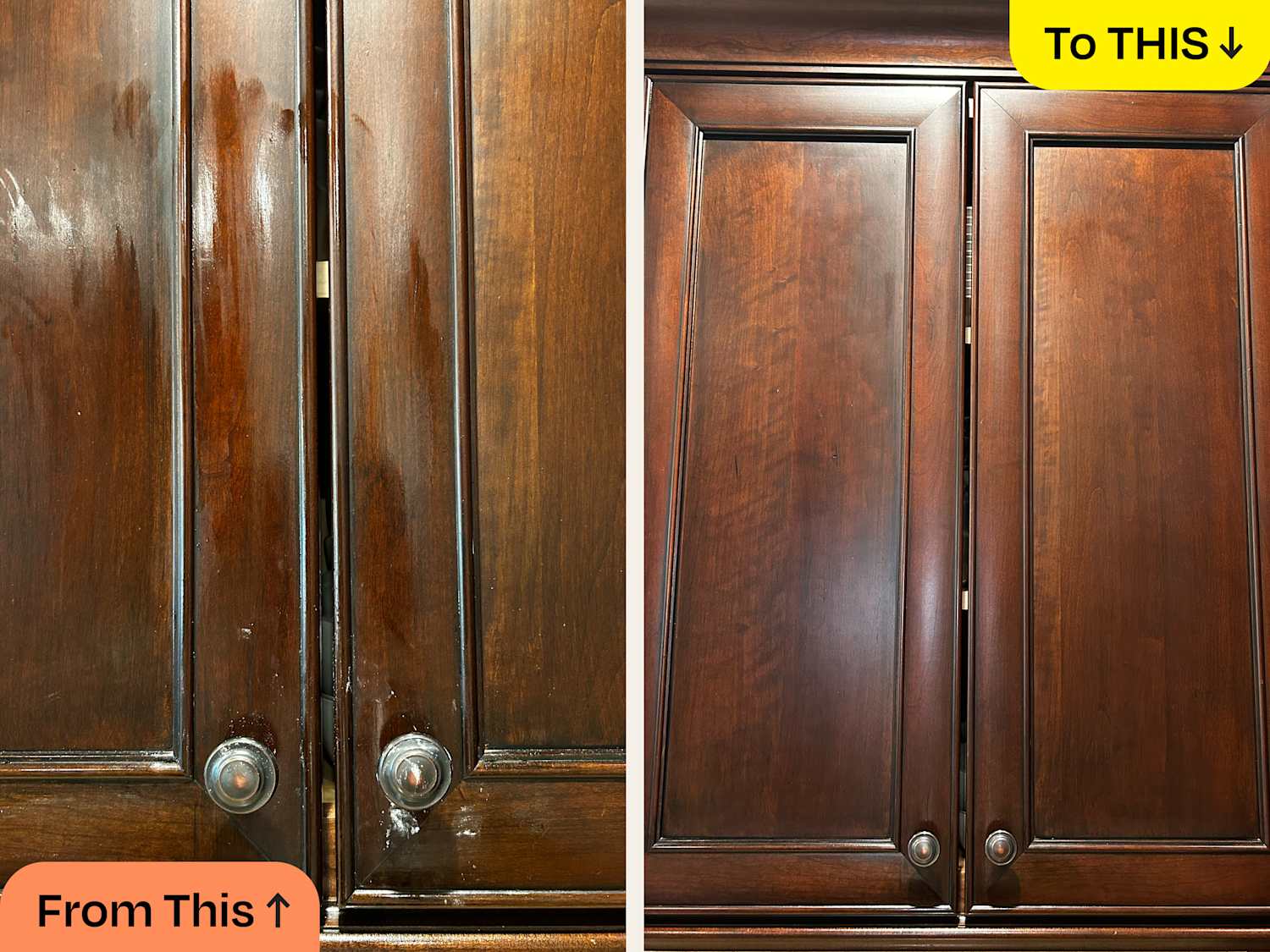
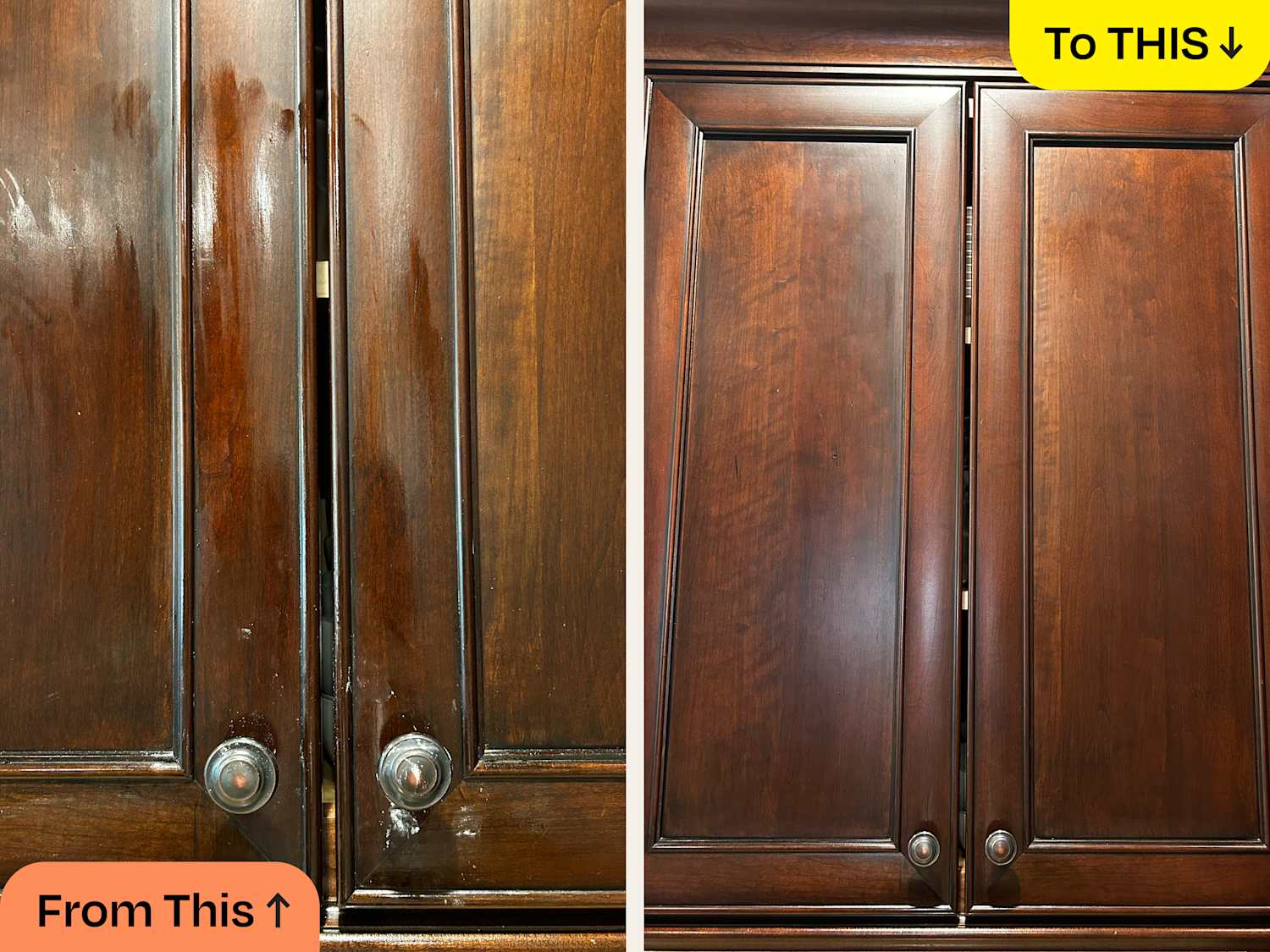
Are you tired of sticky, greasy kitchen cabinets? You’re not alone.
Many people struggle with keeping their kitchen cabinets clean and free from the stubborn residue that cooking inevitably leaves behind. But don’t worry—there’s a simple solution. Imagine opening your cabinets to find them sparkling clean, free of that dreaded greasy film.
This transformation is not only possible, but easier than you might think. You’ll discover effective and straightforward techniques to banish grease from your kitchen cabinets for good. Get ready to enjoy a cleaner, fresher kitchen that you’ll love spending time in. Keep reading to unveil the secrets to a grease-free kitchen!
Credit: www.facebook.com
Essential Cleaning Supplies
Grease on kitchen cabinets can be tackled with essential cleaning supplies like baking soda and vinegar. Scrub surfaces gently using a soft cloth or sponge. Regular cleaning helps maintain a fresh and tidy kitchen space.
Cleaning kitchen cabinets from grease requires the right supplies. These tools help make the process easier and more effective. Knowing what to use is key to achieving spotless results. Let’s explore the essential items that you need.Dish Soap
Dish soap is a powerful grease-fighting agent. Mix it with warm water for the best results. Use it to scrub away sticky residue on cabinets.White Vinegar
White vinegar is a natural cleaner. Its acidity helps break down grease. Mix equal parts vinegar and water for a safe cleaning solution.Baking Soda
Baking soda is a gentle abrasive. It helps lift stubborn grease without scratching surfaces. Make a paste with water and apply to affected areas.Microfiber Cloths
Microfiber cloths are perfect for wiping surfaces. They trap dirt and grease effectively. Use them to clean cabinets without leaving scratches.Sponge Or Scrubber
A sponge or scrubber is handy for tough spots. Choose one that won’t damage cabinet surfaces. Scrub gently to remove grease build-up.Spray Bottle
A spray bottle allows easy application of cleaning solutions. Fill it with your chosen mixture. Spray cabinets evenly before wiping.Old Toothbrush
An old toothbrush is useful for corners and crevices. It reaches spots a cloth can’t. Use it to scrub intricate areas with care.Bucket Or Bowl
A bucket or bowl is needed for mixing solutions. Keep it nearby for convenience. Use it to soak your cloths or sponges.Gloves
Gloves protect your hands during cleaning. Choose rubber or latex gloves. They prevent skin irritation from cleaning solutions. These supplies ensure a smooth cleaning process. Equip yourself with these essentials for a grease-free kitchen.Preparation Steps
Begin by removing all items from the cabinets to access surfaces easily. Mix warm water with mild dish soap, and use a soft cloth or sponge to wipe down the cabinets. Rinse with clean water and dry thoroughly to prevent moisture damage.
Cleaning kitchen cabinets from grease requires proper preparation. Before diving into scrubbing, it’s essential to set the stage for a smooth and effective cleaning process. This involves organizing your space and protecting areas that could be affected. Let’s explore the preparation steps that ensure your cleaning efforts are successful.Empty The Cabinets
Start by removing all items from the cabinets. This creates a clear space for cleaning. Take out dishes, pantry items, and any kitchen tools. Use this opportunity to check expiration dates and dispose of old items. Once empty, wipe down shelves to remove dust.Protect Surrounding Areas
Cover nearby surfaces with old towels or plastic sheets. This prevents cleaning solutions from spilling onto countertops or floors. If you have delicate surfaces, use painter’s tape to secure coverings. Protecting these areas saves time in post-cleaning efforts.Natural Cleaning Solutions
Cleaning kitchen cabinets can be a daunting task, especially with stubborn grease stains. Natural cleaning solutions offer a safe and effective way to tackle this problem. These methods are not only environmentally friendly but also gentle on your cabinets. Let’s explore some easy-to-make solutions that will leave your kitchen looking fresh and clean.
Baking Soda Paste
Baking soda is a powerful cleaning agent. It helps break down grease easily. To make a baking soda paste, mix three parts baking soda with one part water. Stir until it forms a thick paste. Apply the paste directly to greasy spots. Use a soft cloth to scrub gently. Rinse with warm water to remove residue. Baking soda also deodorizes, leaving a fresh scent.
Vinegar And Water Mixture
Vinegar is a natural degreaser. It cuts through grease and grime effectively. Mix equal parts of vinegar and water in a spray bottle. Spray the solution onto greasy areas. Let it sit for a few minutes. Wipe clean with a damp cloth. Vinegar also disinfects surfaces. It leaves them free of bacteria and germs. This mixture is safe for most cabinet finishes.
Commercial Cleaners
Cleaning kitchen cabinets from grease requires a few simple steps. First, mix warm water with dish soap. Then, gently scrub the cabinets with a soft cloth. Rinse with clean water and dry with a towel. Regular cleaning prevents grease buildup and keeps your kitchen looking fresh.
Commercial cleaners offer a quick solution for kitchen cabinets covered in grease. These products are designed to cut through stubborn grease layers, making your cleaning task easier. Choosing the right cleaner can save time and effort, ensuring your cabinets shine without damage.Degreaser Options
Different degreasers are available for tackling greasy cabinets. Some are spray-on solutions, allowing easy application on cabinet surfaces. Others come in liquid form, needing dilution before use. Look for products labeled as safe for wood to avoid damage. Check for eco-friendly options if you prefer a greener choice. Always read labels to ensure effectiveness on kitchen grease.Safety Precautions
Safety is important when using commercial cleaners. Wear gloves to protect your skin from harsh chemicals. Ensure good ventilation by opening windows or using fans. Avoid mixing different cleaners to prevent toxic fumes. Follow the instructions on the cleaner’s label closely. Keep cleaners out of reach of children and pets for safety.Cleaning Techniques
Remove grease from kitchen cabinets using a mixture of warm water and mild dish soap. Gently scrub surfaces with a soft sponge. Rinse with clean water and dry with a soft cloth.
Cleaning kitchen cabinets can feel like a daunting task, especially when battling stubborn grease. However, with the right techniques, your cabinets can look as good as new. It’s all about knowing which method suits your cabinets’ material and the level of grime you’re dealing with. Let’s explore two effective cleaning methods to tackle that greasy build-up.Soft Cloth Method
Using a soft cloth can be surprisingly effective for light grease. Start by mixing a gentle dish soap with warm water. Dip your soft cloth into this soapy solution, wring it out, and gently wipe down your cabinets. Make sure to cover all surfaces, including handles and edges. Rinse the cloth regularly in clean water to avoid spreading the grease around. After wiping, use a dry cloth to remove any moisture. This prevents water spots and keeps your cabinets looking fresh. It’s a simple technique, but it works wonders for maintaining a clean kitchen.Scrubbing With A Brush
For tougher grease stains, a brush might be your best ally. Choose a soft-bristled brush to avoid scratching your cabinet surfaces. Create a paste with baking soda and water, and apply it directly to the greasy spots. Gently scrub the area in circular motions, focusing on the most stubborn stains. Rinse with a clean, damp cloth to remove any residue. If you notice any remaining grease, repeat the process. This method is not only effective but also a good workout for your arms! Have you tried these techniques before? What method worked best for your kitchen cabinets? Share your thoughts in the comments below!Credit: www.facebook.com
Tackling Stubborn Grease
Grease on kitchen cabinets is a common issue. It can be tough to remove. Stubborn grease builds up over time, making cleaning a challenge. With the right approach, you can tackle even the most persistent grease. This guide will help you restore your cabinets to their former glory.
Using Heat To Loosen
Heat is a powerful ally in removing grease. Begin by filling a kettle with water. Bring it to a boil. Carefully pour the hot water into a heat-safe bowl. Place it inside the cabinet for 10 minutes. The steam softens the grease. Wipe away the softened grease with a cloth. Be cautious not to burn yourself.
Reapplying Cleaning Solution
Sometimes, a single cleaning pass isn’t enough. Reapply your chosen cleaning solution. Spray it generously over the greasy areas. Allow it to sit for several minutes. This gives the solution time to break down the grease. Use a soft brush to scrub the surface. Wipe clean with a damp cloth. Repeat until the grease is gone.
Post-cleaning Care
Post-cleaning care ensures your kitchen cabinets stay spotless and protected. After removing grease, attention to detail is vital. This process prevents future stains and enhances longevity. Follow these essential steps for optimal cabinet care.
Drying The Cabinets
Drying cabinets thoroughly prevents mold and water damage. Use a clean, dry cloth to wipe surfaces. Focus on corners and edges where moisture collects. Ensure cabinets are completely dry before moving to the next step.
Applying A Protective Finish
Protective finishes guard against future grease build-up. Choose a suitable cabinet polish or wax. Apply the finish evenly using a soft cloth. This adds shine and forms a barrier against dirt and grime. Repeat this process every few months for lasting protection.
Maintenance Tips
Grease buildup on kitchen cabinets can be cleaned using a mixture of vinegar and water. Spray the solution, let it sit, and wipe with a soft cloth. For stubborn spots, use baking soda mixed with water to gently scrub away residue.
Regular cleaning prevents grease accumulation and keeps cabinets looking fresh.
Keeping your kitchen cabinets free from grease isn’t just about the occasional deep clean. It’s about maintaining them with consistent care to prevent buildup. Let’s explore how a regular cleaning routine and preventative measures can make a significant difference in your kitchen’s cleanliness and longevity.Regular Cleaning Schedule
Establish a regular cleaning schedule that fits your lifestyle. You don’t have to spend hours scrubbing every week. Instead, aim for a quick wipe-down every few days. Use a gentle cleanser like a mix of water and mild dish soap. This prevents grease from settling and hardening, making it easier to clean later. Think of it as a small investment of time that pays off in a cleaner, healthier kitchen environment.Preventing Future Grease Buildup
Prevention is key when it comes to grease. Consider using grease-proof liners inside your cabinets. These liners are easy to clean and catch any mess before it reaches your cabinet surfaces. Choose materials like silicone or plastic that are easy to wipe down. Another handy tip is to install a good range hood with a powerful fan. It helps suck up grease particles before they settle on your cabinets. Ask yourself, how often do you change your cooking habits to reduce grease? Simple actions like covering pans with lids can minimize splatter. By staying proactive, you maintain a fresh and inviting kitchen, saving yourself time and effort in the long run.Credit: www.facebook.com
Frequently Asked Questions
How Do You Remove Greasy Residue From Kitchen Cabinets?
Use a mixture of vinegar and water to wipe down cabinets. Scrub gently with a sponge or cloth. Dry with a clean towel to avoid streaks. For stubborn grease, add baking soda to the mixture. Regular cleaning prevents buildup and keeps cabinets looking fresh.
What Is The Best Degreaser For Kitchen Cabinets?
The best degreaser for kitchen cabinets is Krud Kutter. It effectively removes grease and grime without damaging surfaces. Simple Green also works well, offering a non-toxic solution. Both options ensure clean and sparkling cabinets, enhancing your kitchen’s appearance. Choose based on your preference for natural or industrial-strength formulas.
Does Murphy’s Oil Soap Clean Greasy Kitchen Cabinets?
Yes, Murphy’s Oil Soap effectively cleans greasy kitchen cabinets. It removes grime and leaves a natural shine. Dilute the soap with warm water for best results. Use a soft cloth or sponge to gently scrub the surfaces. Always test on a small area first to ensure compatibility.
Does Magic Eraser Work On Greasy Cabinets?
Yes, Magic Erasers effectively clean greasy cabinets. They remove grime and stains without damaging surfaces. Simply dampen the eraser, then gently scrub the cabinet. Rinse with water and dry with a cloth. Test on a small area first to ensure no discoloration.
Conclusion
Cleaning kitchen cabinets is easier than you think. Start with the right tools. Use mild soap and warm water. Scrub gently to remove grease. Dry thoroughly to prevent damage. Regular cleaning keeps cabinets looking new. Avoid harsh chemicals to protect surfaces.
Remember, consistency is key. Clean spills promptly to prevent buildup. A clean kitchen feels fresh and inviting. Enjoy cooking in a spotless space. Keep cabinets tidy and organized. Your kitchen deserves care and attention. Follow these tips for a clean, grease-free environment.
Cooking becomes more enjoyable in a clean kitchen. Happy cleaning!

Similar Posts