What is Standard Height for Kitchen Counters: Essential Guide
When you’re setting up your dream kitchen, every detail counts. One crucial element that often goes unnoticed is the height of your kitchen counters.
Why does this matter to you? Well, the right counter height can make cooking a joy rather than a chore. Imagine effortlessly chopping vegetables without straining your back, or comfortably leaning over to roll out dough. The standard height for kitchen counters isn’t just a number; it’s the sweet spot that ensures your kitchen is both functional and comfortable.
As you read on, you’ll discover the ideal height that perfectly suits your needs, making your kitchen a space where you’ll love to spend time. Dive into this article to unlock the secrets of kitchen efficiency and comfort!
Standard Height Dimensions
Understanding the standard height dimensions for kitchen counters can help in planning your kitchen layout. It ensures comfort and efficiency during cooking and other kitchen activities. The right height can make a big difference in usability.
Standard Counter Height
The typical kitchen counter height is 36 inches. This height suits most people for general kitchen tasks.
Importance Of Consistent Height
Consistent counter height promotes a smooth workflow. It also helps in organizing the kitchen better.
Adjustments For Specific Needs
Some may need higher or lower counters. Consider personal height or mobility needs.
Counter height affects the overall kitchen design. It influences cabinet and appliance placement.
Global Variations
Counter heights can vary globally. Some regions prefer slightly different measurements.
Credit: www.angi.com
Factors Influencing Height
Standard kitchen counter height is typically 36 inches. This height suits most tasks and provides comfort. Factors like user height and kitchen design can influence adjustments.
When designing a kitchen, determining the right height for your kitchen counters is crucial. It’s more than just an aesthetic choice; it’s about functionality and comfort. Several factors influence the ideal counter height, ensuring that your kitchen is both beautiful and practical. Let’s dive into the specifics of what influences this decision.Ergonomic Considerations
Ergonomics plays a vital role in setting the standard height for kitchen counters. A counter that’s too high or too low can lead to discomfort and even long-term health issues. Imagine constantly bending over a low counter; it can strain your back and neck. Think about the tasks you perform daily. Chopping vegetables or rolling dough requires a comfortable height that minimizes strain. You want to ensure that your kitchen supports your movements, not hinders them.Average User Height
Your height directly impacts the ideal counter height. The average height of users in your household should be considered to ensure ease of use for everyone. If you’re taller or shorter than average, standard counter heights might not be suitable for you. Have you ever visited a friend’s kitchen and found it awkward to work because of the counter height? That’s why it’s essential to tailor your kitchen to your specific needs. Customizing your kitchen can make cooking a more enjoyable experience for everyone involved. Rethink your kitchen from a user’s perspective. What height feels natural to you? Personalizing your kitchen space can make all the difference in your daily routine.Customizing Counter Heights
When designing a kitchen, the standard counter height might not fit everyone’s needs. Customizing counter heights can greatly enhance your comfort and efficiency in the kitchen. Imagine preparing a meal without the strain of bending too low or reaching too high. It’s not just about aesthetics—it’s about creating a space that fits you perfectly.
For Taller Individuals
If you’re taller than average, the typical 36-inch counter might feel like it’s made for someone else. Raising the counter height can prevent back pain and make meal prep more enjoyable. A height of 38 to 40 inches often works well for taller individuals.
Consider how often you cook and the type of cooking you do. If you’re frequently chopping vegetables or kneading dough, a higher surface can make a big difference. Try standing at a counter with a book or two beneath your cutting board to test what height feels best.
For Shorter Individuals
Shorter individuals often find standard counters too high, leading to discomfort and even potential injury. Lowering the counter to around 32 to 34 inches can make it more accessible. This adjustment can transform your cooking experience from a chore to a joy.
Think about your kitchen tasks and how a lower counter might improve them. Would reaching for pots or using kitchen appliances be easier? Adjusting the counter height can make a profound difference in your kitchen efficiency.
Have you ever considered how a small change in your kitchen could improve your daily life? Customizing your counter height might be that change. Why settle for ‘standard’ when you can have what’s just right for you?
Impact On Kitchen Design
The height of kitchen counters is more than just a measurement; it’s a fundamental aspect that can significantly influence the overall design of your kitchen. A well-thought-out counter height can transform your kitchen into a space that is not only aesthetically pleasing but also functional and efficient. Think about it: how often do you find yourself adjusting your posture while chopping vegetables or kneading dough? This is where the design impact of counter height becomes apparent. Let’s delve into how the standard height can enhance your kitchen design.
Aesthetic Considerations
When planning your kitchen design, aesthetics play a crucial role. The standard counter height, typically around 36 inches, can create a harmonious balance between the cabinetry and appliances. Imagine a sleek, modern kitchen where the counters align perfectly with your oven or dishwasher. This symmetry is pleasing to the eye, creating a unified look. Moreover, the right counter height can enhance the visual flow of your kitchen, making it feel spacious and inviting.
Color and material choices can further accentuate this aesthetic harmony. Whether you opt for granite, wood, or laminate, the counter height influences how these materials are perceived. A slightly taller counter might highlight the elegance of marble, while a standard height can make vibrant colors pop. How does your current counter height fit into the aesthetic vision of your kitchen?
Functional Layout
Functionality is at the heart of kitchen design. The standard counter height is designed to optimize comfort and efficiency. Picture yourself preparing meals without straining your back or arms; this is the promise of a well-planned counter height. It ensures that tasks like chopping, mixing, and cleaning are done with ease, reducing fatigue.
Consider also how counter height affects storage and appliance integration. Cabinets and drawers are often designed to complement the counter height, maximizing storage space and accessibility. Appliances like dishwashers and ovens can be seamlessly integrated, making your kitchen workflow smooth and uninterrupted. Have you ever found yourself struggling to reach a shelf or appliance because of mismatched heights? A functional counter height could be your solution.
Building Codes And Regulations
Standard kitchen counter height is usually 36 inches from the floor. This measurement ensures comfort and accessibility for most tasks. Builders often follow this guideline to comply with regulations and provide a uniform kitchen experience.
Building a kitchen that fits both your lifestyle and legal requirements can be a daunting task. One of the key elements to consider is the height of your kitchen counters. Building codes and regulations ensure safety and functionality, but can sometimes feel like a maze of numbers and rules. Understanding these codes can help you make informed decisions and avoid costly mistakes.Understanding Building Codes
Building codes are in place to ensure that kitchen counters meet safety and accessibility standards. These regulations vary by region, so it’s crucial to check your local codes. Typically, the standard height for kitchen counters is around 36 inches from the floor. This height is designed to accommodate the average adult, allowing for comfortable food preparation and cooking.The Role Of Accessibility Standards
Accessibility standards are especially important if you or a family member have mobility challenges. The Americans with Disabilities Act (ADA) suggests a counter height of 34 inches for wheelchair accessibility. This slight adjustment can make a significant difference in ensuring everyone can use the kitchen comfortably. Consider the needs of all household members when deciding on the counter height.Local Regulations And Variations
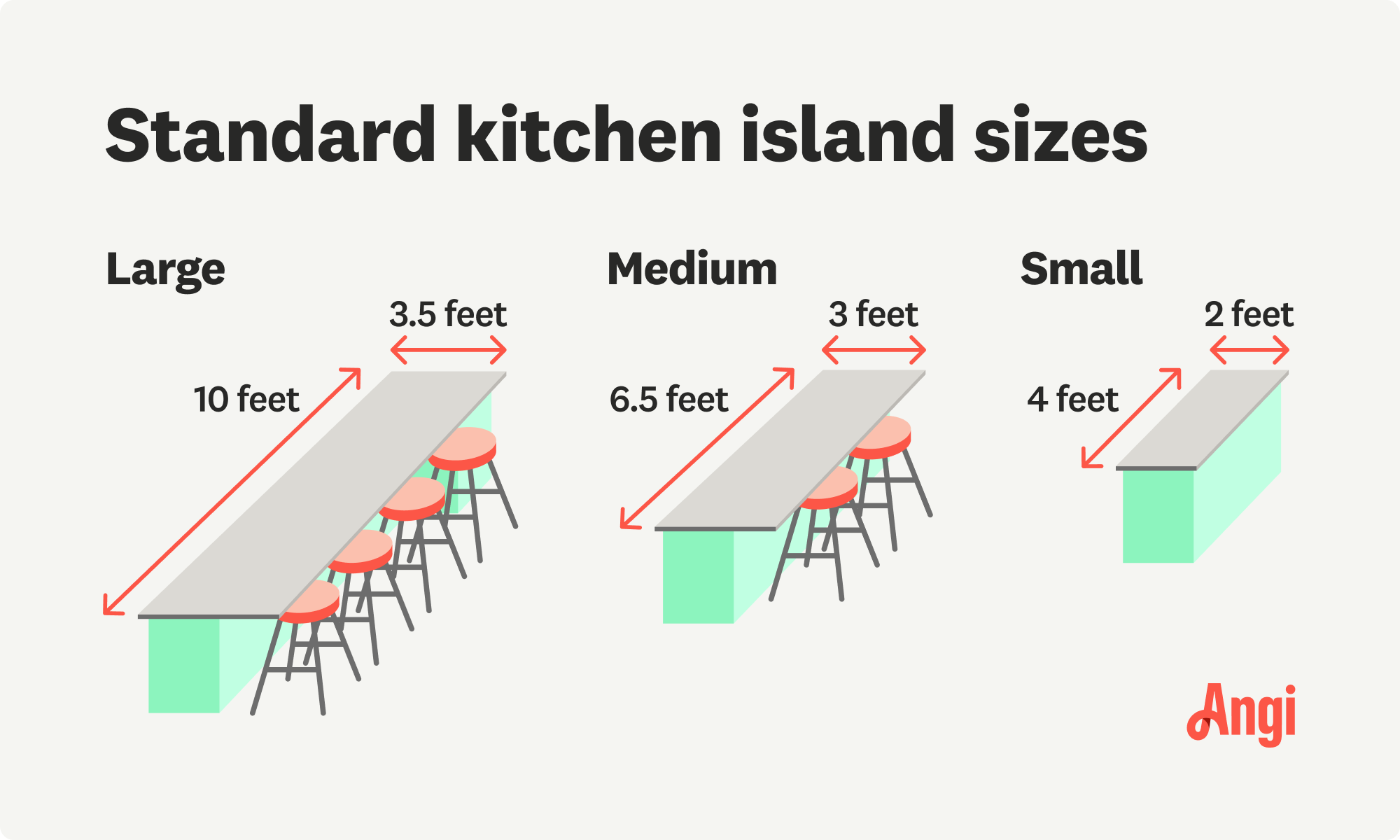
While there is a general standard, local regulations can introduce variations. For instance, some areas might have specific requirements for kitchen islands or peninsulas. It’s always a good idea to consult with a local contractor or building inspector. They can provide insights specific to your area, ensuring your kitchen not only looks great but is also compliant with local laws.What Happens If You Don’t Comply?
Non-compliance with building codes can lead to several issues. You might face fines, or be required to make costly adjustments after construction. Moreover, non-compliance can affect the resale value of your home. Would you want to risk these complications for a few inches of countertop height?Tips For Homeowners
– Research Thoroughly: Familiarize yourself with both national and local building codes. – Consult Professionals: Hiring a knowledgeable contractor can save you time and stress. – Think Long-Term: Consider how your needs might change over time, especially if aging in place is a goal. In summary, understanding building codes and regulations isn’t just about following rules—it’s about creating a kitchen that is both functional and safe for everyone who uses it. By considering these codes early in your planning process, you can avoid headaches down the road and enjoy a kitchen that serves your needs beautifully.
Credit: uk.pinterest.com
Choosing The Right Counter Height
Standard kitchen counter height typically measures 36 inches from the floor. This height suits most tasks comfortably. Consider adjustments for special needs or preferences.
Choosing the right counter height can transform your kitchen from a functional space to a delightful area where you love to cook and entertain. It’s not just about sticking to standards; it’s about creating a space that feels comfortable and meets your needs. Let’s delve into the practical tips and insights on achieving the perfect counter height for your kitchen.Practical Tips
Start by considering who will be using the kitchen the most. If you often cook with family or friends, the standard height of 36 inches might not suit everyone. Adjusting the height a couple of inches up or down could make all the difference. Think about how you use your kitchen. Do you frequently chop vegetables, knead dough, or lean on the counters? A slightly lower counter might be more ergonomic for tasks that require sitting or leaning. Experiment by simulating different counter heights using adjustable tables or stacking items. This hands-on approach can help you visualize the space and discover what feels comfortable.Consulting Professionals
Sometimes, getting professional advice can save you from costly mistakes. Kitchen designers and contractors can offer insights based on experience and industry standards. Professionals can help you balance aesthetics and functionality. They might suggest custom solutions like tiered counters, which cater to different activities and preferences. Ask questions about materials and durability. Choosing the right height is crucial, but ensuring the counter withstands daily wear is equally important.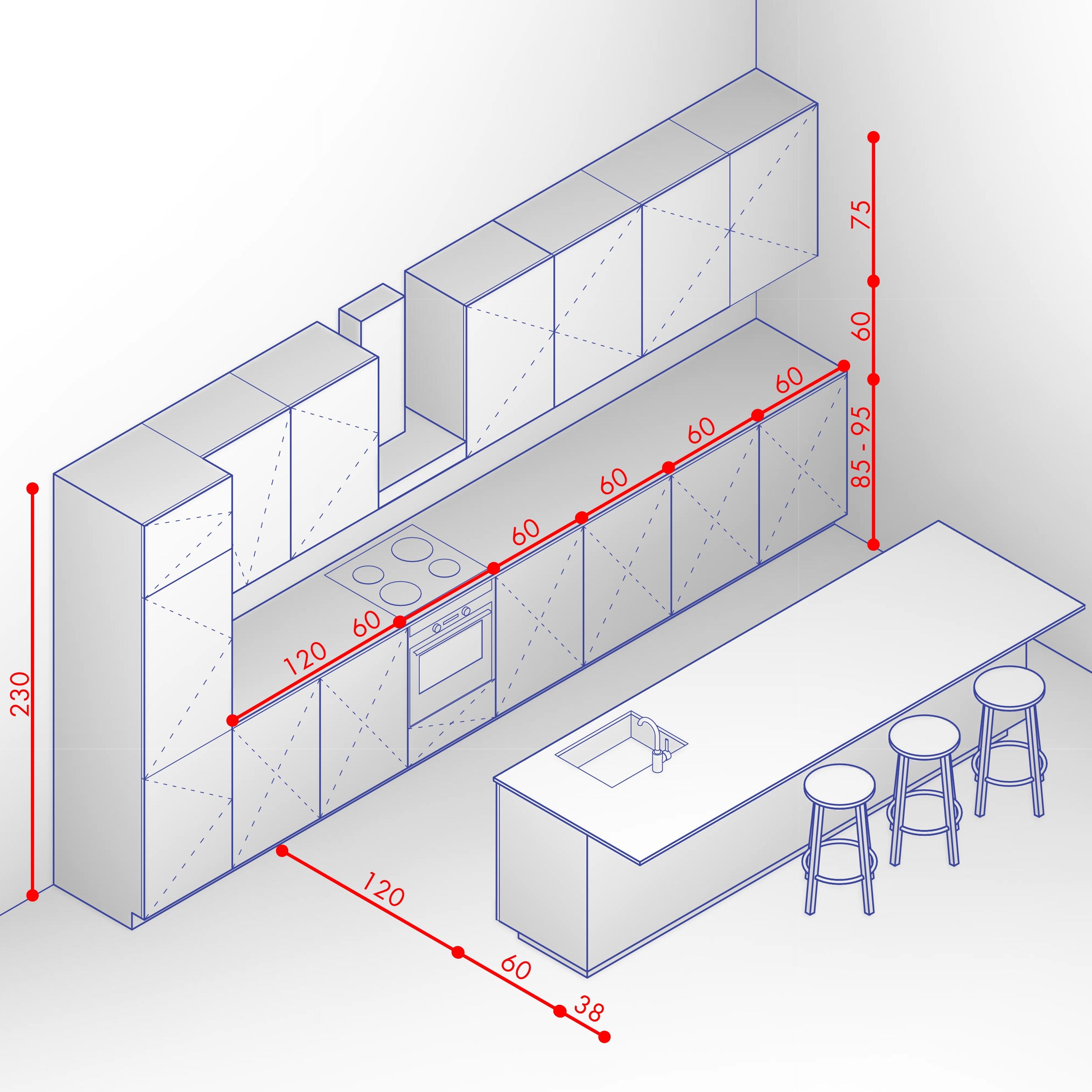
Credit: postdigitalarchitecture.com
Frequently Asked Questions
What Is The Best Height For A Kitchen Counter?
The ideal kitchen counter height is typically 36 inches from the floor. This height suits most users for comfortable cooking and meal preparation. Adjustments might be needed for taller or shorter individuals to ensure ergonomic efficiency and comfort. Consider specific needs to determine the best height for your kitchen.
Is 37 Inches Too High For A Kitchen Countertop?
A 37-inch countertop height may be slightly higher than the standard 36 inches. Comfort depends on individual preferences and needs. Some people may find it ergonomic, especially taller individuals. Consider consulting a kitchen designer for personalized advice to ensure comfort and functionality in your kitchen space.
What Is The Most Popular Kitchen Countertop Right Now?
Quartz countertops are currently the most popular choice for kitchens. They offer durability, low maintenance, and a wide variety of colors. Homeowners prefer quartz for its non-porous surface and modern appeal. Its combination of style and practicality makes it a top choice in kitchen design.
What Is A Comfort Height Countertop?
A comfort height countertop is typically 36 inches tall. It’s designed to match the standard kitchen counter height, providing ergonomic benefits and reducing strain while standing. This height is ideal for tasks like cooking and washing, making it a popular choice in modern kitchens.
Conclusion
Choosing the right kitchen counter height is important. It impacts comfort and functionality. Standard counter height is usually around 36 inches. This suits most people well. It helps in cooking and cleaning tasks. Consider your kitchen space and personal needs.
Think about who uses the kitchen most. Sometimes, adjustments are necessary for taller or shorter individuals. Always aim for a balance between style and practicality. A well-chosen counter height enhances your kitchen experience. It makes daily tasks easier and more enjoyable.
Remember, small changes can make a big difference. Your kitchen should be a space you love.