
What is the Kitchen in Pickleball: Unveiling Secrets
Imagine stepping onto the pickleball court with confidence, knowing exactly how to play like a pro. One key element you must master is the “kitchen.”
If you’re new to pickleball or even if you’ve played a few games, you might be scratching your head and wondering, “What is the kitchen in pickleball? ” You’re not alone. Understanding this peculiar term is crucial for elevating your game and avoiding common mistakes that can cost you points.
You’ll discover the secrets of the kitchen, why it’s essential, and how mastering this concept can sharpen your skills and give you a competitive edge. Ready to transform your gameplay? Let’s dive in!

Credit: www.facebook.com
Origins Of The Kitchen
The kitchen in pickleball is a unique aspect of the game. It adds a strategic layer that players must navigate. This section explores how the kitchen originated and its role in pickleball.
The term “kitchen” comes from the early days of pickleball. Players needed a space near the net to prevent constant smashes. This led to the creation of the non-volley zone.
Why It’s Called The Kitchen
The name “kitchen” might seem unusual. It is believed to be inspired by shuffleboard terminology. In shuffleboard, the “kitchen” refers to the penalty area. Pickleball adopted this term for its non-volley zone.
Evolution Over The Years
Initially, the kitchen was a simple area. As pickleball grew, rules around the kitchen evolved. Its importance in strategy and gameplay increased significantly.
Impact On Game Strategy
The kitchen affects how players approach the game. It limits aggressive play near the net. Players must develop precise shots and a careful approach when near the kitchen.
Rules Of The Kitchen
The kitchen in pickleball is a no-volley zone near the net. Players can’t hit the ball in the air while standing in this area. This rule encourages strategic gameplay and ensures fair competition. Understanding the kitchen’s boundaries is key for players to excel in pickleball.
Understanding the rules of the Kitchen in pickleball can be the difference between a triumphant win and a frustrating loss. The Kitchen, or the non-volley zone, is a unique aspect of pickleball that requires players to be strategic and precise. As you dive into the intricacies of this area, you’ll discover that mastering these rules isn’t just about avoiding mistakes—it’s about gaining a competitive edge. Here’s how you can navigate the Kitchen like a pro.What Is The Non-volley Zone?
The Kitchen is a 7-foot area on both sides of the net. It extends from the net to the non-volley line. This zone is vital because you cannot volley the ball while standing in it.Why Is It Called The Kitchen?
The term ‘Kitchen’ might sound quirky, but it serves as a memorable reminder of where not to stand when volleying. It’s a catchy way to remember that you need to step back before executing a volley shot. Understanding the Kitchen rules can elevate your game. Here are some essentials:- Stay Out of the Zone:Players cannot volley the ball while inside the Kitchen. You must first step out and then make your move.
- Line Is Part of the Kitchen:If you step on the line while volleying, it counts as a fault. Always be mindful of your footing.
- Momentum Matters:After a volley, momentum can pull you into the Kitchen. Keep your balance to avoid stepping in.
- Ball Bouncing is Key:You can enter the Kitchen to play a ball that has bounced. Just be sure not to volley while inside.
The Impact Of Kitchen Rules On Your Strategy
Kitchen rules don’t just prevent faults—they shape your strategy. Play close to the non-volley line to control the game, but stay ready to step back quickly. This positioning can intimidate opponents and give you the upper hand.Common Mistakes And How To Avoid Them
Many players, especially beginners, struggle with stepping on the line or losing balance. Practice drills focusing on footwork can enhance your agility and awareness. Record your games to spot and correct these errors.Personal Experience: A Game-changing Moment
I once lost a crucial point by stepping into the Kitchen during a tense match. That mistake taught me to pay closer attention to my stance. Now, I practice staying light on my feet, which has significantly improved my gameplay. Remember, mastering the Kitchen is not just about following rules—it’s about leveraging them to your advantage. So next time you’re on the court, think of the Kitchen as your secret weapon. How will you use it to outsmart your opponents?Impact On Gameplay
The “kitchen” in pickleball is the non-volley zone near the net. This area affects gameplay significantly. Players must approach the kitchen with caution. Missteps can lead to lost points. Understanding its impact can improve your game.
Strategy And Tactics
Players use the kitchen for strategic advantage. Positioning is key. Staying alert helps in anticipating opponent moves. Quick reactions are crucial. Control and precision are important for success. Effective kitchen play requires practice.
Common Mistakes
Many players make errors in the kitchen. Stepping into the zone accidentally is common. It leads to faults. Overhitting the ball often results in missed opportunities. Poor positioning can cause issues. Avoiding these mistakes enhances your gameplay.

Credit: www.playpickleball.com
Techniques For Navigating The Kitchen
The kitchen in pickleball is a non-volley zone, crucial for strategic play. Players must avoid stepping in while hitting volleys, enhancing precision and control. Mastering this area requires agility and quick decision-making.
Navigating the kitchen in pickleball is a skill that separates the amateurs from the experts. It’s the area of the court where finesse and strategy come into play. Whether you’re a beginner or looking to refine your game, mastering techniques for navigating the kitchen can elevate your play. Let’s dive into how footwork, positioning, and effective shot selection can make you a formidable player in this crucial zone.Footwork And Positioning
Positioning is key in the kitchen. Stand firm but flexible, ready to react swiftly to any shot. Your feet should be shoulder-width apart to maintain balance. Quick lateral movements can help you cover more ground. Anticipate your opponent’s moves by keeping your paddle up and eyes focused on the ball. This proactive stance can make all the difference.Effective Shot Selection
Choosing the right shot in the kitchen can turn the tide in your favor. Short dinks can keep your opponents on their toes, forcing errors. Aim for placement over power. A well-positioned shot can be more effective than a hard hit. Mix up your shots to keep your opponents guessing. A combination of soft and sharp angles can disrupt their rhythm and give you the upper hand. Remember, the kitchen is not just a place on the court; it’s where strategy thrives. How will you navigate it to outplay your opponents?Practicing Kitchen Skills
Practicing your kitchen skills in pickleball can be a game-changer. The kitchen, also known as the non-volley zone, is a critical area where many points are won or lost. Mastering this space requires dedication and specific practice techniques.
Drills And Exercises
Effective drills can significantly enhance your performance in the kitchen. Start with the “Dink Rally” drill, where you and a partner stand just outside the kitchen line and practice dinking the ball back and forth. This drill sharpens your control and precision.
Another beneficial exercise is the “Kitchen Volley” drill. Here, you focus on fast exchanges at the net. This helps improve your reaction time and ability to handle quick volleys. Remember, consistency is key, so repeat these drills regularly.
Solo Practice Tips
Don’t have a partner? No problem. You can still practice solo and improve your kitchen skills. One effective method is to use a rebound wall.
Stand close to the wall and hit the ball softly against it, aiming for consistent dinks. This solo practice helps you develop better ball control and touch.
Another tip is to mark a kitchen zone on your driveway or use a chalk line in your backyard. Practice keeping your feet outside the line while hitting the ball. This will reinforce your awareness of the kitchen boundaries.
What innovative ways have you found to practice your kitchen skills? Share your thoughts and experiences in the comments below!
Advanced Kitchen Strategies
The kitchen in pickleball, also known as the non-volley zone, is crucial for strategic play. Mastering advanced strategies here can greatly improve your game. Understanding and utilizing various techniques in this area can create significant advantages.
Dinking Techniques
Dinking is a soft shot used to control the game. Use gentle wrist movements to keep the ball low. Aim for your opponent’s feet to make it hard for them to return. Vary your dinks to keep opponents guessing. Short dinks force them into awkward positions. Longer dinks stretch their reach. Practice precision to gain control.
Creating Opportunities
Creating opportunities in the kitchen involves smart placement. Hit shots that make opponents move. This opens up space on the court. Look for gaps between players. A well-placed shot can lead to a scoring chance. Use angles to your advantage. Sharp angles can surprise opponents. Be aware of their position to exploit weaknesses.
Common Misconceptions
Many believe the kitchen in pickleball is an area for cooking. It’s actually a non-volley zone near the net. Players can’t hit volleys in this zone, adding a strategic element to the game.
Understanding the ‘kitchen’ in pickleball can be quite perplexing, especially for newcomers. It’s a term that often leads to confusion and amusing misconceptions. As pickleball gains popularity, players must grasp the rules associated with this unique zone. Let’s debunk some common misconceptions and ensure you step onto the court with clarity.Misconception: The Kitchen Is A Cooking Area
Some players might humorously think the kitchen involves cooking or culinary skills. Rest assured, there’s no need for pots and pans in this part of the court. The kitchen is a seven-foot zone on either side of the net, officially known as the non-volley zone. It’s a critical area where volleys are prohibited, and mastering its rules can give you an edge in your game.Misconception: You Can’t Enter The Kitchen At All
A prevalent misunderstanding is that stepping into the kitchen is forbidden. This isn’t the case. You can enter the kitchen anytime, but you cannot volley the ball while in it. Understanding this can help you strategically place yourself on the court. Think of the kitchen as a tactical zone rather than a restricted area.Misconception: The Kitchen Rules Are Only For Beginners
It might surprise you that some believe kitchen rules only apply to novice players. In reality, these rules are crucial for everyone, from beginners to seasoned pros. The kitchen rules level the playing field, preventing unfair advantages and encouraging skillful play. Experienced players use the kitchen to their advantage, showcasing strategic finesse.Misconception: The Kitchen Is Just A Physical Space
While the kitchen is a defined area on the court, its impact goes beyond physical boundaries. It influences strategies and tactics, shaping how players approach the game. Understanding the kitchen’s role in gameplay can transform your pickleball experience. How do you use the kitchen to outsmart opponents and elevate your skills? By shedding light on these misconceptions, you can step into the pickleball court with confidence, ready to embrace the kitchen as a vital part of your game strategy.Role Of The Kitchen In Competitive Play
The kitchen in pickleball is a non-volley zone, adding strategic depth to competitive play. Players must navigate this area with precision, balancing attack and defense to gain an edge. Understanding the kitchen’s role enhances gameplay, making it a key factor in winning matches.
The kitchen in pickleball is a crucial area on the court. It affects how players compete. Understanding its role is essential for competitive play. The kitchen is a non-volley zone. It prevents players from smashing the ball at the net. This rule adds strategy to the game. Players must be precise and smart. Positioning is key. Let’s explore how the kitchen impacts competitive play.Professional Insights
Professional players view the kitchen as a strategic zone. It limits aggressive plays. Players must develop finesse and control. Many professionals practice dinking. Dinking involves gently hitting the ball into the kitchen. It forces opponents to move forward. This technique can disrupt the opponent’s rhythm. Professionals use this to their advantage. They create opportunities for winning shots.Tournament Scenarios
In tournaments, the kitchen plays a pivotal role. Matches often involve intense kitchen play. Players engage in long dinking rallies. These exchanges test patience and skill. A well-placed dink can shift momentum. Skilled players dominate the kitchen. They control the pace of the game. Judges watch closely for kitchen violations. Stepping into the kitchen while volleying results in penalties. Awareness and footwork are vital in these scenarios.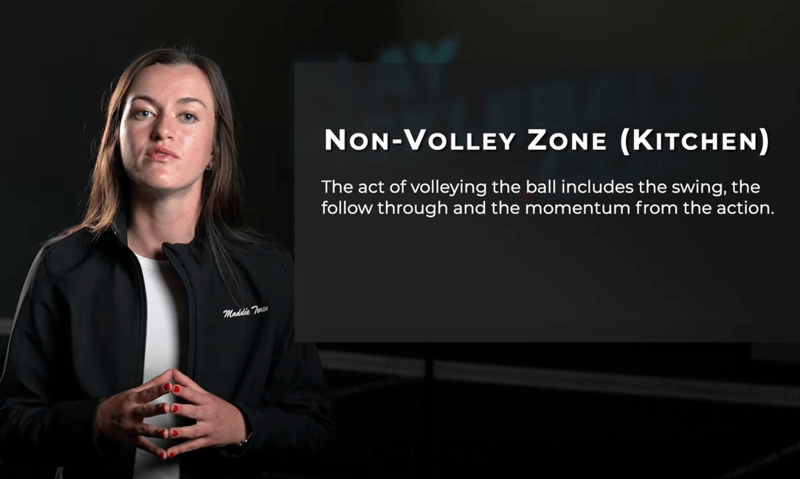
Credit: www.playpickleball.com
Frequently Asked Questions
What Do You Do In The Kitchen In Pickleball?
In pickleball, players avoid standing in the kitchen, also known as the non-volley zone. This zone prevents volleys, encouraging strategic play and enhancing game dynamics. Players aim to stay outside the kitchen to hit volleys, while maintaining control and precision during the game.
Why Is It Called A Kitchen In Pickleball?
The kitchen in pickleball is a non-volley zone, named for its resemblance to a forbidden cooking area. Players can’t hit volleys here, adding strategic depth to the game. This unique term enhances the sport’s distinct identity and challenges players to master precise shots and footwork.
Can You Hit A Ball That Bounces In The Kitchen?
Yes, you can hit a ball that bounces in the kitchen. In pickleball, the kitchen is a non-volley zone. Players must let the ball bounce before hitting it if they are in this zone. This rule prevents players from volleying the ball too close to the net.
Why Is The Kitchen Called The Kitchen?
The term “kitchen” comes from the Latin word “coquina,” meaning cooking. Over time, it evolved through Old English “cycene” to become “kitchen. ” The kitchen is the designated space for preparing meals, emphasizing its core function in homes. This historical evolution reflects its central role in culinary activities.
Conclusion
The kitchen in pickleball adds a unique twist to the game. It challenges players to refine their skills and strategy. Staying out of the kitchen demands precision and control. This area tests agility and quick thinking. Understanding kitchen rules helps improve your pickleball performance.
Practicing kitchen strategies can elevate your overall gameplay. Engage with it wisely to enjoy a thrilling match. Remember, the kitchen is not just a boundary; it’s a key part of the game. Embrace its challenge and have fun playing pickleball!


