How Do I Clean My Kitchen Sink Drain: Expert Tips
Have you ever noticed a strange odor wafting up from your kitchen sink? Or maybe your drain seems to empty a little slower than usual.
These are signs that your kitchen sink drain needs a good cleaning. You might be thinking, “How do I clean my kitchen sink drain without calling a plumber? ” Luckily, you’re in the right place. This article is here to guide you through simple, effective methods to keep your drain fresh and flowing smoothly.
You’ll learn quick tricks that can save you time and money, all while keeping your kitchen smelling pleasant. Stick around to uncover easy steps that will transform your kitchen sink drain from grimy to gleaming, making your daily kitchen tasks a breeze.

Credit: www3.drano.com
Common Drain Clogging Causes
Grease, food particles, and soap scum often cause kitchen sink clogs. Regular cleaning can prevent these blockages. Use baking soda and vinegar to help clear the drain naturally.
Cleaning your kitchen sink drain might not be the most glamorous task, but understanding what causes those nasty clogs can save you time and frustration. You might have noticed that your drain seems to slow down or emit unpleasant odors periodically. Ever wondered why? The answer often lies in what goes down the drain daily. From leftover food scraps to cooking grease, these seemingly harmless substances can wreak havoc on your plumbing. Let’s dive into some common culprits that might be causing your sink drain to clog.Food Scraps
Despite having a garbage disposal, food particles can accumulate and stick to the inner walls of your pipes. Over time, this buildup can lead to blockages. Next time you’re rinsing off plates, think twice about what’s going down the drain. Are you letting those pasta remnants flow into the abyss, or are you scraping them into the trash?Grease And Oil
It’s easy to think liquid grease will simply wash away, but as it cools, it solidifies. This hardened oil creates a sticky surface that traps other debris. When you pour used cooking oil down the drain, imagine it forming a stubborn layer that refuses to budge. Would you rather deal with a clogged drain or dispose of grease properly?Soap Residue
Soap may seem harmless, but it can leave behind a residue known as soap scum. This scum can accumulate, especially when combined with hair and other particles, leading to slow drainage. You might want to reconsider the type of soap you use if your sink drains sluggishly. Is the convenience of your soap worth the hassle of frequent clogs?Mineral Buildup
Hard water can be a hidden enemy in your plumbing. The minerals in hard water can gather inside your pipes, reducing their diameter and efficiency. If your area has hard water, you might see white spots around the sink—those same minerals are lining your pipes. How often do you think about the quality of water that flows through your home?Hair And Fibers
While it’s more common in bathroom drains, hair and fibers can still find their way into the kitchen sink. Whether it’s from cleaning brushes or cloth fibers, these strands can combine with grease and soap to form formidable blockages. The next time you’re cleaning, consider where those stray fibers end up. Could they be contributing to your drainage woes? Understanding these common causes can help you maintain a clean and efficient kitchen sink drain. By being mindful of what goes down the drain, you can prevent those pesky clogs and keep your kitchen running smoothly.
Credit: www.express.co.uk
Essential Tools And Materials
Baking soda, vinegar, and a scrub brush are essential for cleaning your kitchen sink drain. Use hot water to rinse away debris and ensure a fresh, odor-free sink. Regular cleaning prevents clogs and maintains hygiene.
Cleaning your kitchen sink drain is essential for maintaining hygiene. It prevents unpleasant odors and clogs. Knowing which tools and materials to use makes this task much easier. Below are some essential items that will help you efficiently clean your kitchen sink drain.Plunger
A plunger is useful for removing blockages. It creates suction that loosens debris stuck in the drain. Use it regularly to maintain a clear path for water flow.Drain Snake
A drain snake reaches deep into the pipes. It captures and removes stubborn clogs. Opt for one with a flexible design for easy maneuvering.Baking Soda And Vinegar
These common household items can clean and deodorize your drain. Baking soda and vinegar react to break down grime and eliminate odors. They’re safe and effective for regular use.Rubber Gloves
Protect your hands with rubber gloves. They keep your skin safe from harsh chemicals and debris. Choose a pair that is durable and comfortable.Bucket Or Bowl
A bucket or bowl is necessary to catch excess water. It prevents spills and keeps your kitchen tidy. Ensure it is large enough to hold a significant amount of water.Old Toothbrush
An old toothbrush scrubs hard-to-reach spots. It effectively removes dirt and buildup. Use it for detailed cleaning around the drain area.Microfiber Cloth
A microfiber cloth wipes surfaces clean. It absorbs moisture and polishes the sink area. Choose one that is washable and reusable for sustainability. These tools and materials ensure a thorough cleaning process. They help maintain the functionality of your kitchen sink drain. Regular maintenance prevents serious plumbing issues.Natural Cleaning Solutions
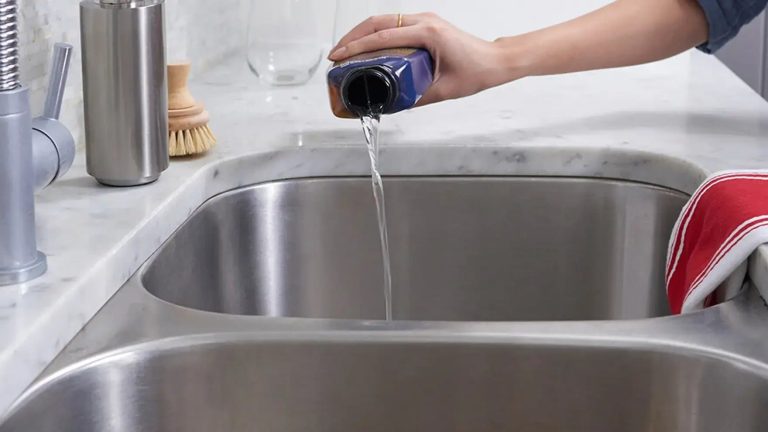
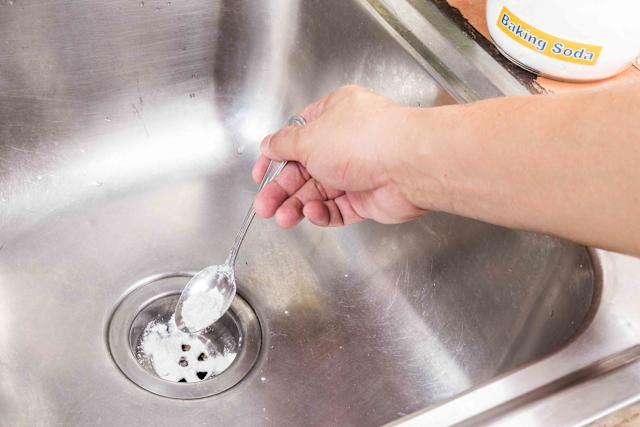
Baking soda and vinegar offer an effective way to clean kitchen sink drains. Pour half a cup of baking soda followed by half a cup of vinegar into the drain. Let the mixture fizz for a few minutes, then rinse with hot water.
This natural solution helps remove residue and odors.
Cleaning your kitchen sink drain can often seem like a daunting task, especially when faced with stubborn clogs and unpleasant odors. However, before reaching for harsh chemicals, why not try some natural cleaning solutions that are not only effective but also eco-friendly? These methods have been handed down through generations, proving their efficacy time and time again. With ingredients you likely already have at home, you can restore your kitchen sink to its clean and fresh state effortlessly. So, why not give these natural solutions a try?Baking Soda And Vinegar
One of the most tried-and-true methods involves the dynamic duo of baking soda and vinegar. Start by pouring a half cup of baking soda down the drain. Follow it up with a cup of vinegar. As they combine, you’ll witness a fizzy reaction that helps break down grime and debris clogging your pipes. Let the mixture sit for about 15 minutes. In the meantime, boil a pot of water. Once ready, pour the hot water down the drain to flush away the loosened build-up. This simple yet powerful method can be a game-changer for maintaining a clean drain. Have you tried it yet?Lemon And Salt
Another refreshing natural solution involves lemon and salt, which not only cleans but also leaves your sink smelling citrusy fresh. Begin by slicing a lemon in half. Generously sprinkle salt over the cut surface of the lemon. Use the lemon half to scrub the drain opening and surrounding area. The natural acidity of the lemon helps dissolve residue, while the abrasiveness of the salt scrubs away grime. Rinse the area with warm water. The result? A sparkling clean sink that smells amazing. Who knew cleaning could be this pleasant? Give these natural solutions a shot next time your sink drain needs a little TLC. You’ll be surprised at how effective they can be, all while keeping your kitchen environment friendly.Chemical Drain Cleaners
To clean your kitchen sink drain, use chemical drain cleaners for effective results. These cleaners dissolve clogs and remove build-up quickly. Always follow safety instructions for best outcomes.
Chemical drain cleaners can be the superheroes of your cleaning arsenal when your kitchen sink drain is stubbornly clogged. These potent solutions are designed to dissolve clogs caused by grease, food particles, and other debris. However, they come with their own set of rules and safety measures that you should always keep in mind.When To Use
Chemical drain cleaners are best used when simple home remedies like baking soda and vinegar fail to clear the clog. They are particularly effective against greasy build-ups, which are common in kitchen sinks. But it’s crucial to use them sparingly, as overuse can damage your pipes over time.Safety Precautions
Before you reach for that bottle of drain cleaner, ensure you’re fully prepared. Always wear gloves and eye protection to prevent any accidental splashes on your skin or eyes. It’s also wise to ventilate the area by opening a window or turning on a fan. Never mix chemical cleaners with other substances. Mixing can create dangerous fumes or cause a hazardous reaction. Follow the instructions on the label carefully, and if in doubt, consult a professional plumber. Have you ever found yourself with a clogged sink just before guests arrive? That panic can lead to hastily grabbing a chemical cleaner without reading the instructions. Resist the urge. Properly using these products can save you from future plumbing disasters and ensure a clean and functional kitchen.Step-by-step Cleaning Guide
Cleaning your kitchen sink drain involves simple steps. Start by removing visible debris and use a baking soda and vinegar mix to clear clogs. Rinse with hot water for a fresh finish.
Cleaning your kitchen sink drain might not top your list of exciting weekend activities, but maintaining it can prevent unpleasant odors and blockages. Imagine the satisfaction of a fresh-smelling kitchen and a sink that drains effortlessly. With a clear guide, you can tackle this task with confidence and efficiency.Initial Preparation
Start by gathering all your cleaning supplies. You’ll need rubber gloves, a scrub brush, baking soda, vinegar, and a flashlight. Ensure your sink is empty and give it a quick rinse to remove any loose food particles.Removing Visible Debris
Use your flashlight to inspect the drain for visible debris. Wearing gloves, manually remove any food scraps or gunk that might be clogging the opening. This simple action can sometimes solve slow-draining issues immediately.Applying Cleaning Solutions
Sprinkle a generous amount of baking soda down the drain. Follow it with a cup of vinegar, and watch as the fizzing action helps dislodge grime. Let the mixture sit for 15 minutes to work its magic.Rinsing And Testing
After the waiting period, flush the drain with boiling water. This helps to wash away loosened debris and sanitize the area. Test your work by running the tap to see if the water drains smoothly, and enjoy the fresh scent that fills your kitchen. Cleaning your kitchen sink drain can be a surprisingly satisfying task. Have you ever thought about how much easier cooking will be with a clean, efficient sink? Taking these small steps can lead to a big improvement in your kitchen’s functionality and hygiene.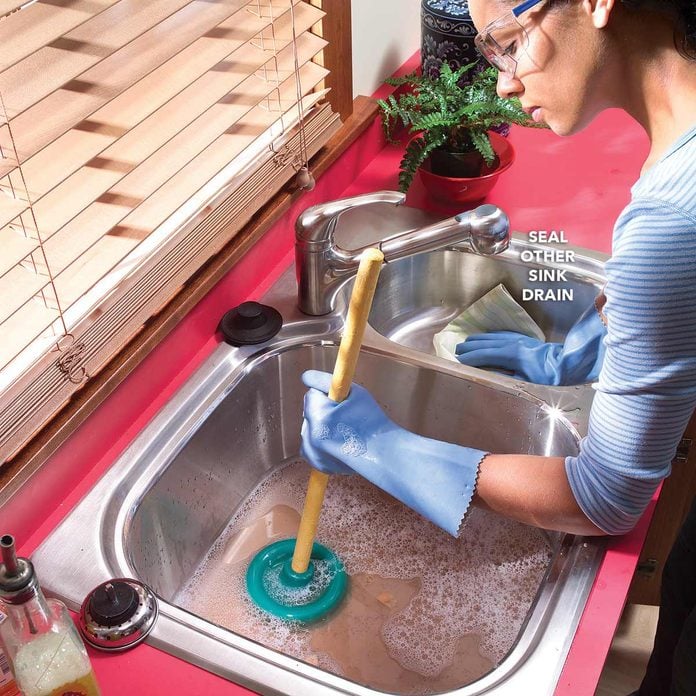
Credit: www.familyhandyman.com
Preventive Maintenance Tips
Keeping your kitchen sink drain clean isn’t just about tackling clogs when they happen—it’s about preventing them in the first place. With a few simple preventive maintenance tips, you can keep your drain in optimal condition and avoid those pesky plumbing issues. Let’s dive into some practical strategies that will make a real difference.
Regular Flushing
Regular flushing is like giving your drain a spa day. It keeps things flowing smoothly by washing away residue before it builds up. Every week, pour a kettle of boiling water down the drain. This helps dissolve grease and other sticky substances.
If boiling water seems too simple, try adding a tablespoon of baking soda followed by a cup of vinegar. Wait for the fizzing reaction, then rinse with hot water. It’s a natural and effective way to keep your pipes clean.
Avoiding Harmful Substances
What you put down the drain can have a big impact. Avoid pouring grease, coffee grounds, and fibrous vegetables like celery down the sink. These can accumulate and cause blockages.
Instead, dispose of grease in a separate container and throw coffee grounds in the trash or compost. Think about what goes down the drain—could it lead to a clog?
Installing Drain Covers
Drain covers act as a barrier, catching debris before it gets into the pipes. They are easy to install and can make a huge difference. A simple mesh cover can stop food particles and hair from slipping through.
Choose a cover that fits snugly over your drain and is easy to clean. Whenever you notice buildup on the cover, simply rinse it off. This simple step can save you from major headaches down the line.
When To Call A Professional
Persistent clogs or unpleasant odors may require professional help. DIY methods might not solve deep or complex blockages effectively. Call an expert when basic cleaning fails to restore proper drainage.
Cleaning a kitchen sink drain seems easy. Sometimes, though, you might need help. Knowing when to call a professional is important. Not all drain problems are simple. Some require expert hands. This section will help you identify when it’s time to seek professional assistance.Frequent Blockages
If your drain clogs often, you might need a plumber. Regular blockages indicate deeper issues. Professionals can find and fix hidden problems.Slow Draining Water
Water draining slowly can signal a bigger issue. It might be more than a simple clog. A professional can diagnose and repair it efficiently.Unpleasant Odors
Strong smells from the drain need expert attention. They might come from trapped food or buildup. A plumber can clean deep inside the pipes.Strange Noises
Gurgling sounds mean air is trapped in the pipes. This might require a plumber’s skill. They can ensure proper drainage and airflow.Water Backup
If water backs up into the sink, it’s serious. This can cause water damage. Professionals can prevent further issues.Visible Leaks
Leaks need immediate repair. They can cause significant damage over time. Plumbers can fix leaks quickly and safely.Frequently Asked Questions
How To Remove Sludge From A Kitchen Sink Drain?
Pour a mixture of baking soda and vinegar down the drain. Let it sit for 15 minutes. Flush with boiling water. Use a plunger or plumber’s snake if necessary to clear remaining sludge. Repeat if needed for stubborn blockages.
Should You Pour Vinegar In A Sink Drain?
Pouring vinegar in a sink drain helps remove odors and break down buildup. Use it with baking soda for effective cleaning. Vinegar is eco-friendly and safe for most drains. Avoid using it in sinks with rubber parts, as it may cause damage.
Regular use ensures a fresh and clean drain.
What Is The Best Way To Clean A Smelly Kitchen Sink Drain?
Clean a smelly kitchen sink drain with baking soda and vinegar. Pour half a cup of baking soda. Add one cup of vinegar. Wait 30 minutes, then rinse with hot water. Repeat weekly for maintenance. Use lemon slices for a fresh scent and keep drains clear of debris.
How To Clean A Slow Draining Sink?
Use a plunger to clear the blockage. Pour baking soda and vinegar down the drain. Flush with hot water. Remove and clean the drain trap. Use a plumber’s snake if needed. Regularly maintain to prevent future clogs.
Conclusion
A clean kitchen sink drain keeps your space fresh and odor-free. Regular maintenance prevents clogs and unpleasant smells. Simple tools like baking soda and vinegar can help. They dissolve debris and refresh drains. Use hot water for better results. You can also try a plunger for stubborn clogs.
Always remember to clean the drain cover. It traps dirt and food particles. Keep it clean to ensure smooth drainage. These steps make your kitchen sink work efficiently. Now, enjoy a clean and fresh kitchen environment. A little effort goes a long way.