How to Clean Kitchen Sink Blockage: Quick Solutions
Clogged kitchen sinks can be a real headache, can’t they? You’re in the middle of prepping a meal or cleaning up after a delicious dinner, and suddenly, the water just won’t go down.
It’s frustrating, inconvenient, and can turn even the simplest kitchen tasks into a hassle. But don’t worry—you’re not alone, and there’s a simple solution just around the corner. Imagine the relief of seeing that stubborn water swirling smoothly down the drain once more.
Not only will you restore order to your kitchen, but you’ll also save money by avoiding costly plumber visits. In this guide, you’ll discover easy, effective ways to tackle sink blockages and keep your kitchen running smoothly. So, let’s dive into the secrets of a clear, free-flowing sink that will make your daily kitchen routine a breeze.
Credit: www.familyhandyman.com
Identify The Cause
Identify the cause of a clogged kitchen sink by checking for food scraps or grease buildup. A simple inspection can prevent bigger plumbing issues.
Identifying the cause of a kitchen sink blockage is like solving a mystery. You need to observe the clues and decide the best approach to tackle the issue. A blocked sink can disrupt your daily routine, but understanding what’s causing it can make the fix straightforward. Let’s dive into identifying the cause of your kitchen sink blockage, ensuring you can get back to your usual activities without too much hassle.Check For Food Particles
Food particles are one of the most common culprits behind sink blockages. Think about the last meal you prepared. Did you rinse off plates with bits of pasta or rice that might have escaped down the drain? These small pieces can accumulate over time, leading to a stubborn clog.Inspect For Grease Build-up
Grease is sneaky. You might not notice it slipping down the drain when washing a pan, but it can solidify and narrow the pipe, causing a blockage. A quick inspection can reveal if grease is the issue. Look for a sticky residue around the drain opening or a greasy smell.Examine The Drain Strainer
Is your drain strainer working properly? A faulty or absent strainer allows larger debris to enter the pipes, which can lead to a blockage. Check if the strainer is intact and doing its job effectively. Consider upgrading to a finer mesh strainer for better protection.Look For Soap Scum
Soap scum can be a surprising cause of blockages. Over time, soap residue combines with minerals in water, forming a hard build-up. If you notice a white or grayish film around your sink, soap scum might be the reason your drain is sluggish.Investigate Pipe Structure Issues
Sometimes, the issue lies in the pipe structure itself. Older pipes can corrode or shift, causing obstructions. If you’ve tried all other solutions without success, it might be worth investigating the condition of your pipes. Regular maintenance checks can prevent this issue from escalating. By identifying the cause of your kitchen sink blockage, you gain clarity on how to proceed. Which of these causes resonates with your situation? Understanding the root of the problem can help you choose the most effective solution, ensuring your sink flows freely once again.Gather Necessary Tools
Cleaning a kitchen sink blockage requires the right tools. The right equipment ensures efficiency and safety. Before starting, gather necessary tools to make the task easier.
Basic Tools
- Plunger:A simple tool for dislodging blockages.
- Baking Soda and Vinegar:Natural cleaning agents.
- Bucket:To catch water or debris.
- Rubber Gloves:Protect your hands from grime.
Basic tools are handy for minor blockages. They are commonly found at home. Use them first before trying more complex methods.
Specialized Equipment
- Drain Snake:Flexible tool for deeper clogs.
- Wet/Dry Vacuum:Removes standing water and debris.
- Pipe Wrench:Useful for tightening or loosening pipe connections.
- Chemical Drain Cleaner:Powerful solution for stubborn blockages.
Specialized equipment handles tough blockages. They are available at hardware stores. These tools may require careful use and handling.
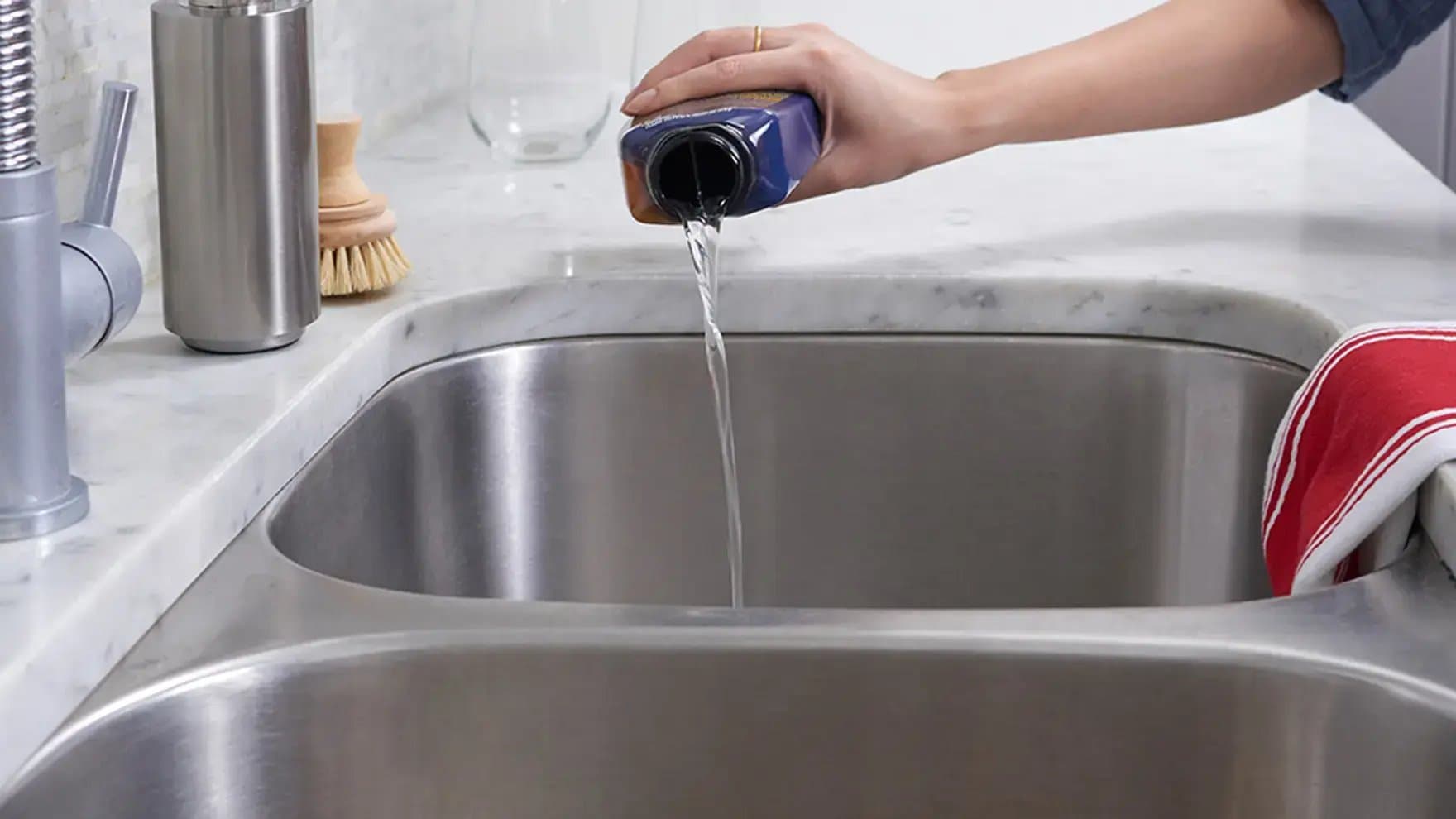
Use Boiling Water
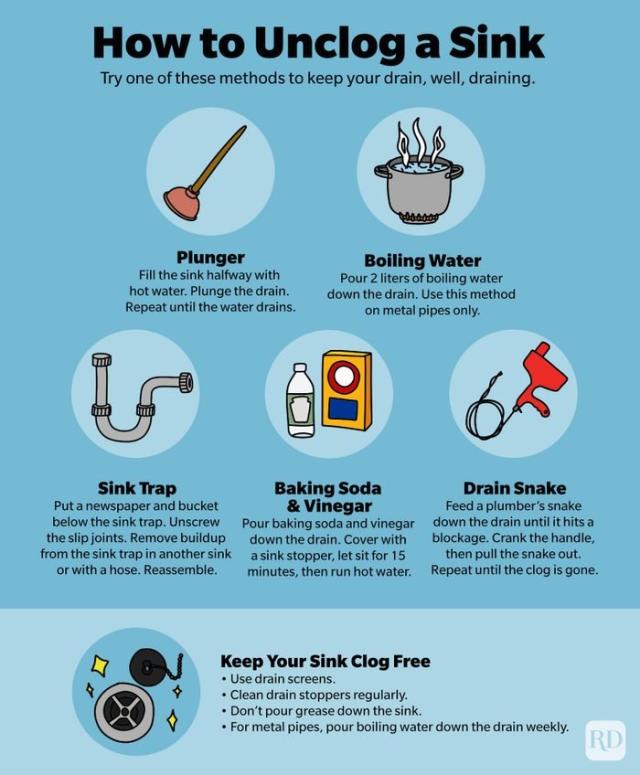
Pour boiling water down the blocked kitchen sink. This helps dissolve grease and debris, clearing minor blockages effectively. Repeat the process if necessary for stubborn clogs.
Clearing a kitchen sink blockage can feel like a daunting task, but sometimes the simplest solutions are the most effective. Using boiling water is a tried-and-true method that often works wonders. It’s an easy, quick fix that doesn’t require special tools or harsh chemicals. You may already have everything you need in your kitchen. Imagine how satisfying it is to hear the water suddenly rush down the drain after a frustrating clog. Before you grab a plunger or call a plumber, try this straightforward technique.Benefits Of Boiling Water
Boiling water is not just easy; it’s incredibly effective. The heat from the water can dissolve grease and soap residue, which are common culprits of blockages. It’s like giving your pipes a hot bath! Additionally, using boiling water is chemical-free, making it a safer choice for your home and the environment. You save money by avoiding expensive drain cleaners. Plus, there’s something gratifying about solving a problem with such a simple solution.Step-by-step Process
- First, ensure your sink is empty by removing any standing water. This allows the boiling water to directly reach the blockage.
- Boil a kettle full of water. The hotter the water, the better it will work.
- Carefully pour the boiling water down the drain in a steady stream. Avoid splashing to prevent burns.
- Wait a few minutes to see if the blockage clears. Listen for the satisfying sound of water draining away.
- If the blockage persists, you can repeat the process or consider other methods if needed.
Credit: www.aol.com
Try Baking Soda And Vinegar
Is your kitchen sink clogged? Try a simple solution with baking soda and vinegar. This method is effective and uses items found in most kitchens. It’s a natural way to tackle stubborn blockages without harsh chemicals.
Why It Works
Baking soda and vinegar react to break down clogs. Baking soda, a base, meets acidic vinegar, creating fizz. This fizz dislodges debris and grime. It’s a safe alternative that won’t damage pipes.
Application Steps
- Remove standing water from the sink.
- Pour one cup of baking soda down the drain.
- Follow with one cup of vinegar.
- Wait 15 minutes for the fizzing action to work.
- Flush the drain with boiling water.
- Check if the blockage is cleared.
Repeat the process if needed. This method is eco-friendly and cost-effective.
Utilize A Plunger
Kitchen sink blockages are a common household issue. Using a plunger can often solve the problem quickly and effectively. This simple tool can dislodge debris and restore proper drainage. Let’s dive into how to properly use a plunger for clearing your kitchen sink.
Choosing The Right Plunger
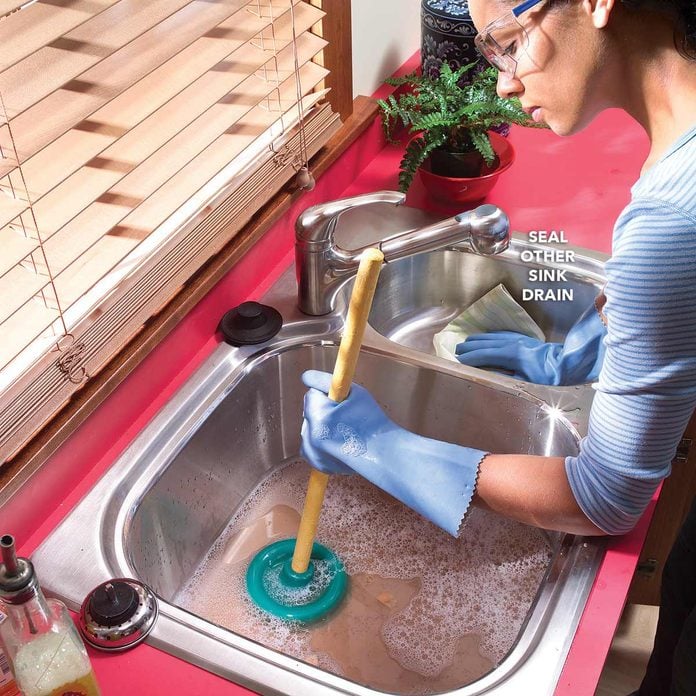
Not all plungers are the same. For kitchen sinks, choose a cup plunger. It has a flat bottom and is ideal for flat surfaces like sinks. Avoid using a flange plunger, which is better for toilets. Ensure the plunger’s rubber is soft and flexible. This helps create a good seal and increases plunging effectiveness.
Effective Plunging Technique
Start by filling the sink with a bit of water. This helps the plunger seal better. Place the plunger over the drain, ensuring a snug fit. Use firm, steady strokes to plunge. Keep the handle vertical for the best results. Plunge for about 20 seconds, then check if the water drains. Repeat if necessary. This method often clears simple blockages quickly.
Deploy A Plumbing Snake
Insert the plumbing snake into the sink drain to clear blockages. Rotate the handle to dislodge debris effectively. Pull out the snake slowly, removing accumulated gunk and restoring proper drainage.
Deploy a Plumbing Snake A plumbing snake can save the day when your kitchen sink is blocked. This tool reaches deep into pipes, removing clogs that other methods can’t tackle. It’s a flexible, metal wire designed to navigate through twists and turns. Using a snake is straightforward, even for beginners.When To Use A Snake
Use a plumbing snake when the sink remains blocked after regular cleaning. If water drains slowly or not at all, a snake might be necessary. It’s especially useful for stubborn clogs caused by food particles or grease. Consider using a snake if plunging doesn’t clear the blockage.Operating A Plumbing Snake
Start by inserting the snake into the sink drain. Push it gently until you feel resistance. This indicates the snake has reached the clog. Twist the handle to break up the blockage. Continue pushing and twisting until the drain clears. Always retract the snake slowly to avoid damaging the pipes. Clean the snake after use to maintain its effectiveness.Chemical Drain Cleaners
Chemical drain cleaners offer a quick solution for kitchen sink blockages. They dissolve grease and organic matter, clearing clogs effectively. Use with caution and follow instructions to ensure safety and proper results.
Cleaning a kitchen sink blockage can be frustrating. Chemical drain cleaners offer a quick fix. These solutions dissolve and clear clogs effectively. They contain strong chemicals that break down debris. Using them can save time and effort. But they come with certain risks. Understanding their pros and cons is essential.Pros And Cons
Chemical drain cleaners work fast. They can clear minor blockages within minutes. They are easy to use, requiring no special tools. Available at most stores, they are convenient. Despite their effectiveness, they can damage pipes over time. Frequent use may weaken plumbing materials. They can also be harmful to health if mishandled. Safety precautions are necessary to avoid skin or eye irritation.Safe Usage Tips
Read the product label carefully. Wear gloves and goggles for protection. Ensure good ventilation in the kitchen area. Pour the cleaner slowly into the drain. Wait the recommended time before flushing with water. Avoid mixing different chemical cleaners. This can create toxic fumes. Store them safely away from children and pets.
Credit: katieskottage.com
Prevent Future Blockages
Regular cleaning prevents kitchen sink blockages. Use baking soda and vinegar to clear pipes naturally. Flush with hot water for maintenance.
Preventing future kitchen sink blockages is crucial for a hassle-free kitchen. A few simple habits can keep your sink running smoothly. Regular maintenance and mindful use of the sink help avoid clogs. This saves both time and money.Regular Maintenance Tips
Regularly clean your sink to prevent buildup. Use a mixture of baking soda and vinegar weekly. This natural solution helps break down any potential clogs. Rinse with hot water to flush away debris. Consider using a sink strainer. It catches food particles before they enter the drain. Empty the strainer after each use to maintain effectiveness.Avoiding Common Mistakes
Avoid pouring grease down the sink. Grease hardens and causes blockages. Instead, dispose of grease in a container and throw it away. Do not overload the disposal unit. Gradually feed small amounts of waste into it. Large amounts can overwhelm the system and cause clogs. Never use chemical drain cleaners. They can damage pipes over time. Stick to natural cleaning methods for safe maintenance.Frequently Asked Questions
What Is The Best Way To Unclog A Clogged Kitchen Sink?
Use baking soda and vinegar to unclog a kitchen sink. Pour baking soda, then vinegar. Wait 15 minutes. Flush with hot water. Repeat if necessary.
How To Unblock A Severely Blocked Sink?
Use a plunger to dislodge the blockage. Pour boiling water down the sink. Add a mixture of baking soda and vinegar. Let it sit for 15 minutes, then flush with hot water. If unsuccessful, use a plumber’s snake or call a professional plumber.
Do Baking Soda And Vinegar Work Better Than Drano?
Baking soda and vinegar are natural alternatives to Drano. They can clear minor clogs but may not be as effective for severe blockages. Drano is specifically formulated for tough clogs. For eco-friendly, gentle cleaning, try baking soda and vinegar. For stubborn clogs, consider using Drano or consult a plumber.
How To Clear Kitchen Sink Blockage Naturally?
Pour boiling water down the drain to loosen debris. Mix baking soda and vinegar, pour it, and let fizz. Rinse with hot water to clear the blockage. Use a plunger for stubborn clogs. Regularly maintain by flushing with hot water and lemon juice to prevent future blockages.
Conclusion
A clean kitchen sink ensures smooth cooking and cleaning. Regular checks help prevent blockages. Use simple methods to clear clogs quickly. Try baking soda and vinegar for stubborn blockages. Hot water can also dissolve minor debris. Avoid harsh chemicals to protect pipes.
Maintain your sink to save time and effort. A well-functioning sink makes kitchen tasks easier. Enjoy a cleaner kitchen with these tips. Remember, a little care goes a long way. Stay proactive with sink maintenance. Keep your kitchen sink free from blockages and running smoothly.