How to Unclog Kitchen Sink With Standing Water: Quick Fix
Your kitchen sink is more than just a basin; it’s the heart of your culinary space. But when standing water stubbornly refuses to drain, it can disrupt your entire day.
You might feel a sense of panic setting in, wondering if you need to call a plumber or if you can fix this on your own. The good news is, you can take control and restore your sink to its free-flowing glory without breaking a sweat or the bank.
In this guide, you’ll discover simple yet effective methods to unclog that pesky sink. Imagine the satisfaction of watching the water swirl away smoothly, knowing you tackled the problem yourself. Don’t let a clogged sink dampen your day—dive into our tips and reclaim your kitchen’s functionality with ease and confidence.

Credit: majewskiplumbing.com
Common Causes Of Clogged Sinks
Unclogging a kitchen sink with standing water can be a frustrating chore, especially when you’re trying to figure out the cause behind the blockage. Knowing what commonly causes these clogs can help you avoid them in the future and make the unclogging process easier and more effective. Let’s dive into some of the typical culprits behind a backed-up kitchen sink.
Food Particles
Food particles are often the most frequent offenders when it comes to clogged kitchen sinks. You might be surprised at how easy it is for even small bits of food to accumulate in the pipes, leading to blockages. Think about the times you’ve rinsed a plate without scraping it thoroughly into the trash or compost bin. Even tiny crumbs can add up over time.
Ask yourself if you’re guilty of washing down potato peels or coffee grounds. These items are notorious for causing clogs. Consider using a strainer to catch food debris before it makes its way into the drain.
Grease Buildup
Grease is another sneaky culprit that can wreak havoc on your kitchen plumbing. After cooking, it’s tempting to rinse pots and pans without wiping away excess grease. This can lead to a sticky buildup inside the pipes.
Wonder how often you’ve poured bacon fat down the drain? It might seem harmless at first, but over time, it solidifies and narrows the passage, causing water and other debris to back up. Always dispose of grease in a container and throw it in the trash once it’s solidified.
Foreign Objects
Sometimes, it’s not just food and grease that clogs your sink—foreign objects can be the unexpected source of trouble. Items like small utensils, sponges, or even pieces of broken glass can accidentally slip into the drain.
Reflect on the last time you cleaned your sink or countertop. Did anything fall in without you noticing? If your sink is clogged and you suspect something unusual might be the cause, consider using a flashlight to check for visible blockages or carefully removing the drain cover.
Essential Tools And Materials
Gather a plunger, bucket, and baking soda for unclogging a kitchen sink with standing water. A mixture of vinegar and hot water can also be effective. Keep a pair of gloves handy to protect your hands during the process.
Unclogging a kitchen sink with standing water can be a daunting task, especially when you’re staring at a pool of murky water that just won’t drain. However, having the right tools and materials at your disposal can make this challenge much easier. Equipping yourself with essential items can turn a frustrating chore into a manageable fix. Let’s dive into the details of what you’ll need to tackle this pesky problem effectively.Plunger
A plunger is often your first line of defense in clearing a clogged sink. Its suction power can dislodge stubborn blockages that are causing the water backup. Ensure you have a plunger specifically designed for sinks, as the smaller cup fits perfectly over the drain. When using a plunger, fill the sink with enough water to cover the plunger cup. A tight seal is essential for effective plunging. With firm, quick motions, plunge up and down several times to break up the clog. You might be surprised at how quickly this simple tool can resolve the issue.Baking Soda And Vinegar
This dynamic duo is not just for science experiments; it’s a powerful natural cleaner that can help dissolve clogs. Baking soda and vinegar react with each other to create fizzing action, which can break down debris causing the blockage. Start by pouring a cup of baking soda down the drain, followed by a cup of vinegar. Allow the mixture to sit for about 15 minutes. This gives the reaction time to work on the clog. Then, flush with hot water to clear any remaining residue. This method is not only effective but also chemical-free, making it a great choice for environmentally conscious households.Plumbing Snake
A plumbing snake, or auger, is a handy tool for those tough clogs that a plunger can’t tackle. It can reach deep into the pipes to dislodge or pull out blockages. If you don’t own one, they’re easily available at hardware stores and worth the investment for stubborn clogs. To use a plumbing snake, insert it into the drain and crank the handle to push the snake deeper into the pipe. Once you hit the clog, rotate and maneuver the snake to break it up or pull it out. It’s fascinating how this simple tool can reach where your hands can’t, proving crucial in resolving sink drainage problems.Bucket And Towels
Buckets and towels might not directly unclog the sink, but they play a vital role in managing the mess that comes with the task. A bucket helps catch water and debris when you disassemble pipes, avoiding spills on your kitchen floor. Having towels on hand allows you to quickly wipe up any overflow or splashes, keeping your workspace clean and safe. It’s always wise to prepare for unexpected water leaks—so having these essentials ready can save you a lot of hassle. Are you ready to tackle the clog with confidence now? With these tools and materials, you’re well-equipped to handle the mess and restore your kitchen sink to its proper working order.Safety Precautions
Unclogging a kitchen sink with standing water can be tricky. Safety is crucial before you start. Follow these precautions to protect yourself and your home.
Protective Gear
Wear rubber gloves to protect your hands from chemicals. Use safety goggles to shield your eyes from splashes. A mask can prevent inhalation of fumes.
Ventilation
Open windows to let fresh air in. Use a fan to circulate air. This helps reduce chemical odors and keeps the area safe.
Step-by-step Plunger Method
Begin by removing excess water from the sink with a bucket. Position the plunger over the drain, ensuring a tight seal. Push and pull the plunger rapidly to create suction. Continue plunging until the water drains smoothly. Repeat the process if necessary.
Clogged kitchen sinks are a common household issue that can disrupt your daily routine. A simple yet effective solution is the plunger method. This approach can save you time and money by avoiding the need for professional help. Let’s walk through how you can master this technique to restore your sink’s functionality.Preparing The Sink
Begin by removing any items from the sink, including dishes and cutlery, to ensure you have full access. If there’s a garbage disposal, ensure it’s turned off for safety. Fill the sink with enough water to cover the plunger’s cup, as this will create the necessary suction. Check for any visible debris or food particles and remove them with a gloved hand. This step prevents larger obstructions from complicating the plunging process. Now, seal off any nearby overflow holes with a wet cloth to maximize plunging efficiency.Effective Plunging Techniques
Position the plunger directly over the drain, ensuring a tight seal around the edge. A cup plunger is ideal for sinks, as its design is suited for flat surfaces. Apply firm, consistent pressure by pushing down and pulling up the plunger. Perform about 10 to 15 plunges, maintaining the seal throughout. After plunging, quickly remove the plunger from the drain. This sudden release can help dislodge the clog. Check if the water drains smoothly. If not, repeat the process a few more times. Remember, persistence is key to clearing stubborn clogs. Isn’t it satisfying to fix something with your own hands? This method not only resolves the issue but empowers you with a practical skill.Using Baking Soda And Vinegar
Baking soda and vinegar offer a simple solution for clogged kitchen sinks with standing water. Start by pouring a cup of baking soda down the drain, followed by a cup of vinegar. Allow the mixture to fizz and work its magic for about 15 minutes, then flush with hot water to clear the blockage.
Unclogging a kitchen sink with standing water can be a daunting task, especially when you’re short on time or patience. But fear not! There’s a simple and effective method using common household items: baking soda and vinegar. This dynamic duo can tackle the stubborn clogs and leave your sink fresh and clean. Whether you’re a seasoned DIY enthusiast or just trying to save a few bucks, this method is both practical and eco-friendly.Mixing The Solution
Start by measuring equal parts of baking soda and vinegar. Typically, half a cup of each will do the trick. Baking soda acts as a gentle abrasive that can scrub away residues, while vinegar, with its acidic nature, breaks down grime and grease. Don’t worry about precision—it’s more about the chemical reaction that occurs when they mix.Applying The Solution
Pour the baking soda into the drain first, followed by the vinegar. You’ll notice a fizzy reaction, reminiscent of a volcano science project. This bubbling effect is what helps dislodge the clog. Allow the mixture to sit for about 15 minutes. It’s working hard to break down the blockage.Rinsing The Drain
After the solution has had time to work its magic, boil a pot of water. Carefully pour the hot water down the drain to rinse away loosened debris. You might be amazed at how effectively this final step clears the path, leaving your sink ready for action once again. Doesn’t it feel satisfying to solve a problem using simple items from your pantry?Deploying A Plumbing Snake
Deploying a plumbing snake can effectively remove stubborn blockages in a kitchen sink filled with standing water. Slowly insert the snake into the drain, twisting to break up debris and allow water to flow freely. This method clears pipes without harsh chemicals, maintaining a clean and eco-friendly kitchen space.
Deploying a plumbing snake can be a game-changer when your kitchen sink is backed up with standing water. This tool, also known as a drain snake, can effectively reach and remove obstructions that are causing the blockage. It’s an essential tool for any DIY enthusiast, allowing you to tackle plumbing issues head-on without always calling in a professional.Inserting The Snake
Begin by positioning the bucket beneath the sink to catch any water or debris. Remove the sink trap using a wrench to provide a direct path for the snake. Gently insert the end of the plumbing snake into the drain line, feeding it slowly. You might feel some resistance, which is usually the blockage. Keep your grip firm as you push the snake further into the pipe. It’s like guiding a string through a maze—you want to ensure it doesn’t coil back on itself.Clearing The Blockage
Once the snake encounters the blockage, rotate the handle clockwise. This motion helps the snake latch onto the obstruction. Apply steady pressure, but be careful not to force it, as excessive force can damage the pipes. You might even hear a satisfying release as the blockage clears. Retrieve the snake by slowly pulling it out of the drain. The goal is to bring up any debris that was causing the clog. Run warm water down the drain to ensure the blockage is completely cleared. You should see the standing water recede, and that’s your victory signal. Doesn’t it feel empowering to resolve such issues yourself? Next time, you’ll know exactly what to do when your sink decides to hold a mini-flood.Preventing Future Clogs
Regular cleaning prevents future clogs in the kitchen sink. Dispose of grease in the trash, not the drain. Use a strainer to catch food particles and avoid blockages.
Preventing clogs in your kitchen sink is easier than dealing with them. Simple habits can keep your sink flowing smoothly. This section explores effective ways to prevent future clogs.Regular Maintenance
Schedule a routine for cleaning your sink. Use a gentle cleaning solution weekly. Scrub the drain to remove any buildup. Keep a plunger nearby for emergencies. Regular checks can help spot issues early.Proper Disposal Practices
Dispose of waste correctly to avoid clogs. Don’t pour grease down the drain. It hardens and blocks pipes. Use a strainer to catch food scraps. Throw coffee grounds and eggshells in the trash. Composting is a great way to get rid of organic waste. Proper disposal keeps your pipes clear.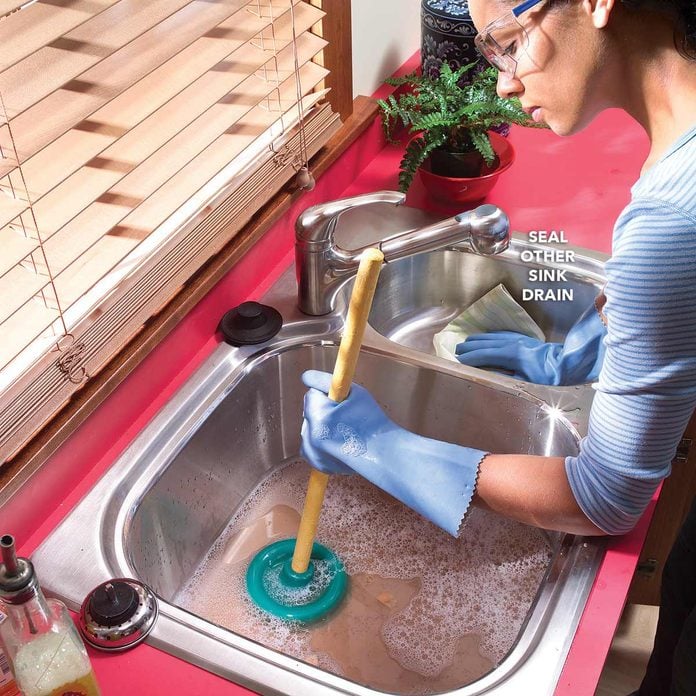
Credit: www.familyhandyman.com

Credit: sierracoolslv.com
Frequently Asked Questions
How Do I Unblock Standing Water In My Kitchen Sink?
Use a plunger to create suction and clear the blockage. Pour baking soda and vinegar down the drain. Flush with hot water. If needed, use a plumber’s snake to remove stubborn debris. Regular maintenance prevents clogs. Always wear gloves when handling cleaning solutions.
How To Unclog A Sink When The Water Won’t Go Down?
Use a plunger to clear the blockage. Pour boiling water and baking soda into the sink. Follow with vinegar. Use a drain snake if necessary.
How Do You Unblock A Badly Blocked Sink?
Use a plunger to create suction and clear the blockage. Pour baking soda and vinegar down the drain. Wait for a few minutes, then flush with hot water. If still blocked, use a plumber’s snake to dislodge debris.
How To Force A Kitchen Sink To Drain?
Use a plunger to unclog the sink. Pour boiling water down the drain. Try a baking soda and vinegar mix. Use a plumber’s snake for stubborn clogs. Check and clean the P-trap under the sink.
Conclusion
Unclogging a kitchen sink with standing water is simple. Follow these easy steps. First, gather necessary tools like a plunger or baking soda. Then, remove any visible debris. Next, apply chosen method carefully. Be patient and repeat if needed. Always ensure safety by wearing gloves.
Regular maintenance prevents future clogs. Keep pipes clean with natural solutions. Remember, small efforts make a big difference. Your kitchen sink will thank you. Now, enjoy a smoothly running sink without stress. Happy cleaning!